Networks and Security is definitely not easy and a lot of terms are difficult to understand. This is a glossary to help you understand some terms used in Cybersecurity.
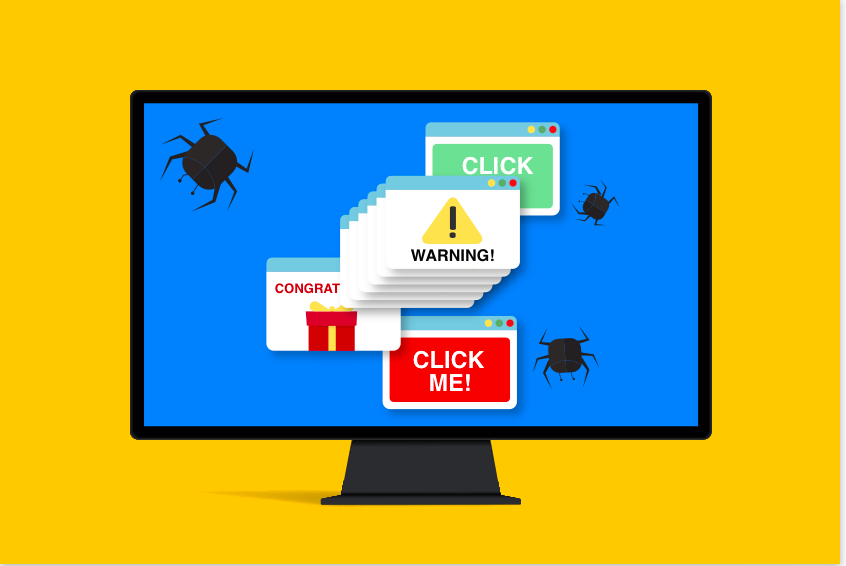
adware
noun
software that automatically displays or downloads advertising material (often unwanted) when a user is online.
Example: I had to run a thorough scan on my computer to remove the persistent adware that kept popping up unwanted advertisements while I was trying to work.
en: logiciel publicitaire
backup
noun
an extra copy of data from a computer.
Example: if the server was to breakdown there should be a BACKUP server to take its place
en: sauvegarde
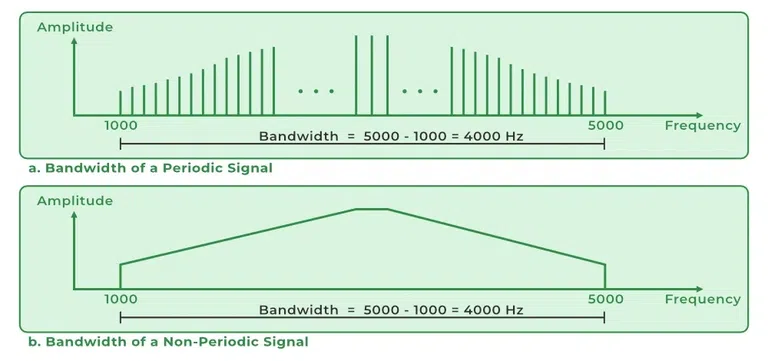
bandwidth
noun
The maximum amount of data transmitted over an internet connection in a given amount of time.
Example: The BANDWIDTH of memory increases at about double the rate of the drop in latency.
en: Bande passante
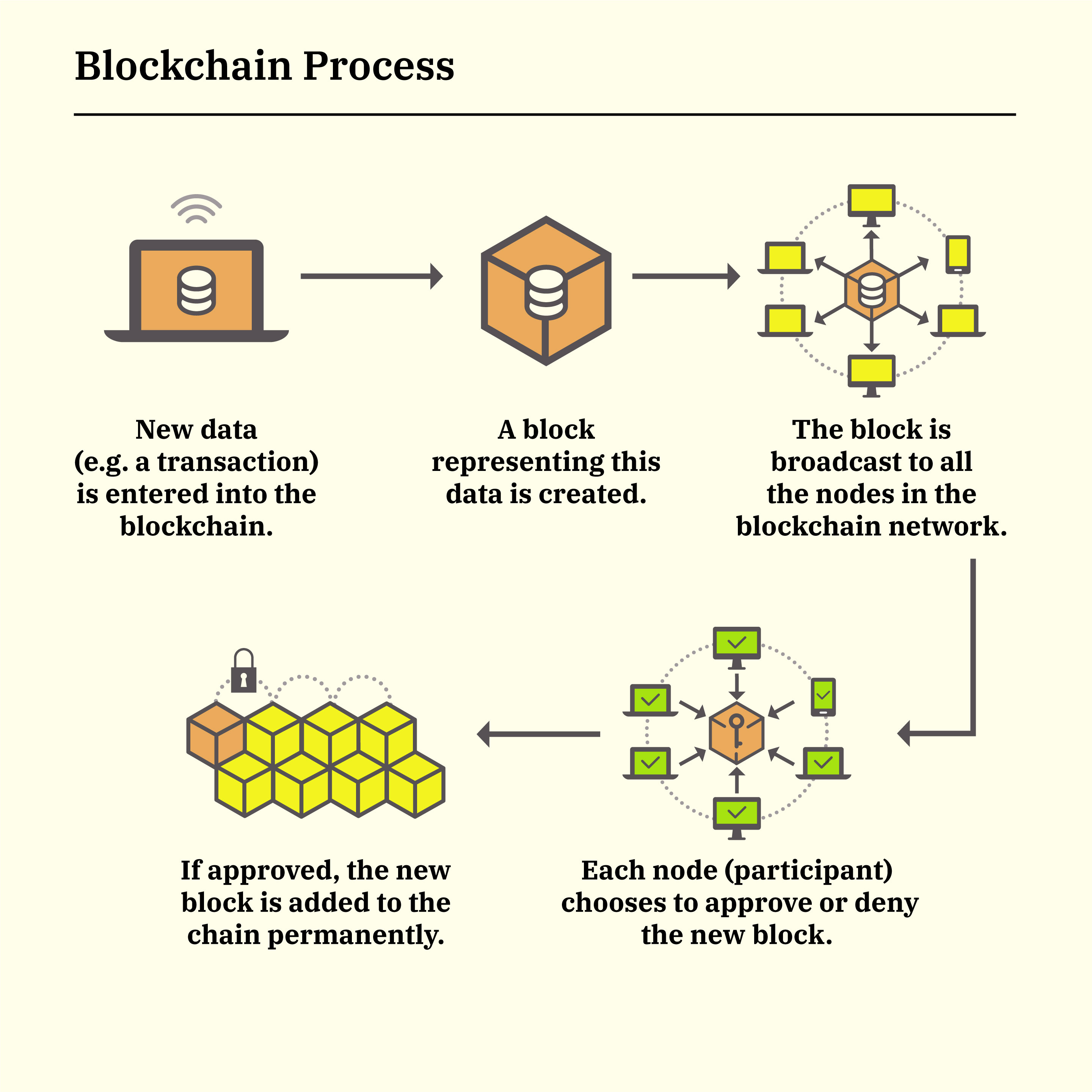
blockchain
noun
a system in which a record of transactions, especially those made in a cryptocurrency, is maintained across computers that are linked in a peer-to-peer network.
Example: The company implemented blockchain technology to ensure the transparency and security of its supply chain management system.
en: chaîne de blocs
botnet
noun
a network of private computers infected with malicious software and controlled as a group without the owners' knowledge, e.g., to send spam messages.
Example: The cybersecurity team successfully dismantled a massive botnet responsible for launching coordinated DDoS attacks on various websites.
en: réseau de zombies
bug
noun
An error or mistake in software coding or hardware design or construction.
Example: The software developers quickly addressed the critical bug identified in the latest release, ensuring a smoother user experience and preventing potential system crashes.
en: bogue
clickjacking
noun
The malicious practice of manipulating a website user's activity by concealing hyperlinks beneath legitimate clickable content, thereby causing the user to perform actions of which they are unaware.
Example: Users should be cautious of clickjacking techniques, as they can unknowingly click on malicious links disguised as legitimate ones, leading to potential security breaches.
en: Détournement de clics
cloud
noun
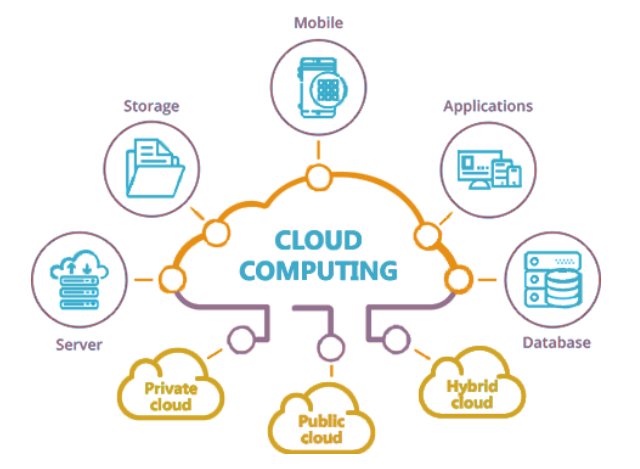
the delivery of different services through the Internet, including data storage, servers, databases, networking, and software.
Example: The company migrated its entire infrastructure to the cloud, leveraging the flexibility and scalability of cloud services to enhance efficiency and reduce operational costs.
en: nuage
data
noun
facts and statistics collected together for reference or analysis.
Example: This scaling was done on the computer so that DATA could be analyzed electronically.
en: données
deepfake
noun
a video of a person in which their face or body has been digitally altered so that they appear to be someone else, typically used maliciously or to spread false information.
Example: The rise of deepfake technology has sparked concerns about the potential misuse of manipulated videos for spreading misinformation and undermining trust in media sources.
en: faux profond
domain
noun
A domain is a group of connected Windows computers that share user account information and a security policy.
Example: The company registered a new domain to establish its online presence and expand its reach in the digital marketplace.
en: domaine
encryption
noun
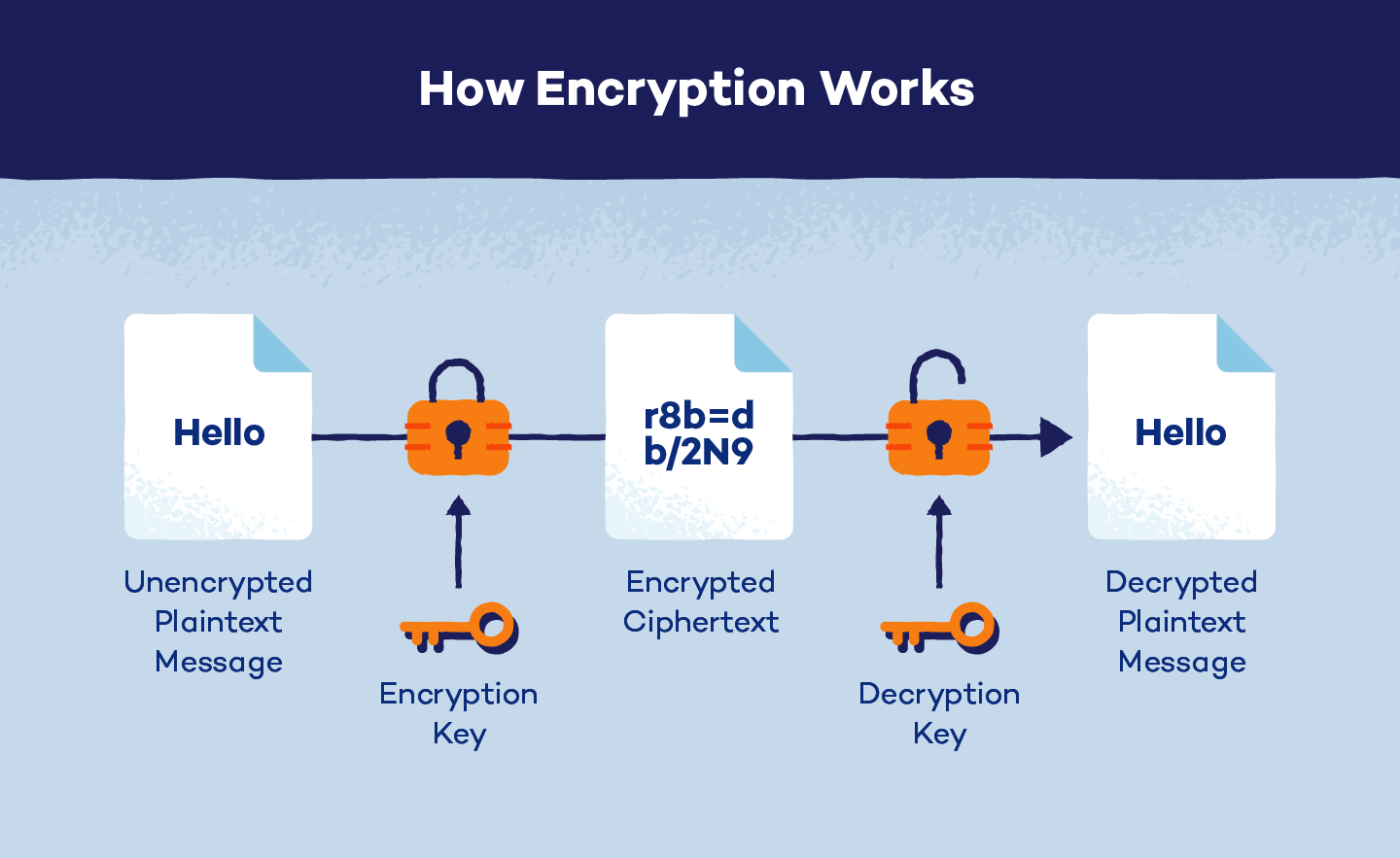
the process of converting information or data into a code, especially to prevent unauthorized access
Example: The cybersecurity team implemented end-to-end encryption to safeguard users' private messages from unauthorized access and maintain confidentiality.
en: chiffrement
ip adress
noun
a unique string of characters that identifies each computer using the Internet Protocol to communicate over a network.
Example: When troubleshooting network connectivity issues, it's essential to verify that each device has a unique IP address assigned to it for proper communication within the network.
en: adresse IP
phishing
noun
the fraudulent practice of sending emails or other messages purporting to be from reputable companies in order to induce individuals to reveal personal information, such as passwords and credit card numbers.
Example: It has been noticed that these kinds of PHISHING attacks were extensively executed when this Internet threat was in its infancy stage.
en: Hameçonnage
ransomware
noun
a type of malicious software designed to block access to a computer system until a sum of money is paid.
Example: The company's data was compromised by a ransomware attack, which encrypted critical files and demanded payment in cryptocurrency for their release.
en: rançongiciel
rootkit
noun
a set of software tools that enable an unauthorized user to gain control of a computer system without being detected.
Example: The IT department discovered a sophisticated rootkit embedded deep within the operating system, allowing unauthorized access to sensitive system files and posing a significant security threat to the organization's network.
en: trousse administrateur pirate
software
noun
the programs and other operating information used by a computer.
Example: high-speed Internet, powerful computers, advanced SOFTWARE make these businesses work together
en: logiciel
trojan horse
noun
a program designed to breach the security of a computer system while ostensibly performing some innocuous function.
Example: The cybersecurity team uncovered a Trojan horse hidden within an email attachment, highlighting the importance of robust antivirus measures to defend against such malicious threats.
en: cheval de Troie
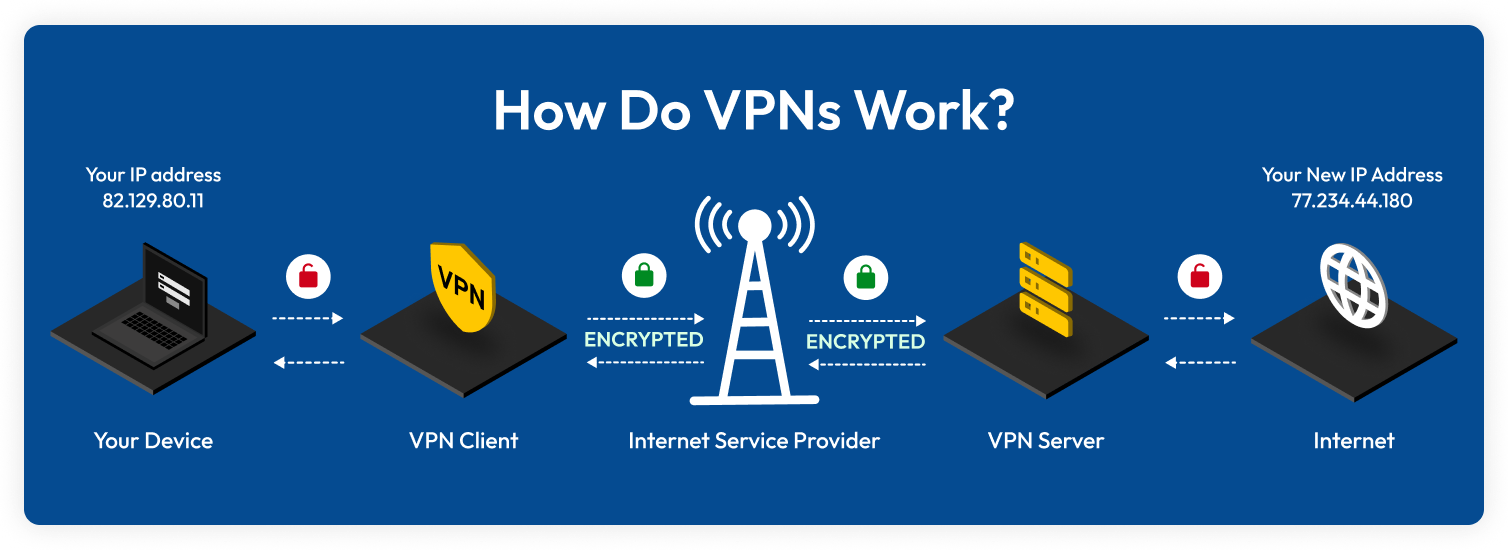
vpn
noun
An arrangement whereby a secure, apparently private network is achieved using encryption over a public network, typically the internet.
Example: To secure their online privacy and bypass geo-restrictions, the remote workers utilize a VPN to encrypt their internet connection and access company resources from anywhere in the world.
en: Vpn
worm
noun
A self-replicating program able to propagate itself across a network, typically having a detrimental effect.
Example: The IT department swiftly responded to the worm outbreak by implementing network-wide patches and deploying antivirus updates to prevent further propagation and mitigate potential damage to the system.





:max_bytes(150000):strip_icc()/IPaddress-1e113dd325f74135ab2183d432ea5865.jpg)