20 This glossary contains words related to my future field of study which is psychology. terms
My name is Noémie, and I'm currently studying Social Science at Ahuntsic College, and my field of study is psychology. I've been studying Social Science for 2 years now, and I'm really interested in how Human functions and why they do certain things. This glossary is to make you discover this exciting and interesting field of study with the help of definitions, audios and photos, so you can learn a bit more about this field.
acute stress
noun
A transient state of arousal with typically clear onset and offset patterns.
Example: Not least has been the impact upon staff, often reduced to a warehousing role in conditions of ACUTE STRESS.
en: stress aigu
alexithymia
noun
The inability to recognize or describe one's own emotions.
Example: Also, there can be a reduction in the ability to express emotion verbally (ALEXITHYMIA) and maintain motivation while reading long texts.
en: alexithymie
algolagnia
noun
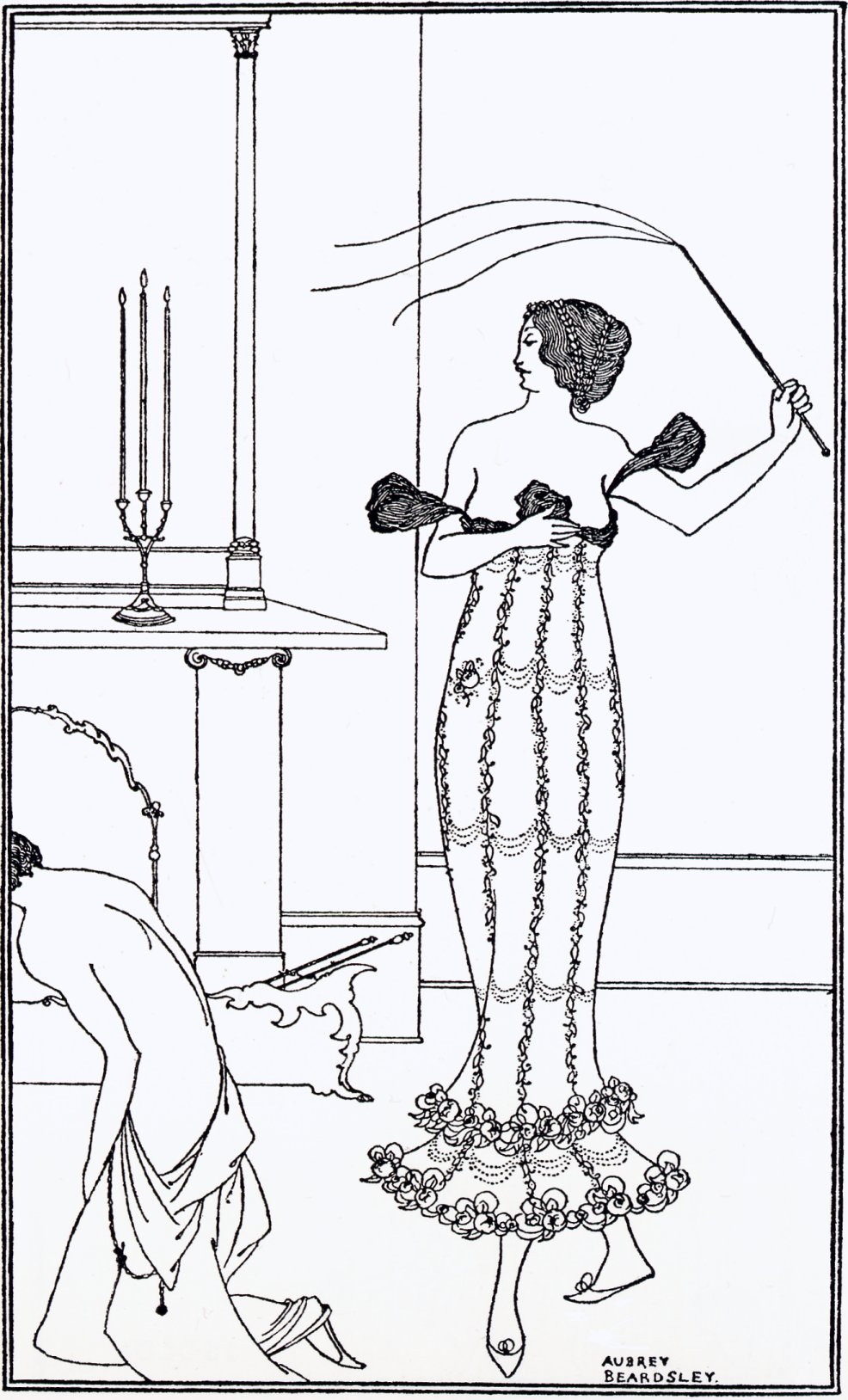
Desire for sexual gratification through inflicting pain on oneself or others; sadomasochism.
Example: I may here narrate a case which has been communicated to me of algolagnia in a woman, combined with sexual hyperesthesia.
en: algolagnie
analyze
verb
To study or examine something in detail in order to understand or explain it.
Example: There are now different ways to record these changes and ANALYZE a person's honesty dishonesty: a polygraph test.
en: analyser
anorexia nervosa
noun
An eating disorder characterized by restriction of food intake leading to low body weight, typically accompanied by intense fear of gaining weight and disturbed perception of body weight and image.
Example: In the treatment of ANOREXIA NERVOSA patients are encouraged to understand their thought and behaviour patterns and try to change any behaviours that are harmful or not helpful.
en: anorexie nerveuse
anxiety
noun
A mental condition characterized by excessive apprehensiveness about real or perceived threats, typically leading to avoidance behaviors and often to physical symptoms such as increased heart rate and muscle tension.
Example: By focusing on the environment Rosemary will not be under pressure to continually learn new skills without having to continuously re-learn motor skills which can be frustrating and cause feelings of depression or ANXIETY.
en: anxiété
bipolar disorder
noun
A mental illness that causes unusual shifts in a person's mood, energy, activity levels, and concentration.
Example: Prison officials have said about 40 percent of inmates have had a diagnosis of mental illness, mostly involving conditions such as depression and bipolar disorders.
en: trouble bipolaire
illness
noun
A disease or period of sickness affecting the body or mind.
Example: He died after a long illness.
en: maladie
mind
noun
The human consciousness that originates in the brain and is manifested especially in thought, perception, emotion, will, memory, and imagination.
Example: MIND is therefore able to pump put free radicals when a macrophage is activated and a respiratory burst triggered.
en: esprit
narcissism
noun
Selfishness, involving a sense of entitlement, a lack of empathy, and a need for admiration, as characterizing a personality type.
Example: It is these severe psychological disorders which cannot be treated by a strictly behavioural approach - although behaviour modification can help with some effects, there is no effective therapy for NARCISSISM itself.
en: narcissisme
neurosis
noun
A mental condition that is not caused by organic disease, involving symptoms of stress (depression, anxiety, obsessive behaviour, hypochondria) but not a radical loss of touch with reality.
Example: The concept of NEUROSIS was replaced by new diagnoses of panic disorder, generalised anxiety disorder, social phobia and post-traumatic stress disorder.
en: névrose
obsessive-compulsive disorder
noun
An anxiety disorder characterized by intrusive thoughts that produce uneasiness, apprehension, fear, or worry; by repetitive behaviors aimed at reducing the associated anxiety.
Example: Mechanisms of action of current and potential pharmacotherapies of OBSESSIVE-COMPULSIVE DISORDER.
en: trouble obsessionnel compulsif
paranoia
noun
The unwarranted or delusional belief that one is being persecuted, harassed, or betrayed by others, occurring as part of a mental condition.
Example: This confusion can accentuate the PARANOIA caused by an Alzheimer's-stricken amygdala.
en: paranoïa
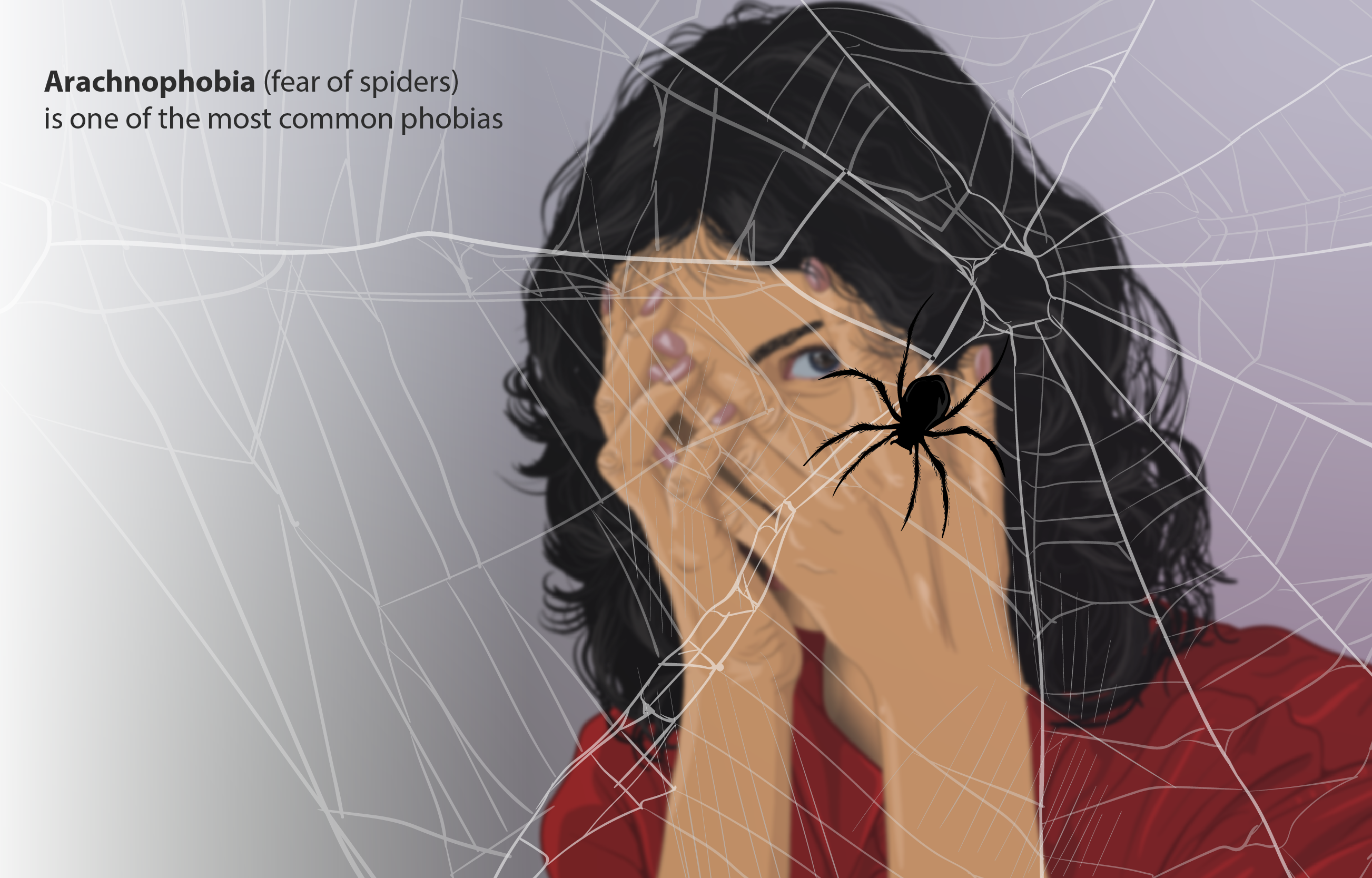
phobia
noun
An extreme or irrational fear of or aversion to something.
Example: He had a phobia about being under water.
en: phobie
retrograde amnesia
noun
Amnesia caused by a trauma such as concussion, in which the memory loss relates to material learnt before the trauma.
Example: The majority of patients are left only with an amnesic gap for the period of coma, together with a variable amount of retrograde amnesia for part of the recovery period.
en: amnésie
schizophrenia
noun
A serious mental condition of a type involving a breakdown in the relation between thought, emotion, and behavior, leading to faulty perception, inappropriate actions and feelings, withdrawal from reality and personal relationships into fantasy and delusion, and a sense of mental fragmentation.
Example: It has been shown that unpopular children are more likely to have psychological difficulties such as SCHIZOPHRENIA, anxiety disorders, mood disorders and criminal behaviour.
en: schizophrénie
self-esteem
noun
Confidence in one's own worth or abilities; self-respect.
Example: Believing that your body is inadequate and not acceptable to social standards is captured overall by low SELF-ESTEEM.
en: amour propre
stress
noun
State of mental or emotional strain or tension resulting from adverse or very demanding circumstances.
Example: He's obviously under a lot of stress.
en: stress
therapy
noun
The treatment of mental conditions by verbal communication and interaction.
Example: The therapy helps the patient to deal with difficult relationships.
en: thérapie
unconscious
noun
The part of the mind which is inaccessible to the conscious mind but which affects behavior and emotions.
Example: Horrific apparitions surfaced out of the recesses of his unconscious.