Hello, my name is Joyce Pham, and I am currently completing an internship in Diagnostic Imaging at Maisonneuve-Rosemont Hospital. I have been in this program for four years now. This glossary is intended for students in this field of study, as well as patients and anyone who may be interested in radiology. I will be presenting 20 terms related to the profession that were commonly used in the everyday vocabulary at the hospital. These are basic concepts that can help people better understand and become familiar with the terminology they may need to use or hear in the future.
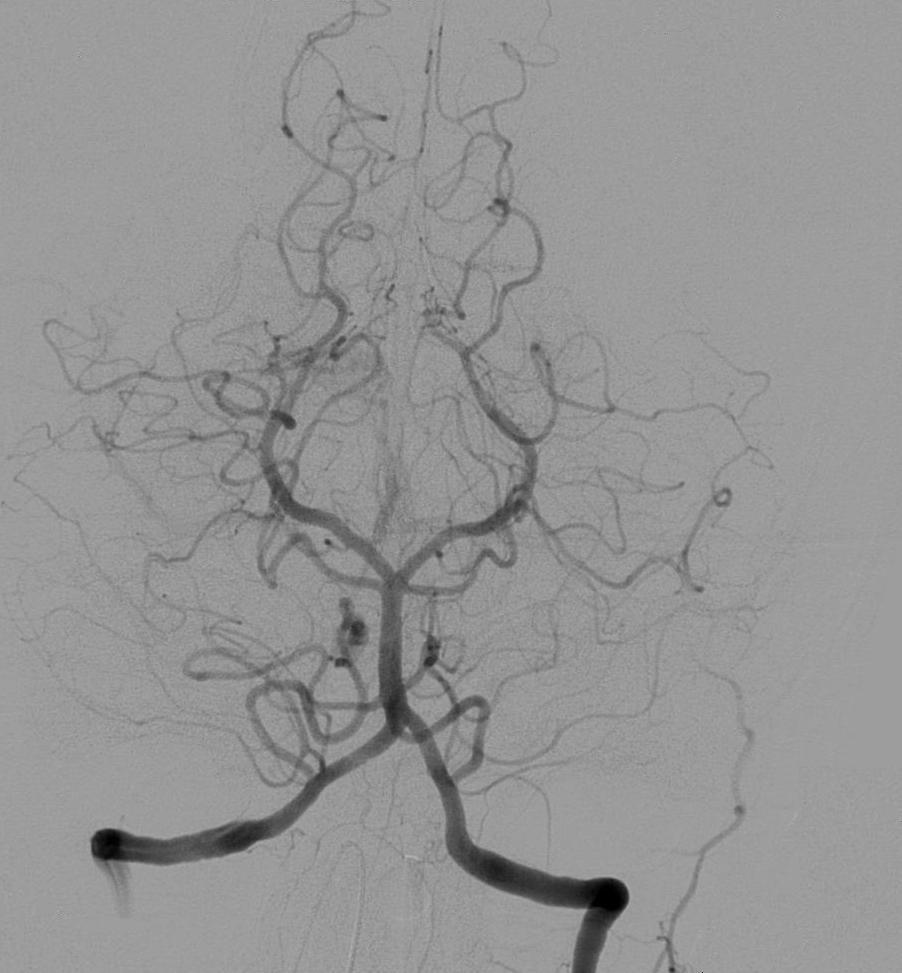
angiography
noun
A type of X-ray used to check blood vessels. Blood vessels do not show clearly on a normal X-ray, so a special dye called a contrast agent needs to be injected into your blood first. This highlights your blood vessels, allowing your doctor to see any problems.
Example: All patients underwent predischarge coronary angiography.
fr: angiographie
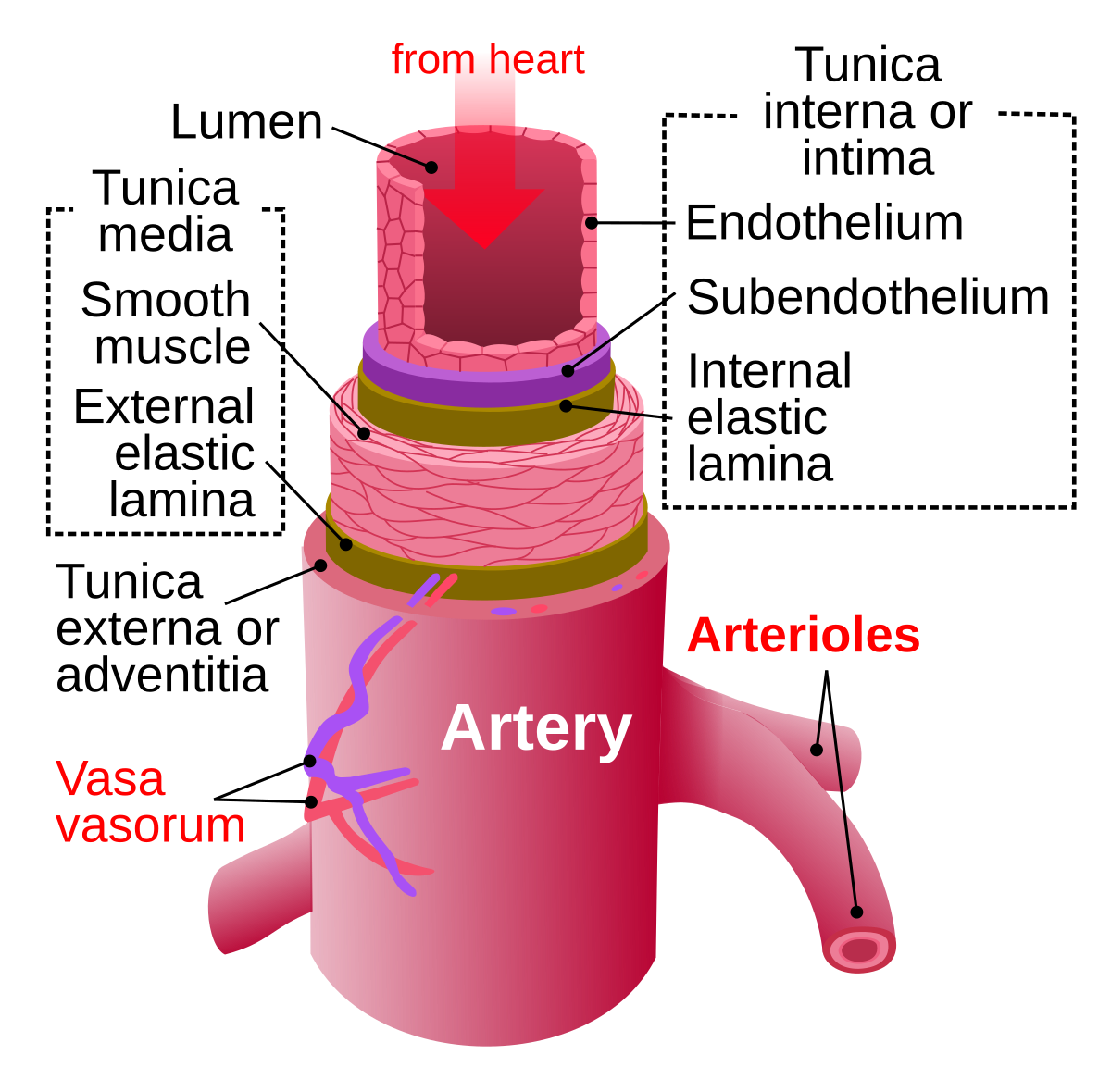
artery
noun
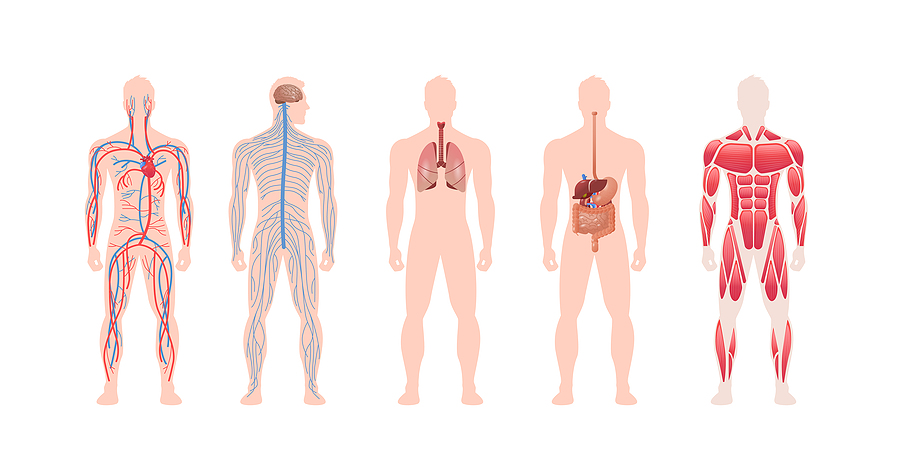
A blood vessel that carries blood from the heart to tissues and organs in the body.
Example: The aorta is the large artery that takes blood from the left ventricle of the heart to the body.
fr: artère
artifact
noun
Something artificial that may appear on an image that is not a part of the body.
Example: The first radiograph ever taken had an artifact present, a metallic ring on the patient’s hand.
fr: artefact
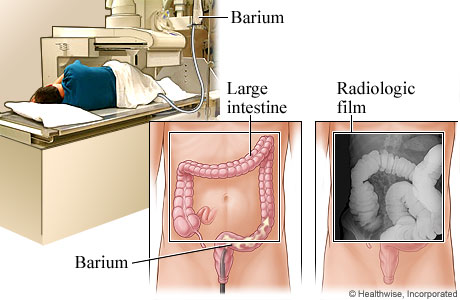
barium
noun
A chalky liquid some patients drink to coat the inside of the organs so that they will show up on an X-ray.
Example: Radiology of the small intestine and either double contrast barium enema or colonoscopy were used to determine the anatomical distribution of disease.
fr: baryum
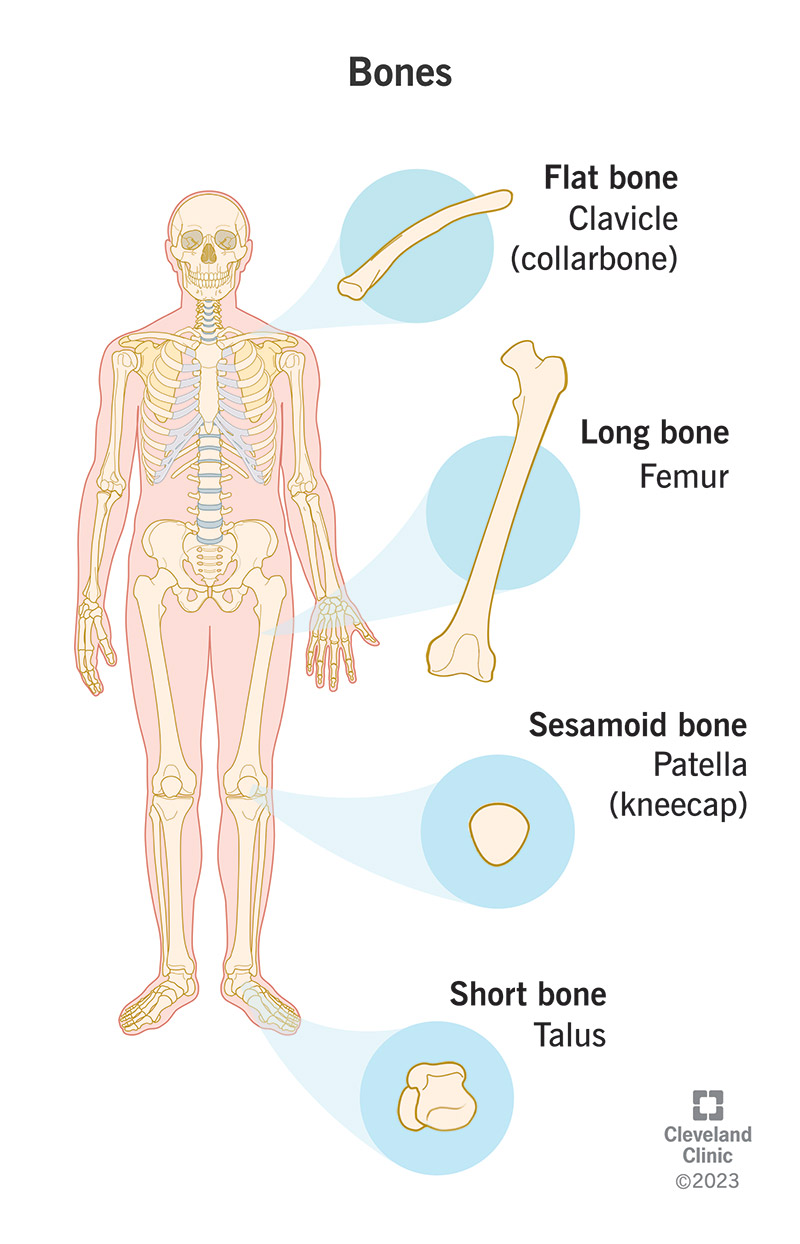
bone
noun
Any of the pieces of hard whitish tissue making up the skeleton in humans and other vertebrates.
Example: His injuries included many broken bones.
fr: os
catheter
noun
A tubular medical device for insertion into canals, vessels, passageways, or body cavities for diagnostic or therapeutic purposes.
Example: To get to the ruptured artery and repair it, they inserted a catheter through his groin.
fr: cathéter
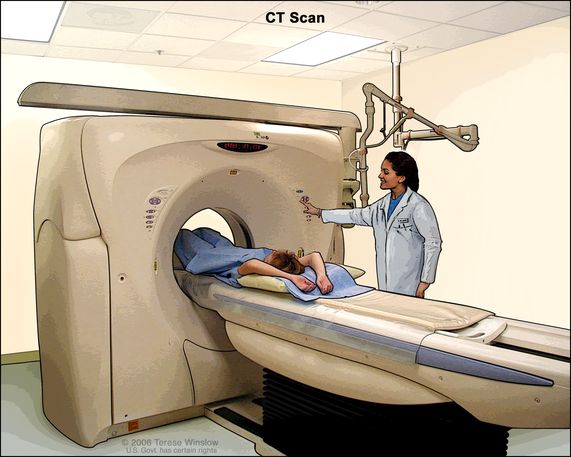
computed tomography
noun
A method of producing a three-dimensional image of an internal body structure by computerized combination of two-dimensional cross-sectional X-ray images.
Example: Abdominal computed tomography was performed.
fr: tomodensitométrie
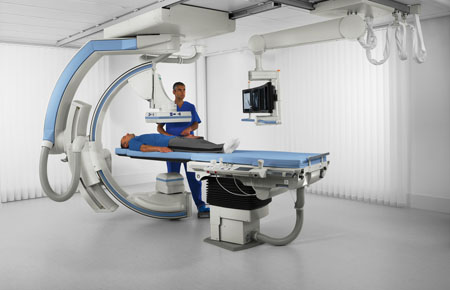
fluoroscopy
noun
A type of medical imaging that shows a continuous X-ray image on a monitor, much like an X-ray movie. During a fluoroscopy procedure, an X-ray beam is passed through the body. The image is transmitted to a monitor so the movement of a body part or of an instrument or contrast agent ("X-ray dye") through the body can be seen in detail.
Example: David banked the gurney right into the fluoroscopy suite, and he and Diane donned leads to protect themselves from the radiation.
fr: fluoroscopie
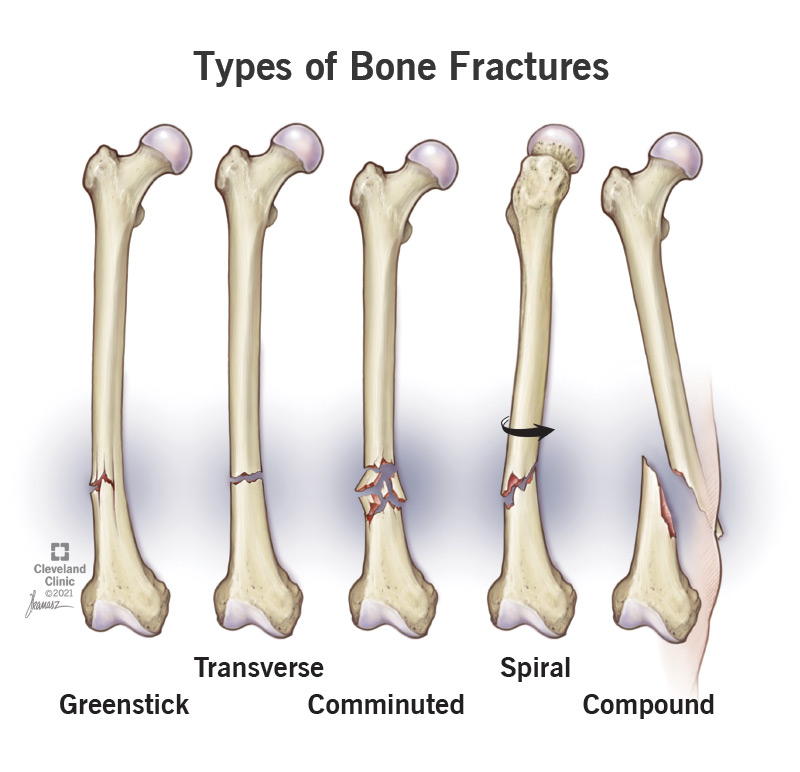
fractured
adjective
(of a bone or hard object) broken; cracked.
Example: He suffered a fractured skull.
fr: fracturé
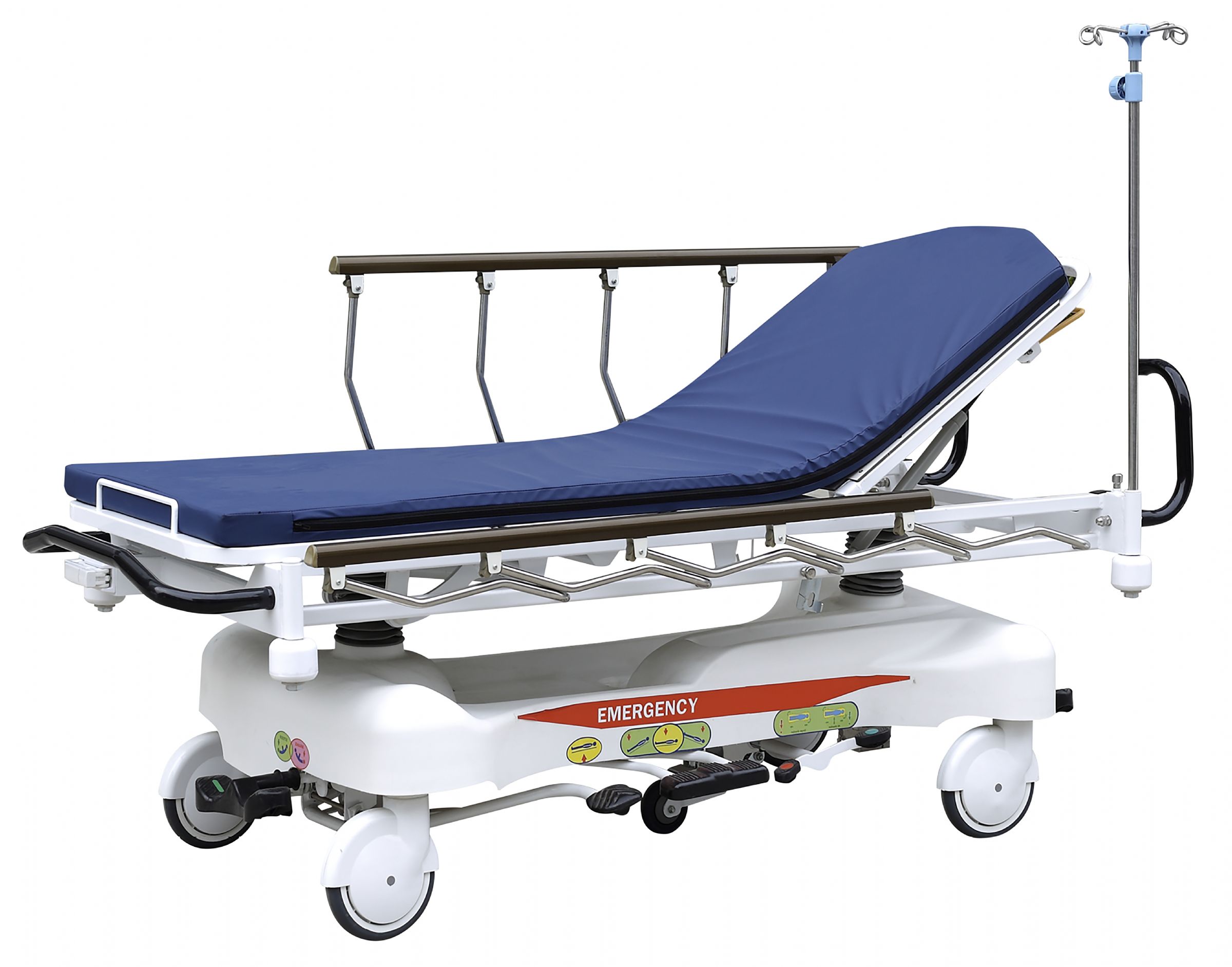
gurney
noun
A wheeled stretcher used for transporting hospital patients.
Example: Some patients waiting for beds were being treated on gurneys in the emergency department.
fr: civière
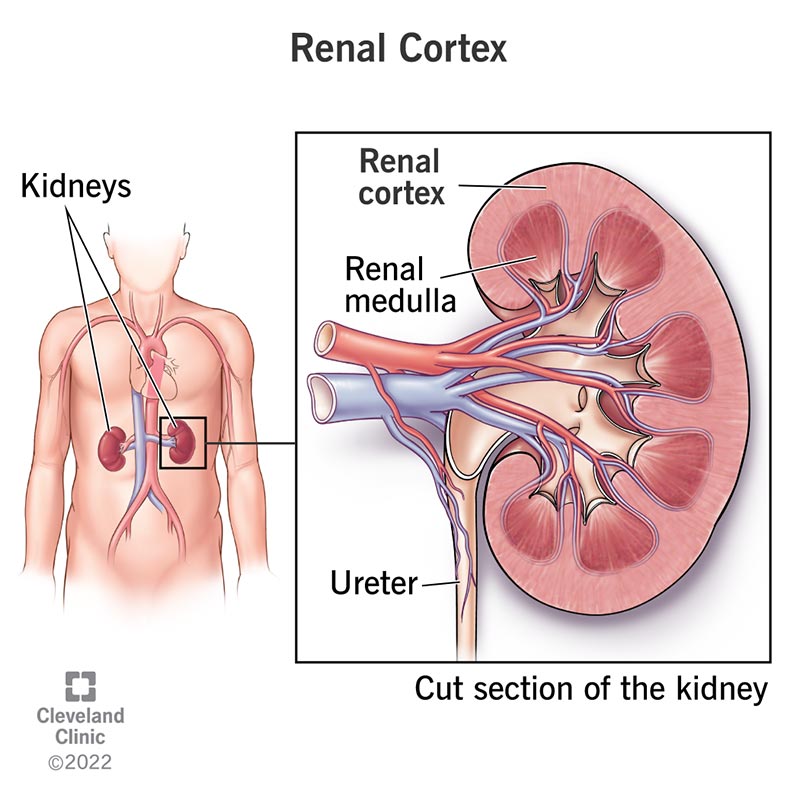
kidney
noun
One of a pair of organs in the abdomen. The kidneys remove waste and extra water from the blood (as urine) and help keep chemicals (such as sodium, potassium, and calcium) balanced in the body.
Example: His kidneys are failing and his brain is damaged.
fr: rein
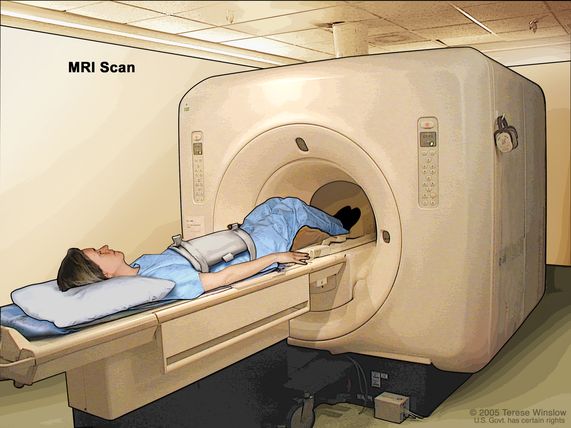
Magnetic Resonance Imaging
noun
A noninvasive diagnostic technique that produces computerized images of internal body tissues and is based on nuclear magnetic resonance of atoms within the body induced by the application of radio waves.
Example: An MRI (Magnetic Resonance Imaging) done just days earlier revealed a tumor in his left knee.
fr: Imagerie par résonance magnétique
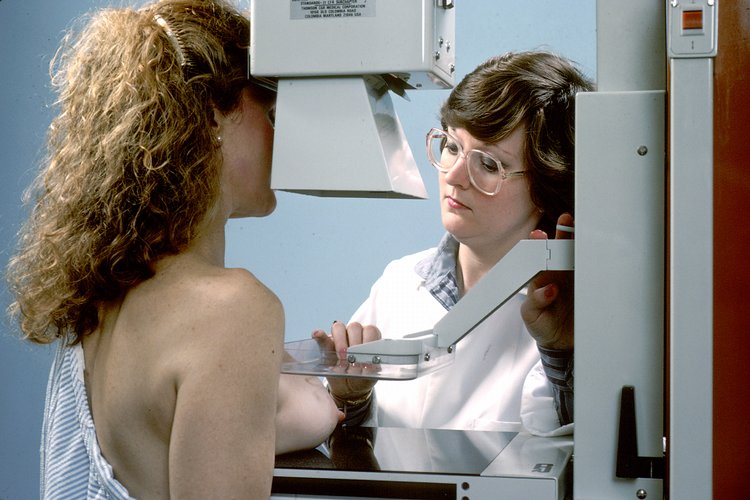
mammography
noun
An x-ray imaging method used to examine the breast for the early detection of cancer and other breast diseases. It is used as both a diagnostic and screening tool.
Example: Breast cancer risk increases with age, and the benefits of mammography are greatest for women in their 60s.
fr: mammographie
pathology
noun
The science of the causes and effects of diseases, especially the branch of medicine that deals with the laboratory examination of samples of body tissue for diagnostic or forensic purposes.
Example: A new generation of drugs that will alter the actual pathology of the disease is around the corner.
fr: pathologie
patient
noun
A person receiving or registered to receive medical treatment.
Example: Many patients in the hospital were more ill than she was.
fr: patient
physiology
noun
The branch of biology that deals with the normal functions of living organisms and their parts.
Example: I spent my two years studying anatomy, physiology and pathology.
fr: physiologie
radiation protection
noun
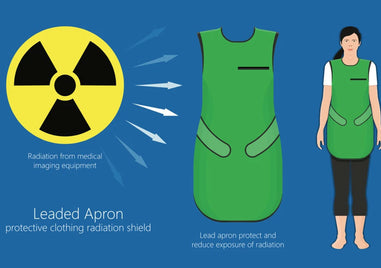
It aims to reduce unnecessary radiation exposure with a goal to minimize the harmful effects of ionizing radiation. In the medical field, ionizing radiation has become an inescapable tool used for the diagnosis and treatment of a variety of medical conditions.
Example: Wearing lead aprons is a good way of radiation protection.
fr: radioprotection
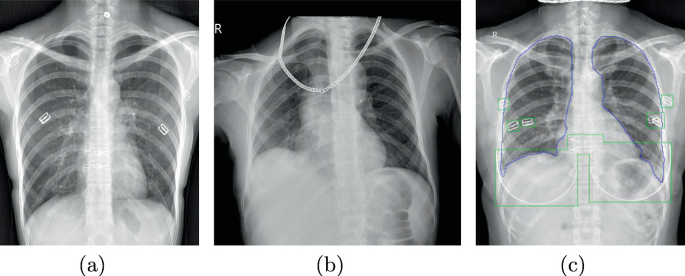
radiography
noun
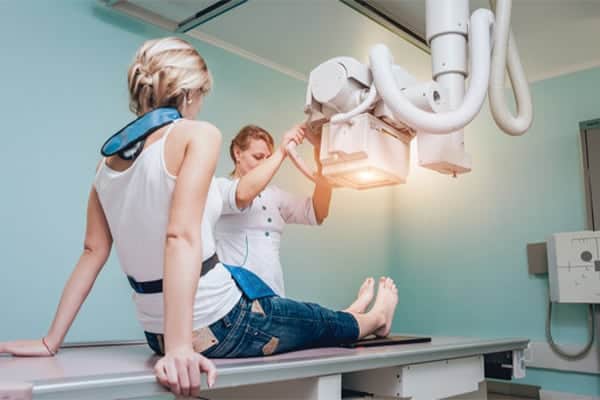
A procedure that uses a type of high-energy radiation called x-rays to take pictures of areas inside the body. X-rays pass through the body onto film or a computer, where the pictures are made.
Example: The wound was infected, and radiography was indicated for diagnosis.
fr: radiographie
technologist
noun
A medical professional who is specially trained in using diagnostic imaging equipment.
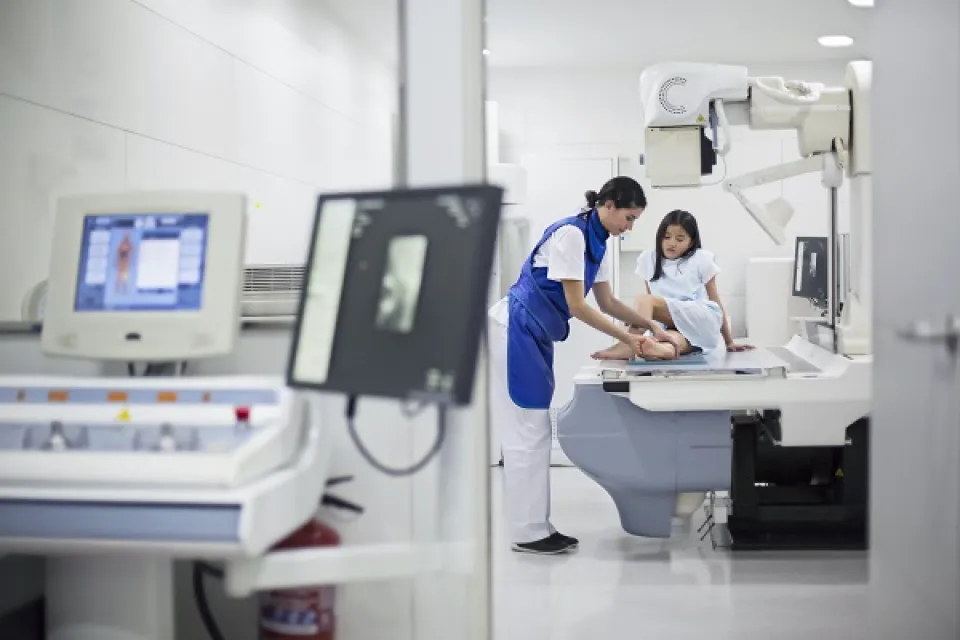
Example: The x ray technologist positions the patient appropriately, so that the part of the body to be x rayed will be between the x-ray beam and the film plate.
fr: technologue
vein
noun
Any of the tubes forming part of the blood circulation system of the body, carrying in most cases oxygen-depleted blood toward the heart.
Example: His arm was spurting blood where the vein had been severed.