My name is Cathy and I have been studying psychology for three semesters. This glossary is for the people who are interested in learning new words related to psychology. There's a lot of complex and confusing vocabulary related to my field of study so this glossary will help solve those lack of understanding. It contains 20 terms and their definitions in sentence case from Google Search using "define" + the term, text-to-speech pronunciation models, images from Wikimedia Commons, automatic translations to French, and authentic example sentences from the Lextutor Concordancer. I used the field of study glossaries in the Actively Engaged Online textbook to help me choose relevant words related to psychology.
analyze
verb
Examine methodically and in detail the constitution or structure of (something, especially information), typically for purposes of explanation and interpretation.
Example: It is the work of physicists, chemists, meteorologists, biologists, agronomists and ecologists, to ANALYZE information that tells us what problems we are heading for and how serious these problems are.
en: analyser
anxiety
noun
A feeling of worry, nervousness, or unease, typically about an imminent event or something with an uncertain outcome.
Example: I decided to focus on time management and prioritization as tools to overcome my ANXIETY.
en: anxiété
assimilation
noun
The process of taking in and fully understanding information or ideas.
Example: If education can inhibit the development of ethnocentric values, and prejudice against those that appear different, and in turn enhance ASSIMILATION and multicultural values; than the onset of extreme prejudice can be reduced.
en: assimilation
behavior
noun
The way in which one acts or conducts oneself, especially toward others.
Example: Some researches suggested that 'stress induced by increased task demands decreases interpersonal sensitivity and helping BEHAVIOR' (Podsakoff et al., 1990: 136).
en: comportement
child development
noun
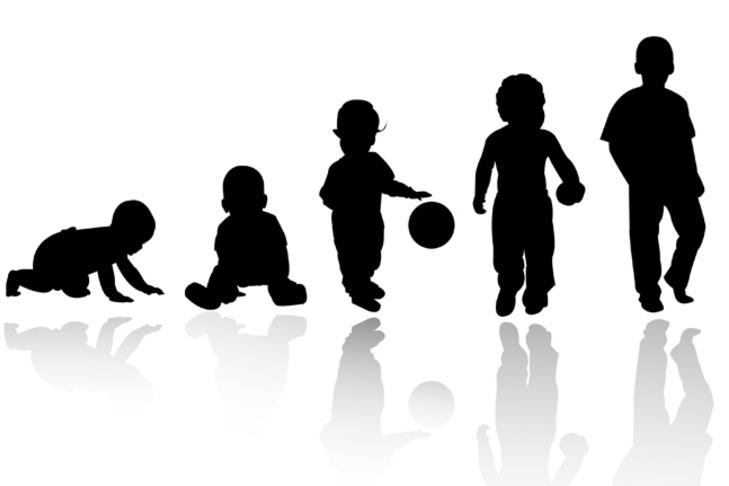
Child development can be defined as the process by which a child changes over time.
Example: The ability to comprehend the minds of people around you is imperative for CHILD DEVELOPMENT: it not only aids communication and interaction but it also influences the person the child eventually becomes.
en: développement de l'enfant
cognition
noun
The mental action or process of acquiring knowledge and understanding through thought, experience, and the senses.
Example: Brown and Witherspoon (2002), examined the effects of television violence on adolescent COGNITION, and identified a model of adolescent media practice.
en: cognition
coping mechanism
noun
Coping mechanisms are the strategies people often use in the face of stress and/or trauma to help manage painful or difficult emotions.
Example: There is thus a theoretical paradox in trying to decide on the direction of causality in this relationship; substance use may itself be construed as a COPING MECHANISM, but may also be a product of deficits in other coping mechanisms (McKee, Hinson, Wall & Spriel, 1996).
en: mécanisme d'adaptation
flooding therapy
noun
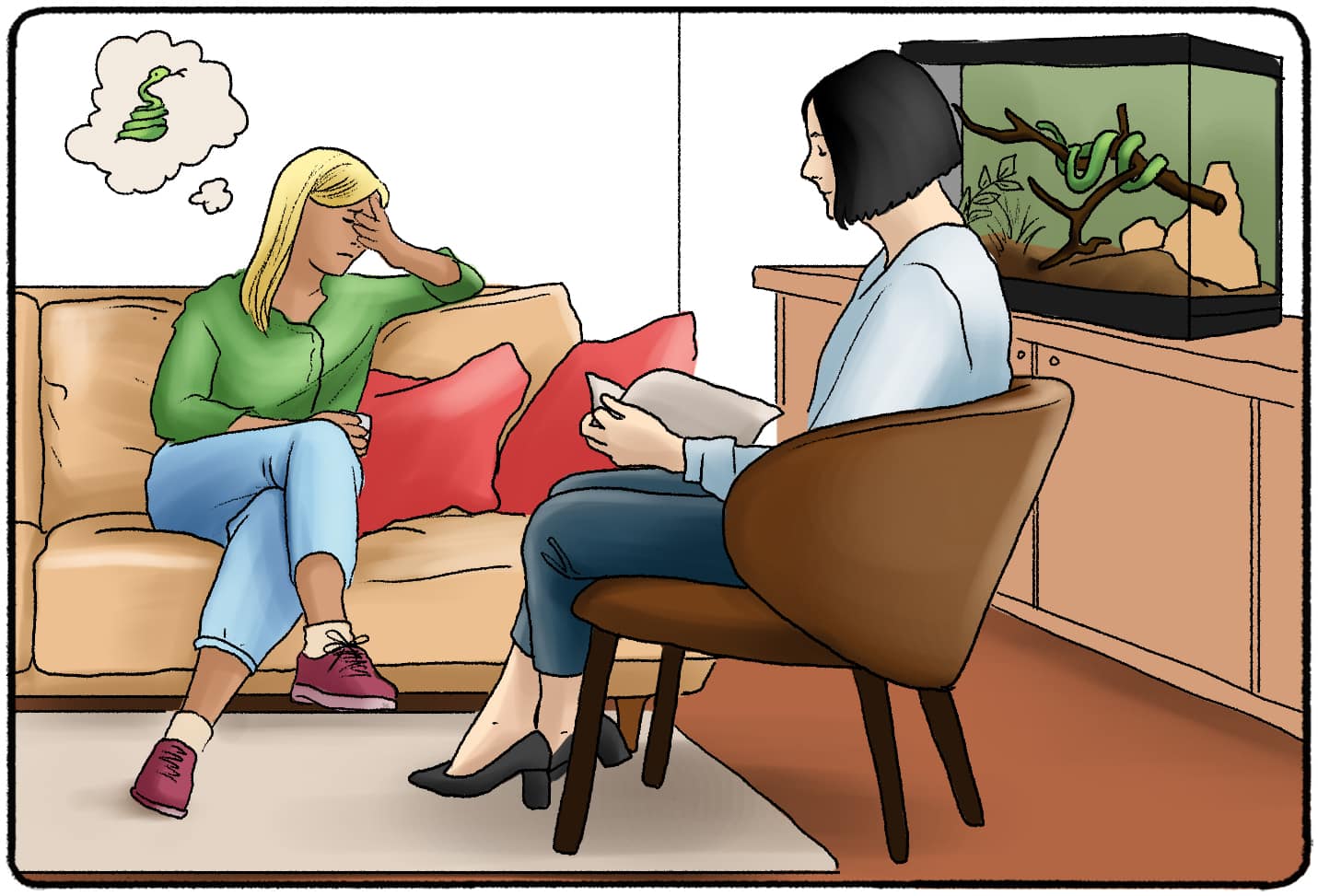
An intensive type of exposure therapy in which you must face your fear at a maximum level of intensity for an extended amount of time.
Example: Often this type of therapy is integrated with behavioural therapy, which emphasises eliminating unwanted behaviours, which have been learnt through classical and operant conditioning, through such techniques as systematic desensitisation and FLOODING.
en: thérapie d'exposition in vivo
halo effect
noun
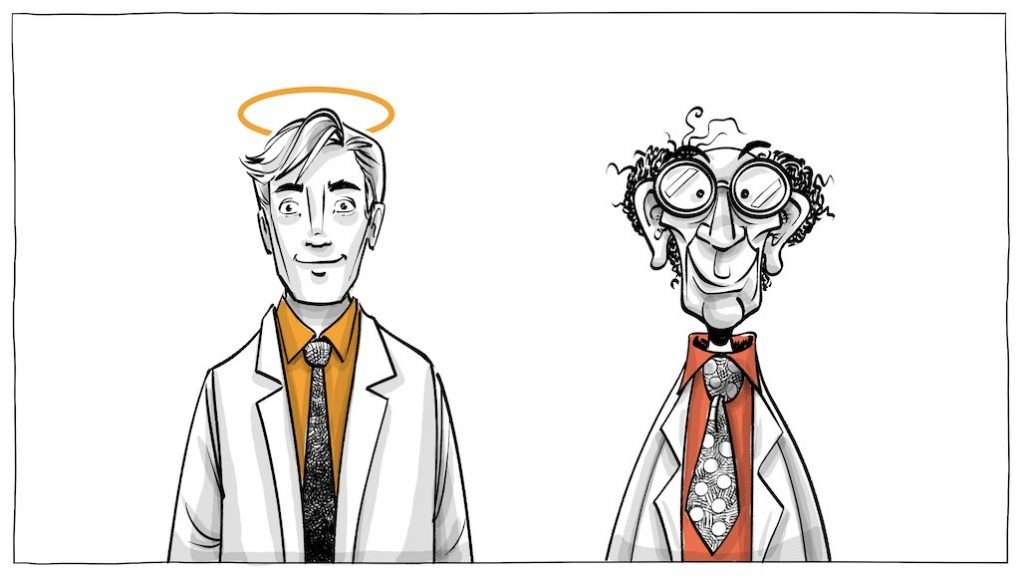
The tendency for an impression created in one area to influence opinion in another area.
Example: The 'HALO EFFECT' suggests that we form our total impression of a person from this one outstanding trait.
en: effet de halo
illness
noun
A disease or period of sickness affecting the body or mind.
Example: Looking back at the client's early history, we could investigate whether the ambient stress of growing up in what was probably a high Expressed Emotion family increased his vulnerability to ILLNESS, or indeed caused him to develop ineffective coping strategies.
en: maladie
mental health
noun
A person’s condition with regard to their psychological and emotional well-being.
Example: Psychosocial interventions, also known as "talking therapies" (Gamble & Curthoys 2004) consist of a number of ways of working with a client to maintain or improve their MENTAL HEALTH by promoting social skills.
en: santé mentale
mental illness
noun
Mental illnesses are characterized by alterations in thinking, mood or behaviour associated with significant distress and impaired functioning.
Example: Researchers selected 'regular gambler' but did not exclude other MENTAL ILLNESS, especially emotion disease.
en: maladie mentale
neurotic
adjective
Having, caused by, or relating to neurosis.
Example: Freud started Wolf-Man's psychoanalysis by taking his emotional history, from what he found Freud believed he could shed light on Wolf-Man's current NEUROTIC state.
en: névrosé(e)
paranoia
noun
A mental condition characterized by delusions of persecution, unwarranted jealousy, or exaggerated self-importance, typically elaborated into an organized system.
Example: Once Alzheimer's disrupts the brain's emotional centre, a person may display surprising behaviours such as apathy, PARANOIA, emotional outbursts and inappropriate sexual advances.
en: paranoïa
placebo
noun
A harmless pill, medicine, or procedure prescribed more for the psychological benefit to the patient than for any physiological effect.
Example: The review found that chlorpromazine caused more adverse effects, such as sedation, acute dystonia, and parkinsonism than a PLACEBO.
en: placebo
reinforcement
noun
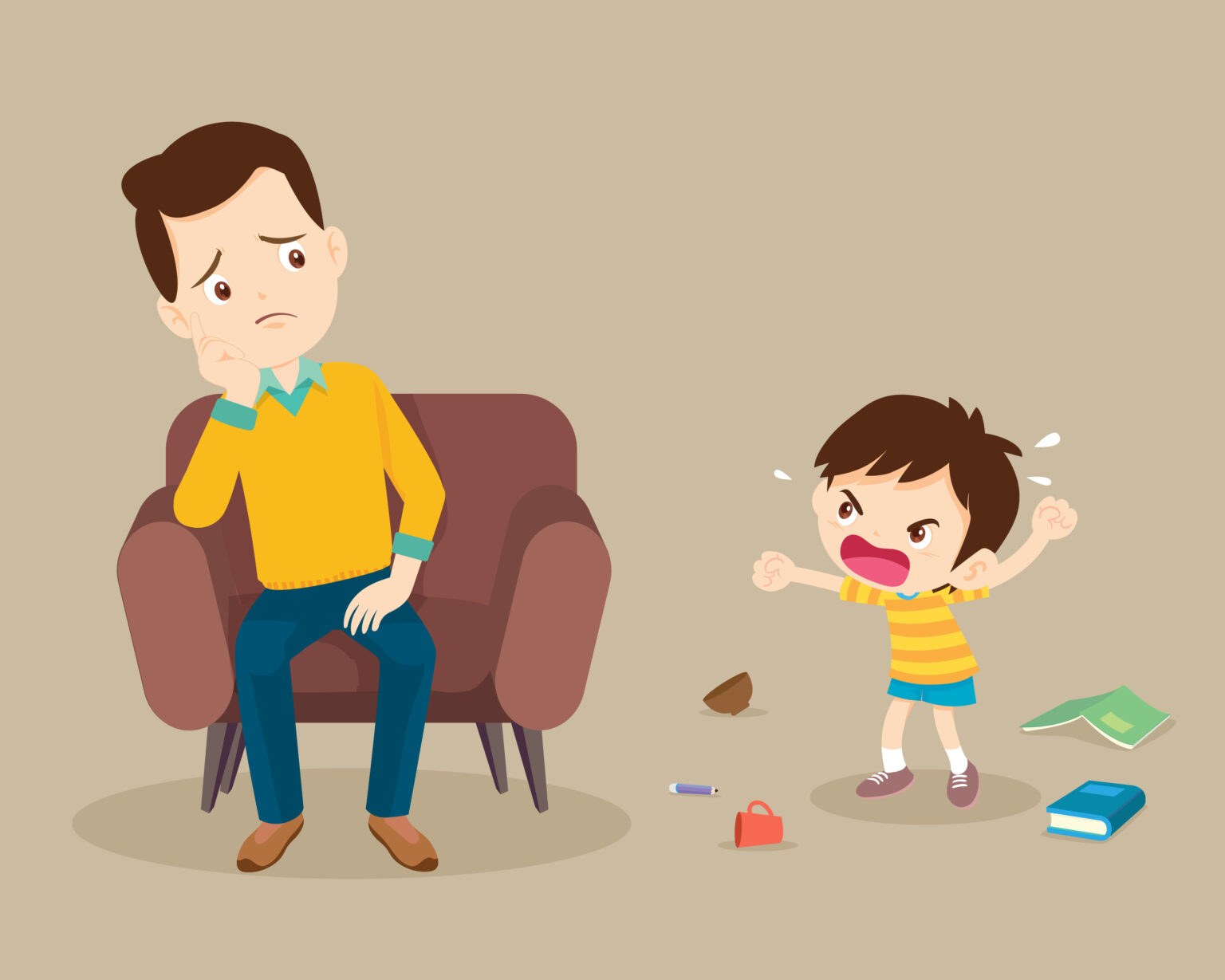
The process of encouraging or establishing a belief or pattern of behavior, especially by encouragement or reward.
Example: Classical conditioning predicts the aversive event that will follow a certain behavior and operant conditioning "teaches" through negative REINFORCEMENT, how to prevent the event from occurring.
en: renforcement
schizophrenia
noun
A serious mental condition of a type involving a breakdown in the relation between thought, emotion, and behavior, leading to faulty perception, inappropriate actions and feelings, withdrawal from reality and personal relationships into fantasy and delusion, and a sense of mental fragmentation.
Example: There has been links made between children who were unpopular at school and a later development of SCHIZOPHRENIA.
en: schizophrénie
social identity
noun
Social identity refers to people's self-categorizations in relation to their group memberships.
Example: Differentiation of this nature can have deindividuating effects, as individual members of outgroups are increasingly perceived as a homogenous group, thus causing some individuals to feel a loss of SOCIAL IDENTITY, which may result in antisocial behavioural acts, (Hogg & Vaughn, 2002).
en: identité sociale
therapy
noun
The treatment of mental conditions by verbal communication and interaction.
Example: Interventions appropriate to meet Michelle's needs: The main treatment for anorexia nervosa is psychological, including cognitive behavioural THERAPY, family THERAPY and counselling.
en: thérapie
unconscious mind
noun
The part of the mind which is inaccessible to the conscious mind but which affects behavior and emotions.
Example: In doing this he would bring the issues of father fear, castration anxiety and the wish for sexual gratification by his father from his UNCONSCIOUS MIND in to his conscious, allowing him to be no longer influenced by these internal processes.








:max_bytes(150000):strip_icc()/what-is-positive-reinforcement-2795412-5b4e2ffec9e77c003ec7cc63.png)



:max_bytes(150000):strip_icc()/2795946-the-conscious-and-unconscious-mind-5b180a1c303713003637fa48.png)