My name is Livia Bouffard. I am studying in Special Care Counselling for 5 semesters. My glossary will be for Special Care Counselling students or Special Care Counselling workers. My topic is terms use as Special Care Counselling. Those terms are profession jargon. Definite these will help Special Care Counselling workers refresh their learning. Also, help Special Care Counselling students comprehension of those. 20 terms will be concerns in this glossary. I find these words on my school books and find their definitions on Wordreference.com. Finally, the objective of this glossary is to help them with the comprehension of these terms and to refresh them of these. I would like my reader to tell me their opinion about my glossary.
abuse
verb
Treat (a person or an animal) with cruelty or violence, especially regularly or repeatedly.
Example: He ABUSED his wife for many years before she went to the police.
fr: abuser
adaptation
noun
The action or process of adapting or being adapted ; adjustment.
Example: The animal's ADAPTATION to its environment is indispensable.
fr: adaptation
addiction
noun
Dependent of something or stimulus.
Example: Teenage ADDICTION to smoking is worrying.
fr: addiction
anomaly
noun
A difference or change from the common type, rule, arrangement, or form; irregularity; abnormality.
Example: There is an ANOMALY in Maria’s relationships.
fr: anomalie
assist
verb
To give support or aid (to); help.
Example: We ASSIST people in their decision.
fr: accompagner
atypical
adjective
Not typical: irregular, unusual.
Example: Laurence has an ATYPICAL behavior.
fr: atypique
autonomy
noun
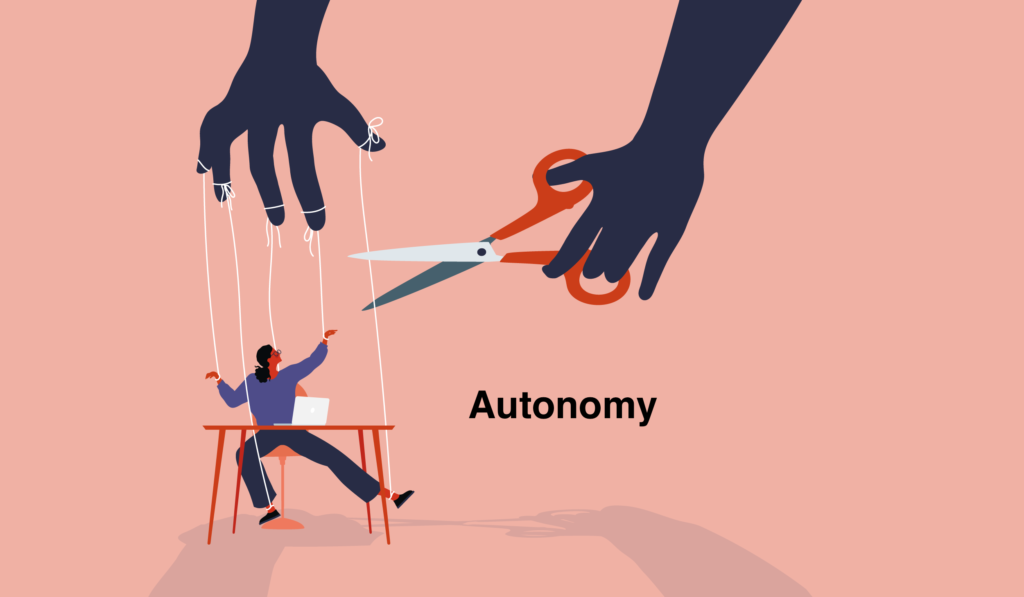
Personal: independence.
Example: Because of her handicap she has little personal AUTONOMY.
fr: autonomie
balance
noun
Person: ability to stay upright.
Example: Yoga has given me BALANCE.
fr: équilibre
collaboration
noun
The act or process of collaborating.
Example: Special Care Counselling are in COLLABORATION with other professional.
fr: collaboration
comorbidity
noun
Coexistent medicals condition.
Example: Diabetes is a disease with a high COMORBIDITY: it is common for other diseases to be associated with it.
fr: comorbidité
detection
noun
The act of detecting; discovery.
Example: DETECTION of mental illness is vital.
fr: détection
diagnostic
noun
Of a disease: Identification.
Example: Milan’s DIAGNOSTIC is probably autism.
fr: diagnostique
difficulty
noun
The fact or condition of being difficult.
Example: He still has DIFFICULTY spelling the word scissors correctly.
fr: difficulté
disorder
noun
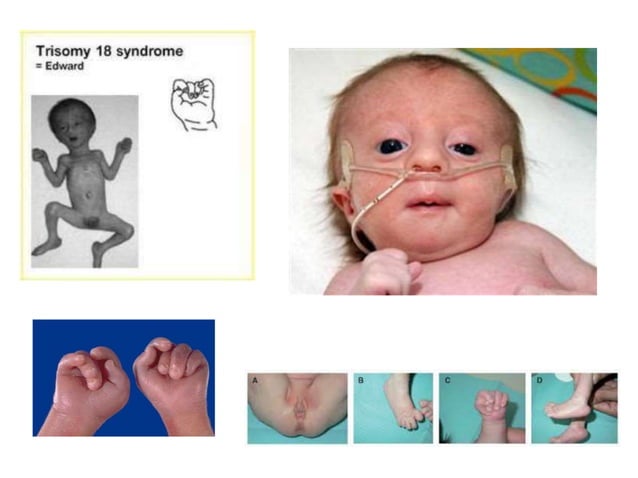
A disturbance in health or mental health.
Example: The patient has cognitive DISORDER.
fr: trouble
insertion
noun
Integration of individuals into a group or social milieu different from their own.
Example: The social INSERTION of immigrants is sometimes problematic.
fr: insertion
intervention
noun
The action or process of intervening.
Example: Seth's family decided that an INTERVENTION was the only way to discourage him from using drugs.
fr: intervention
prevention
noun
A set of measures organized to prevent certain risks.
Example: There are many campaigns focusing on the PREVENTION of road accidents.
fr: prévention
psychopathology
noun
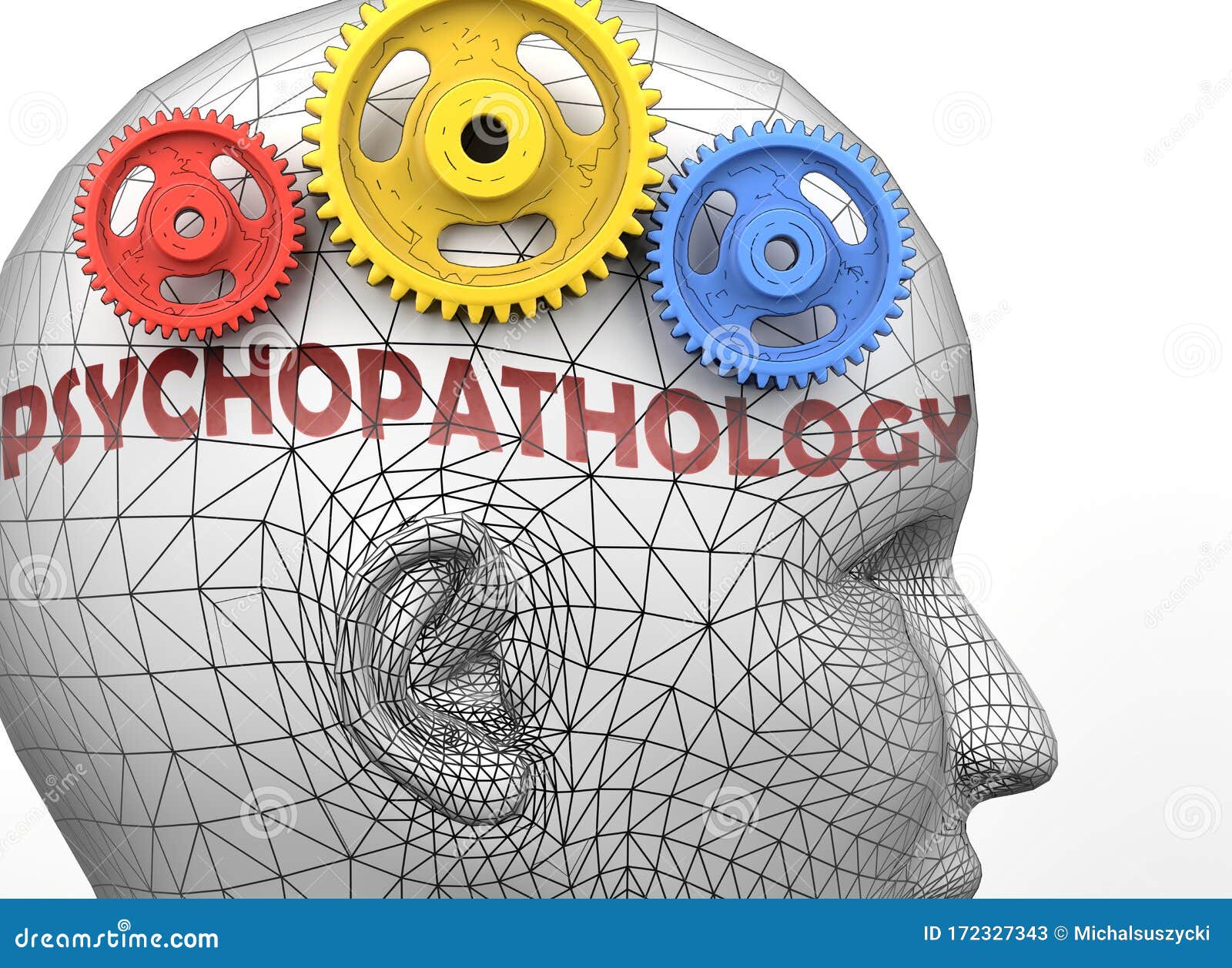
Is the act of identifying and categorizing symptoms of mental disorders to provide better services and care to social work clients.
Example: John’s PSYCHOPATHOLOGY was evident in his inability to feel empathy for others.
fr: psychopathologie
regulate
verb
The act of settling in accordance with a standard.
Example: Mary is in an emotional crisis, my intervention is to REGULATE her emotions.
fr: réguler
vulnerability
noun
Capable of being or easily being wounded or hurt physically or emotionally.
Example: We are paying close attention to the VULNERABILITY state of his mental health.