20 This glossary is all about some words that are quite useful to know in the paramedics world. terms
My name is Julien, and it is my second year in the Prehospital Emergency Care program from Ahuntsic College. In this glossary, I will list
and explain some words that were new to me when I have started in this field of study. I hope it will help you to learn something new about the great world of paramedics or medicine in general.
ACIDOSIS
Noun
An acidosis is an excessively acid condition of the body fluids or tissues.
Example: It can be a respiratory acidosis or metabolic acidosis.
fr: Acidose
ALKALOSIS
Noun
An alkalosis is an excessively alkaline condition of the body fluids or tissues that may cause weakness or cramps.
Example: Alkalosis is a disorder of acid-base balance.
fr: Alcalose
ANISOCORIA
Noun
An anisocoria is a condition characterized by an unequal size of the eye's pupils. Affecting 20% of the population, it can, be an entirely harmless condition or a symptom of more serious medical problem.
Example: Many diseases are accompanied by anisocoria due to iris dysfunction or neurological dysfunction.
fr: Anisocorie
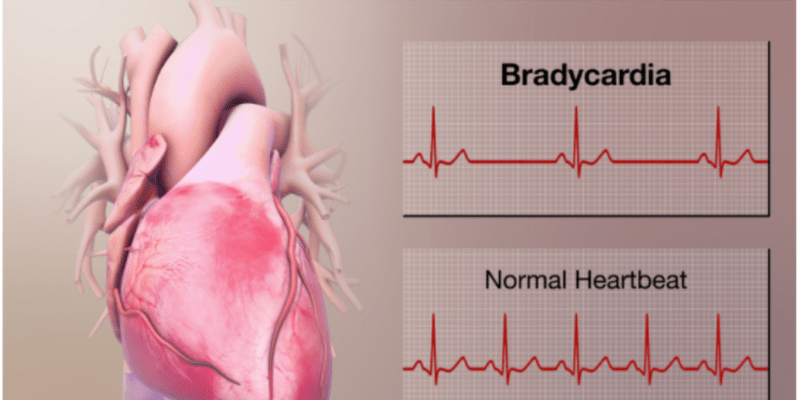
BRADYCARDIA
Noun
A bradycardia is to have a slowing of the heart rate to less than 50 beats per minute.
Example: The heart beats at 46 per minute, I am pretty sure he is in bradycardia.
fr: Bradycardie
BRADYPNEA
Noun
A bradypnea is an abnormally slow breathing rate. The rate at which bradypnea is diagnosed depends upon the age of the patient.
Example: Bradypnea can occur during sleep or when you are awake.
fr: Bradypnée
CORTICOSTEROID
Noun
Any of a group of steroid hormones produced in the adrenal cortex or made synthetically. There are two kinds : glucocorticoids and mineralocorticoids. They have various metabolic functions and some are used to treat inflammation.
Example: Isoflupredon is a corticosteroid, which has a close relative used in veterinary medicine.
fr: Corticostéroïde
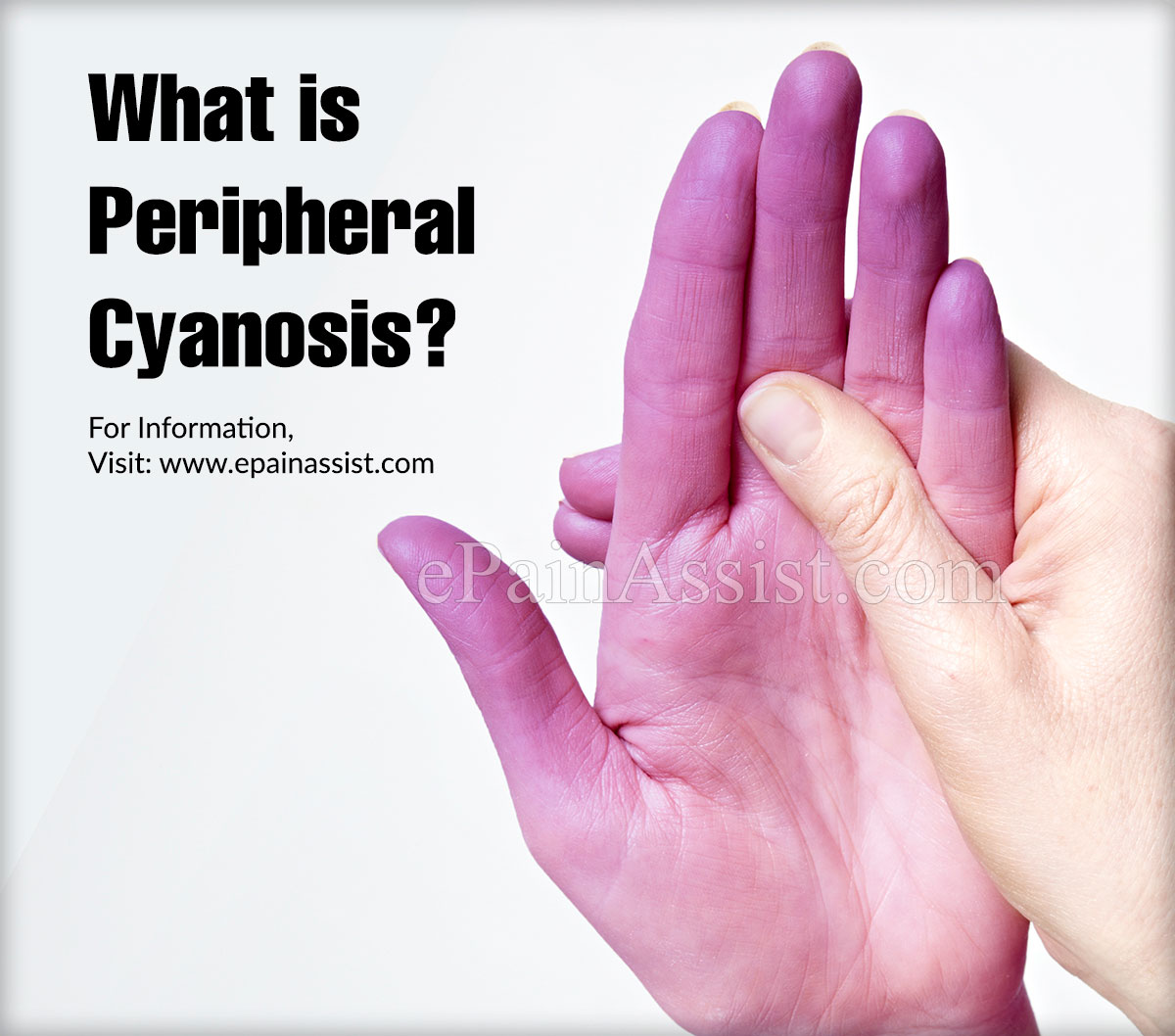
CYANOSIS
Noun
A cyanosis is a bluish discoloration of the skin resulting from poor circulation or inadequate oxygenation of the blood.
Example: He has got a cyanosis around his mouth, we need to make him breath fast!
fr: Cyanose
DIAPHORESIS
Noun
A diaphoresis is to sweat to an unusual degree as a symptom of disease or side effect of a drug.
Example: Her shirt is so humid, it is for sure a diaphoresis, otherwise it should not be so bad.
fr: Diaphorèse
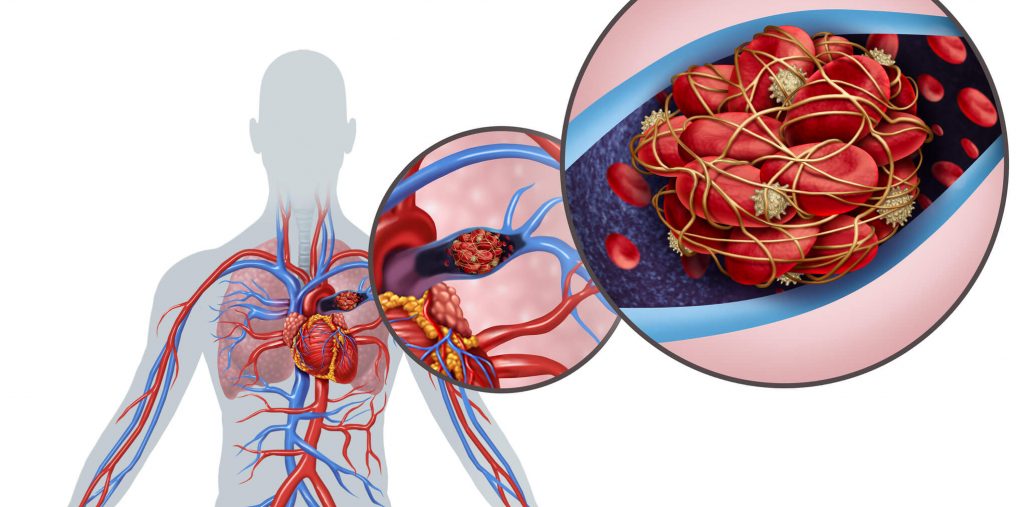
EMBOLISM
Noun
An embolism is an obstruction of an artery, typically by a clot of blood or an air bubble.
Example: The combination of thrombolysis and heparin may reduce mortality in the case of shock associated with massive pulmonary embolism.
fr: Embolie
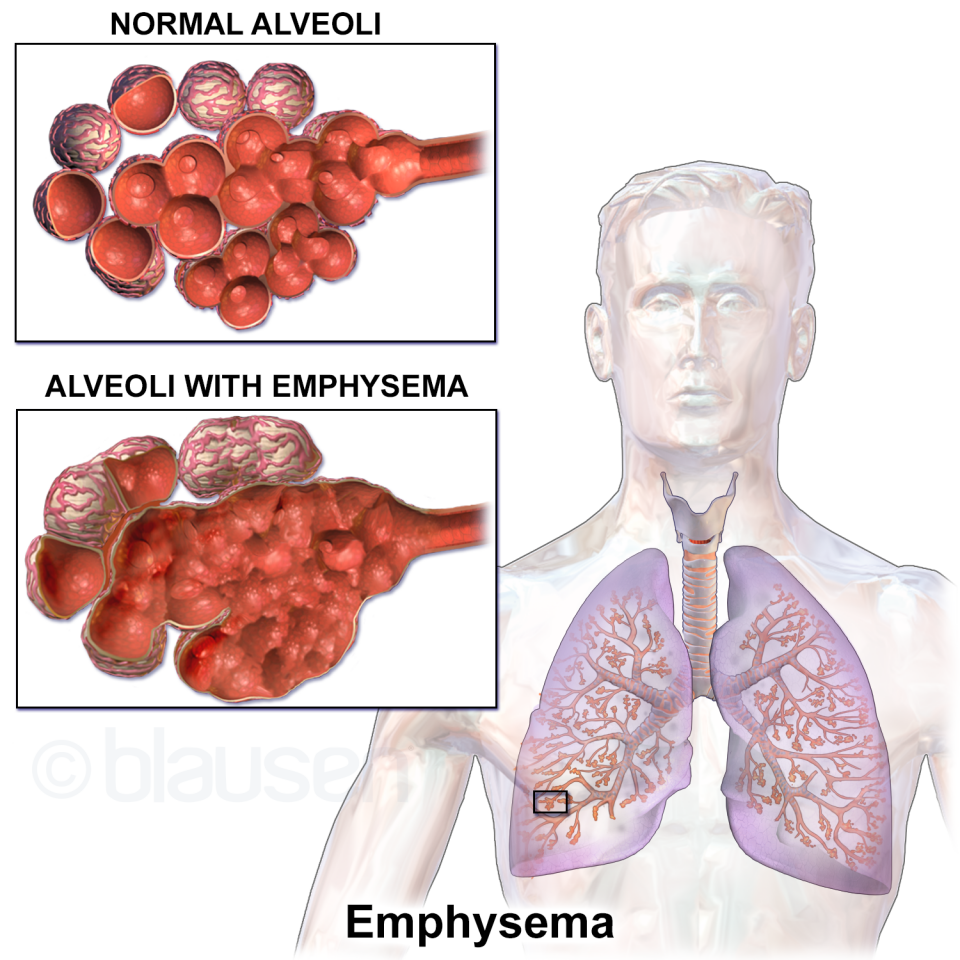
EMPHYSEMA
Noun
Emphysema is a condition in which the air sacs of the lungs are damaged and enlarged, causing breathlessness.
Example: Mr. Giorgi was also diagnosed with emphysema four years ago.
fr: Emphysème
FIBRILLATION
Noun
A fibrillation is muscular twitching involving individual muscle fibers acting without coordination.
Example: Cardiac thrombi can occur due to atrial fibrillation which often occurs secondary to valvular heart disease.
fr: Fibrillation
GLASGOW COMA SCALE
Noun
A Glasgow coma scale is a neurological scale that aims to give a reliable, objective way of recording the conscious state of a person for initial as well as subsequent assessment.
Example: We will do a Glasgow coma scale to make sure that he is fully with us and that his brain is not affected by the incident.
fr: Test de Glasgow
HYPOXIA
Noun
Deficiency in the amount of oxygen reaching the tissues.
Example: Many types of hypoxia can occur but a really dangerous one is a cerebral hypoxia, which can lead to the lost of some capacities.
fr: Hypoxie
MIOSIS
Noun
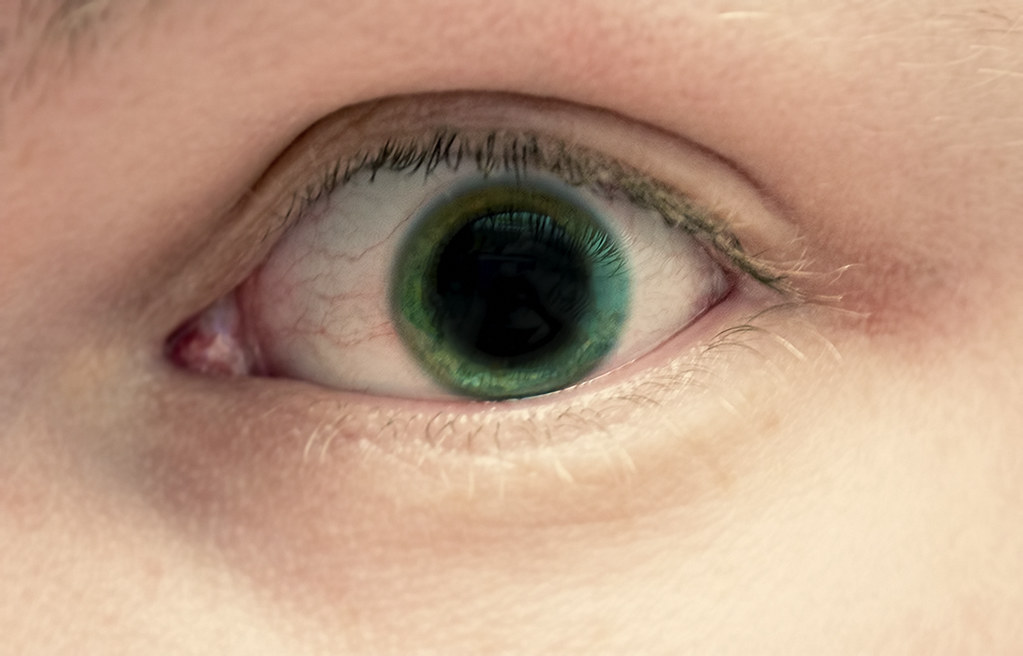
A miosis is an excessive constriction of the pupil of the eye.
Example: It really is something impressing and interesting to see a miosis, but often, it is a sign of some neurological problem.
fr: Myosis
MYDRIASIS
Noun
A mydriasis is a dilatation of the pupil of the eye.
Example: It is possible to observe a mydriasis when the eyes are adapting to a darker room.
fr: Mydriase
ORTHOPNEA
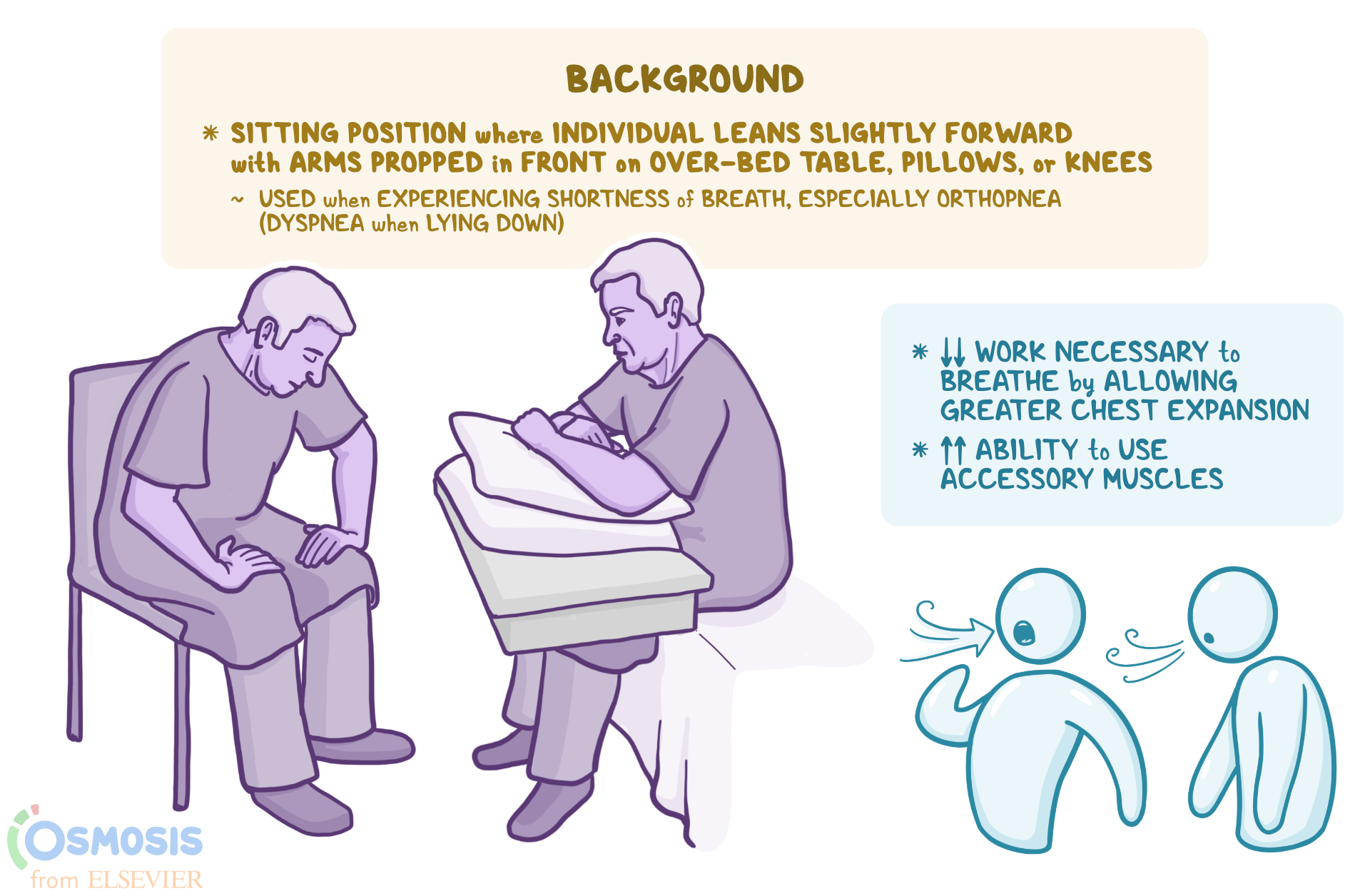
Noun
An orthopnea is a form of dyspnea in which the person can breathe comfortably only when standing or sitting erect; associated with asthma and emphysema and angina pectoris.
Example: For a patient living with orthopnea is can be difficult to simply sleep and laying down.
fr: Orthopnée
PNEUMOTHORAX
Noun
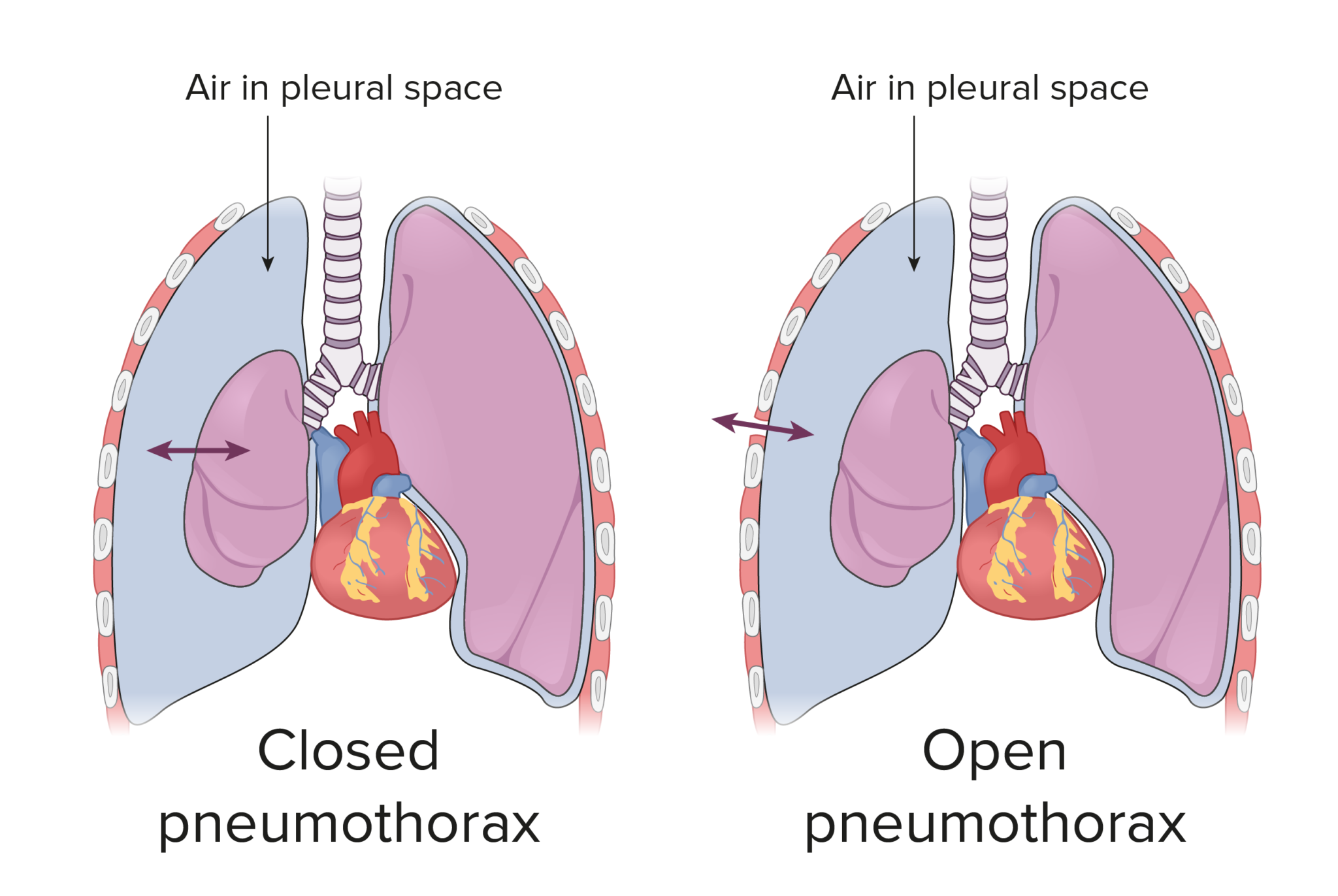
A pneumothorax is the presence of air or gas in the cavity between the lungs and the chest wall, causing collapse of the lung.
Example: A pneumothorax can occur spontaneously or as a result of trauma.
fr: Pneumothorax
SYNCOPE
Noun
A syncope is a temporary loss of consciousness caused by a fall in blood pressure.
Example: The consequent fall in circulatory volume results in hypovolaemia and hypotension often manifesting in dizziness and syncope.
fr: Syncope
TACHYCARDIA
Noun
A tachycardia is an abnormally rapid heart rate.
Example: Tachycardia presents as the heart works harder to compensate for lost volume.
fr: Tachycardie
TACHYPNEA
Noun
A tachypnea is an abnormally rapid breathing.
Example: Tachypnea is normally a sign that the body is working hard against a disease or a trauma, so it is really important to take care of the patient as fast as possible.