Here is a glossary about emergency care. I made it to show you some uncommon words that you'll probably never use in your life, but that paramedics and medical staff will a lot.
airway
noun
The passage by which air reaches a person’s lungs.
Example: It is important to open the airway to allow air to pass to the lungs and prevent hypoxia.
fr: voies respiratoires
anisocoria
noun
A condition characterized by an unequal size of the eye’s pupils. Affecting 20% of the population, it can be an entirely harmless condition or a symptom of more serious medical problems.
Example: This person presents a difference between both of her pupils. One seems bigger than the other one. This is probably due to a hematoma in her brain who makes a pressure on her nerve.
fr: anisocorie
bradycardic
noun
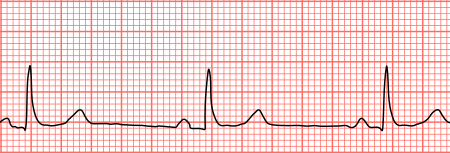
A slowing of the heart rate to less than 50 beats per minute.
Example: This patient is unstable because he has bradycardia and this condition can provoke blood pressure to crash and cause shock.
fr: bradycardie
cerebral vascular accident
noun
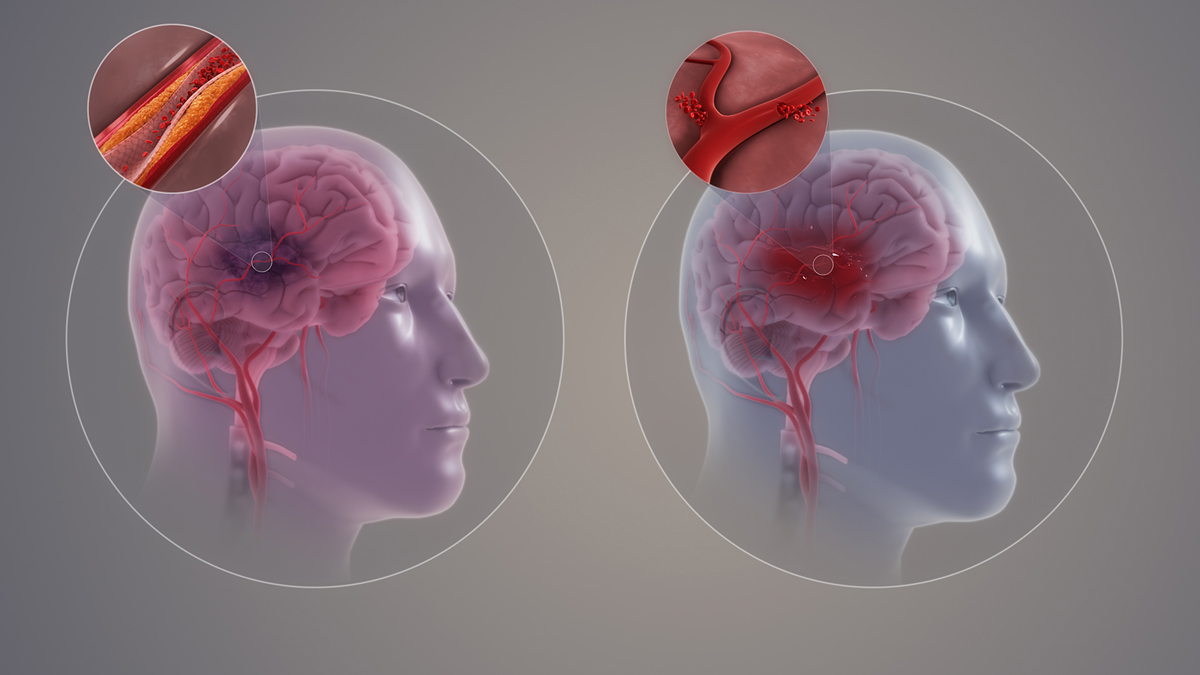
A stroke, sometimes referred to as a cerebrovascular accident, is the rapid loss of brain function due to disturbance in the blood supply to the brain. This can be due to ischemia caused by blockage, or a hemorrhage.
Example: There are 3 typical signs for a cerebral vascular accident. One of them is the incapacity or difficulty to speech, the second is a loss of the motility and the third is facing asymmetry.
fr: accident vasculaire cérébral (AVC)
cyanosis
noun
A bluish discoloration of the skin resulting from poor circulation or inadequate oxygenation of the blood.
Example: It's been few minutes since this person misses air, her skin color is turning blue causes by the hypoxia.
fr: cyanose
defibrillator
noun
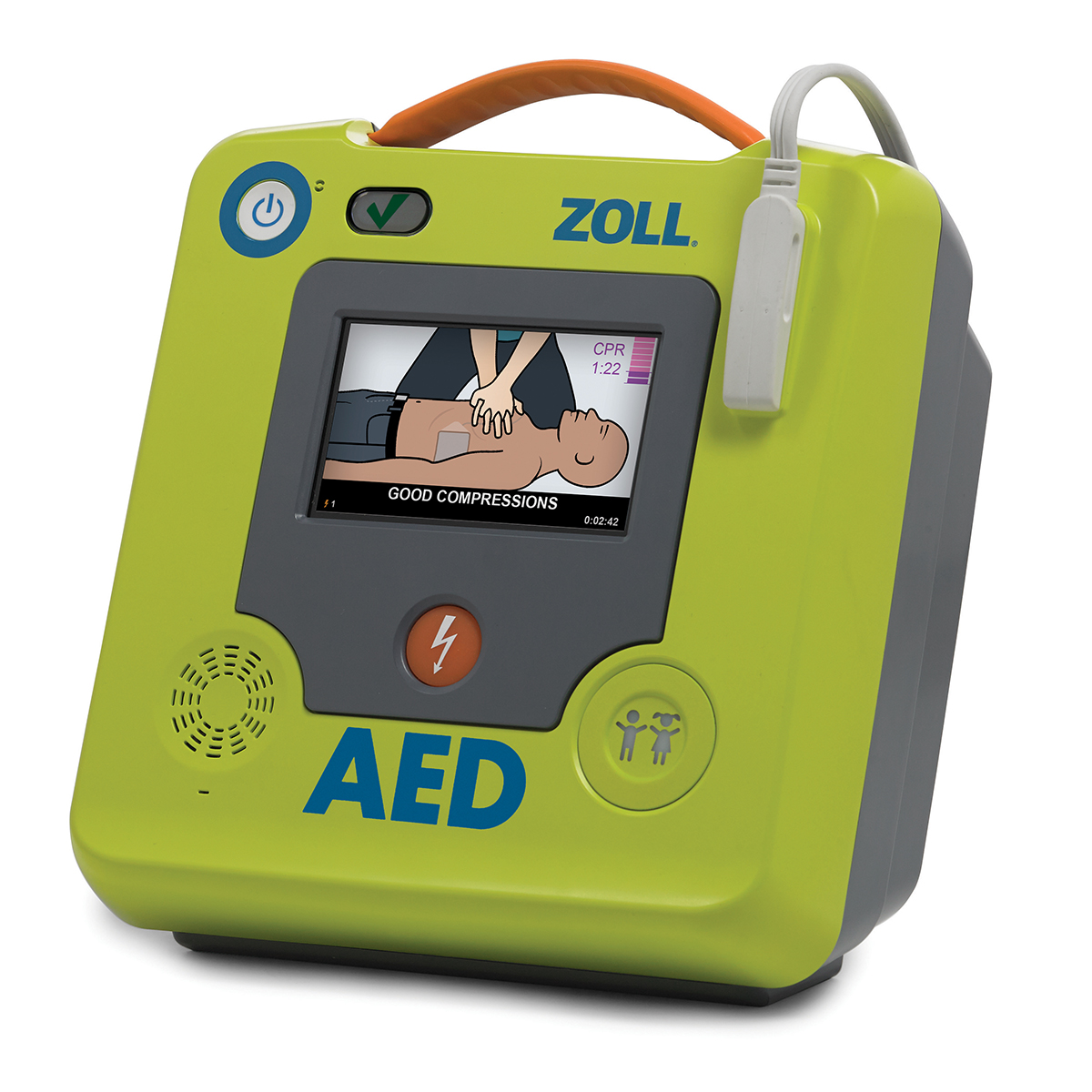
An apparatus used to control heart fibrillation by application of an electric current to the chest wall or heart.
Example: The electricity of the heart is unstable and no longer provides the blood supply to the organs. It needs a defibrillator to stop the heart and hope that it will restart correctly.
fr: défibrillateur
edema
noun
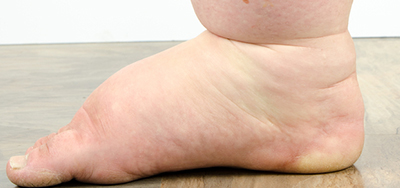
A condition characterized by an excess of watery fluid collecting in the cavities or tissues of the body.
Example: Edema is caused by inflammation. The liquid goes to the infected or traumatized zones by taking away immune cells to prevent infection.
fr: œdème
epinephrine
noun
The commercial form of a hormone secreted by the adrenal medulla upon stimulation by the central nervous system in response to stress. It is used chiefly as a heart stimulant, to constrict the blood vessels, and to relax the bronchi in asthma.
Example: This person has an anaphylactic shock, and it needs epinephrine to reduce the inflammatory reaction and calm the signs and symptoms.
fr: épinéphrine
fontanel
noun
A space between the bones of the skull in an infant or fetus, where ossification is not complete and the sutures not fully formed. The main one is between the frontal and parietal bones.
Example: During the labor, fontanels help the baby to pass through the pelvis because the head bones are not completely formed.
fr: fontanelle
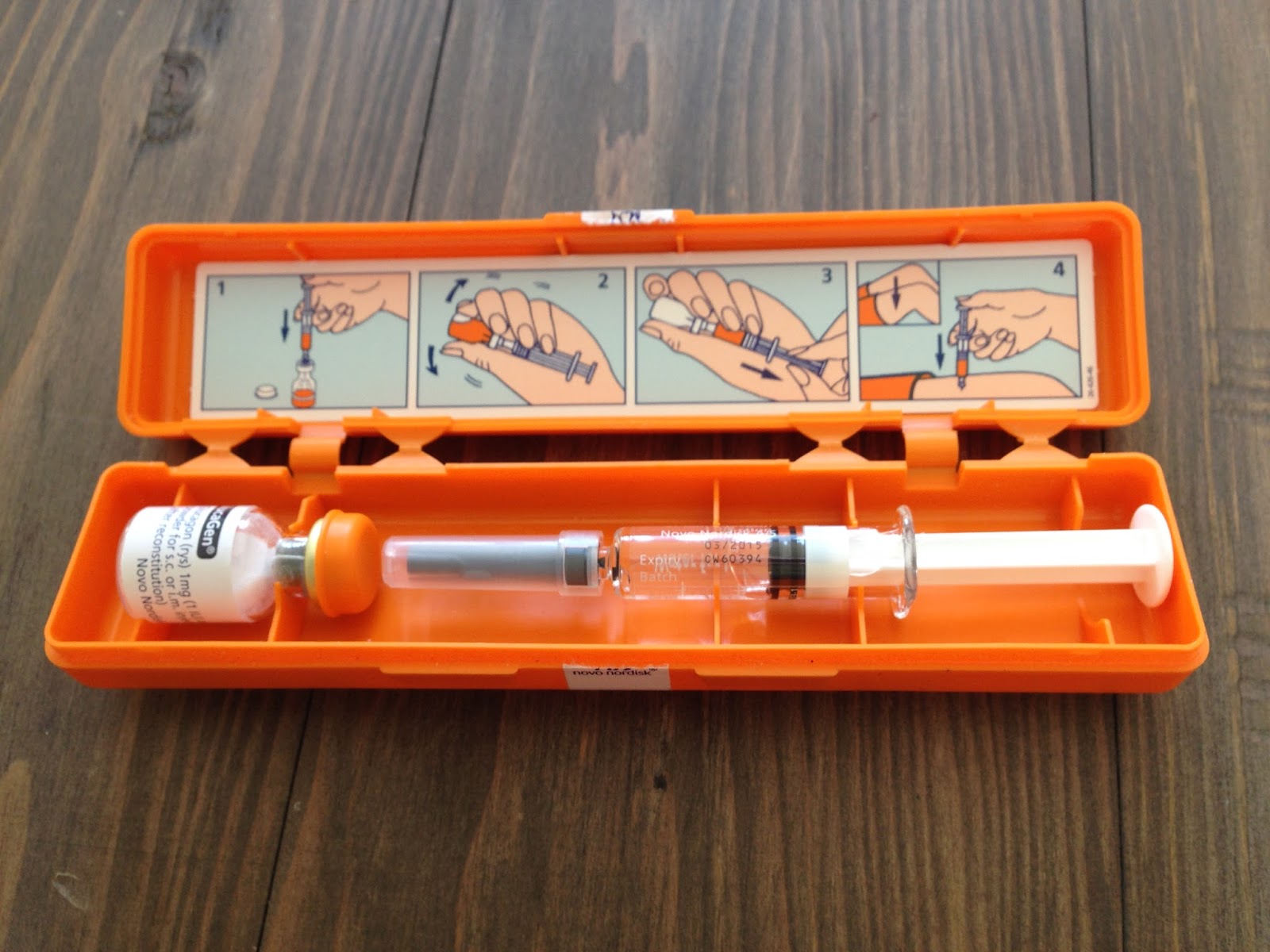
glucagon
noun
A hormone produced in the pancreas when glucose in the blood is low. It helps the body raise glucose levels.
Example: The glucagon is used to take glucose reserves stocked in the liver and ad it into the blood circulation to nourish cells.
fr: glucagon
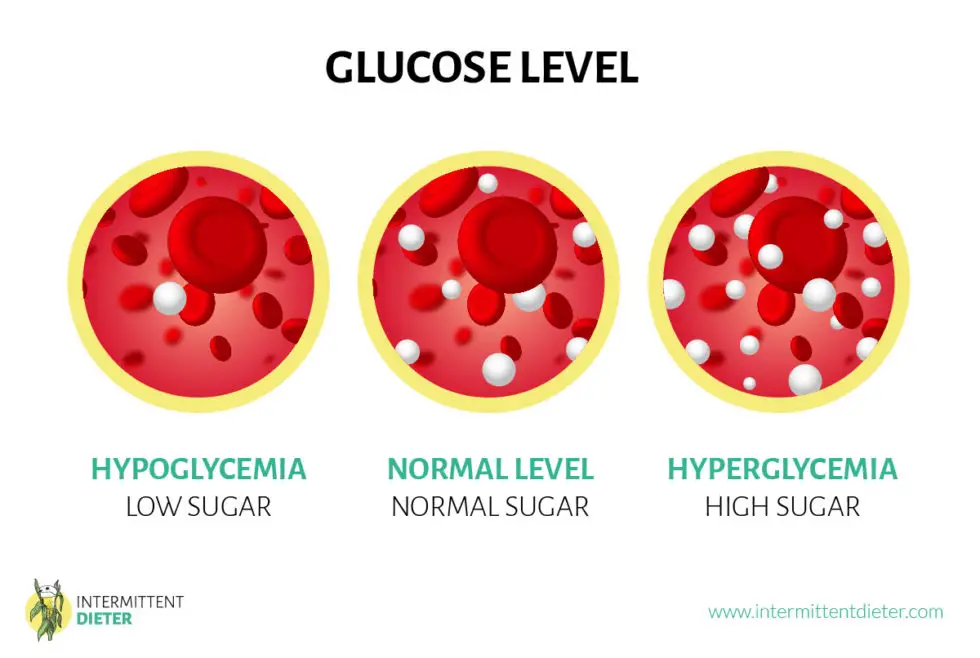
hypoglycemia
noun
Deficiency of glucose in the bloodstream.
Example: This person seems to be drunk, but maybe it's because she has hypoglycemia.
fr: hypoglycémie
ischemia
noun
An inadequate blood supply to an organ or part of the body.
Example: The artery is blocked by a thrombus, and stops the blood perfusion to this organ. That ischemia caused by the blocked artery will provoke hypoxia and the death of the cells.
fr: ischémie
Kendrick Extraction Device (KED)
noun
A device that is used in vehicle extrication to remove victims of traffic collisions from motor vehicles.
Example: After a significant car accident, we immobilise people with the kendrick extrication device to evacuate the car by prevent more injury to the spine.
fr: dispositif d'extraction Kendrick
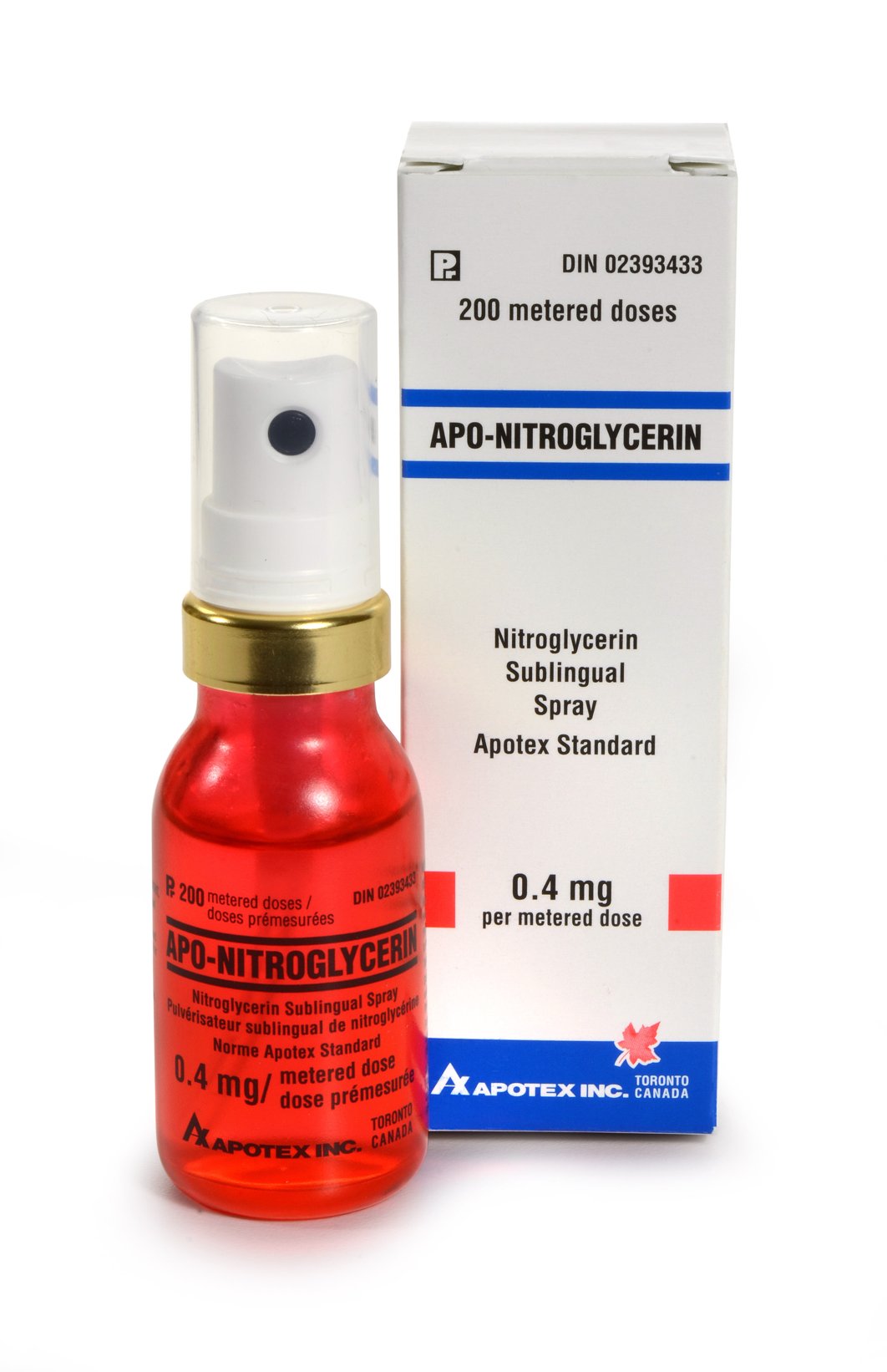
nitroglycerin
noun
An explosive yellow liquid made by nitrating glycerol, used in explosives such as dynamite. It is also used in medicine as a vasodilator in the treatment of angina pectoris.
Example: This person suffer because of her heart attack, giving nitroglycerin to her will reduce her heart's working and decrease her pain.
fr: nitroglycérine
orthopnea
noun
Form of dyspnea in which the person can breathe comfortably only when standing or sitting erect; associated with asthma and emphysema and angina pectoris.
Example: This person has orthopnea. It is difficult for her to breathe when she's lying on her back.
fr: orthopnée
palpitation
noun
A noticeably rapid, strong, or irregular heartbeat due to agitation, exertion, or illness
Example: My anxiety gives me palpitations, it makes me feel like my heart is beating faster.
fr: palpitation
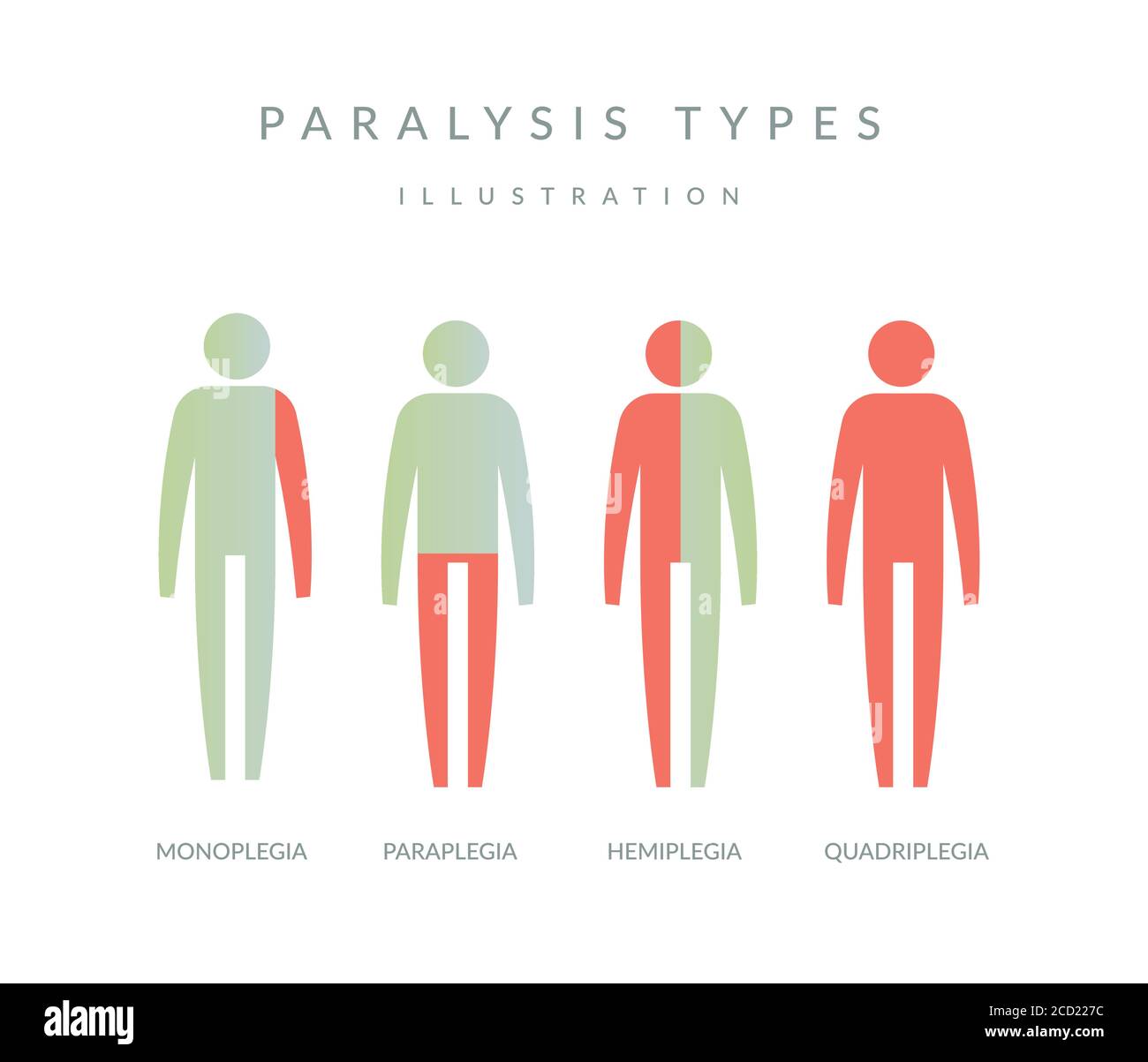
paralysis
noun
The loss of the ability to move (and sometimes to feel anything) in part or most of the body, typically as a result of illness, poison, or injury.
Example: Since his accident, this man is not able to walk. He has a leg paralysis caused by a trauma to his spine.
fr: paralysie
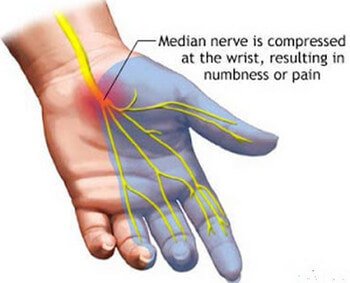
paresthesia
noun
An abnormal sensation, typically tingling or pricking (“pins and needles”), caused chiefly by pressure on or damage to peripheral nerves.
Example: I feel like a tingling in my right arm since the accident. This sign of paresthesia is probably caused by a neurological problem like a pressure on a nerve.
fr: paresthésie
tourniquet
noun
A device for stopping the flow of blood through a vein or artery, typically by compressing a limb with a cord or tight bandage.
Example: This man is bleeding too much. We need a tourniquet to stop the bleeding and potentially save his life.
fr: tourniquet
wheezing
noun
A continuous whistling sound produced in the respiratory airways during breathing. For wheezes to occur, some part of the respiratory tree must be narrowed or obstructed, or airflow velocity within the respiratory tree must be heightened.
Example: I can hear the wheezing from his lungs. He will need salbutamol to open his bronchi and help with his breathing.