Hi, my name is Nicolas Fortier and I study Social Science in the Psychology field. This glossary is for my English course and it will contain some information about some psychology related words.
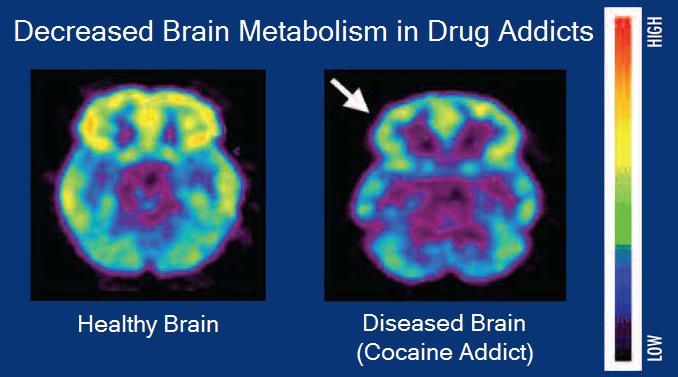
Addictions
Noun
a compulsive, chronic, physiological or psychological need for a habit-forming substance, behavior, or activity having harmful physical, psychological, or social effects and typically causing well-defined symptoms (such as anxiety, irritability, tremors, or nausea) upon withdrawal or abstinence : the state of being addicted
Example: Drugs can cause addictions when used too frequently.
fr: Addictions
Anxiety
Noun
a feeling of worry, nervousness, or unease, typically about an imminent event or something with an uncertain outcome
Example: Once this occurs, the individual may experience mental and psychiatric symptoms such as anxiety, irritability and hallucinations and delirium.
fr: Anxiété
Attention-Deficit Hyperactivity Disorder (ADHD)
Noun
ADHD is a chronic condition marked by persistent inattention, hyperactivity, and sometimes impulsivity. ADHD begins in childhood and often lasts into adulthood. As many as 2 out of every 3 children with ADHD continue to have symptoms as adults.
Example: hort tem consequences of sleep deprivation provide grounds for an association between sleep problems and long term consequences of developing Attention-Deficit Hyperactivity Disorder.
fr: TDAH
Behaviorism
Noun
the theory that human and animal behavior can be explained in terms of conditioning, without appeal to thoughts or feelings, and that psychological disorders are best treated by altering behavior patterns.
Example: treatment using the practical application of the theory of behaviorism.
fr: Behaviorisme
Bipolar Disorder
Noun
Bipolar disorder, also known as manic depression, is a mental illness that brings severe high and low moods and changes in sleep, energy, thinking, and behavior. ... You can think of the highs and the lows as two "poles" of mood, which is why it's called "bipolar" disorder.
Example: Many patients demonstrate signs of Bipolar disorder.
fr: Trouble bipolaire
Cognitivism
Noun
Cognitivism is the study in psychology that focuses on mental processes, including how people perceive, think, remember, learn, solve problems, and direct their attention to one stimulus rather than another. Psychologists working from a cognitivist perspective, then, seek to understand cognition.
Example: However, in the limited space provided, this essay examines how cognitivism, Behaviorism and Constructivism view the role of...
fr: Cognitivisme
Compulsions
Noun
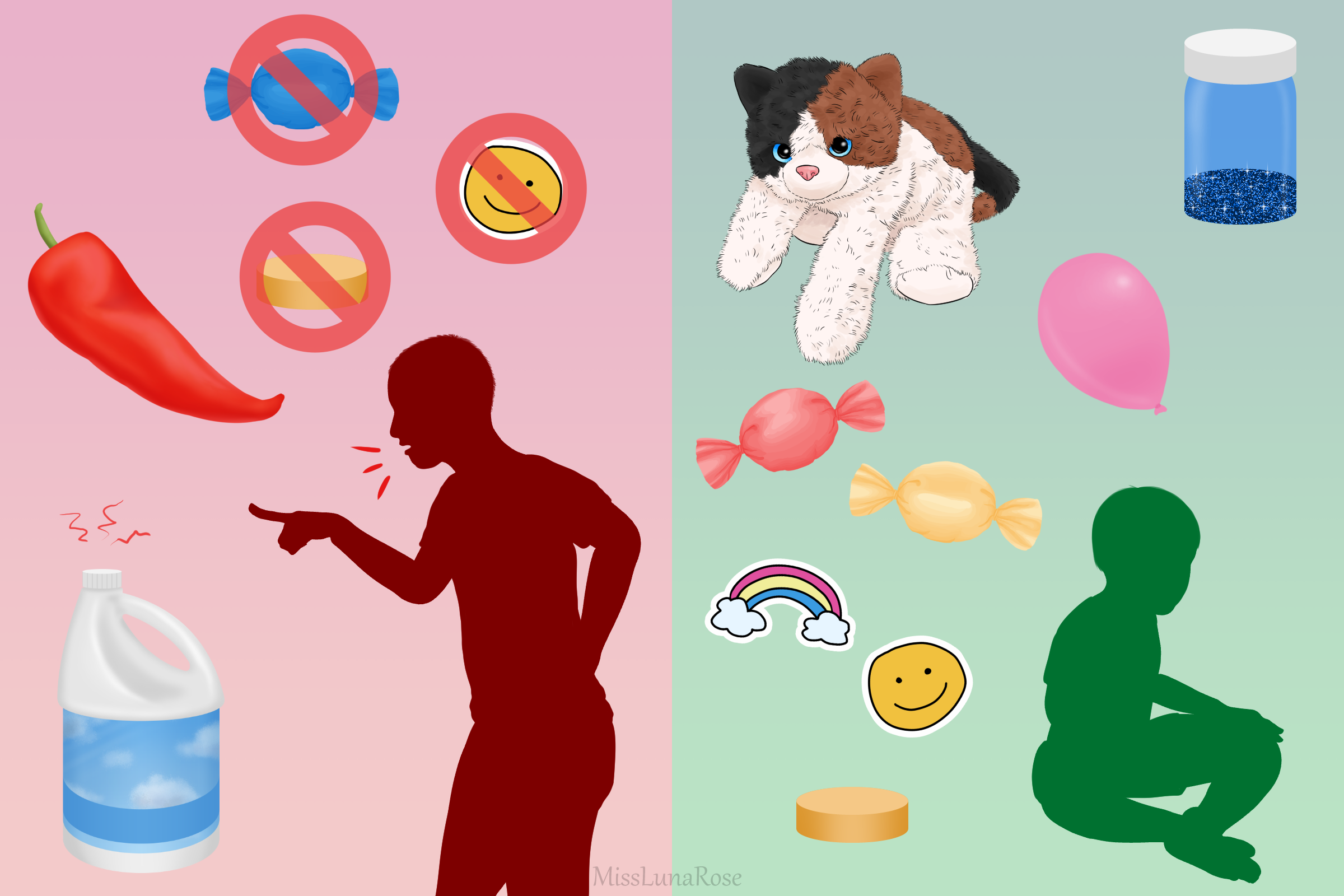
an irresistible urge to behave in a certain way, especially against one's conscious wishes.
Example: His compulsion to own her and control her is even noticeable through the structure of the poem.
fr: Compulsions
Discrimination
Noun
the unjust or prejudicial treatment of different categories of people or things, especially on the grounds of race, age, or sex.
Example: This theory carries with it his proposal that racial prejudice and discrimination came before slavery, hence initiating (and outliving) it, and therefore was not a product of it.
fr: La discrimination
Ego
Noun
the “I” or self of any person; a person as thinking, feeling, and willing, and distinguishing itself from the selves of others and from objects of its thought. ... self-esteem or self-image; feelings: Your criticism wounded his ego.
Example: This shows that the service and female company and ego-stroking that women provide, makes men what they are, and that without it they become nothing- at work and home.
fr: Ego
Halo effect
Noun
Halo effect. ... Halo effect (sometimes called the halo error) is the tendency for positive impressions of a person, company, brand or product in one area to positively influence one's opinion or feelings in other areas. It is a type of cognitive bias and is the opposite of the horn effect.
Example: The 'halo effect' suggests that we form our total impression of a person from this one outstanding trait
fr: effet de halo
Hypnosis
Noun
the induction of a state of consciousness in which a person apparently loses the power of voluntary action and is highly responsive to suggestion or direction. Its use in therapy, typically to recover suppressed memories or to allow modification of behavior by suggestion, has been revived but is still controversial.
Example: Using hypnosis to induce happy or sad mood states, and reporting that items experienced in a sad mood were much more likely to be subsequently retrieved when sad than items experienced in a happy mood.
fr: Hypnose
Placebo
Noun + Adjective
Substance sans principe actif mais dont la prise peut avoir un effet psychologique bénéfique sur le patient.
Example: Four randomised controlled trials (including a number of UK centres) in patients who fall within the diagnostic category of ALS have compared riluzole with placebo.
fr: Placebo
Post-Traumatic Stress Disorder (PTSD)
Noun
Post-traumatic stress disorder (PTSD) is a mental health condition that's triggered by a terrifying event — either experiencing it or witnessing it. Symptoms may include flashbacks, nightmares and severe anxiety, as well as uncontrollable thoughts about the event.
Example: The veterans often experience post-traumatic stress disorder when returning from Iraq.
fr: Trouble de stress post-traumatique (SSPT)
psychoanalysis
noun
a system of psychological theory and therapy which aims to treat mental disorders by investigating the interaction of conscious and unconscious elements in the mind and bringing repressed fears and conflicts into the conscious mind by techniques such as dream interpretation and free association.
Example: there is evidence to show that Bowlby has integrated ideas from such a wide range of fields as psychoanalysis, ethology, experimental psychology and learning theory among other sources
fr: psychanalyse
Pygmalion effect
Noun
The Pygmalion effect, or Rosenthal effect, is the phenomenon whereby others' expectations of a target person affect the target person's performance. ... The idea behind the Pygmalion effect is that increasing the leader's expectation of the follower's performance will result in better follower performance.
Example: Children with parents who believed in them tends to perform better, that is a result of the Pygmalion effect.
fr: Effet Pygmalion
Schizophrenia
noun
Schizophrenia is a serious mental disorder in which people interpret reality abnormally. Schizophrenia may result in some combination of hallucinations, delusions, and extremely disordered thinking and behavior that impairs daily functioning, and can be disabling. People with schizophrenia require lifelong treatment.
Example: The reasons for high rates of schizophrenia amongst Afro Caribbean men will be explored first
fr: Schizophrénie
Stimulus
Noun
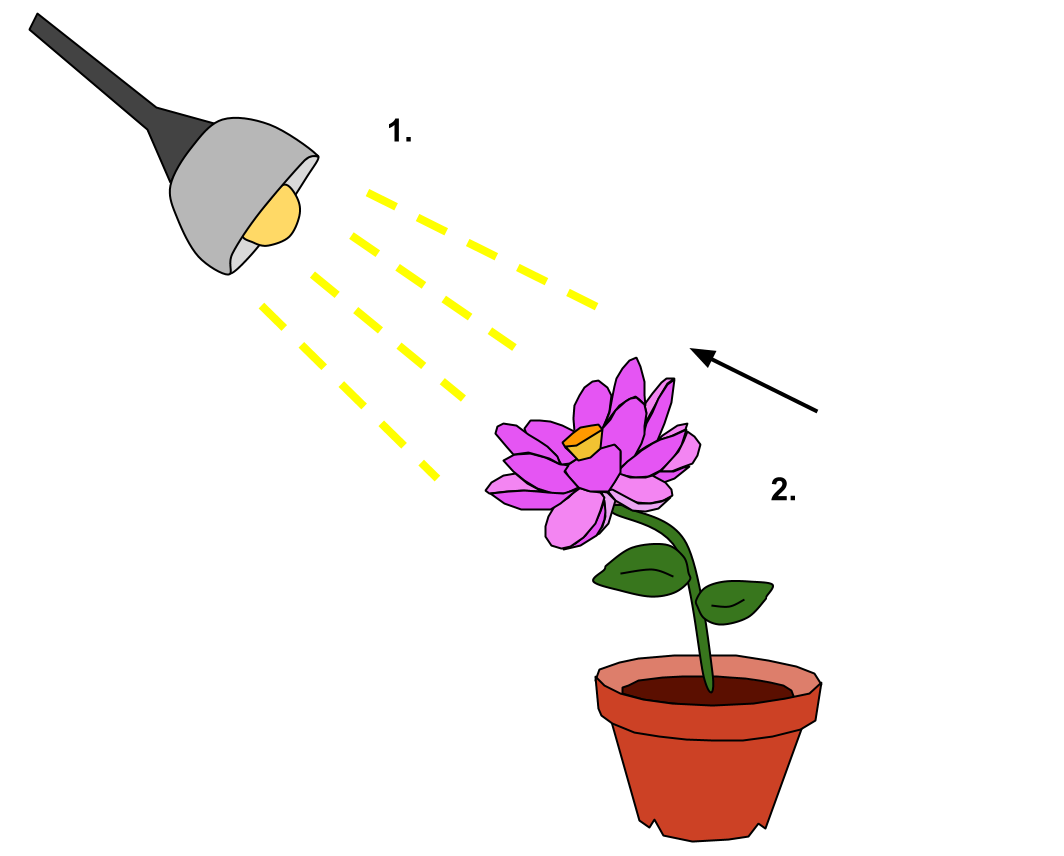
a thing or event that evokes a specific functional reaction in an organ or tissue.
Example: This theoretical position conceives language learning as a process of habit formation, which is environmentally determined and controlled from the outside through a stimulus-response conditioning.
fr: Stimulus
Stress
Noun
stress is a physical, mental, or emotional factor that causes bodily or mental tension.
Example: Rural foxes are considered predators of many farm and game animals, not only killing but causing stress as well.
fr: Stress
Suicide
Noun
Suicide is the act of intentionally causing one's own death.[9] Mental disorders, including depression, bipolar disorder, schizophrenia, personality disorders, anxiety disorders, and substance abuse—including alcoholism and the use of benzodiazepines—are risk factors.
Example: He suffered clinical depression as a result of witnessing the incident and committed suicide.
fr: Suicide
Withdrawal
Noun
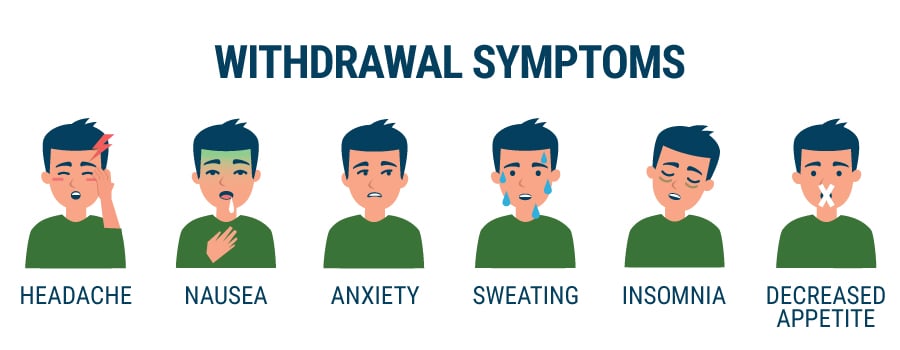
the unpleasant physical and mental effects that result when you stop doing or taking something, especially a drug, that has become a habit: He was suffering from all the classic withdrawal symptoms associated with giving up heroin.
Example: However, caution has to be made with withdrawal of alcohol as atrial arrhythmias have been shown to occur during the early ethanol withdrawal phase in patients without other clinical evidence of heart disease.