a brand is a sign used in commerce to identify products.
Example: My favorite brand is NIKE.
en: une marque.
a company
noun
economic unit, legally autonomous whose main function is to produce goods or services for the market”.
Example: Not all people live near to the company that they work at, so teleworking is very beneficial for them.
en: une entreprise
accreditation
noun
the action or process of officially recognizing someone as having a particular status or being qualified to perform a particular activity.
the fact of being officially recognized, accepted, or approved of, or the act of officially recognizing, accepting, or approving of something
Example: If you earn a teaching certificate, then you have an accreditation to teach.
en: accréditation
co-innovation
noun
the process of developing new ideas and technology together with one or more partners.
Example: Co-innovation help to increase the income of the company.
en: co-innovation
competitors
noun
Person, group, who competes with others to obtain something.
Example: We beat our competitors.
en: concurrents
composition
noun
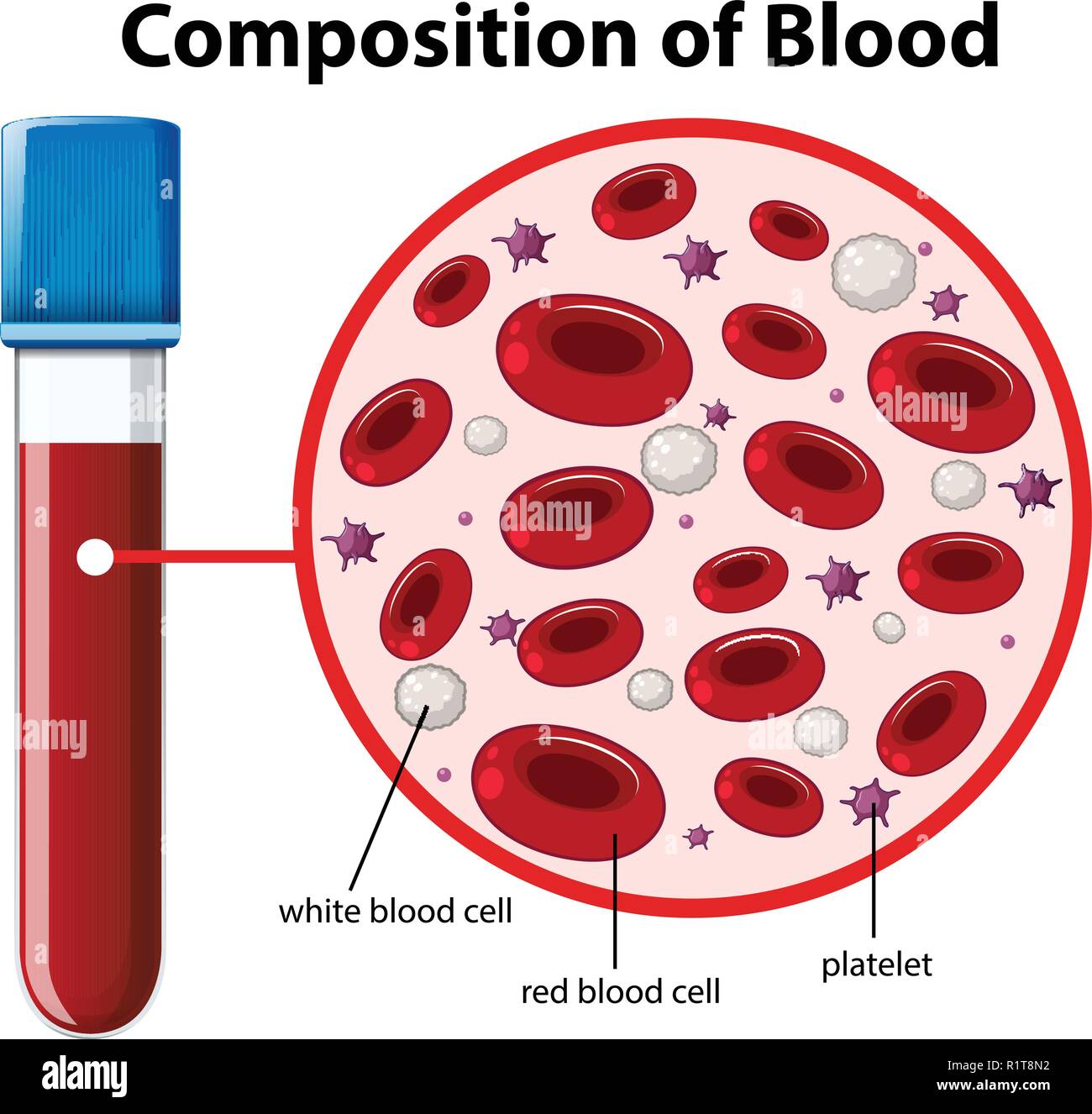
the act of putting together or making up by combining parts or ingredients.
Action or manner of forming a whole by assembling several elements; arrangement of elements. to obtain a product.
Example: We cannot determine the chemical composition of soil simply by touching it.
en: composition
Customer
noun
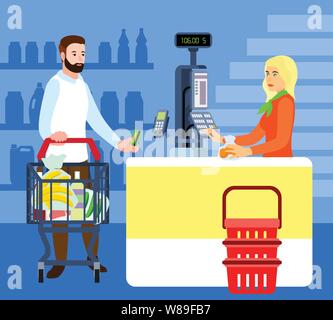
a person who buys goods or a service
Example: If you want to attract more customers, try advertising in the local paper.
en: Client
demand
noun
the desire of consumers, clients, employers, etc. for a particular commodity, service, or other item.
The economic principle of demand concerns the quantity of a particular product or service that consumers are willing to purchase at various prices. Demand looks at a market's pricing and purchases from a consumer's point of view. On the other hand, the principle of supply underscores the point of view of the supplier of the product or service.
Example: The customer demanded a refund.
en: demande
employees
noun
An employee is someone who gets paid to work for a person or company.
Example: A good boss listens to his employees.
en: des employés
fabric
noun
Fabric is cloth or other material produced by weaving together cotton, nylon, wool, silk, or other threads. Fabrics are used for making things such as clothes, curtains, and sheets.
Example: A roughly sewn piece of fabric was tied around her eyes.
en: en tissu
fashion industry
noun
the fashion industry encompasses the design, manufacturing, distribution, marketing, retailing, advertising, and promotion of all types of apparel (men's, women's, and children's) from the most rarefied and expensive haute couture (literally, “high sewing”)
Example: France is a leading country in the fashion industry.
en: industrie de la mode
investigation
noun
the action of investigating something or someone; formal or systematic examination or research.
An investigation is a thorough search for facts, especially those that are hidden or need to be sorted out in a complex situation. The goal of an investigation is usually to determine how or why something happened.
Example: The police are still investigating the murder.
en: enquête
market
noun
A market is a place where buyers and sellers can meet to facilitate the exchange or transaction of goods and services. Markets can be physical like a retail outlet, or virtual like an e-retailer.
Example: She went to the market to buy fresh vegetables.
en: marché
ongoing
noun
continuing; still in progress.
Example: There is an ongoing debate over the issue.
en: en cours
products
noun
A product is the item offered for sale. A product can be a service or an item.
Example: The company's newest product is selling well.
en: des produits
to buy
verb
obtain in exchange for payment.
Example: She wants to buy a car, but she can't afford to.
en: acheter
to negotiate
verb
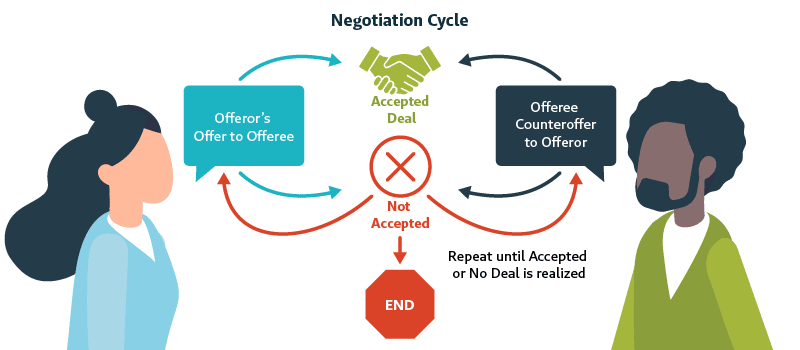
obtain or bring about by discussion.
Example: The customer wanted to negotiate over the price.
en: négocier
to sale
verb
give something to someone in exchange for a sum of money (opposes buying).
Example: APPLE sells products such as phones, laptops, computers, watches, earphones and ipads.




:max_bytes(150000):strip_icc()/Demand_Final_4197913-355e365058974e11a37c5bfa03fca286.png)