This glossary will help me in my english class. It contains words related to my field of study, science. More specifically, I chose words mainly related to one of my favorite classes, biology.
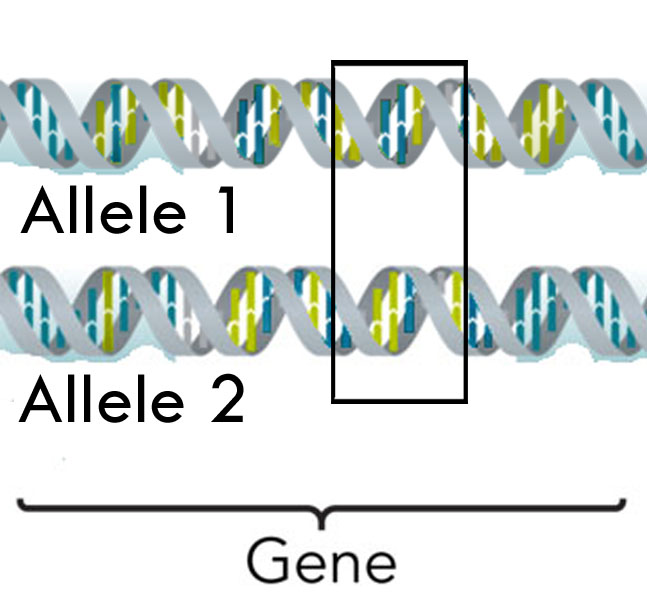
allele
noun
Any of the forms of a gene that can occupy the same locus.
Example: If an allele is dominant then its characteristic will always appear in the phenotype.
en: allèle
biomass
noun
The total mass of organisms in a given area or volume. Organic matter used as a fuel, especially in a power station for the generation of electricity.
Example: Recent studies, as late as 2005 in Germany have shown that biomass carbon in the oceans represents a way of long term storage.
en: biomasse
biosynthesis
noun
The production of complex molecules within living organisms or cells.
Example: It serves as an energy source in muscle contractions, active transport, signal amplification and biosynthesis, amongst a myriad of other energy requiring reactions in the body.
en: biosynthèse
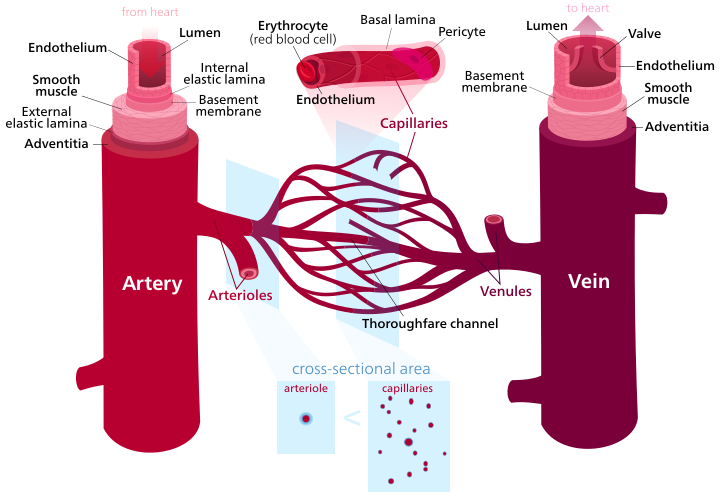
capillaries
noun
Any of the fine branching blood vessels that form a network between the arterioles and venules.
Example: Compression is applied to limit the amount of oedema caused by the exudation of fluid from the damaged capillaries into the tissue.
en: capillaires
cell
noun
The smallest structural and functional unit of an organism, typically microscopic and consisting of cytoplasm and a nucleus enclosed in a membrane.
Example: For example DNA is about 2nm wide and in contrast a red blood cell is 7000nm across.
en: cellule
electrophoresis
verb
The motion of colloidal particles suspended in a fluid medium, due to the influence of an electric field on the medium. Biology. this technique, applied to sorting proteins according to their responses to an electric field.
Example: DNA samples were electrophoresed in agarose gel.
en: électrophorèse
element
noun
A substance that cannot be separated into simpler substances.
Example: An atom is defined as 'the smallest unit of a chemical element that can exist'.
en: élément
epidermis
noun
The surface epithelium of the skin, overlying the dermis.
Example: Upon insertion, the needle would be snapped, and left in the epidermis dermis, where it could dissolve, and as a result, deliver the drug which is contained.
en: épiderme
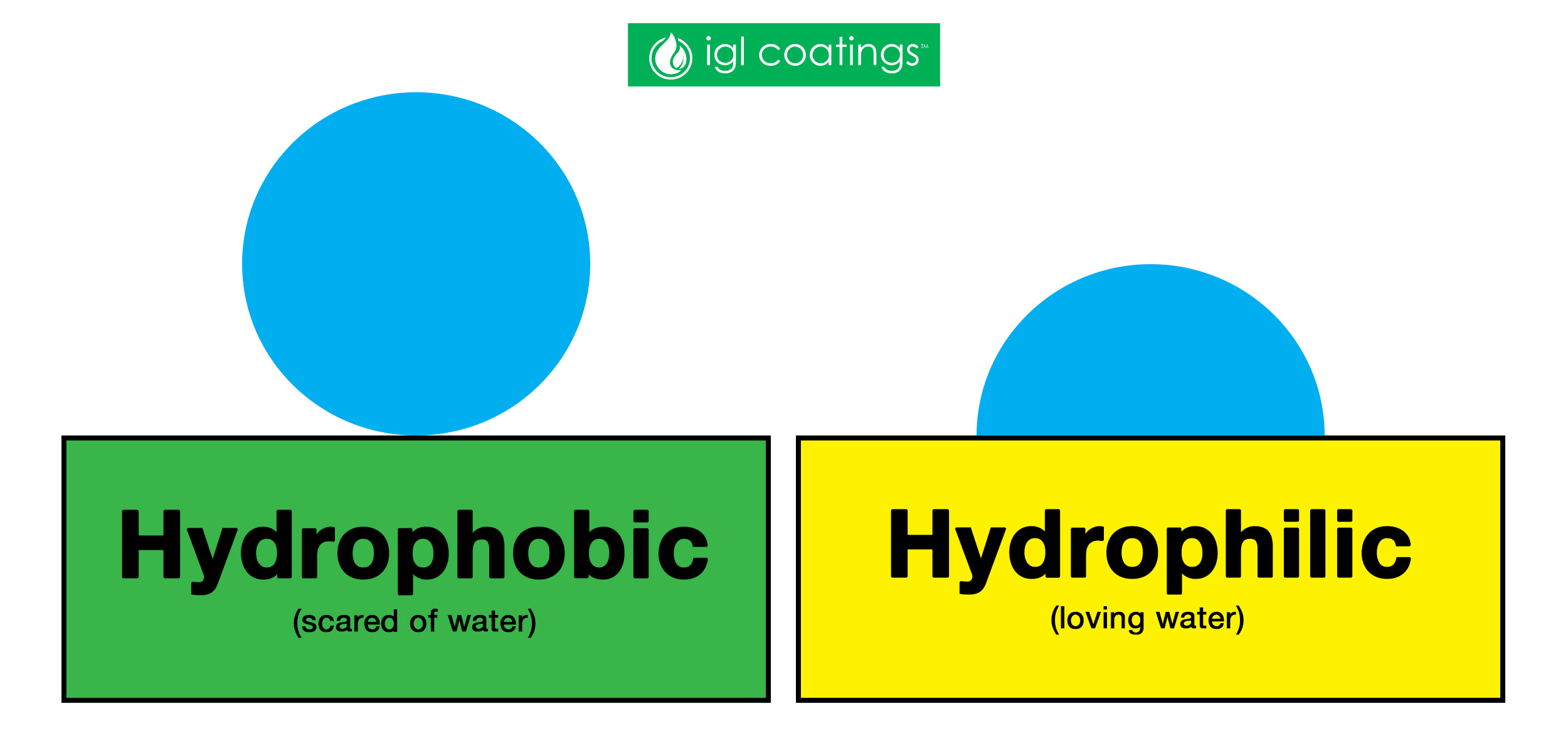
hydrophobic
adjective
Tending to repel or fail to mix with water.
Example: Other studies have shown how phospholipids can form vesicles, liposomes and closed structures due to the hydrophobic nature of the tails and the desire to minimize free energy.
en: hydrophobe
mammal
noun
A warm-blooded vertebrate animal of a class that is distinguished by the possession of hair or fur, the secretion of milk by females for the nourishment of the young, and (typically) the birth of live young.
Example: Is it possible to monitor mammal population changes from counts of road traffic casualties?
en: mammifère
mycelium
noun
The vegetative part of a fungus consisting of a mass of branching threadlike hyphae.
Example: Moulds bear hyphae which collectively known as mycelium.
en: mycélium
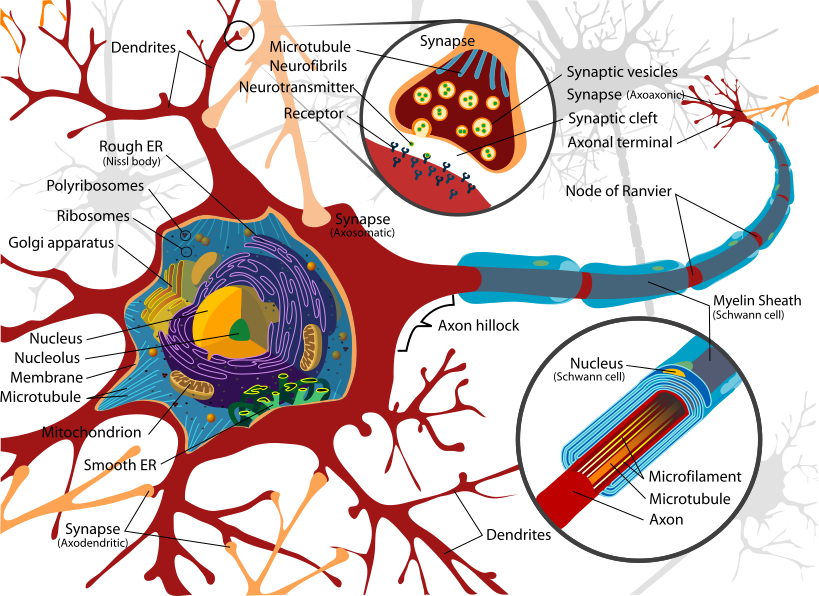
neuron
noun
A specialized cell transmitting nerve impulses; a nerve cell.
Example: Among the properties of the neuron is conductivity in all directions.
en: neurone
osmosis
noun
A process by which molecules of a solvent tend to pass through a semipermeable membrane from a less concentrated solution into a more concentrated one, thus equalizing the concentrations on each side of the membrane.
Example: This is achieved by withdrawing water from cells by osmosis.
en: osmose
pathogen
noun
A bacterium, virus, or other microorganism that can cause disease.
Example: Secondly, returning residues increases the chance of pest or pathogen establishment.
en: agent pathogène
phototropism
noun
The orientation of a plant or other organism in response to light, either toward the source of light ( positive phototropism ) or away from it ( negative phototropism ).
Example: Sunflowers are a great example of positive phototropism, because not only do their stems curve toward the light but their flowers turn to face the sunlight as well.
en: phototropisme
prokaryote
noun
A microscopic single-celled organism that has neither a distinct nucleus with a membrane nor other specialized organelles. Prokaryotes include the bacteria and cyanobacteria.
Example: The scientist studied the prokaryote under the microscope to see if its single-cell would multiply in certain conditions.
en: procaryote
pulse
noun
A rhythmical throbbing of the arteries as blood is propelled through them, typically as felt in the wrists or neck.
Example: Clinically it is important to monitor the patient's blood pressure, pulse, oxygen saturation and levels of consciousness.
en: pouls
spore
noun
A small usually single-celled asexual reproductive body produced by many nonflowering plants and fungi and some bacteria and protozoans and that are capable of developing into a new individual without sexual fusion.
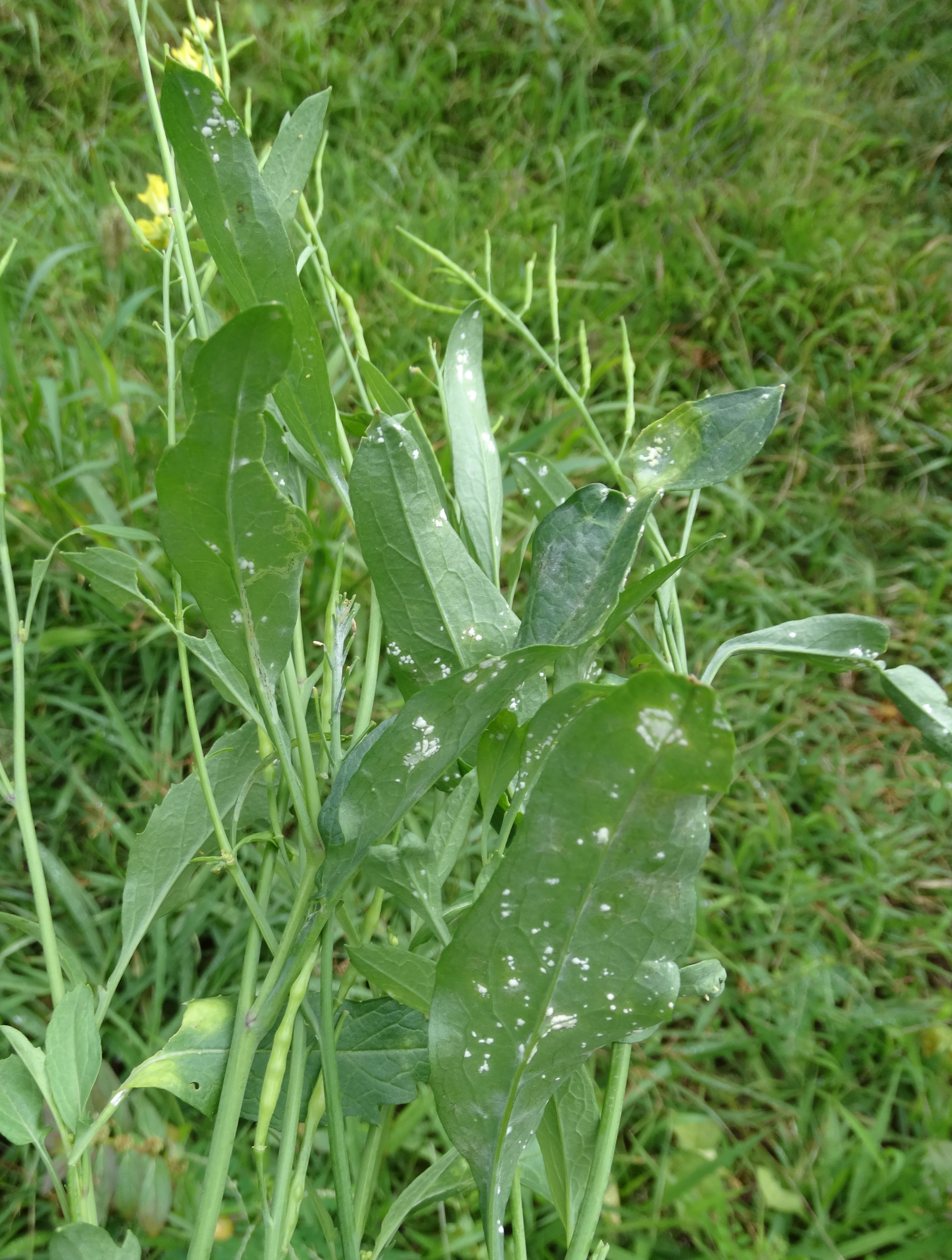
Example: Spore release and germination of powdery mildew is also reduced when there is water or dew on the leaf surface.
en: spore
stolon
noun
A creeping horizontal plant stem or runner that takes root at points along its length to form new plants.
Example: Examples of plants that extend through stolons include some species from the genera Argentina (silverweed), Cynodon, Fragaria, and Pilosella (Hawkweeds), Zoysia japonica, Ranunculus repens.
en: stolon
zygote
noun
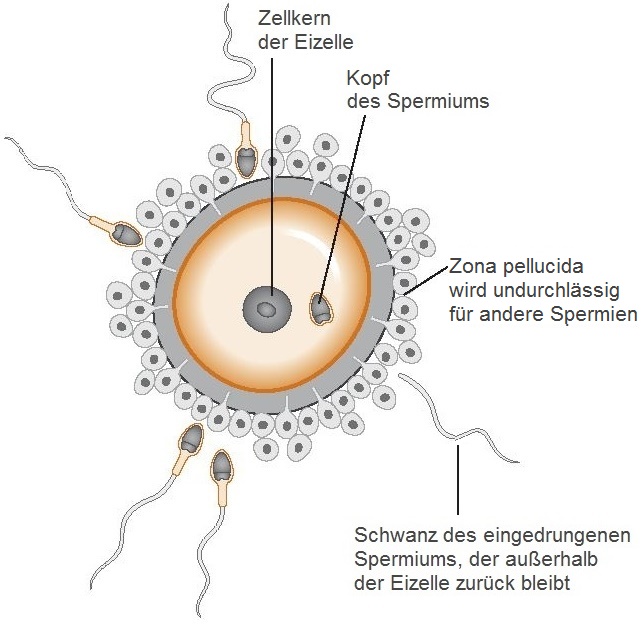
A diploid cell resulting from the fusion of two haploid gametes; a fertilized ovum.
Example: The first cell division of the P0 zygote is already asymmetrical, resulting in a bigger anterior founder cell called AB and a smaller posterior stem cell called P1.