Work done by Quintero Ramírez Fátima Esmeralda 7°A
AIR-ENTRAINED CONCRETE
Noun.
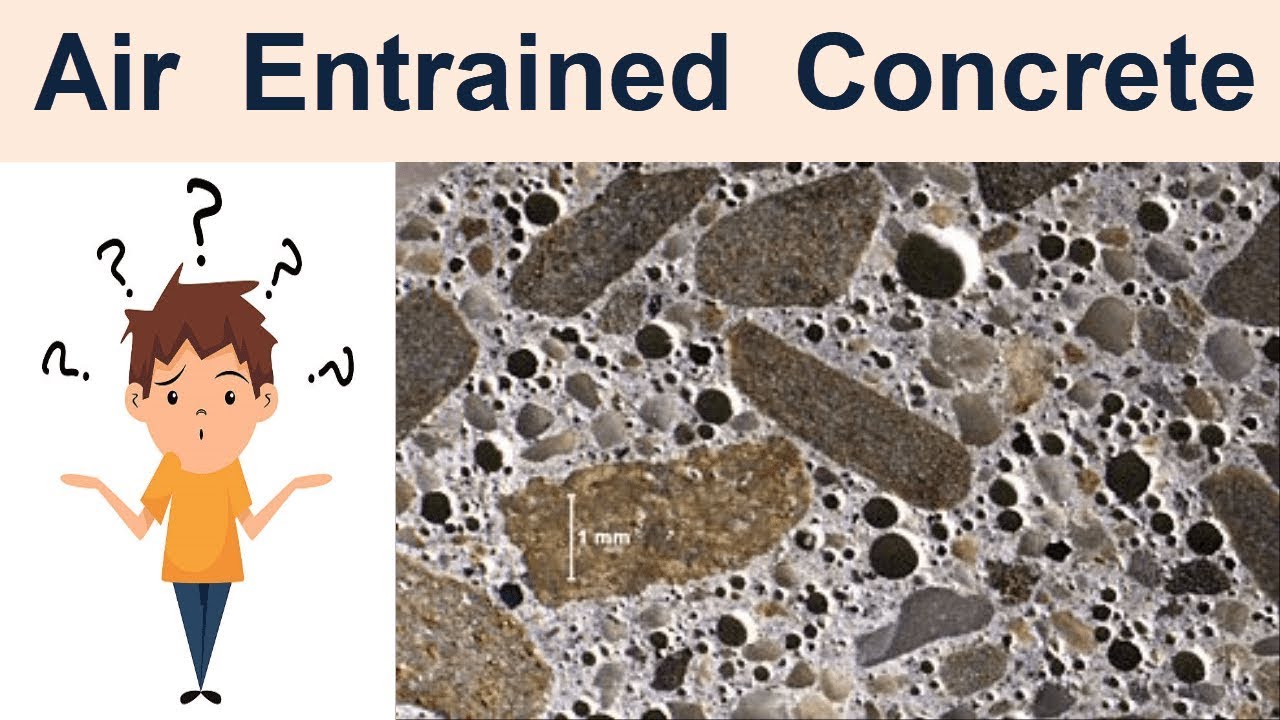
Air entrainment is an effective way of protecting concrete from freezing and thawing damage. It is achieved by adding a surface active agent in very small dosages to the concrete mixture. This action creates a large number of small, closely spaced air bubbles in the hardened concrete.
Example: Furthermore, an air content check should be performed after any post-batching addition to an air-entrained concrete mixture.
en: Hormigón de arrastre de aire
ARCHITECTURAL CONCRETE
Noun.
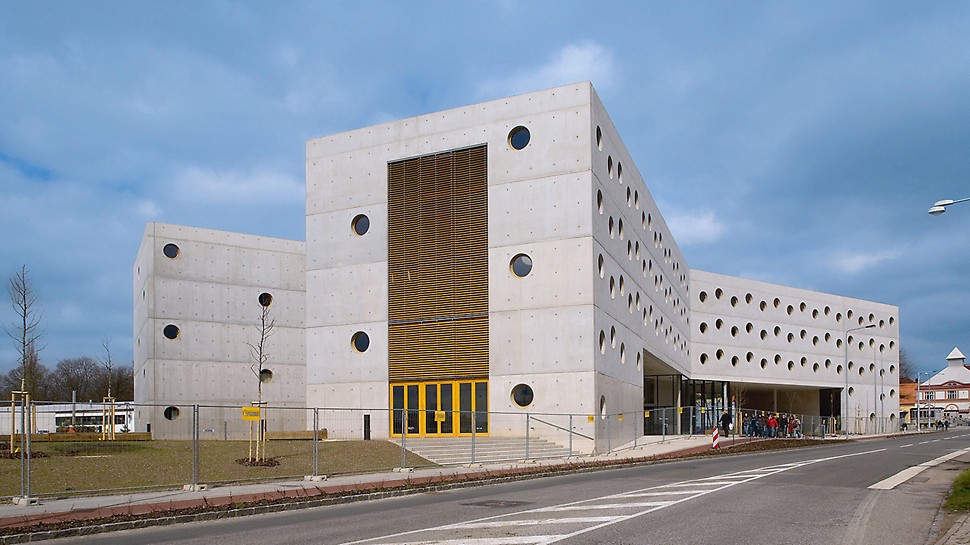
Architectural concrete is concrete that will be permanently exposed to view and therefore requires special care in selection of the concrete materials, forming, placing, and finishing to obtain the desired architectural appearance.
Example: These works by these great architects without a doubt mark a serious road, a reason for true motivation in the correct use of architectural concrete.
en: Concreto Arquitectónico
ASPHALTIC CONCRETE
Noun.
It consists of mineral aggregate bound together with asphalt, laid in layers, and compacted.
Example: Asphaltic concrete is used on highly trafficked roads and soft asphaltic concrete on roads with less traffic.
en: concreto asfáltico
CELLULAR CONCRETE
Noun
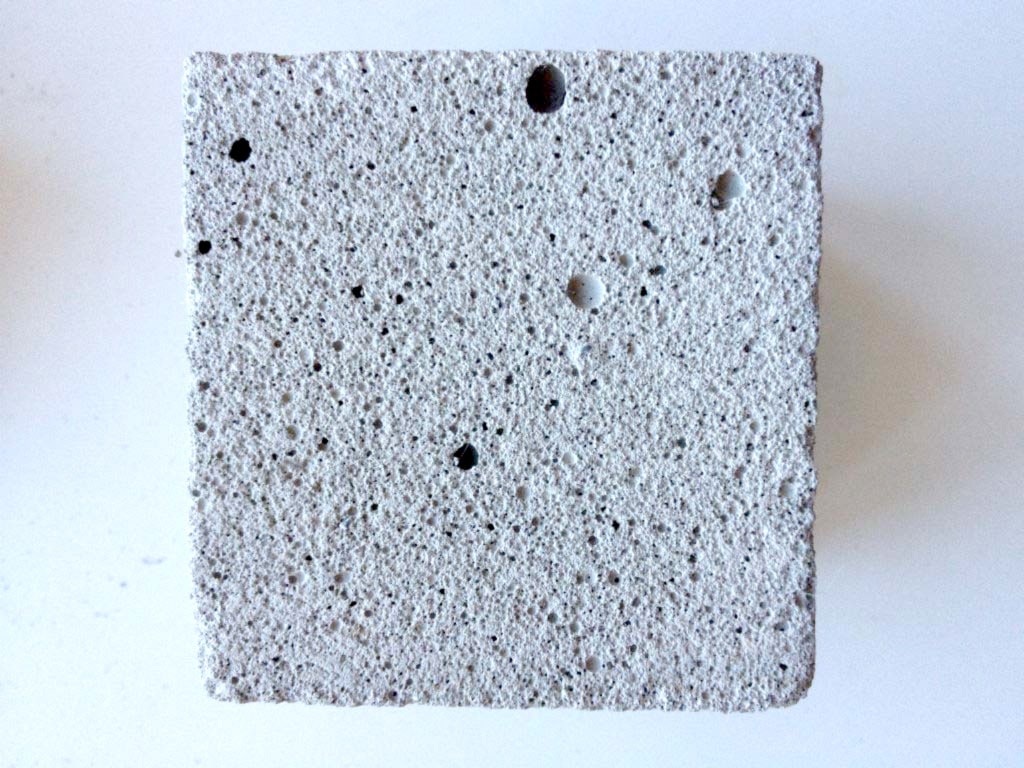
Cellular concrete is a mixture of cement, water, and preformed foam. The purpose of the foam is to supply a mechanism by which a relatively high proportion of stable air voids can be induced into the mixture and produce a cellular or porous solid upon curing of the mixture.
Example: The company makes wall building materials such as sand-lime products and cellular concrete products.
en: Hormigón celular
COLORED CONCRETE
Adjetive
Also known as decorative concrete, allows traditional grey concrete to be stained and dyed different colors.
Concrete has been colored as far back as the early 1900s and was primarily used by companies who made precast structures for building facades.
Example: Enhances the look of colored, stamped concrete.
en: Hormigón coloreado
CURED CONCRETE
Noun.
Curing of concrete is defined as providing adequate moisture, temperature, and time to allow the concrete to achieve the desired properties for its intended use.
Example: Concrete floors must be fully cured, free from dust, moisture, excessive alkalinity, curing agents, and excessive moisture vapor emissions.
en: Hormigón curado
EXPOSED CONCRETE
Noun.
Exposed concrete refers to concrete whose surface is a visible part of the architectural and interior design of the building. Strictly speaking, this refers to concrete surfaces that were in contact with the formwork shell when they were produced.
Example: The exterior is an exposed concrete wall in harmony with the other buildings that have already been constructed or are planned.
en: Hormigón visto
GREEN CONCRETE
Noun.
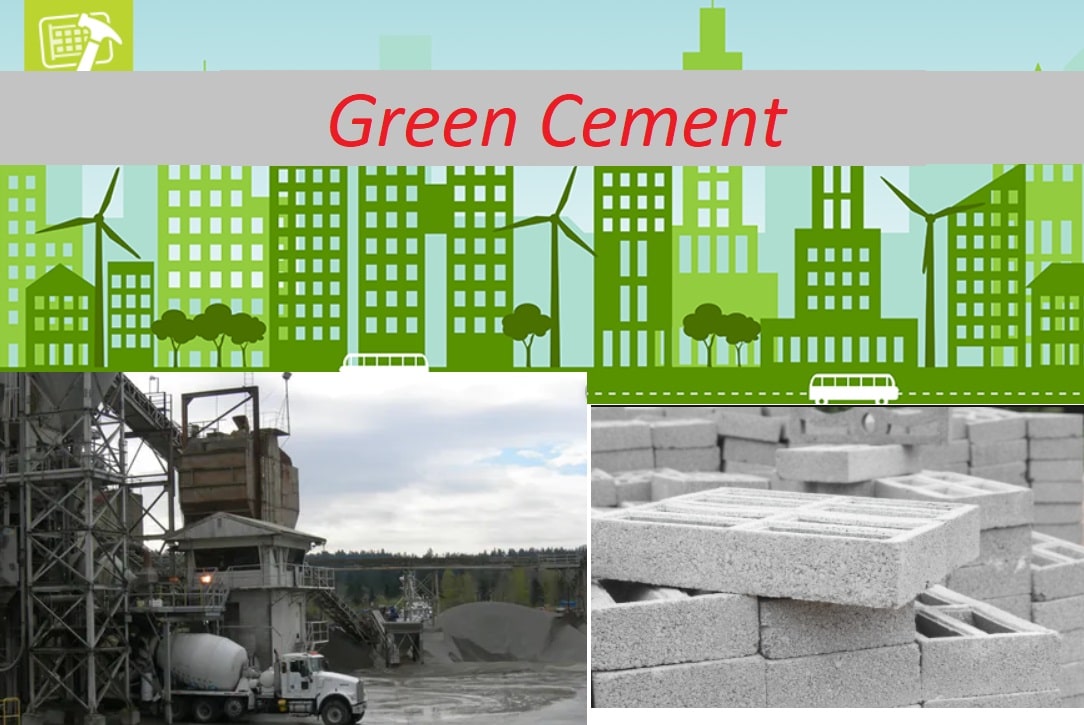
Green concrete is defined as a concrete which uses waste material as at least one of its components, or its production process does not lead to environmental destruction, or it has high performance and life cycle sustainability.
Example: El resultado es un concreto verde, con una durabilidad optimizada.
en: Concreto verde
INSULATING CONCRETE
Noun.
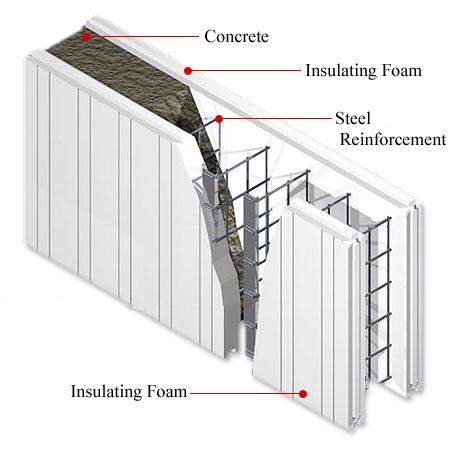
Is a system of formwork for reinforced concrete usually made with a rigid thermal insulation that stays in place as a permanent interior and exterior substrate for walls, floors, and roofs.
Example: The study also showed that in residential structures, the use of insulating concrete forms instead of code compliant wood-framed construction.
en: Hormigón aislante
POROUS CONCRETE
Noun.
Is concrete that is designed to trap water and allow it to percolate through to the ground below. There are a number of advantages to this type of construction, which have caused it to become a popular option for things like sidewalks, driveways, and parking lots.
Example: Porous concrete allows rainwater to filter through, reducing flooding, helping to prevent skidding on wet roads, and reducing.
en: Hormigón poroso.
PRECAST CONCRETE
Noun
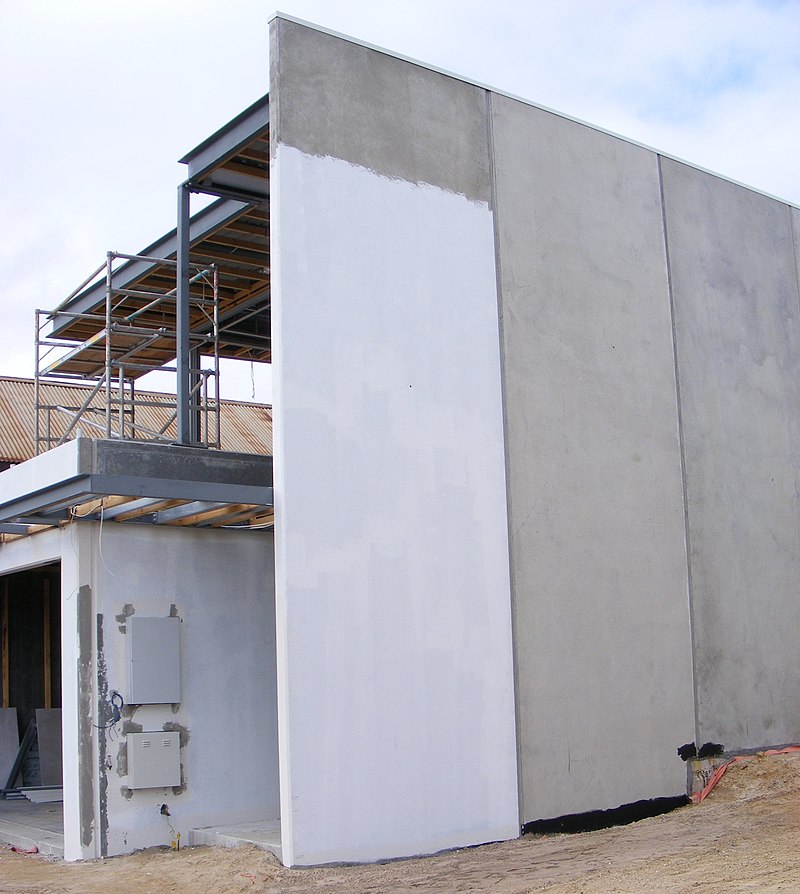
Precast concrete is a construction product produced by casting concrete in a reusable mold or "form" which is then cured in a controlled environment, transported to the construction site and maneuvered into place.
Example: The deck is made of precast concrete segments 4.18 metres thick and weighing approximately 250 tonnes apiece.
en: Hormigón Prefabricado
PRESTRESSED CONCRETE
Noun
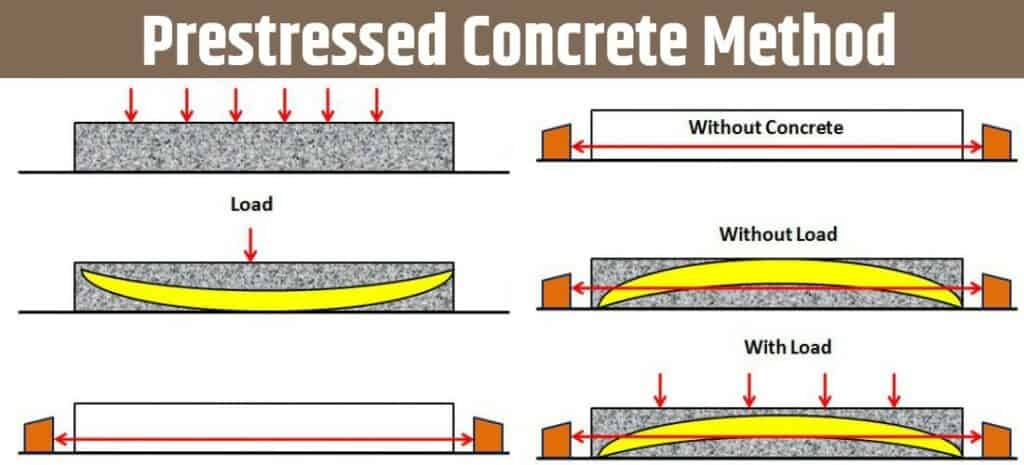
Prestressed concrete is used in a wide range of building and civil structures where its improved performance can allow for longer spans.
Example: The main advantage of prestressed-concrete sleepers is their flexibility.
en: Hormigón Prentensado
REINFORCED CONCRETE
Noun
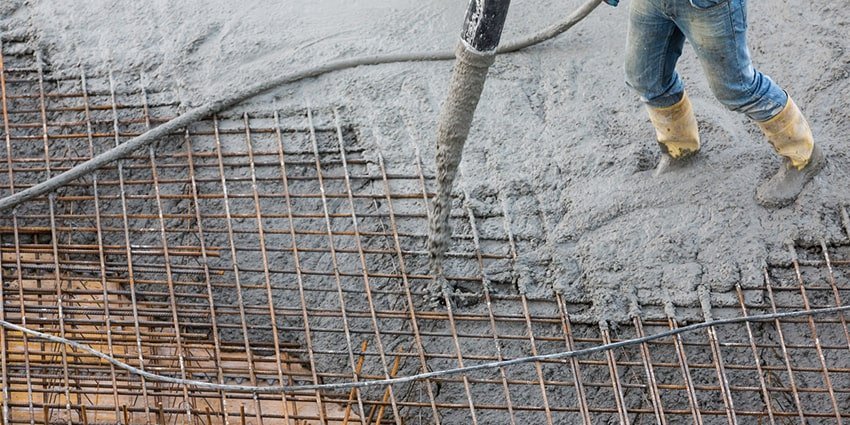
Concrete in which wire mesh or steel bars are embedded to increase its tensile strength.
Example: The steel industry competes with reinforced concrete slabs through three basic solutions
en: Concreto reforzado
UNREINFORCED CONCRETE
Noun.
Concrete without some other specific admixture or element, in contrast with concrete containing such an admixture or element, e.g., non-air-entrained concrete.
Example: Unreinforced masonry-brick, concrete block, or stone-foundations often cannot resist earthquake shaking.