This glossary is for use of words that are linked to blood diseases.
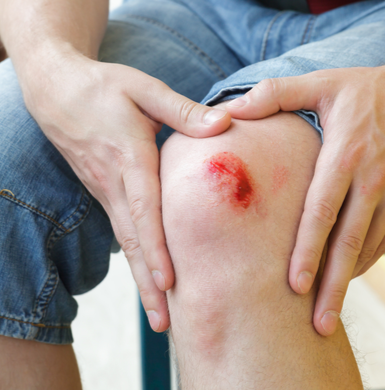
bleed
verb
lose blood from the body as a result of injury or illness.
Example: Those who did not BLEED in life choose not to in death.
en: krvácať
bruise
noun
an injury appearing as an area of discoloured skin on the body, caused by a blow or impact rupturing underlying blood vessels.
Example: What they want out of a fight is a nice big BRUISE that they can show around during the week.
en: modrina
carrier
noun
a person or animal that transmits a disease-causing organism to others, especially without suffering from it themselves.
Example: The above pedigree tells us that there is a married unaffected farther and a CARRIER mother.
en: prenášač
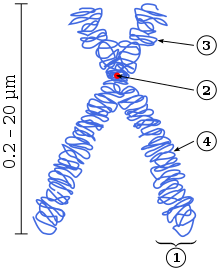
chromosome
noun
a threadlike structure of nucleic acids and protein found in the nucleus of most living cells, carrying genetic information in the form of genes.
Example: In stable 'dicentric' CHROMOSOMEs where due to rearrangement, a CHROMOSOME contains two centromeres, the centromeric function is often lost from one of the two satellite repeats.
en: chromozóm
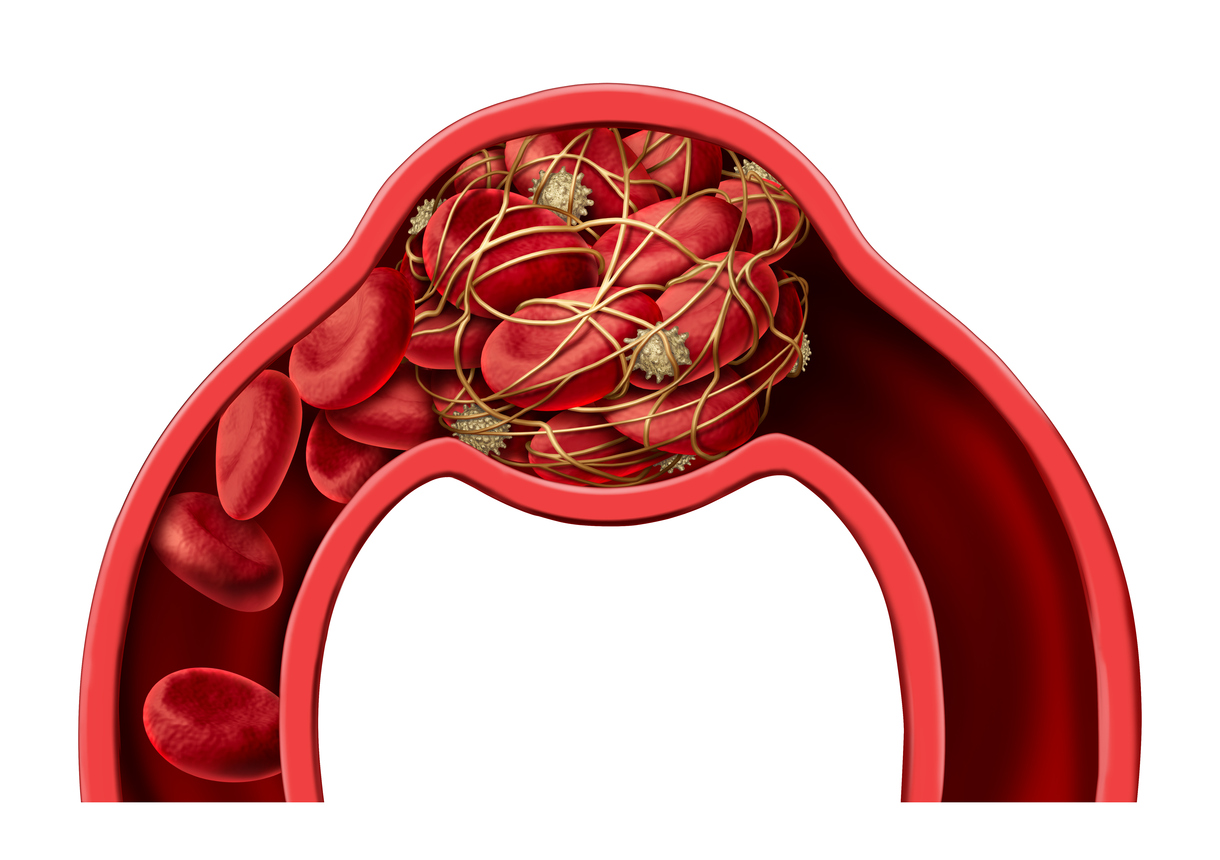
clot
verb
form or cause to form clots.
Example: The blood does not clot properly.
en: zraziť sa
factor
noun
any of a number of substances in the blood, mostly identified by numerals, which are involved in coagulation.
Example: The mechanical scarifying effect on seed coats by soil particles and plough may also be a FACTOR in increased seed mortality.
en: faktor
gene
noun
a unit of heredity which is transferred from a parent to offspring and is held to determine some characteristic of the offspring.
Example: There are 31 positions along the BRCA 1 GENE that are known to have mutated.
en: gén
hemophilia
noun
a medical condition that causes severe loss of blood from even a slight injury because the blood fails to clot normally. It usually affects only men although it can be passed on by women.
Example: X-linked recessive traits are known for example colour blindness, fragile X syndrome, HAEMOPHILIA A and Duchenne muscular dystrophy.
en: hemofília
infuse
verb
allow (a liquid) to flow into a vein or tissue.
Example: These themes INFUSE cultural beliefs and values, individual cognitive and affective orientations, and the institutional orders within which these are manifested.
en: naplniť
inherit
verb
derive (a quality, characteristic, or predisposition) genetically from one's parents or ancestors.
Example: Non disjunction of chromosomes at the first mitotic division or a Robertsonian translocation in the long arms of chromosomes 21 and 14 will cause individuals to INHERIT three copies of chromosome 21.
en: dediť
joint
noun
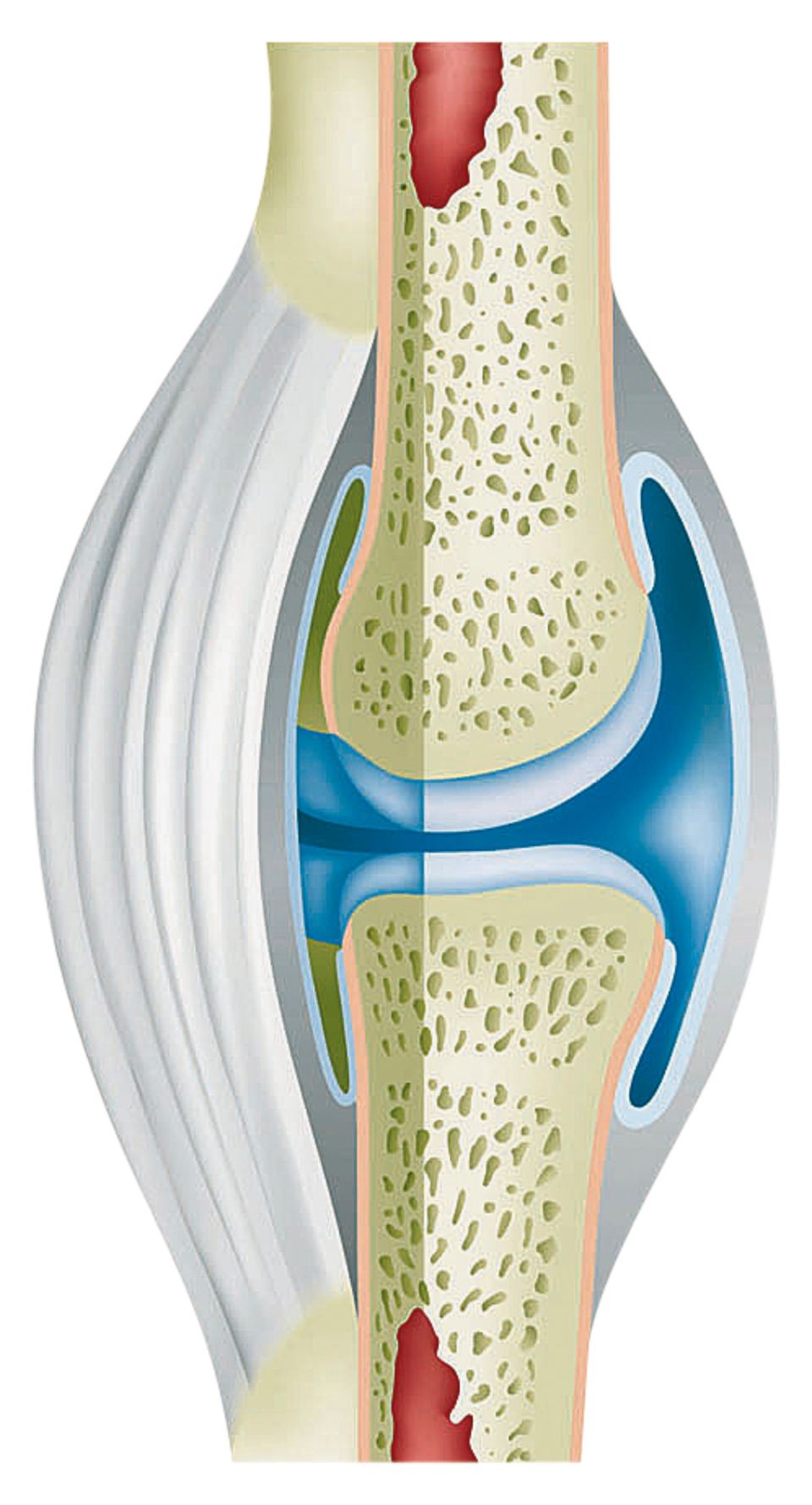
a structure in the human or animal body at which two parts of the skeleton are fitted together.
Example: Pre-operational training and practice to new equipment are basic demands of a JOINT quality and safety management system.
en: kĺb
mild
adjective
not severe, serious, or harsh.
Example: The paint may blister in a MILD attack or show yellow soapy runs in a severe attack.
en: mierny
moderate
adjective
average in amount, intensity, quality, or degree.
Example: He was a MODERATE liberal.
en: stredný
nosebleed
noun
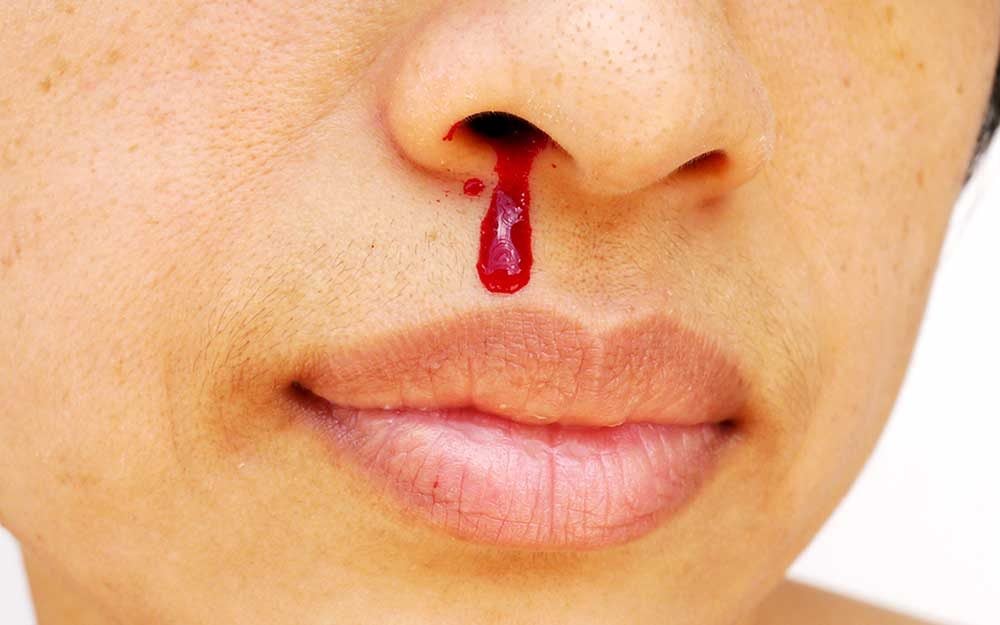
an instance of bleeding from the nose.
Example: She gets a NOSEBLEED at high altitudes.
en: krvácanie z nosa
prophylaxis
noun
treatment given or action taken to prevent disease.
Example: All patients received preoperative antibiotic PROPHYLAXIS.
en: prevencia proti chorobám
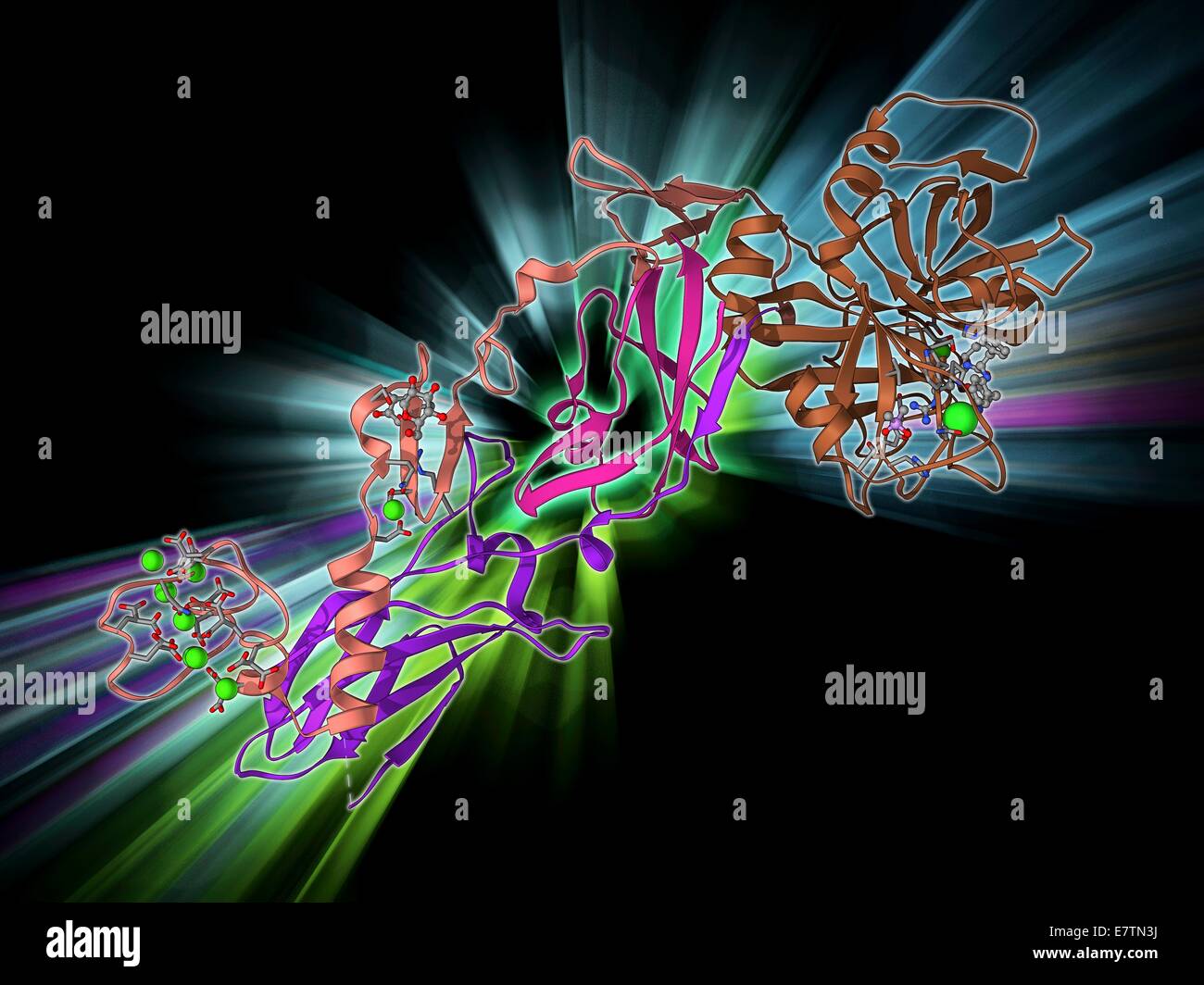
protein
noun
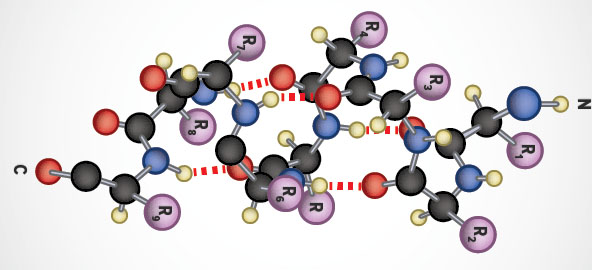
any of a class of nitrogenous organic compounds which have large molecules composed of one or more long chains of amino acids and are an essential part of all living organisms, especially as structural components of body tissues such as muscle, hair, etc., and as enzymes and antibodies.
Example: His diet is high in PROTEIN.
en: bielkovina
severe
adjective
(of something bad or undesirable) very great; intense.
Example: The attitudes of Job's comforters are unsurprisingly the attitudes of many people today when faced with mental illness, just as Job's symptoms are recognisable as those of a SEVERE reactive depression.
en: vážny
swell
verb
(especially of a part of the body) become larger or rounder in size, typically as a result of an accumulation of fluid.
Example: As a consequence of increased intracellular volume cells SWELL and become oedematous.
en: opuchať
symptom
noun
a physical or mental feature which is regarded as indicating a condition of disease, particularly such a feature that is apparent to the patient.
Example: Diarrhoea can be a SYMPTOM of some endocrine disorders.
en: príznak
Von Willebrand disease
noun
a condition that causes heavy or long-lasting bleeding.
Example: She often visits the hospital for her VON WILLEBRAND DISEASE.