Hi, I’m Angélica and I have been studying Psychology for three years now! My glossary will be talking about important words you need to know to understand psychology. It is fundamental to know these words to at least, understand the basics of psychology. This glossary includes in total 20 words with their definitions, pictures, the translation in French and how to put them in a sentence. I found the definitions in multiple websites like Wikipedia or sciences articles.
accommodation
noun
a convenient arrangement; a settlement or compromise.
Example: seeking accommodation from both sides in the dispute.
en: accommodation
addiction
noun
is an inability to stop using a substance or engaging in a behavior even though it is causing psychological and physical harm.
Example: had addictions to nicotine and alcohol.
en: addiction
affect
verb
touch the feelings of (someone) ; move emotionally.
Example: the tragedy affected affected him deeply.
en: affecter
amnesia
noun
a partial or total loss of memory.
Example: this type of amnesia is usually caused by chronic alcoholism.
en: amnésie
antipsychotic
noun
any of the powerful tranquilizers used especially to treat psychosis and believed to act by blocking dopamine nervous receptors.
Example: this atypical antipsychotic has also been shown to reduce depressive symptoms in patients with unipolar psychotic depression.
en: antipsychotiques
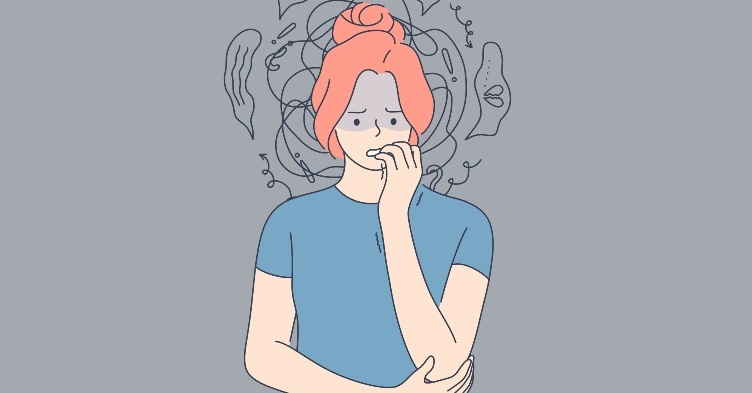
anxiety
noun
a feeling of worry, nervousness, or unease, typically about an imminent event or something with an uncertain outcome.
Example: I will evaluate my feelings of anxiety brought on by the overwhelming number of tasks I must carry out as a nurse caring for a group of patients.
en: anxiété
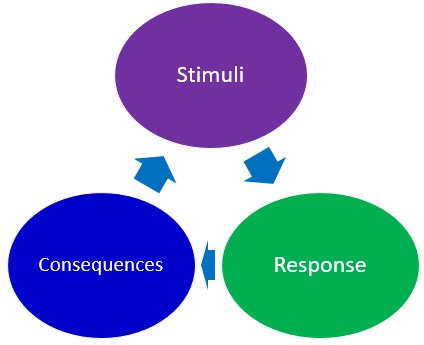
behaviorism
noun
a theory of learning based on the idea that all behaviors are acquired through conditioning, and conditioning occurs through interaction with the environment.
Example: to begin with, behaviorism gave great emphasis on learners' immediate production.
en: béhaviorisme
cognition
noun
the mental action or process of acquiring knowledge and understanding through thought, experience, and the senses.
Example: the parents also noted that the child plays well with his sister when at home so although he may be struggling with appropriate levels of cognition for his developmental age, his social skills are developing well which should help enormously with his ability to learn.
en: cognition
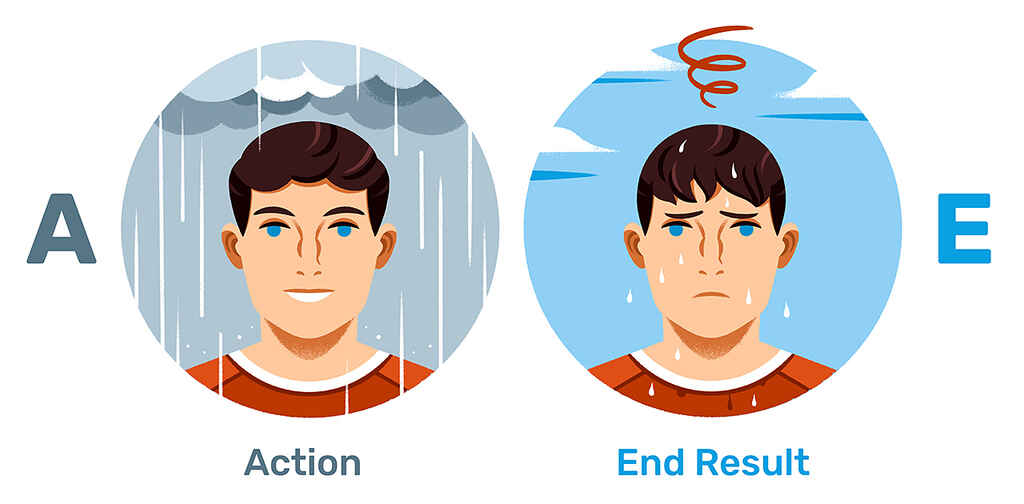
depression
noun
is a common and serious medical illness that negatively affects how you feel, the way you think and how you act. It causes feelings of sadness and/or loss of interest in activities you once enjoyed.
Example: when this occurs a person can feel depression and despair - "Suicide is the supreme manifestation of despair".
en: dépression
developmental psychology
noun
is a scientific approach which aims to explain growth, change and consistency though the lifespan.
en: psychologie du développement
habit
noun
a settled or regular tendency or practice, especially one that is hard to give up.
Example: in this case they will break their habit and try something else.
en: habitude
mental health
noun
includes our emotional, psychological, and social well-being. It affects how we think, feel, and act.
Example: throughout the case study, I will be seeking to use attachment theory to hypothesise about the behaviors observed and the resulting possible implications for the child's future mental health.
en: santé mentale
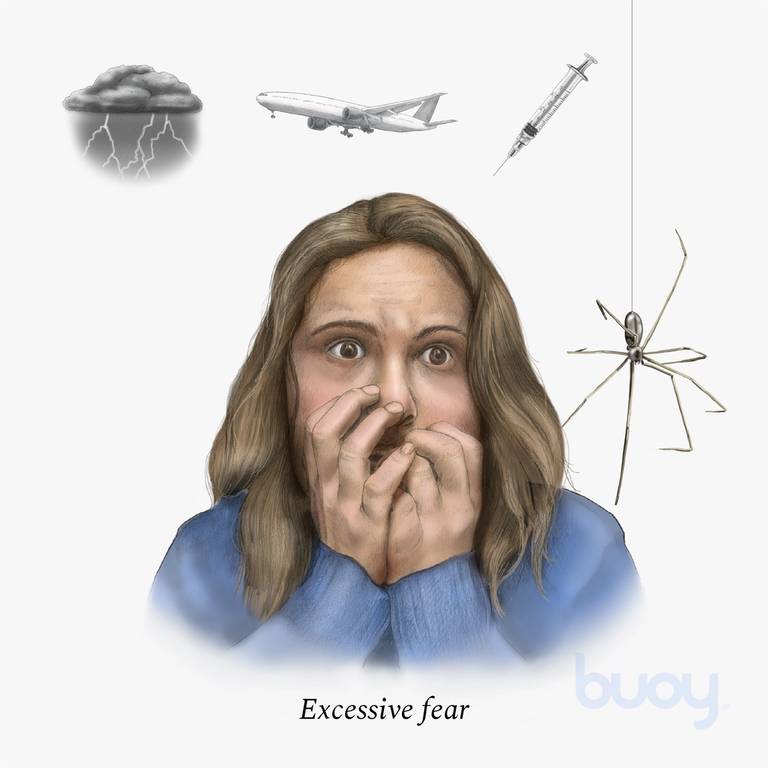
phobia
noun
an extreme or irrational fear of or aversion to something.
Example: with this method, patients are allowed to gradually overcome their phobias.
en: phobie
placebo
noun
a harmless pill, medicine, or procedure prescribed more for the psychological benefit to the patient than other any physiological effect.
Example: effect of adding a second line drug in drug resistant partial epilepsy : adding a drug such as lamotrigine to the usual treatment has been shown in systematic reviews to decrease seizure frequency when compared to adding placebo.
en: placebo
psychology
noun
the scientific study of mind and behavior. Includes the study of conscious and unconscious phenomena, including feelings and thoughts.
Example: he used psychology to get a promotion.
en: psychologie
self-esteem
noun
is confidence in one’s own worth or abilities.
Example: they also support followers' actions by providing coaching and feedback, thererby help them grow professionally and enhance their self-esteem.
en: estime de soi
social psychology
noun
the branch of psychology that deals with social interactions, including their origins and their effects on the individual.
Example: this, in turn, helps to 'negate the cognitive reductionism that characterizes much of what passes for social psychology and offers the possibility of a truly social psychology'.
en: psychologie sociale
stress
noun
a state of mental or emotional strain or tension resulting from adverse or very demanding circumstances.
Example: poor nutrition, metabolic stress and poor heat detection have been associated with causes of infertility.
en: stress
theory
noun
a supposition or a system of ideas intended to explain something, especially one based on general principles independent of the thing to be explained.
Example: openness and inequality in developing countries: A review of theory and recent evidence.
en: théorie
variable
noun
not consistent or having a fixed pattern, liable to change. Able to be changed or adapted.
Example: however, this pervasion is variable and therefore, whether gender should be classed as a core analytical category, certainly raises debate.

/Atypical-Antipsychotics-56a09d773df78cafdaa33dca.jpg)