This glossary will help us learn more about the technical terms used for a construction and about the construction process of each one.
backup wall
noun
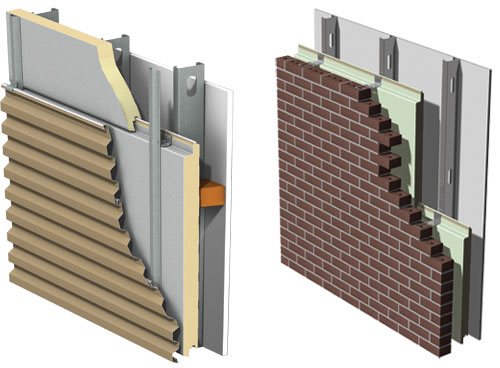
Common interior walls (backup walls) are cold-formed steel framed walls with water-resistant sheathing and concrete masonry. Critical components in masonry veneers exposed to moisture include: Drainage cavity behind veneer wythe.
Example: The backup wall systems eliminate the need for multiple work crews, expediting close-in/dry-in building times and reducing the likelihood
of improper installation.
es: pared de respaldo
brick courses
noun
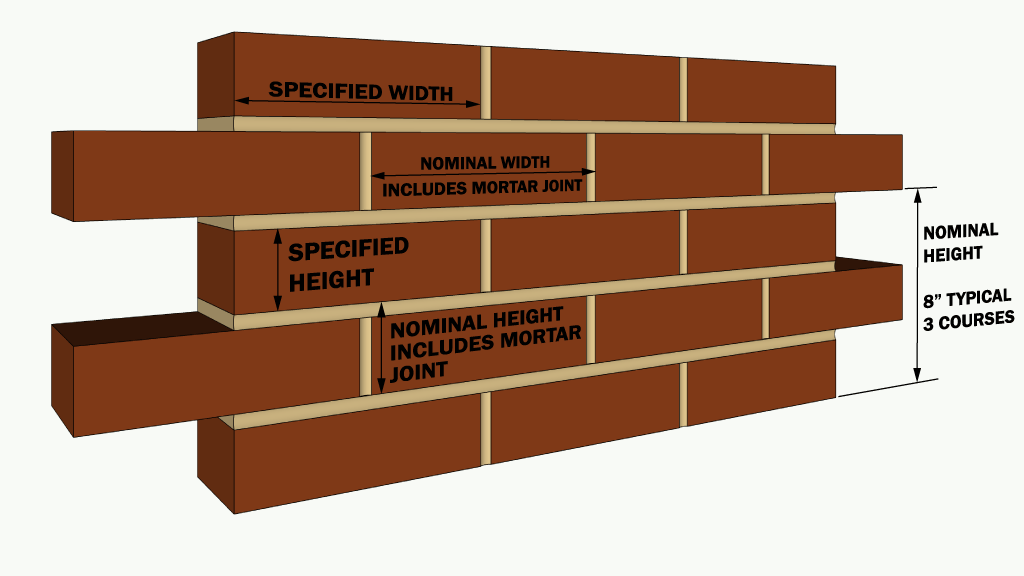
A 'course' is a measurement referring to the dimensions of the brick AND mortar when they have been sandwiched together. One brick and the mortar together is equal to one 'course'.
Example: In construction, the brick courses that are placed next to each other at the same height on a horizontal surface is known by the name of row. The overlapping courses form the walls.
es: hilada de ladrillo
concrete block
noun
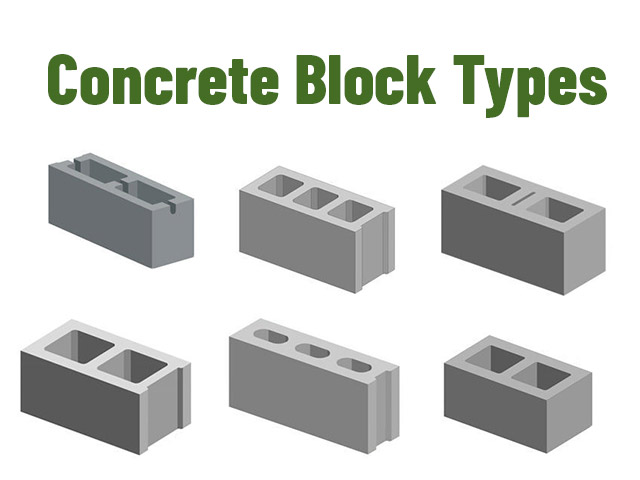
A concrete block is primarily used as a building material in the construction of walls. It is sometimes called a concrete masonry unit,
most concrete blocks have one or more hollow cavities, and their sides may be cast smooth or with a design.
Example: In use, concrete blocks are stacked one at a time and held together with fresh concrete mortar to form the desired length and height of the wall.
es: bloque de concreto
dovetail insert
noun
A dovetail joint is a joinery technique used in woodworking, traditionally used to joint wooden furniture.
Dovetail joints are known for their inherent strength and resistance to being pulled apart (tensile strength). A dovetail joint has a series of pins and tails in a trapezoidal shape and once glued a dovetail joint has no need for mechanical fasteners.
Example: Dovetail joints as a technique predate written history and have been found inside the tombs of ancient Egyptian mummies.
es: inserto de cola de milano
gravity load
noun
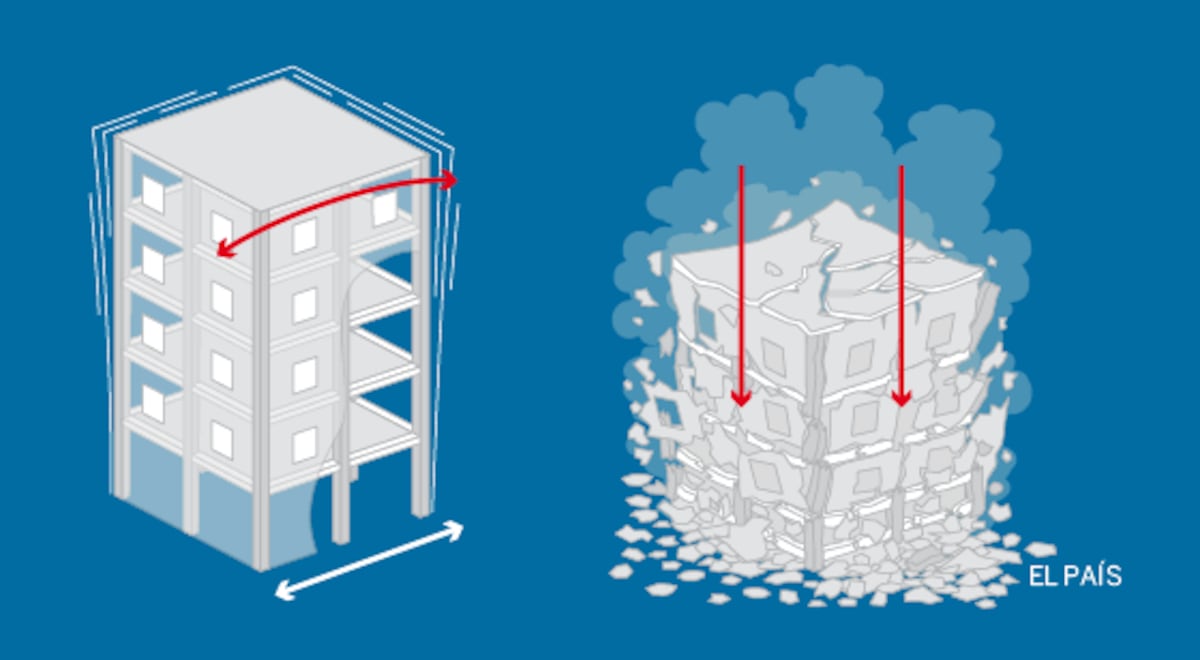
Loads acting on a structure as a result of the action of gravity. The gravity loads will be obtained by multiplying the volumes or surfaces considered in each case, by the corresponding unit weights.
Example: The building collapsed due to gravity loads.
es: carga de gravedad
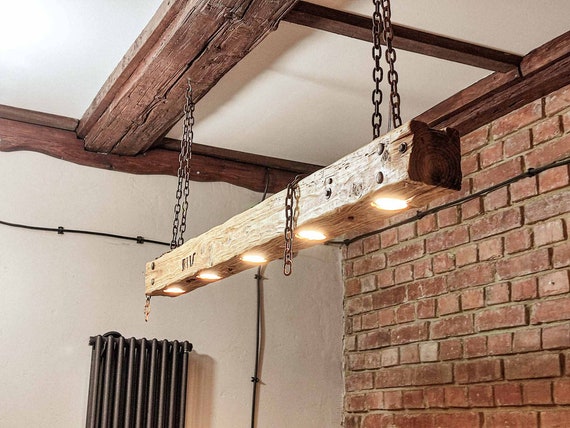
hanging off
noun
To fasten from above with no support from below; suspend.
Example: Did you know that the gutter is practically hanging off the side of the house? We should probably get that fixed.
es: colgando de
horizontal mortar joints
noun
It is called a joint to the small space that exists between the two surfaces of the immediate bricks of a wall, which is filled with mortar or cement in order to join them solidly.
Example: Joints are common in concrete walls and floors. The openings allow, in the case of the floor, a horizontal movement.
es: juntas de mortero horizontales
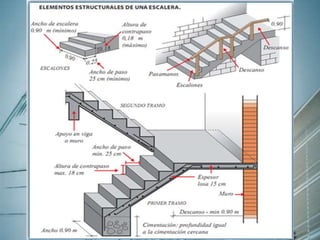
ladder-type systems
noun
A ladder is a vertical or inclined set of rungs or steps.
There are two types: rigid ladders that are self-supporting or that may be leaned against a vertical surface such as a wall, and rollable ladders, such as those made of rope or aluminium, that may be hung from the top. The vertical members of a rigid ladder are called stringers or rails or stiles.
Example: Rigid ladders are usually portable, but some types are permanently fixed to a structure, building, or equipment. They are commonly made of metal, wood, or fiberglass, but they have been known to be made of tough plastic.
es: ladder-type systems
laterally
adjective
It is understood by laterally that it alludes to the side, edge, band, margin, shore, bank or side, of an element, thing or a particular place. On both sides, alluding to a site or place in particular or that is or is located.
Example: Building loads move laterally.
es: lateralmente
masonry ties
noun
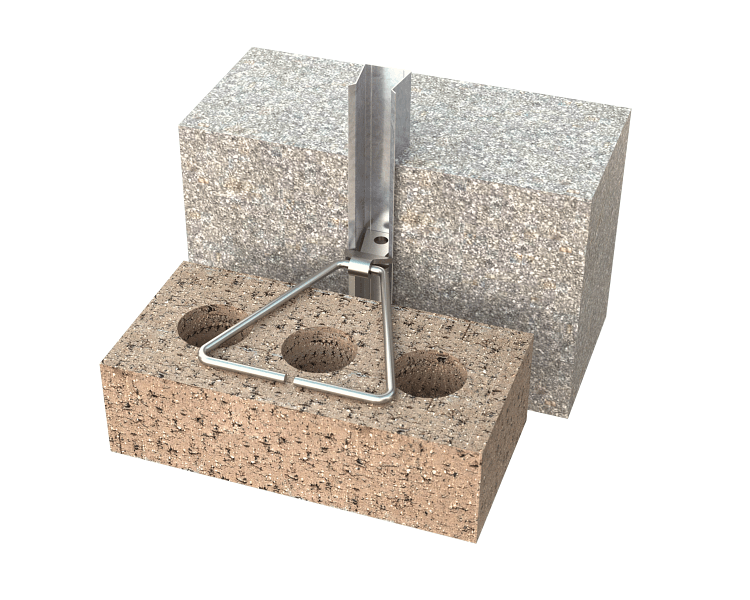
Wall ties, sometimes called ‘brick ties’, are used in buildings with cavity walls. They are used to join the two leaves of a cavity wall together, allowing the two parts to act as a homogeneous unit.
Example: Hidden from view after construction, wall ties play a vital role in ensuring the stability of a building.
es: lazos de pared
multi-story
adjective
Having more than two stories a multistory apartment building.
Example: The building I live in is multi-story.
es: de varios pisos
relief angle
noun
The relief angle is the angle between a cutting tool and the workpiece it has just cut. The relief angle on a machine tool is the angle that the edge of the tool nearest the workpiece makes with the workpiece.
Example: The purpose of a relief angle, as its name implies, is to allow the side of the tool to clear the workpiece and not rub it, i.e. it reduces friction between the workpiece and the tool.
es: ángulo de alivio
supports
noun
The supports are devices that restrict in some way the movements of the structural system and allow the transmission of efforts.
Example: "the dome was supported by a hundred white columns".
es: apoyos
tie (something) back to
noun
To bind or fasten something back out of the way.
Example: George tied the curtains back to let a little more light in. Let me tie back the vines out of the way.
es: atar (algo) a
transfers
noun
A transfer beam is one that supports a very heavy load, usually a column.
Example: Load transfers help us distribute the weight of a building to the ground.
es: transferencias
wedge anchor
noun
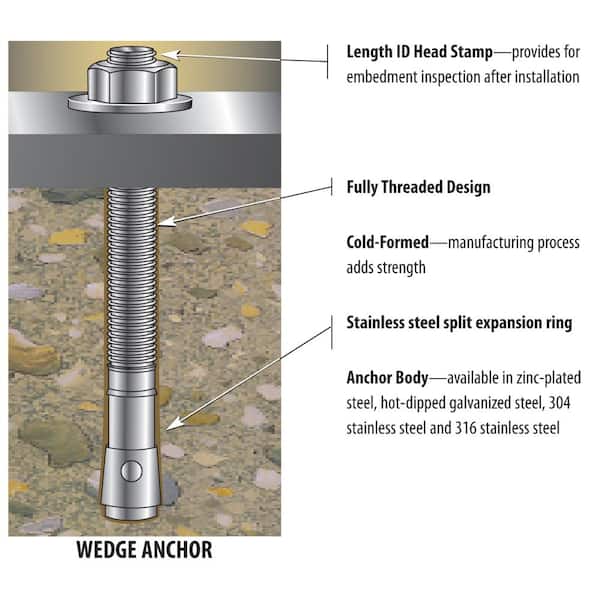
A wedge anchor is a special type of fastener used to fasten objects to concrete or masonry structures. They can be used to secure a piece of art to a brick wall, hang conduit or plumbing pipes from the ceiling, or screw an item to the floor.
Example: Installers must select each wedge anchor carefully based on a number of factors. They must consider the load that the anchor will have to support, as well as the composition and condition of the surface where it will be installed.