This glossary contains the words people can use in their business management workplace.
Assets
noun
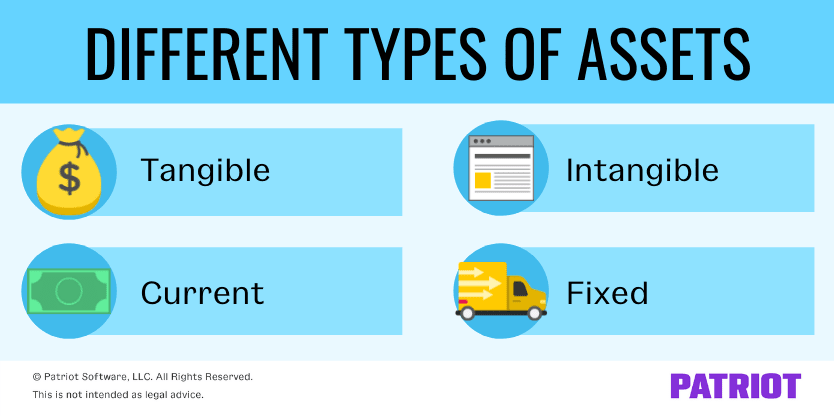
Property owned by a person or company, regarded as having value and available to meet debts, commitments, or legacies.
Example: Alternatively the farm could diversify into organic produce, or make use of other profitable ASSETS .
fr: l'actif
B2B
noun
B2B (business-to-business), a type of electronic commerce (e-commerce), is the exchange of products, services or information between businesses, rather than between businesses and consumers (B2C).
Example: The application of e-collaboration in this delivery company is the B2B (business to business) collaboration.
fr: B2B
B2C
noun
B2C stands for business-to-consumer, as in a transaction that takes place between a business and an individual as the end customer.
Example: McDonald's is a business serving fast-food to consumers and individuals and can be identified as one of the biggest B2C companies in the world.
fr: B2C
Balance Sheet
noun
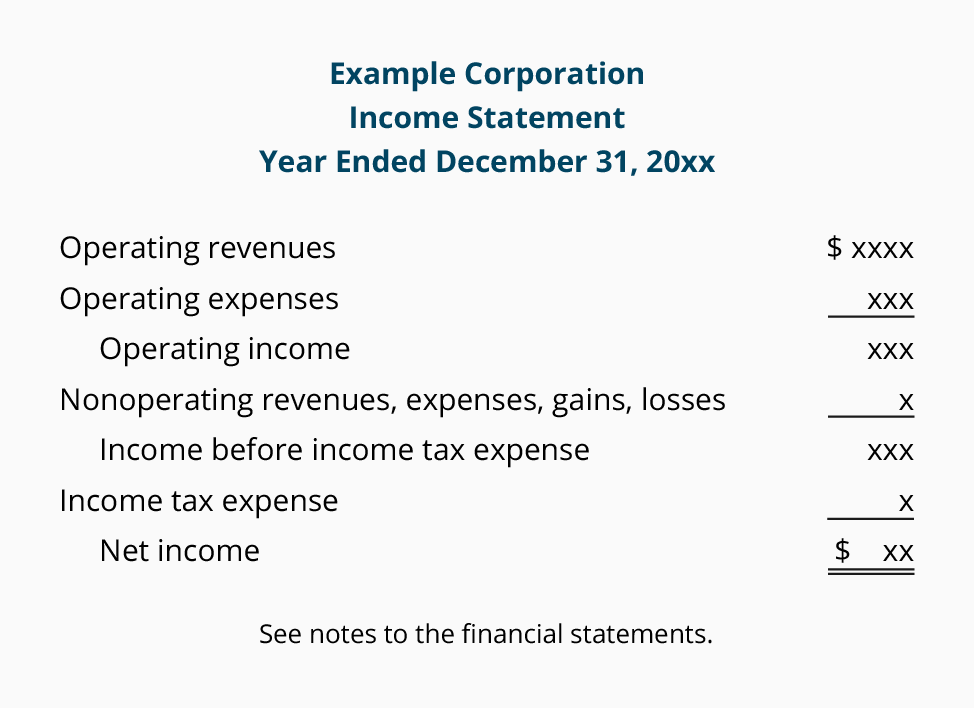
A statement of the assets, liabilities, and capital of a business or other organization at a particular point in time, detailing the balance of income and expenditure over the preceding period.
Example: It is an accounting progress which obeys the accounting standard and ends with preparation of profit and loss account, BALANCE SHEET and cash flow statement.
fr: Bilan
capital
noun
Wealth in the form of money or other assets owned by a person or organization or available or contributed for a particular purpose such as starting a company or investing.
Example: Rates of return on invested capital were high.
fr: Capitale
CEO
noun
a chief executive officer, the highest-ranking person in a company or other institution, ultimately responsible for making managerial decisions.
Example: Hierarchical structure with CEO, top management, store managers and staff
fr: PDG
Expense
noun
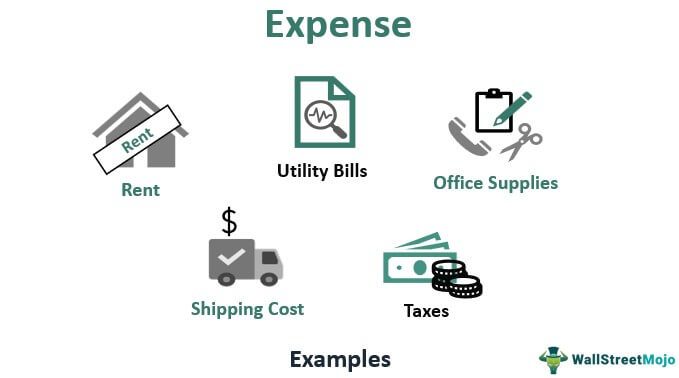
The cost required for something; the money spent on something.
Example: Also, in 2002 Audi showed a big improvement in various financial results as a result of the "reduced EXPENSE for the compounding of long-term provisions thanks to lower capital market interest rate".
fr: dépense
Income
noun
Money received, especially on a regular basis, for work or through investments.
Example: After a series of reforms, in 2002, the Brazilian government launched a new policy for Technical Assistance and Rural Extension (ATER), which aims to promote sustainable agriculture, and generate INCOME and employment.
fr: Revenu
Liabilities
noun
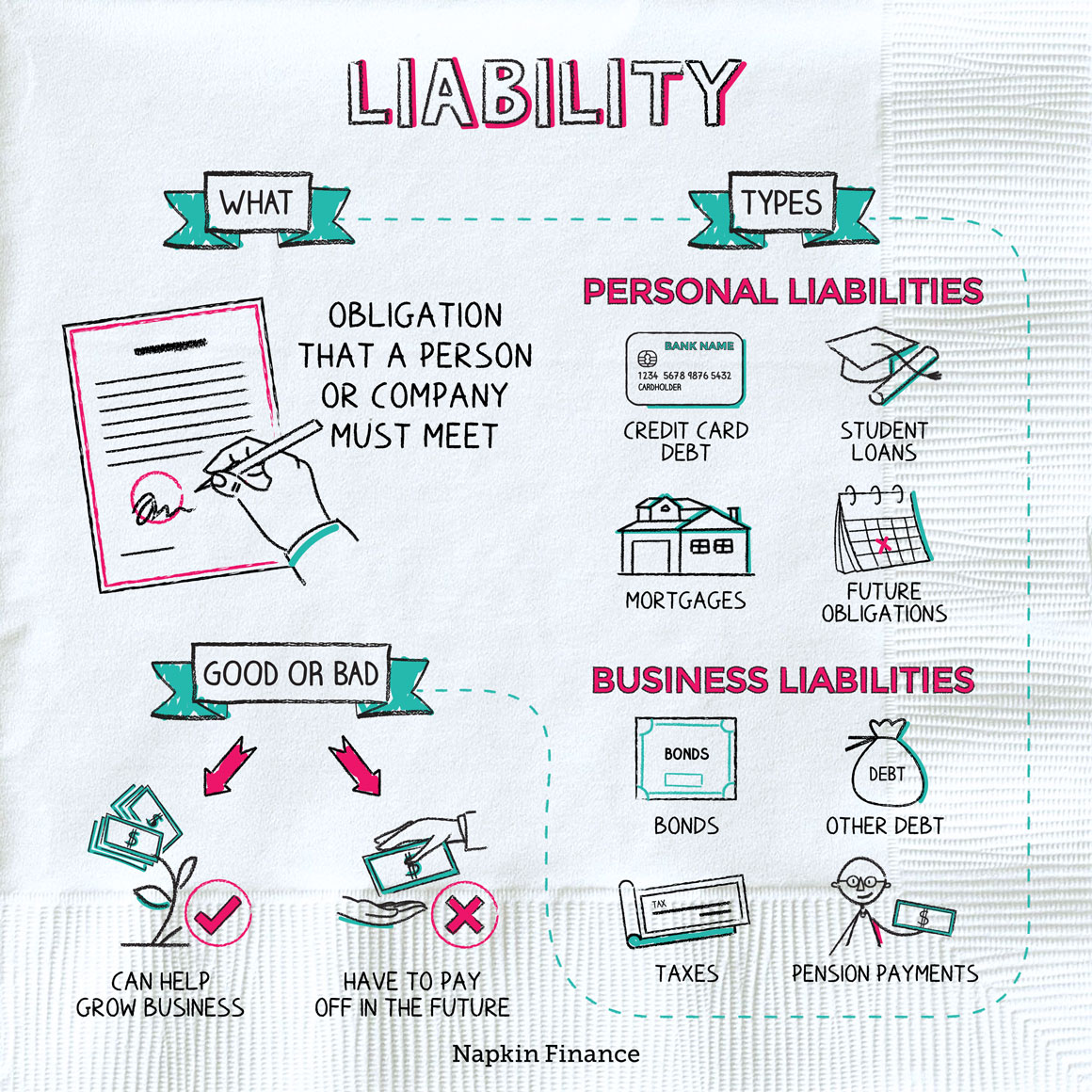
A liability is something a person or company owes, usually a sum of money.
Example: The company have to make provisions for 'LIABILITIES and charges'.
fr: Passifs
Profit
noun
A financial gain, especially the difference between the amount earned and the amount spent in buying, operating, or producing something.
Example: Most owners want to maximize their PROFIT.
:max_bytes(150000):strip_icc():gifv()/Business-to-Business_B2B-v1-7faaca53942c4ba7ab038f16f9b1dfd4.png)