The glossary contains specifics words that people use to describe or talk about this domain.
Acclimatization
noun
The meaning of acclimatation is the process or result of acclimating; especially : physiological adjustment by an organism to environmental change.
Example: The ACCLIMATIZATION of the carp in America has been a great success, especially in the northern waters, where, the growth continuing throughout the entire year, the fish soon attains a remarkable size.
fr: Acclimatation
Anatomy
noun
The branch of science concerned with the bodily structure of humans, animals, and other living organisms, especially as revealed by dissection and the separation of parts.
Example: Rather than indicating that substrate size is insignificant in primate evolution, this perhaps suggests the degree to which travel in terminal branches has shaped primate ANATOMY.
fr: Anatomie
Biome
noun
A biome is a large area characterized by its vegetation, soil, climate, and wildlife.
Example: Small range size is associated with forest BIOME, and the few species that inhabit savannah or woodland habitats tend to be more widespread.
fr: Biome
Biosphere
noun
The regions of the surface, atmosphere, and hydrosphere of the earth (or analogous parts of other planets) occupied by living organisms.
Example: The biologist E.O.Wilson also argues that humans have an innate affiliation with other living organisms, a capacity which he calls biophilia, and that our evolutionary heritage means that all living things are genetically and behaviourally bonded to the BIOSPHERE.
fr: Biosphère
Bog
noun
Wetland with acid peaty soil, typically dominated by peat moss.
Example: The Alnus woodland of North Gill disappeared at around 6000 BP, replaced by encroaching blanket BOG.
fr: Tourbière
Chlorophyll
noun
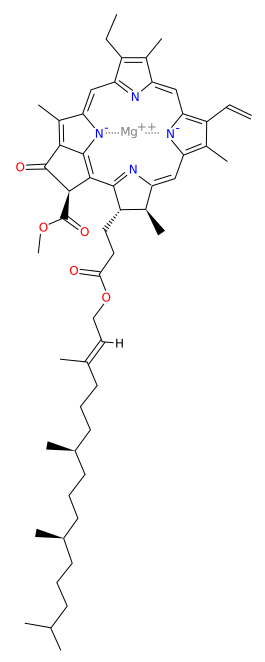
A green pigment, present in all green plants and in cyanobacteria, responsible for the absorption of light to provide energy for photosynthesis. Its molecule contains a magnesium atom held in a porphyrin ring.
Example: This parasite is unable to photosynthesis for itself and therefore lacks CHLOROPHYLL, for example Cuscata epilinum from the dodder family.
fr: Chlorophylle
Diurnal
adjective
(of animals) active in the daytime.
Example: It is mainly Wild Boar raised in extensive systems that can be used for hunting, as those kept in intensive systems become DIURNAL and lose their natural wariness of humans.
fr: Diurne
Echolocation
noun
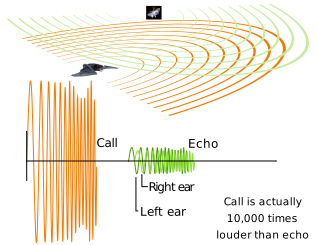
The location of objects by reflected sound, in particular that used by animals such as dolphins and bats.
Example: Field surveys using ECHOLOCATION devices can be used, as well as colony counts as brooding females leave their roosting sites at night to feed.
fr: Écholocation
Ecology
noun
The branch of biology that deals with the relations of organisms to one another and to their physical surroundings.
Example: In order make an educated choice it is essential to be familiar with the species ECOLOGY (e.g. home range, nocturnal diurnal cathemeral, breeding season, detectibility) and the area of study, prior to commencing research.
fr: Écologie
Ecosystem
noun
A biological community of interacting organisms and their physical environment.
Example: Increasing labour cost has led to promote the use of insecticide and herbicide which adversely resulted in the disruption on ECOSYSTEM and the increased risk to human health and environmental pollution (Hong et al , 2004, Sigsgaard, 2000).
fr: Écosystème
Exoskeleton
noun
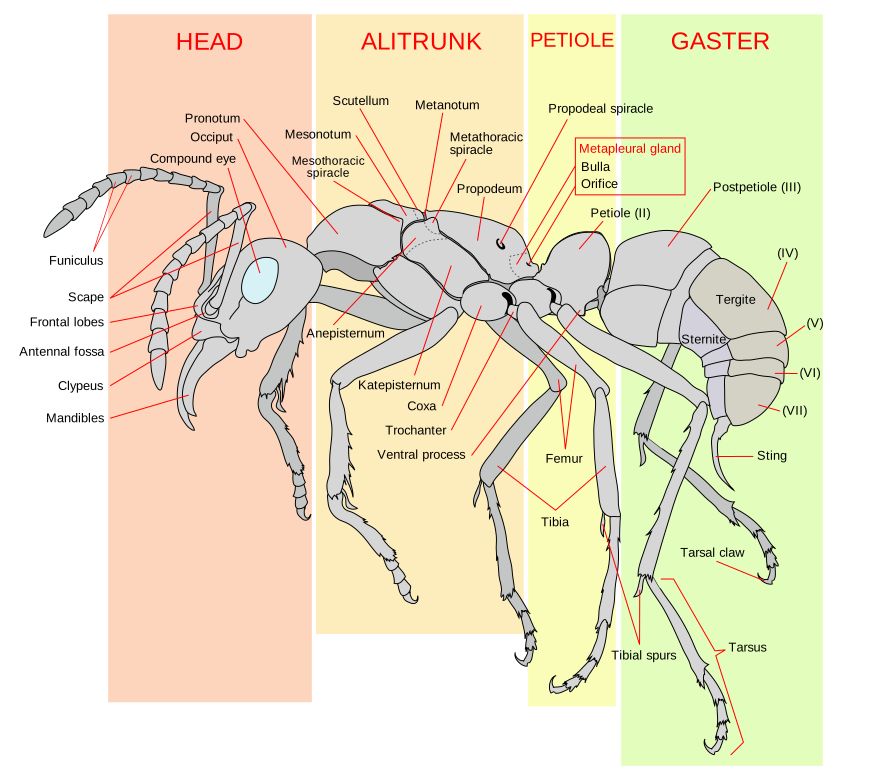
A rigid external covering for the body in some invertebrate animals, especially arthropods, providing both support and protection.
Example: The chitin EXOSKELETON of mealworms or the fur of mammals may also cause blockages if too much is ingested.
fr: Exosquelette
Genotype
noun
The genetic constitution of an individual organism.
Example: Where females disperse a wide distribution of the male GENOTYPE across overlapping ranges may result.
fr: Génotype
Herbivore
noun
An animal that feeds on plants.
Example: The canid usually feeds on wild HERBIVORE species, however, after analysing their scat and stomach contents, it was discovered that wolves in Southern Europe have adapted to feed mainly on other food resources like, fruit, rubbish and domestic ungulates.
fr: Herbivore
Implantation
noun
(in a mammal) the attachment of the fertilized egg or blastocyst to the wall of the uterus at the start of pregnancy, often delayed in some mammals by several months.
Example: In women the processes include ovulation, IMPLANTATION, pregnancy maintenance, childbirth and lactation, and in men the ERα is required for normal testicular function.
fr: Implantation
Karyotype
noun
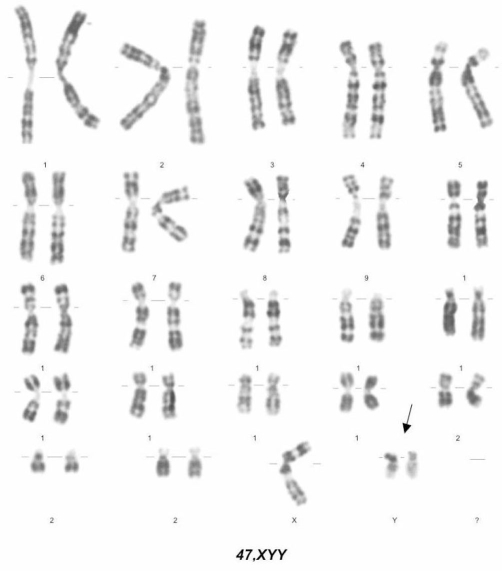
The number and visual appearance of the chromosomes in the cell nuclei of an organism or species.
Example: Much focus of the study will be directed towards the important, but neglected, area of KARYOTYPE analysis though it is a vital diagnostic tool in species recognition.
fr: Caryotype
Metabolism
noun
The chemical processes that occur within a living organism in order to maintain life.
Example: The citric acid cycle also plays a very important anabolic role in METABOLISM, facilitating the production of glycogen, cholesterol, ketone bodies, urea, fatty acids, lactate and alanine.
fr: Métabolisme
Morphology
noun
The branch of biology that deals with the form of living organisms, and with relationships between their structures.
Example: Susman in his 1994 paper examined all available material of the MORPHOLOGY of hand structure of hominins present at this time.
fr: Morphologie
Permafrost
noun
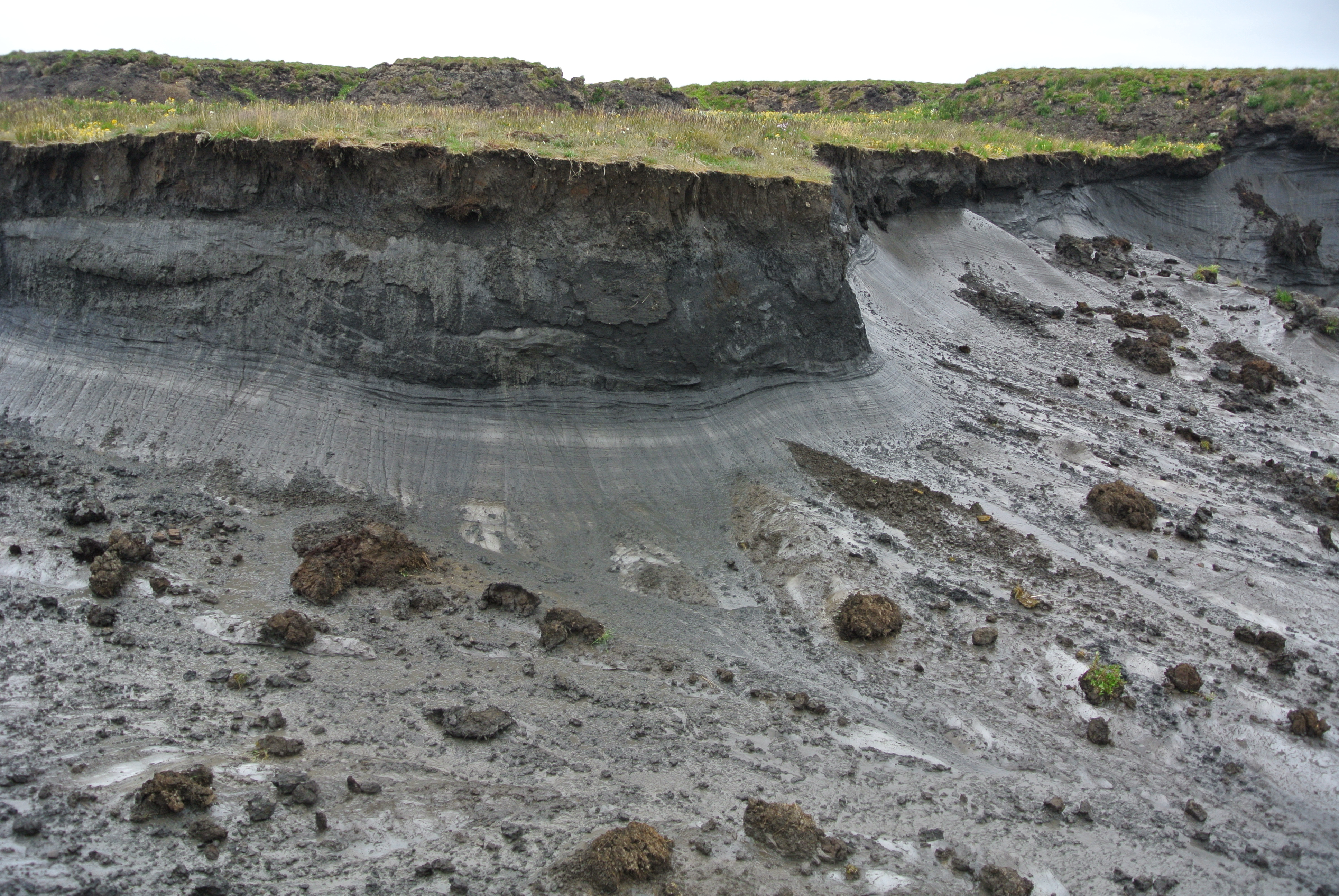
Permafrost is a permanently frozen layer on or under Earth's surface. It consists of soil, gravel, and sand, usually bound together by ice. Permafrost usually remains at or below 0°C (32ºF) for at least two years. Permafrost can be found on land and below the ocean floor.
Example: These interstadials are separated by fossil ice wedge casts identifying PERMAFROST conditions found between horizons.
fr: Pergélisol
Symbiosis
noun
Interaction between two different organisms living in close physical association, typically to the advantage of both.
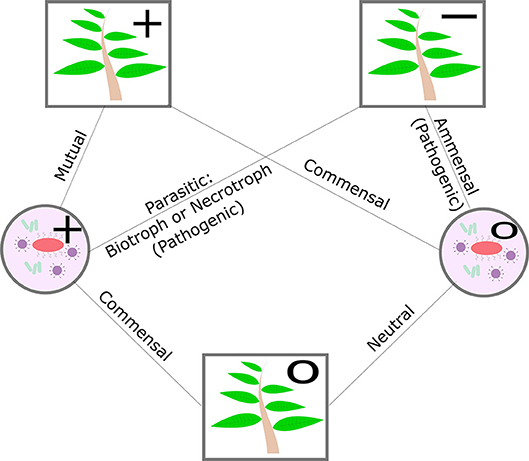
Example: There is a spectrum of SYMBIOSIS: Commensalism -where only one of the organisms benefits but does not harm the other to any significance, Mutualism -where both symbionts benefit, and finally Parasitism -only one organism (here called the parasite) benefits from the relationship but at the detriment of the host.
fr: Symbiose
Taxonomy
noun
The branch of science concerned with classification, especially of organisms; systematics.
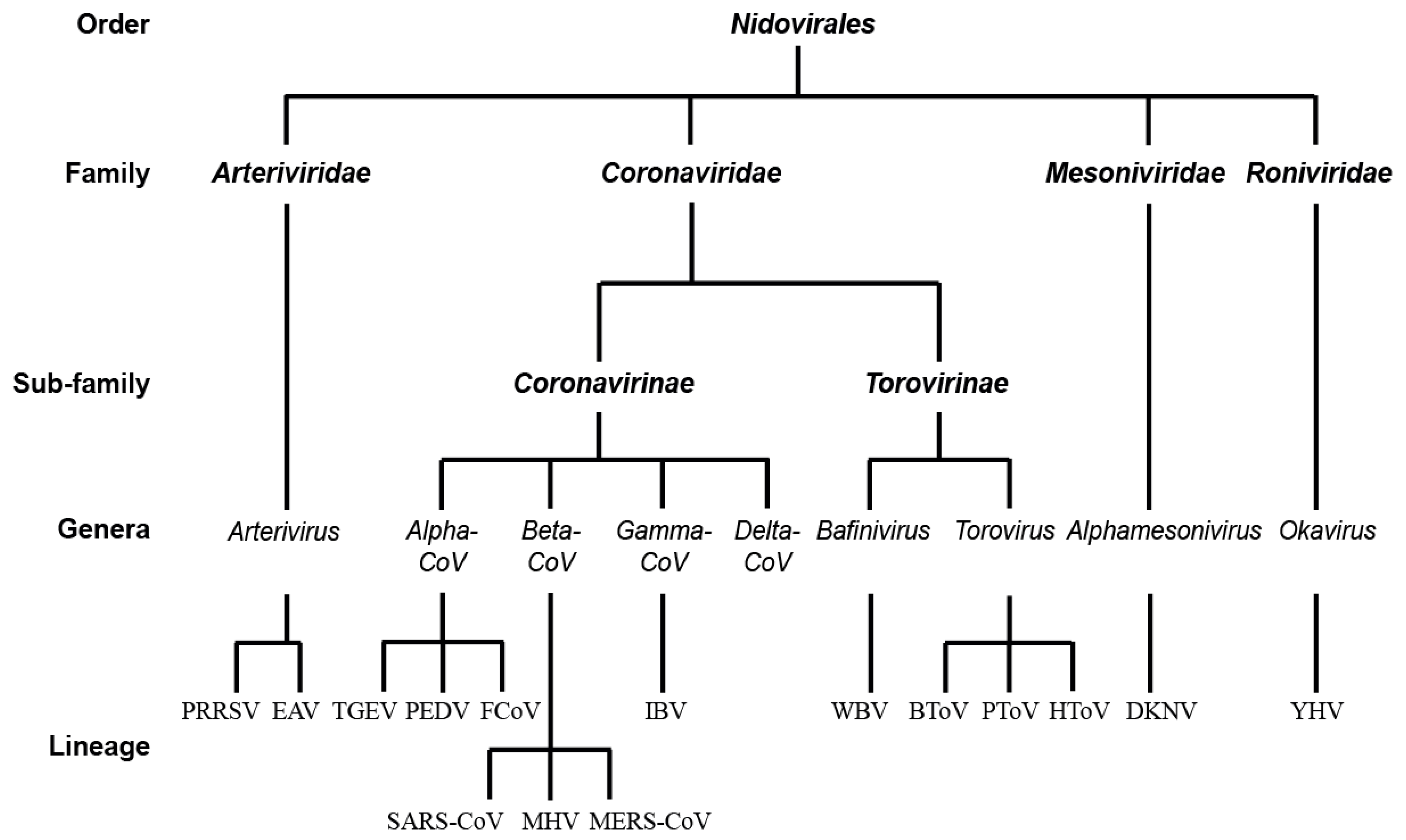
Example: With many years of experience in the field of TAXONOMY and naming of new species, Professor Grubbs' knowledge will help this study to avoid the most obvious fallacies and pitfalls made in taxonomic research.