This glossary is made for an English class at the university, my glossary is aimed at anyone interested in learning architectural terms and concepts
Air-entrained concrete
noun
Air-entrained concrete contains billions of microscopic air cells per cubic foot. These air pockets relieve internal pressure on the concrete by providing tiny chambers for water to expand into when it freezes.
en: Concreto con aire incluido
Architectural concrete
noun
Architectural concrete is concrete that will be permanently exposed to view and therefore requires special care in selection of the concrete materials, forming, placing, and finishing to obtain the desired architectural appearance.
en: concreto arquitectonico
Asphaltic concrete
noun
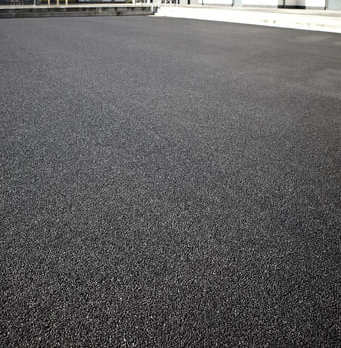
Asphalt Concrete is a composite material commonly used in the construction of roads, highways, airports, parking lots, and many other types of pavement. It is commonly called simply asphalt or blacktop.
en: concreto alfaltico
axis
noun
t is a straight line that joins two points in which spaces and forms can be organized in a regular way, in addition to the fact that this induces the appearance of different perspectives along the route, said line or axis can become imaginary or invisible.
en: ejes
backup wall:
noun
Common interior walls (backup walls) are cold-formed steel framed walls with water-resistant sheathing and concrete masonry. Critical components in masonry veneers exposed to moisture include: Drainage cavity behind veneer wythe.
en: muro de respaldo
borders
noun
the limit of a place or space, can be visible or not
en: bordes
brick courses
noun
A ‘course’ is a measurement referring to the dimensions of the brick AND mortar when they have been sandwiched together. One brick and the mortar together are equal to one ‘course’.
en: lineas de ladrillo
Cellular concrete
noun
Cellular concrete is a specially engineered concrete manufactured by mixing Portland cement, sand, fly ash, water, and pre-formed foam in varied proportions to form a hardened material having an oven-dry density of 50 pounds per cubic foot (PCF) or less.
en: concreto celular
Colored concrete
noun
Colored concrete, also known as decorative concrete, allows traditional grey concrete to be stained and dyed different colors.
en: concreto decorativo o de colores
concrete block
noun
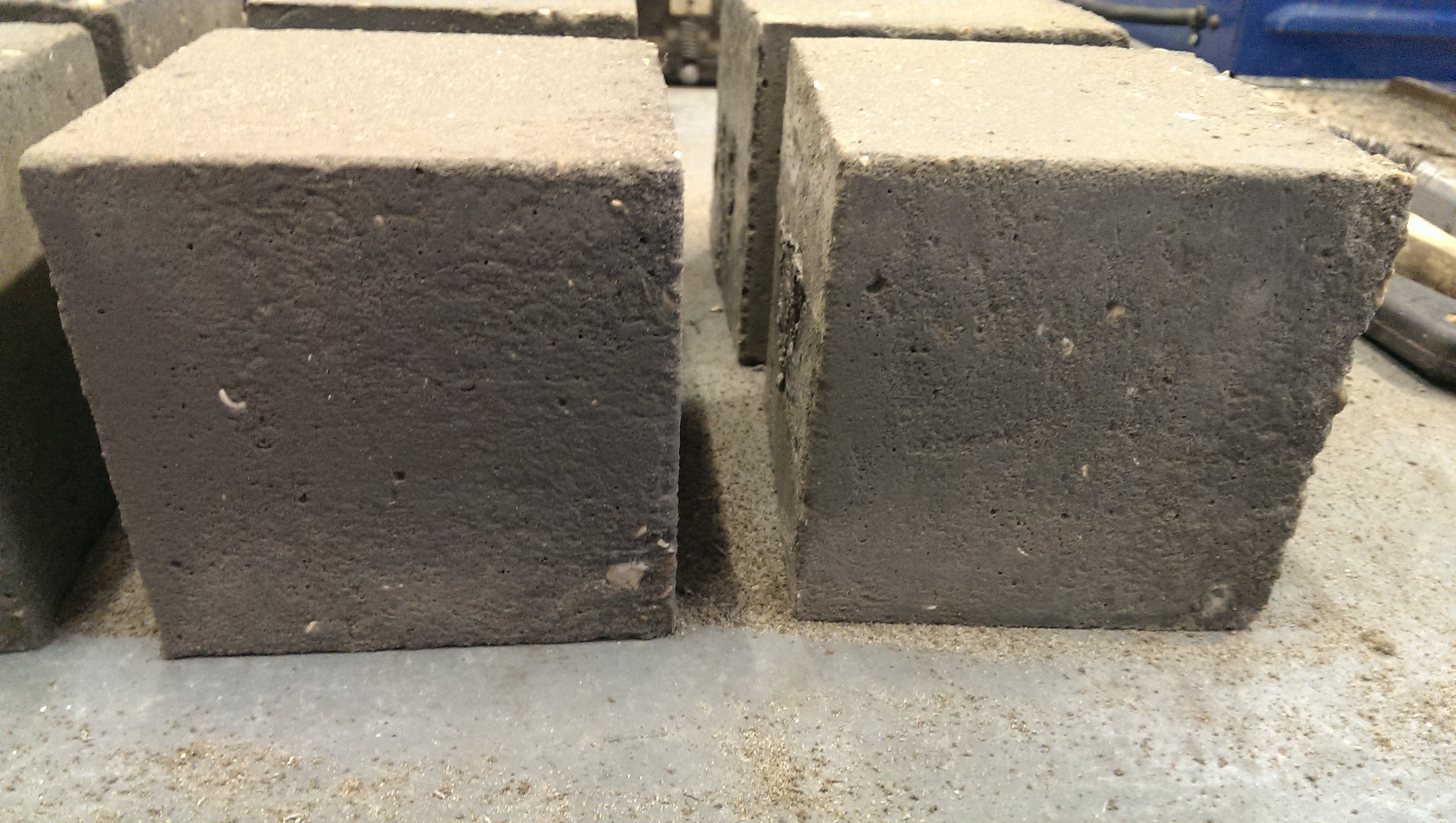
A concrete block is primarily used as a building material in the construction of walls.
Example: the wall ismade with concrete blocks
en: bloque de concreto
Cured concrete
noun
Curing of concrete is defined as providing adequate moisture, temperature, and time to allow the concrete to achieve the desired properties for its intended us
en: Hormigón curado
Dovetail insert
noun
A joint made by inserting tenon on one piece into mortise holes in the other.
Exposed concrete
noun
Exposed concrete refers to concrete whose surface is a visible part of the architectural and interior design of the building. Strictly speaking, this refers to concrete surfaces that were in contact with the formwork shell when they were produced.
en: concreto expuesto
gravity load
noun
Gravity loads are the vertical forces that act on a structure. The weight of the structure, human occupancy and snow are all types of loads that needs to have a complete load path to the ground.
en: Carga de gravedad
Green concrete
noun
Green concrete is defined as a concrete which uses waste material as at least one of its components, or its production process does not lead to environmental destruction, or it has high performance and life cycle sustainability.
en: concreto verde
grid
noun
The grid is created by establishing a regular pattern of points that define intersections. The grid is established through constant reference points and lines located in space and, although they differ in size, shape, they can share a common relationship.
en: Trama
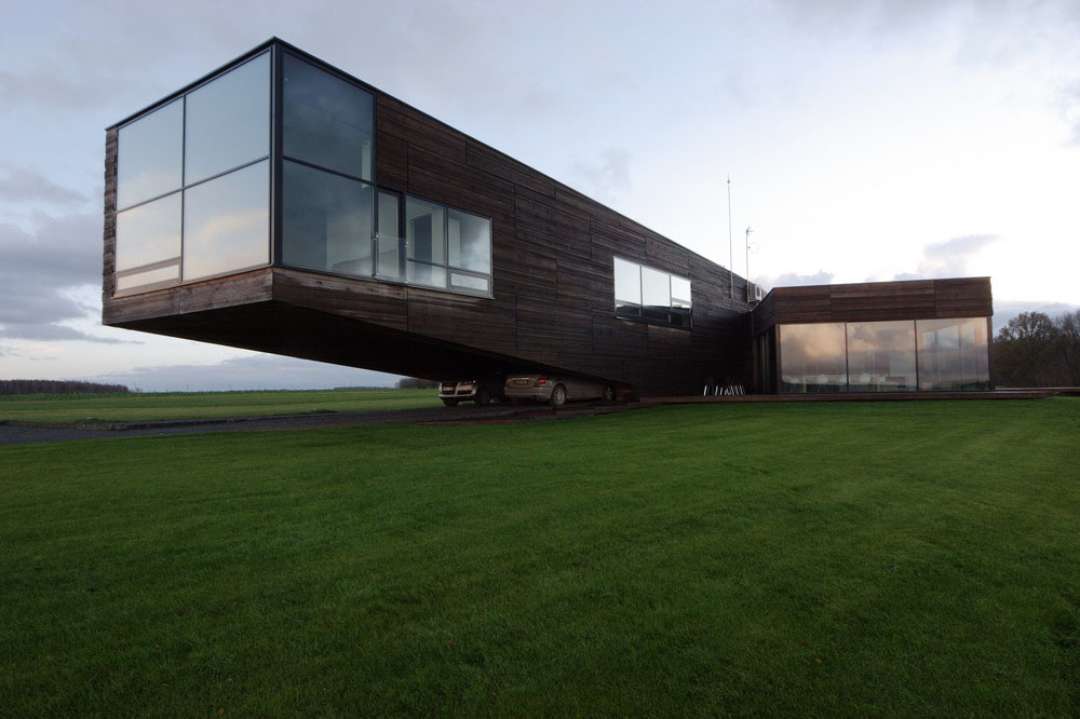
hanging off
adjective
To be suspended from something
Example: The ornaments hang off the chandelier
en: estar colgado de
horizontal mortar joints
noun
In masonry, mortar joints are the spaces between bricks, concrete blocks, or glass blocks, that are filled with mortar or grout.
en: Juntas de mortero horizontales
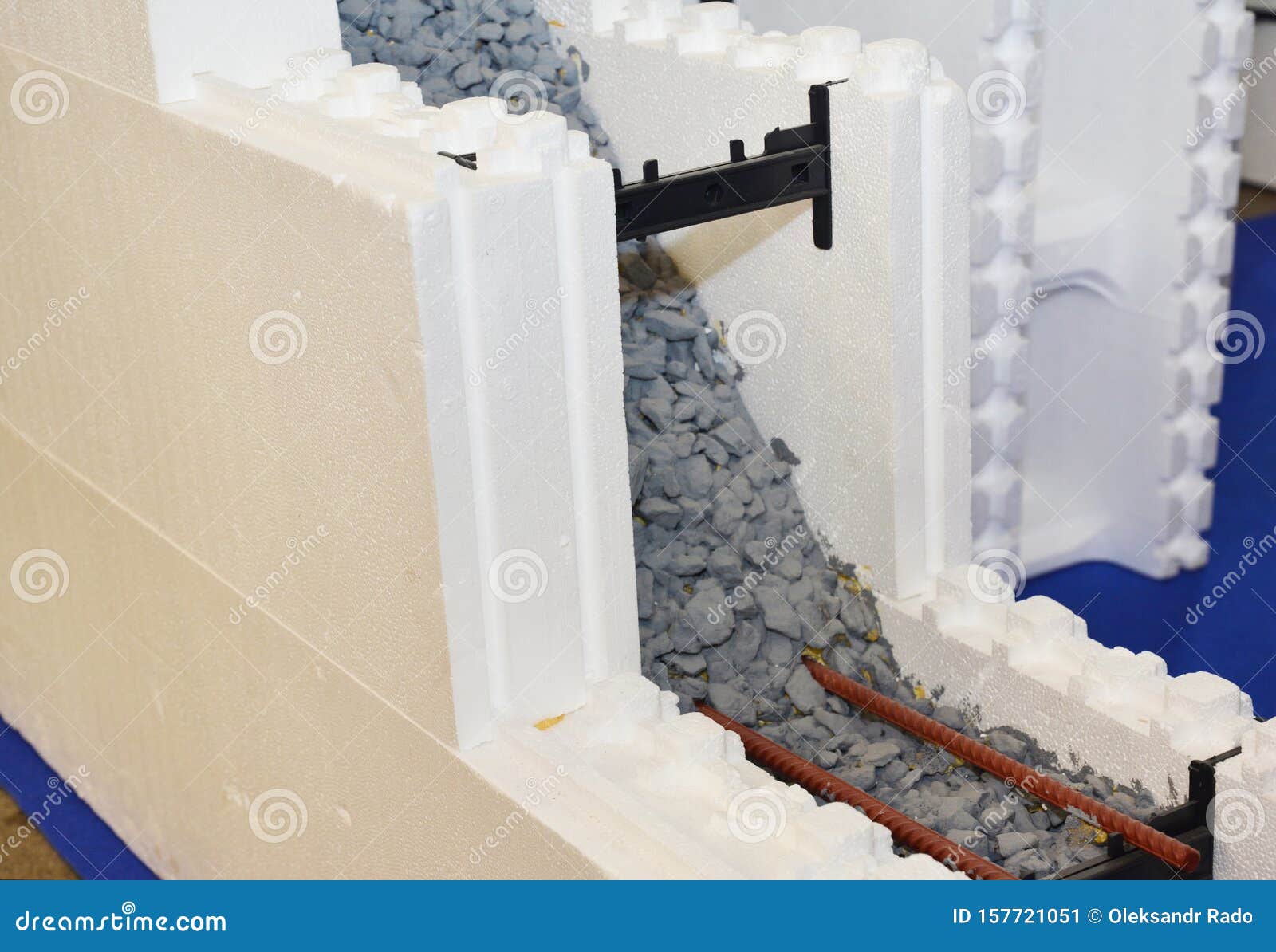
Insulating concrete
noun
Insulating concrete forms (ICFs) result in cast-in-place concrete walls that are sandwiched between two layers of insulation material. These systems are strong and energy efficient.
en: concreto asilante
ladder-type systems
noun
Ladder system means two main air lines, generally one each side of the railway tracks, cross connected at regular intervals and able to be fed from any direction.
en: sisteam en forma de escalera
landmark
noun
they are reference points that are recognized by everyone in a site, they are elements that are seen, and unlike nodes, they are not penetrated. That is the emblematic, recognizable, and identifiable points.
en: hito
Laterally
adjective
At, toward, or from the side or sides; sideways
en: de manera lateral
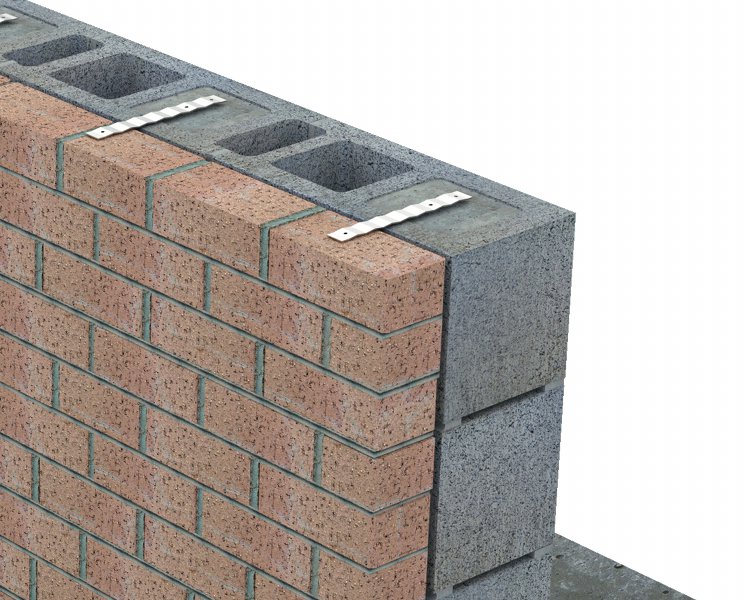
Mansory ties
noun
Masonry ties fit in the horizontal mortar joints and are attached to the backup wall or structure. They tie the brick back to the structure and support it laterally.
en: Lazos o amarres de albañilería
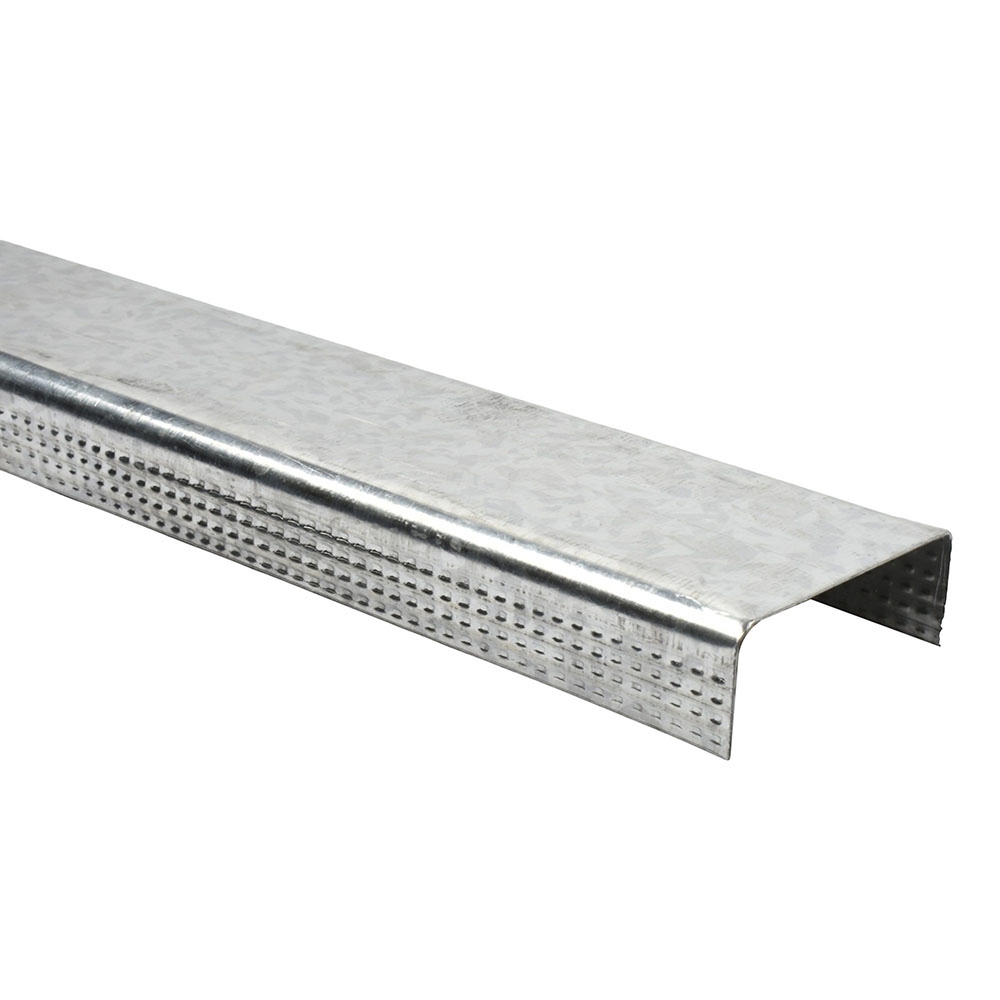
Metal channel
Noun
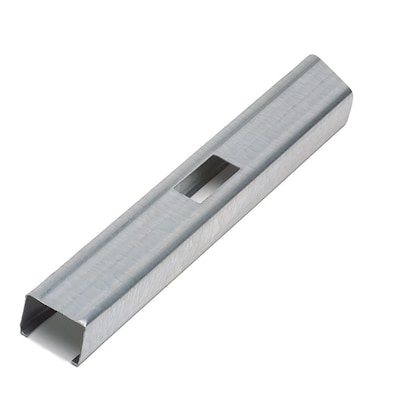
It is a metallic structure whose manufacture is made with galvanized sheets. They are also known by the name "metal profiles".
Example: It is used on walls of structures such as garages.
en: Canal mecanico
Metal decking
Noun
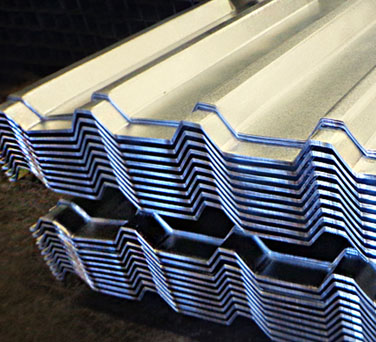
A corrugated sheet is a galvanized structural element that is used as a cover.
Example: Most often it is covered with concrete to form floor or ceiling slabs.
en: Cubierta metálica
Metal framing
noun
Metal framing generally refers to cold-formed, light-gauge studs, channels, and other shapes.
en: Estructura de metalica
Metal grating
noun
The steel grid is a reticular structure made up of load-bearing slabs joined orthogonally by transverse elements.
en: Rejilla metálica
Metal panel
Noun
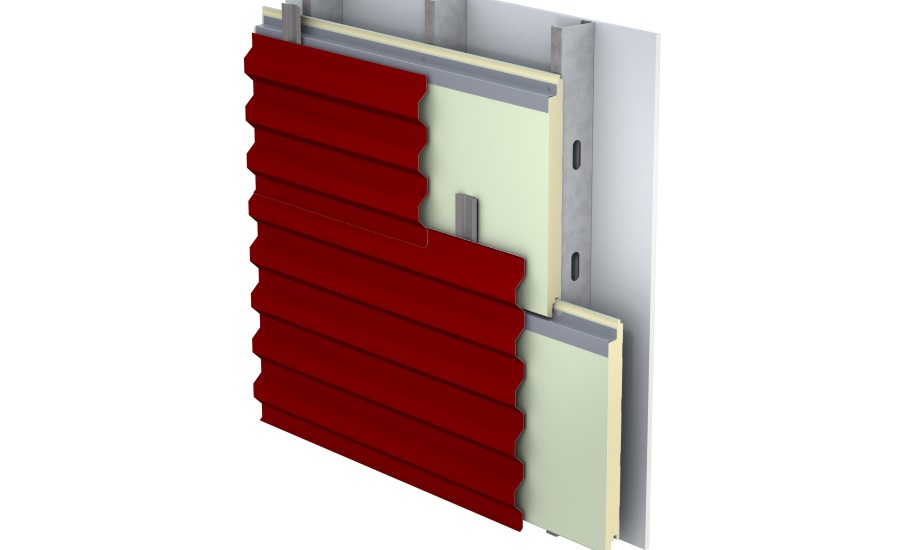
The metal panel is a general term describing any flat, thin sheet of metal. It can be any type of metal.
Example: It can be any type of metal (stainless steel, aluminum, titanium, etc.), it is used in structures and also as coatin
en: Panel metalico
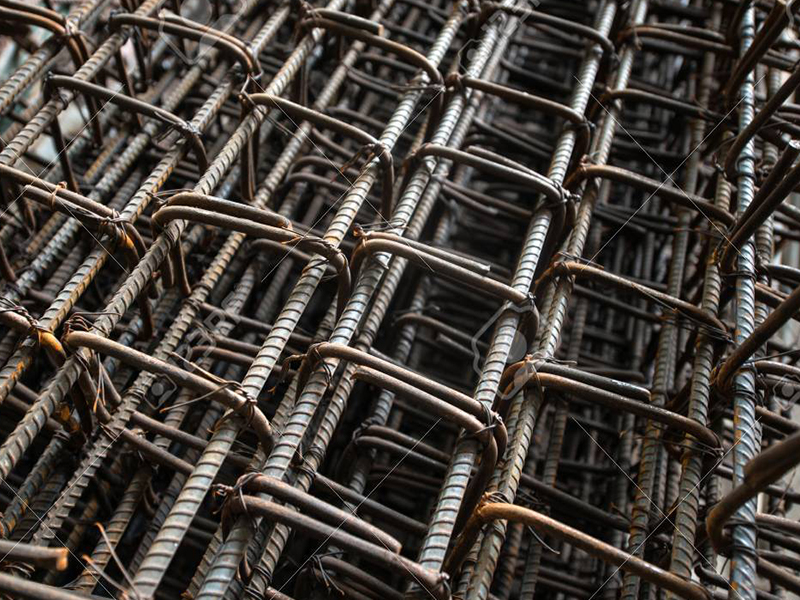
Metal rod
noun
It is a metal bar that is used for the construction of internal structures in buildings.
Example: Metal rods can be seen in reinforcements such as castles, concrete dalas, etc.
en: Varilla de metal
Metal roofing
noun
They are metal structures that protect or cover objects or people.
en: cubierta de metal
Metal stud
noun
Are structural elements used to place and stabilize walls.
en: soporte metalico
Metal tubing
noun
Hollow sections are a round, rectangular or square section of steel, which has a structural use.
en: tuberia metalica
multi-story
adjective
Of a building: having more than two stories a multistory apartment building.
Example: Multistory apartment buildings in NYC
en: De varios pisos
node
noun
A point at which lines or pathways intersect or branch; a central or connecting point.
en: nodo
Porous concrete
noun
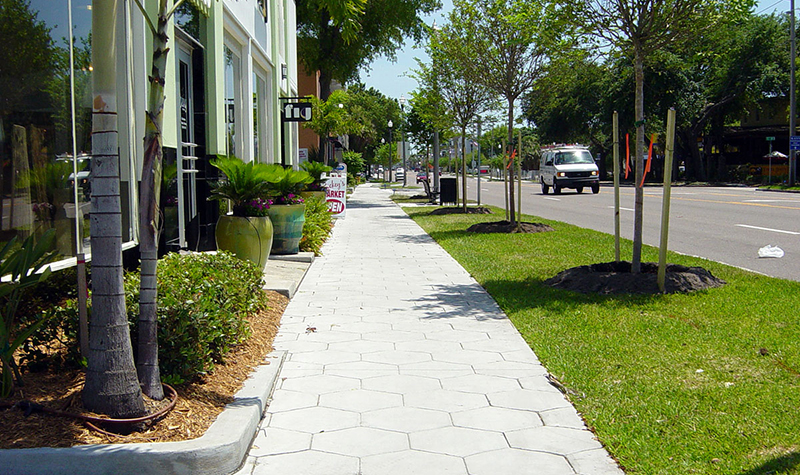
Pervious concrete is a special type of concrete with a high porosity used for concrete flatwork applications that allows water from precipitation and other sources to pass directly through, thereby reducing the runoff from a site and allowing groundwater recharge.
en: concreto poroso
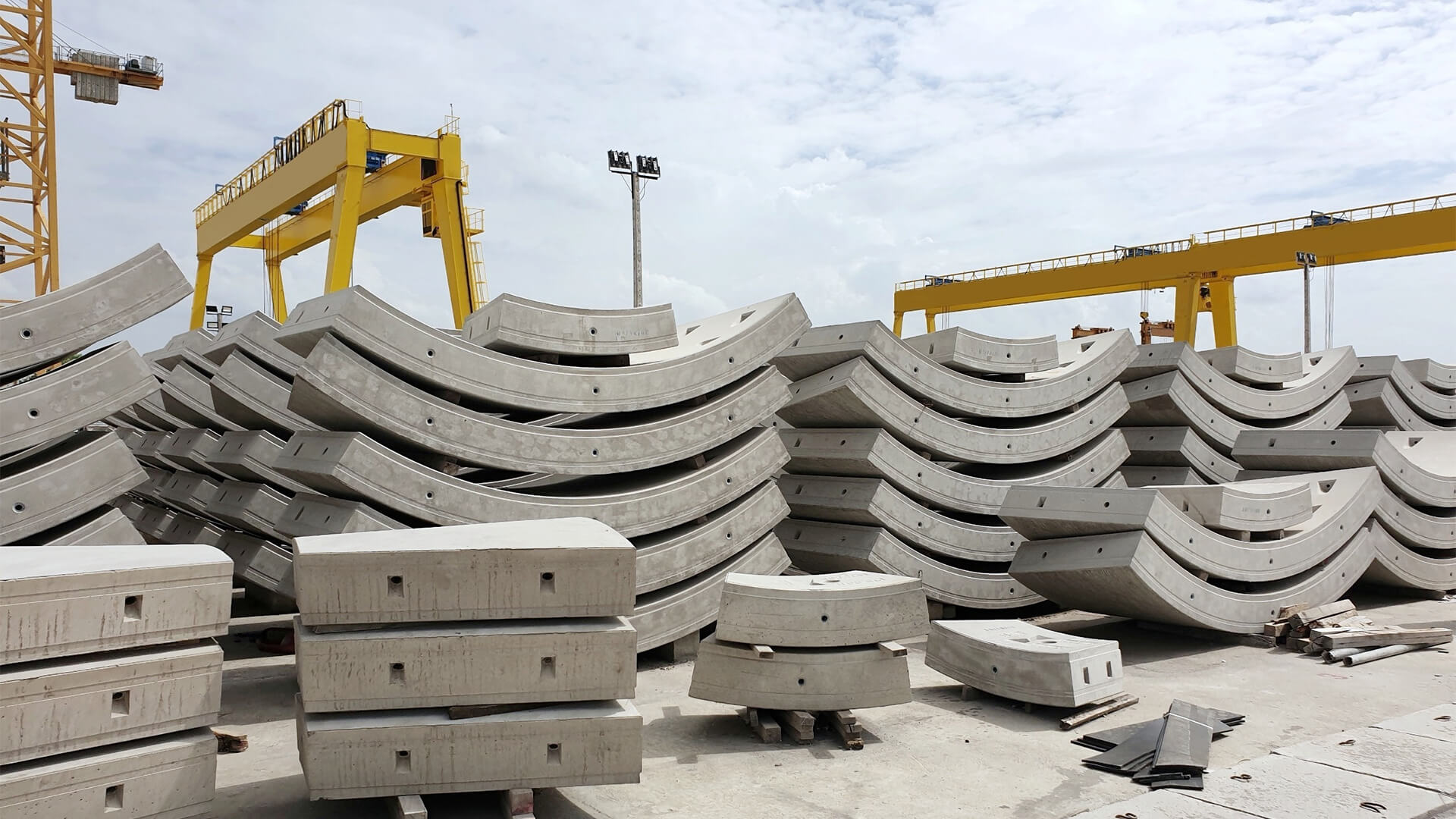
Precast concrete
noun
Precast concrete is simply concrete that is cast somewhere other than where it will be used. Most precast products are cast in a factory using a wet-cast method, but others are cast on-site—such as tilt-up panels.
en: concreto prefabricado
Prestressed concrete
noun
The principle behind prestressed concrete is that compressive stresses induced by high-strength steel tendons in a concrete member before loads are applied will balance the tensile stresses imposed on the member during service.
en: concreto pretensado
Reinforced concrete
noun
Reinforced concrete, Concrete in which steel is embedded in such a manner that the two materials act together in resisting forces.
en: concreto reforzado
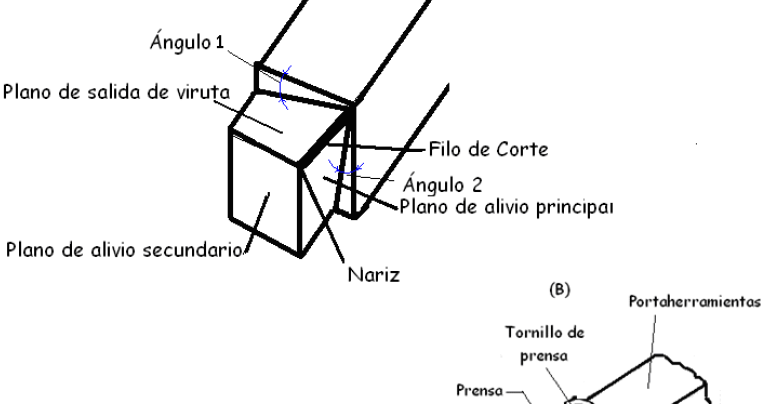
Relief angle
noun
It's called a relief angle because it relieves the weight from the brick courses below and transfers it to the structure. Basically, the brick is hanging off the structure at each relief angle or shelf angle.
Example: The relief angle on a machine tool is the angle edge of the tool nearest the work piece
en: Ángulo de alivio
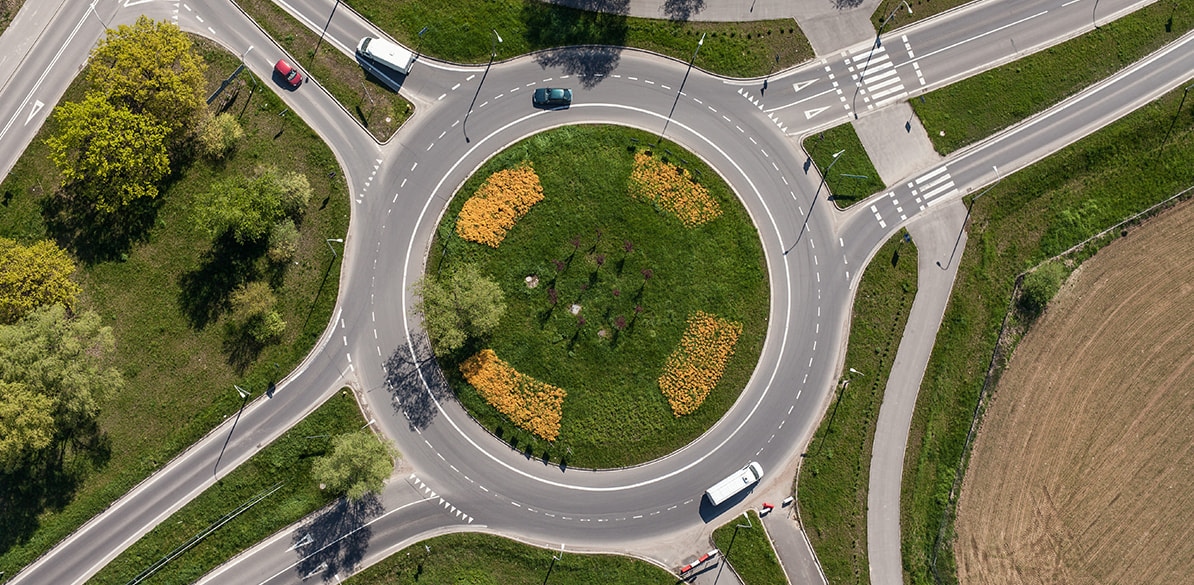
Routes and circulation
nouns
Where the path goes and establish a route
en: trayectos y circulación
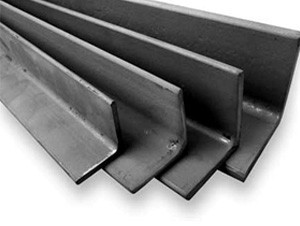
Steel angle
noun
Steel Angles are the most basic type of roll-formed steel. They are formed by bending a single angle in a piece of steel.
en: angulo de acero
Steel beam
noun
Steel beams are metal structures that support large amounts of weight.
en: vigas de acero
Steel column
noun
The steel columns are construction elements that are made in the factory, although occasionally modifications of any kind can be made to them in the field.
en: columna de acero
Steel joist
NOUN
The joists are responsible for being a foundation for the upper floors of an enclosure. That is why they are mostly used to support the weight of the concrete and the other elements that go on top of the slab on an upper floor or on the roof of a place.
en: Vigueta de acero
Steel member
noun
Steel members are structural elements capable of large deformations and still resist large forces.
en: Miembro de acero
Steel plate
noun
Steel plate is mainly used for surface applications in some structures, normally the plate is also used for tube manufacturing.
en: placa de acero
Steel reinforcement
noun
As its name indicates, it is used for the reinforcement of structures and other works that are subject to high loads. The steel is embedded in the concrete so that it can withstand both tension and compression stresses.
en: acero de refuerzo
Steel rod
noun
Long and solid piece of steel, with a smooth surface and circular section.
en: Barra de acero
Steel sections
noun
The steel section describes the profile or shape of a structural steel member. Engineers use the section properties for their calculations.
en: Secciones de metal
Supports
noun
Architectural supports are what hold buildings up. Inadequate architectural supports means the building will fall down.
Example: this building has no exterior supports
en: soportes
tie (something)
verb
To draw and restrain something back and out of the way.
Example: I forgot to tie the horse in the tree
en: atar algo
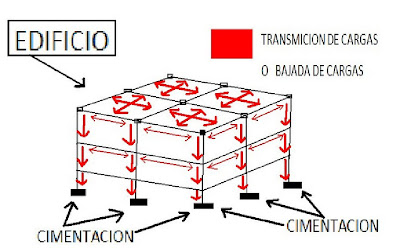
Transfers
noun
The structure of a building must be responsible for transmitting the loads of the weights to the foundation and this distributes it on the ground.
Example: Transmitting the loads of the weights to the foundation
en: trasmisiones de cargas
Unreinforced concrete
noun
The construction technique of reinforced concrete, reinforced concrete or reinforced concrete consists of the combination of two materials, concrete and reinforcing steel.
en: Hormigón no armado
Urban legibility
adjective
Characteristics of a space or territory that alludes to the faculty of its reading, without visual obstruction.
en: legibilidad urbana
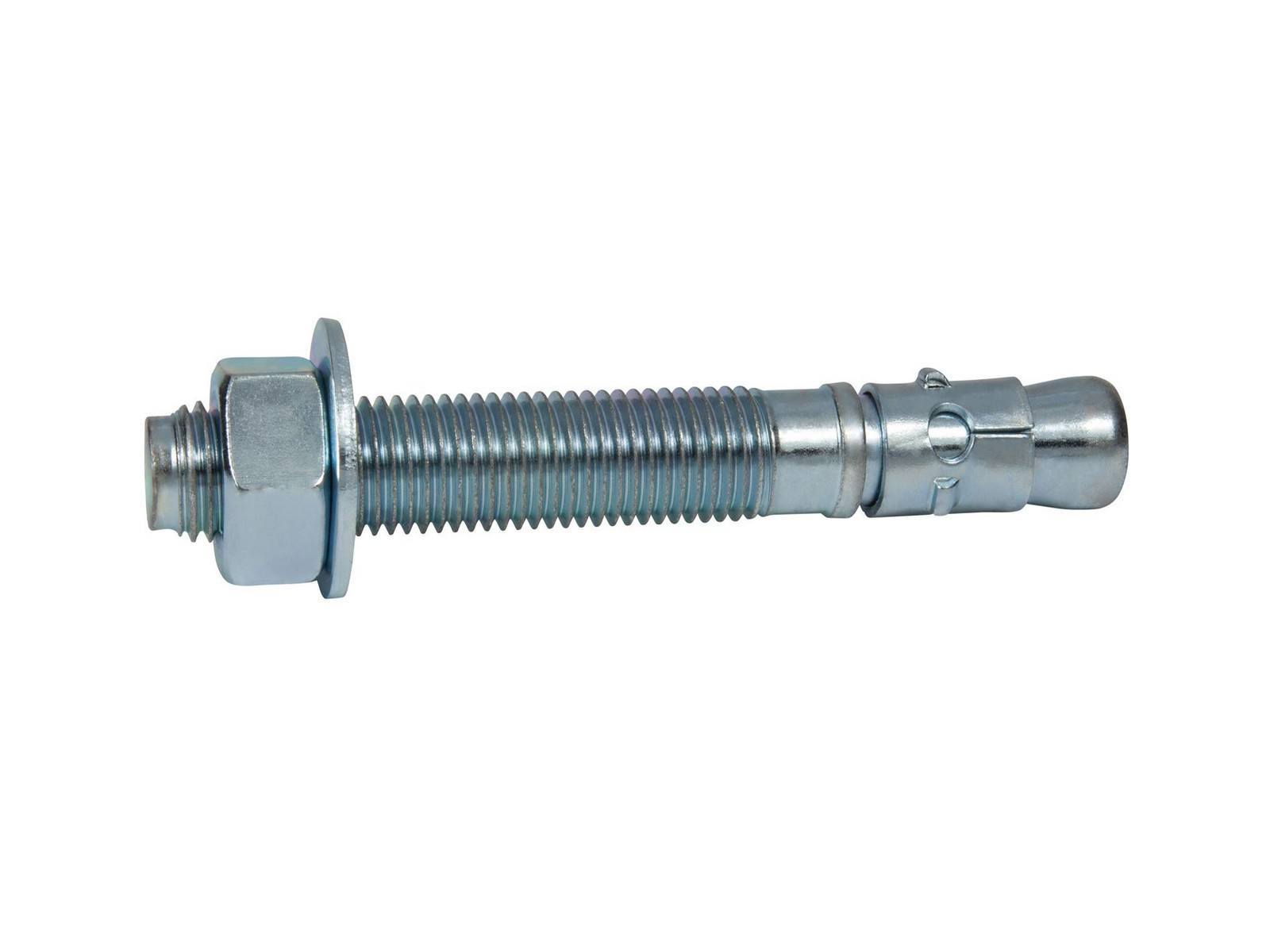
wedge anchor
noun
Heavy duty, stainless steel, one-piece expansion bolt that works by compressing the side sleeve against the hole made in concrete or stone.
Example: Concrete wedge anchors' design allows them to anchor fixtures into concrete.