Glossary for the module comprising the subjects Seminar on Masterpieces and Architectural Analysis II
Air-entrained concrete
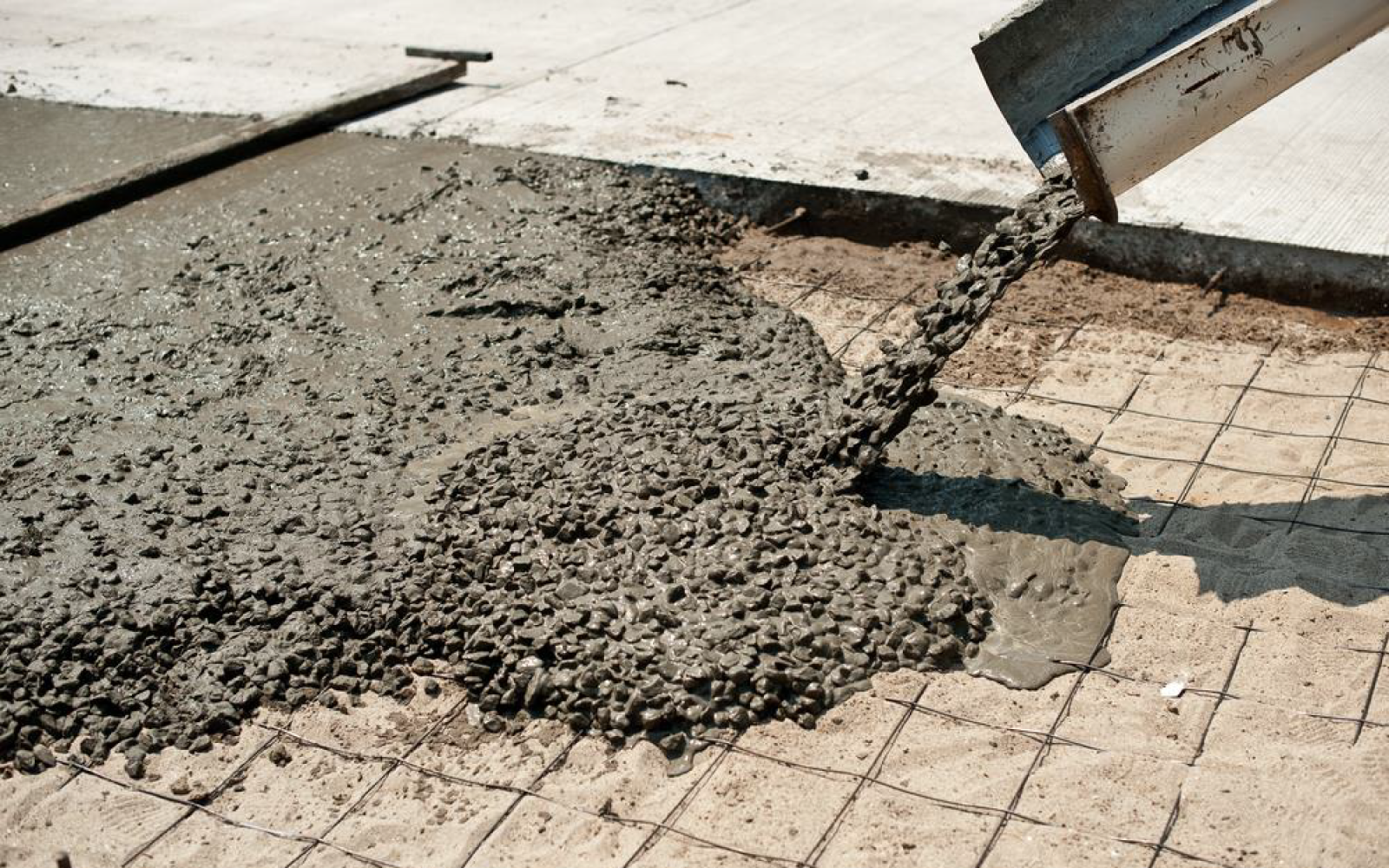
Air incorporation in concrete is the intentional creation of small air bubbles in a batch by adding an air-entraining agent during mixing. A form of surfactant that allows bubbles of the desired size to form.
en: Concreto con aire incluido
Architectural concrete
Architectural concrete refers to concrete that while providing an aesthetic finish to the building also serves a structural function
en: hormigón arquitectónico
Asphaltic concrete
is a composite material commonly used to surface roads, parking lots, airports, and the core of embankment dams.
en: hormigón asfáltico
Axis
It is a straight line that joins two points in space and along which shapes and spaces can be regularly placed. An axis, even if it is imaginary and invisible, is an element with dominant and regulating power that implies symmetry but requires balance.
en: Eje
backup wall
Common interior walls (backup walls) are cold-formed steel framed walls with water-resistant sheathing and concrete masonry. Critical components in masonry veneers exposed to moisture include: Drainage cavity behind veneer wythe.
en: muro de apoyo
brick courses
series of ashlars or bricks that are placed next to each other at the same height on a horizontal surface.
en: Hilada de ladrillos
Cellular concrete
Cellular concrete is a mixture of cement, water, and preformed foam. The purpose of the foam is to supply a mechanism by which a relatively high proportion of stable air voids can be induced into the mixture and produce a cellular or porous solid upon curing of the mixture.
en: hormigón celular
Colored concrete
Colored concrete, also known as decorative concrete, allows traditional grey concrete to be stained and dyed different colors. Concrete has been colored as far back as the early 1900s and was primarily used by companies who made precast structures for building facades.
en: Hormigón coloreado
concrete block
A concrete block is primarily used as a building material in the construction of walls. It is sometimes called a concrete masonry unit
en: bloque de concreto
Cured concrete
Curing of concrete is defined as providing adequate moisture, temperature, and time to allow the concrete to achieve the desired properties for its intended use.
en: hormigón curado
dovetail insert
a joint made by inserting tenon on one piece into mortise holes in the other. verb. fit together tightly, as if by means of a dovetail. type of: fit. make fit.
en: inserto de cola de milano
edge
Linear element that cannot be perceived as a path, but as a barrier to the city.
en: Bordes
Exposed concrete
Exposed concrete refers to concrete whose surface is a visible part of the architectural and interior design of the building. Strictly speaking, this refers to concrete surfaces that were in contact with the formwork shell when they were produced.
en: hormigón visto
gravity load
are body loads available only in Structure . These loads simulate the force of gravity affecting your model. When you define a gravity load, you specify the gravity components of the load in each coordinate direction.
en: carga de gravedad
Green concrete
Green concrete is defined as a concrete which uses waste material as at least one of its components, or its production process does not lead to environmental destruction, or it has high performance and life cycle sustainability.
en: hormigón verde
hanging off
Sujetar algo o alguien de modo que no toque el suelo.
en: colgando
horizontal mortar joints
A joint is the small space between the two surfaces of the ashlars or bricks immediately next to each other in a construction that is filled with mortar or cement in order to join them and bind them solidly.
en: juntas horizontales de mortero
Insulating concrete
is a system of formwork for reinforced concrete usually made with a rigid thermal insulation that stays in place as a permanent interior and exterior substrate for walls, floors, and roofs.
en: hormigón aislante
journey
Space that is or can be traversed from one point to another.
en: Trayecto
ladder-type systems
Ladder system means two main air lines, generally one each side of the railway tracks, cross connected at regular intervals and able to be fed from any direction.
en: sistemas de escalera
Laterally
to the side
en: lateralmente
masonry ties
are ties used to connect multiple masonry beams, often of different materials; anchor masonry veneer to non-masonry backing systems; and connect composite masonry walls.
en: lazos de mampostería
metal bolt
The studs are metal structures.
en: Perno de metal
metal channel
Metal channels are light gauge and cold formed.
Light gauge means slim.
Cold-formed means that they are made by bending thin steel without heating.
en: canal metalico
metal grill
The grid can be structural or non-structural.
en: Rejilla de metal
metal panel
Metal panel is a general term that describes any thin, flat sheet of metal. It can be any type of metal (stainless steel, aluminum, titanium, etc.)
en: panel metalico
metal pipe
Pipe is any shape that is hollow. (open in the middle)
en: Tubería de metal
metal platform
The metal platform is structural. Most often it is covered with concrete to form floor or ceiling slabs. It is sometimes not covered with concrete and only extends between secondary roof framing members and supports roof insulation and roofing materials.
en: Tarima metálica
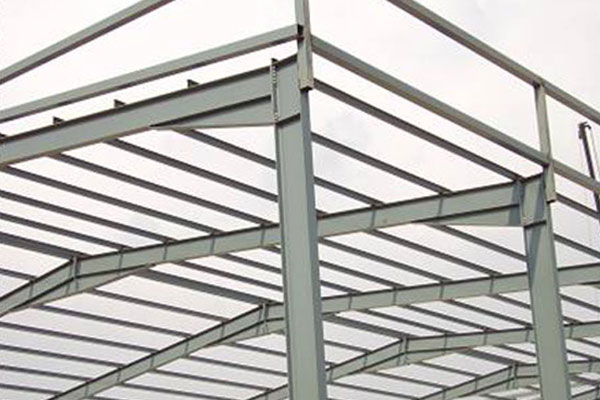
metallic structure
Metal framing generally refers to cold-formed, light-gauge studs, channels, and other shapes.
The metal structure can be structural if it is designed.
en: estructura metálica
Milestones
a space of urban recognition that fulfills the condition of being a physically and structurally outstanding place and/or being a place with an important symbolic load.
en: hitos
multi-story
having more than two stories a multistory apartment building.
en: Varios pisos
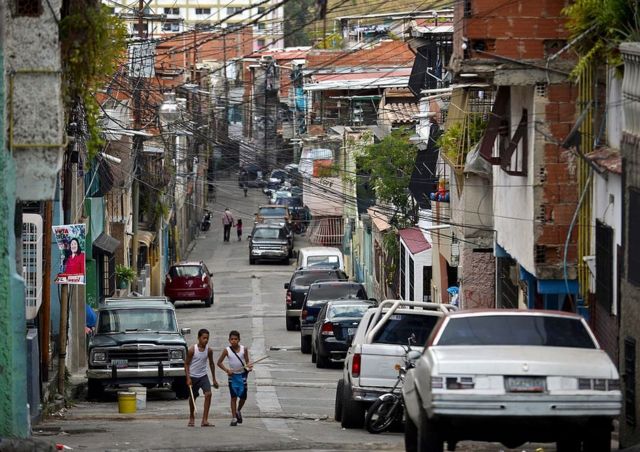
Neighborhoods
Defined sectors in a city with its own identity.
en: Barrios
Node
Are confluences of streets, strategic points, junctions of paths, crossroads, essential to move around the city.
en: Nodo
Paths
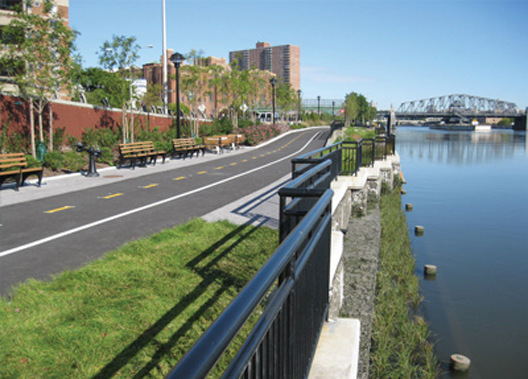
Roads and routes along which every citizen moves throughout his life.
en: Sendas
Plot
the layout of the buildings on the properties, the heights of the building and the built mass, the types of buildings, the local characteristics that the buildings represent.
en: Trama
Porous concrete
pervious concrete is a structural concrete pavement with a large volume (15 to 35 percent) of interconnected voids.
en: hormigón poroso
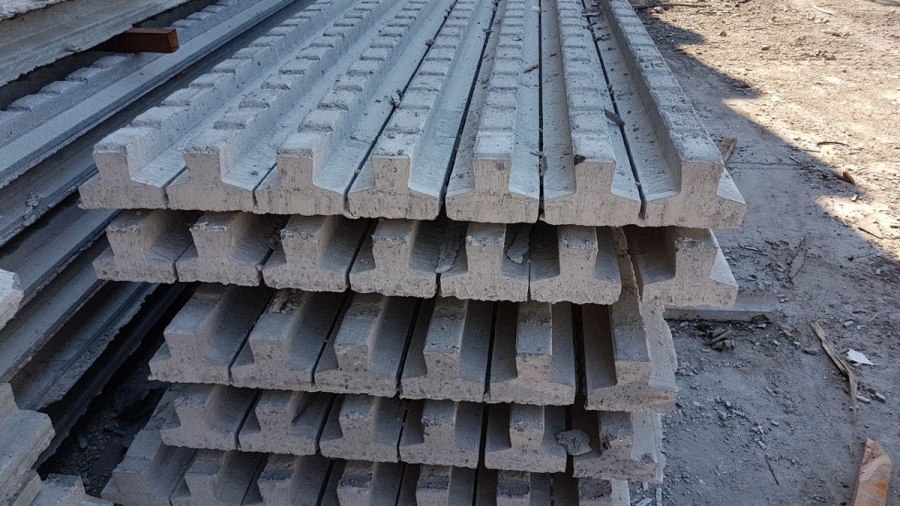
Precast concrete
Precast concrete is a construction product produced by casting concrete in a reusable mold or "form" which is then cured in a controlled environment, transported to the construction site and lifted into place
en: Concreto prefabricado
Prestressed concrete
Prestressed concrete is a form of concrete used in construction. It is substantially "prestressed" (compressed) during production, in a manner that strengthens it against tensile forces which will exist when in service
en: Hormigón pretensado
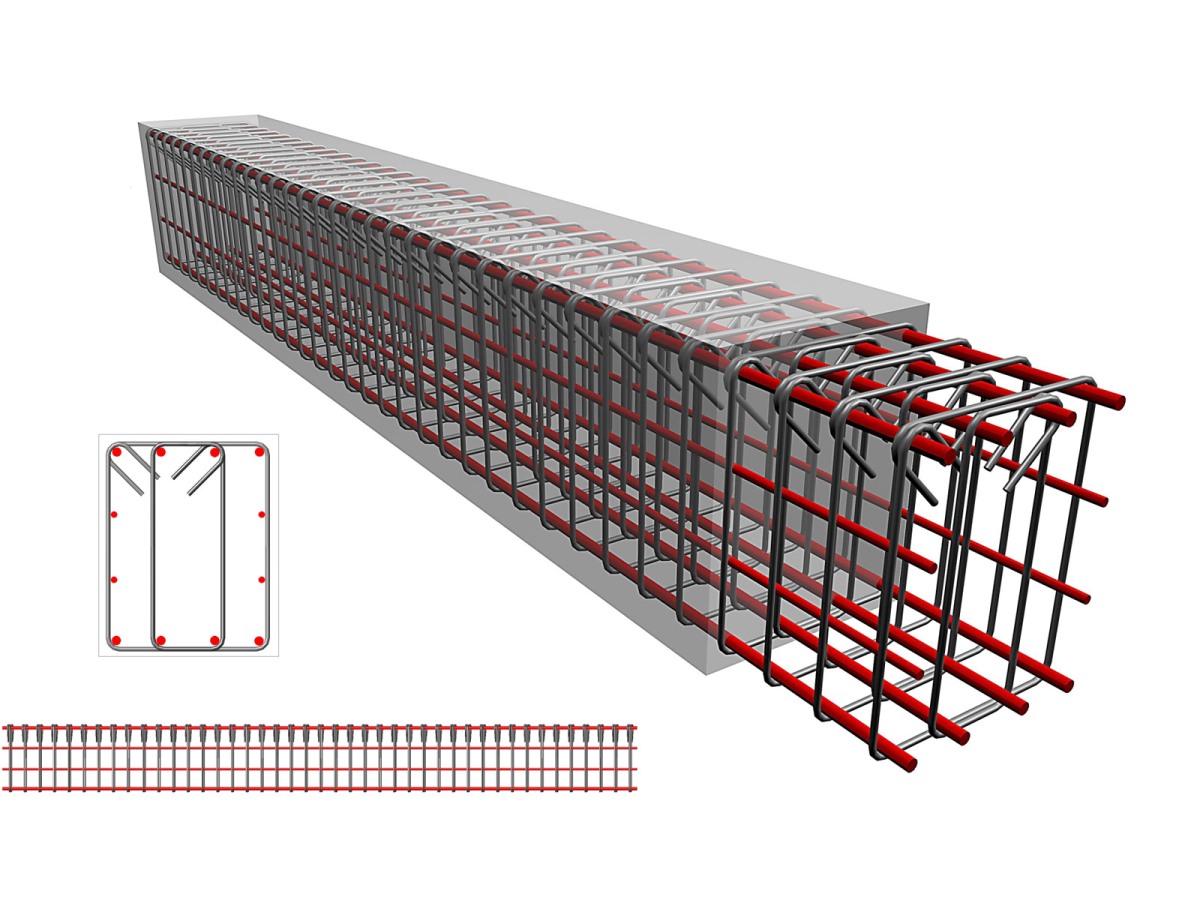
Reinforced concrete
reinforced concrete, concrete in which steel is embedded in such a manner that the two materials act together in resisting forces.
en: Concreto reforzado
relief angle
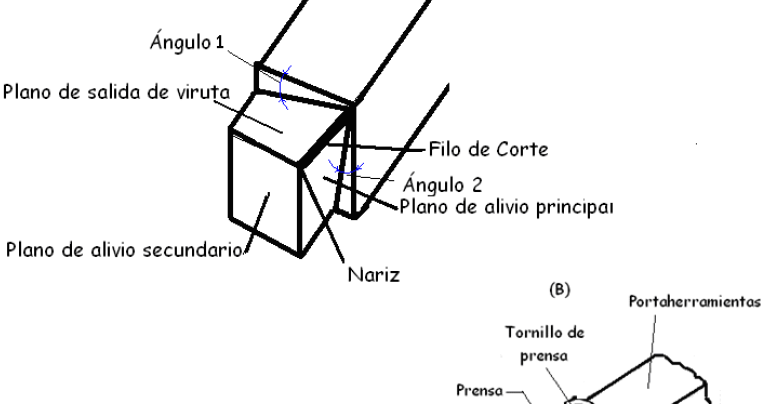
.is a letter indicating the 90° difference measured in a plane normal to the cutting edge generated by the angle between the flank and the top surface of the insert. It allows the cutting edge to work freely and to avoid friction on the workpiece.
en: ángulo de alivio
steel angle
Steel angles are hot rolled and, in most cases, are structural.
en: Ángulo de acero
steel beam
Steel beams are hot-rolled horizontal steel structural members.
en: Viga de acero
Steel column
Steel columns are hot-rolled vertical steel structural members.
en: Columna de acero
steel joist
Also called open web joists.
en: vigueta de acero
Steel plate
The steel plate is often structural.
en: Placa de acero
steel reinforcement
Reinforcement is the general action or function of something.
Reinforcement describes the actual system or object.
en: Refuerzo de acero
steel sections
Steel section describes the profile or shape of a structural steel member. Engineers use section properties for their calculations.
en: Secciones de acero
Steel structure
Steel structure is a general term. They can be structural or non-structural forms.
en: estructura de acero
supports
A thing that receives the weight of another and prevents it from wobbling or falling.
en: Soportes
tie (something)
to fasten together two ends of a piece of string or other long, thin material, or to (cause to) hold together with a long, thin piece of string, material, etc.:
en: atar (algo)
transfers
is a term linked to the verb transferir (to transfer or send something from one place to another).
en: transferencias
Unreinforced concrete
Concrete without reinforcement or reinforced only for shrinkage or temperature changes.
en: hormigón no reforzado
Urban legibility
Quality that allows the study of cities or the simple visitor to clearly identify the most relevant urban elements.
en: Legibilidad Urbana
wedge anchor
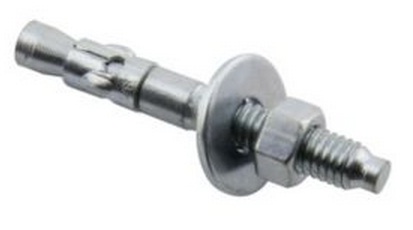
is a fully threaded, stud type, high grade steel anchor. It comes assembled with a three-segment expansion clip and is supplied complete with nut and washer.