Is the intentional creation of small air bubbles in a batch by adding an air-entraining agent during mixing.
Example: Texture used in construction
en: Hormigón con aire incluido
Architectural concrete
Noun
Refers to concrete that while providing an aesthetic finish to the building also serves a structural function.
Example: Used to decorate facades
en: Hormigón arquitectónico
Asphaltic concrete
Noun
It is a composite material used to pave roads, parking lots, airports and the core of dams. It is composed of aggregates, such as crushed stone and sand, and fill mixed with petroleum asphalt.
Example: Avenues
en: Hormigón asfáltico
Axes
Noun
A real or imaginary straight line going through the centre of an object that is spinning, or a line that divides a symmetrical shape into two equal halves
Example: The invisible line of your colony that makes you reach a point of reference always
en: Eje
Backup Wall
Noun
Division of a geographic space by means of a material construction, exerting some kind of control over the things or people that cross that division
Example: The courtyard walls that divide the house from the other buildings
en: Muro de respaldo
Brick courses
Noun
Is a layer of the same unit running horizontally in a wall. It can also be defined as a continuous row of any masonry unit such as bricks, concrete masonry units (CMU), stone, shingles, tiles, etc.
Example: They are used to make walls
en: Cursos de ladrillos
Cellular concrete
Noun
Is a mixture of cement, water, and preformed foam. The purpose of the foam is to supply a mechanism by which a relatively high proportion of stable air voids can be induced into the mixture and produce a cellular or porous solid upon curing of the mixture.
Example: Provides structure, insulation, and fire and mold-resistance. Cellular concrete products include blocks, wall panels, floor and roof panels, and lintels.
en: Hormigón celular
Colored concrete
Noun
Also known as decorative concrete, allows traditional grey concrete to be stained and dyed different colors.
Example: Used on bike paths
en: Hormigón coloreado
Concrete block
Noun
It is a prefabricated masonry, made with fine concrete or cement mortar, used in the construction of walls and walls.
Example: A type of brick but with holes and made of concrete
en: Bloque de concreto
Cured concrete
Noun
Is defined as providing adequate moisture, temperature, and time to allow the concrete to achieve the desired properties for its intended use.
Example: The house where you live
en: Hormigón curado
Dovetail Insert
Noun
The index able dovetail mill allows you to remove metal with high efficiency. The XV cutter allows the fabricator to mount it with a standard face milling spindle. The insert geometry design is effective for chip breaking and chip evacuation.
Example: A type of cutter
en: Inserto de cola de milano
Edge
Noun
Are linear elements that the observer does not use or does not consider as paths. They are the limits between two phases or linear breaks in continuity.
Example: River
en: Borde
Exposed concrete
Noun
Refers to concrete whose surface is a visible part of the architectural and interior design of the building. Strictly speaking, this refers to concrete surfaces that were in contact with the form work shell when they were produced.
Example: Used in house facades
en: Hormigón visto
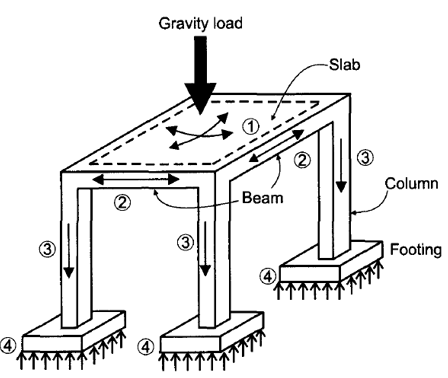
Gravity load
Noun
Are body loads available only in Structure. These loads simulate the force of gravity as it affects your model. When you define a gravity load, you specify the gravitational components of the load in each coordinate direction.
Example: When a beam buckles
en: Carga de gravedad
Green concrete
Noun
Is defined as a concrete which uses waste material as at least one of its components, or its production or does not lead to environmental destruction, or it has high performance and life cycle sustainability.
Example: Biological concrete is considered.
en: hormigón verde
Hanging off
Noun
It is not considered some term, but the complementation of a sentence, however, it could refer to some sign that hangs from some structure or something else.
Example: A sign hanging from a lock
en: Colgando de / colgar de
Horizontal mortar joints
Noun
It is called a joint to the small space between the two surfaces of the immediate bricks of a wall, which is filled with mortar or cement in order to join them solidly.
Example: Any wall
en: Juntas de mortero horizontales
Insulating concrete
Noun
Is a formwork system for reinforced concrete generally made with a rigid thermal insulation that remains in place as a permanent interior and exterior substrate for walls, floors and ceilings.
Example: Insulating materials such as airgel
en: Hormigón aislante
Journey
Noun
Refers to the route a person takes to get from one place to another.
Example: The way from work to home
en: Trayecto
Ladder type systems
Noun
Means two main air lines, generally one each side of the railway tracks, cross connected at regular intervals and able to be fed from any direction.
Example: The conventional home staircase
en: Sistemas tipo escalera
Landmark
Noun
Is a building that because it is popularly known, and valued for its construction technique, its symbolism, its history, can be used as a reference for recognition and orientation of visitors or as a tourist attraction.
Example: A monument
en: Punto de referencia
Laterally
Noun
Load acting horizontally on a structural element or structure.
en: Lateralmente
Masonry ties
Noun
The tie in a hollow wall is a component that is used to join the internal and external walls - built with bricks or cement blocks -, making both parts act as a homogeneous unit.
Example: Foundation reinforcement
en: Lazos de albañilería
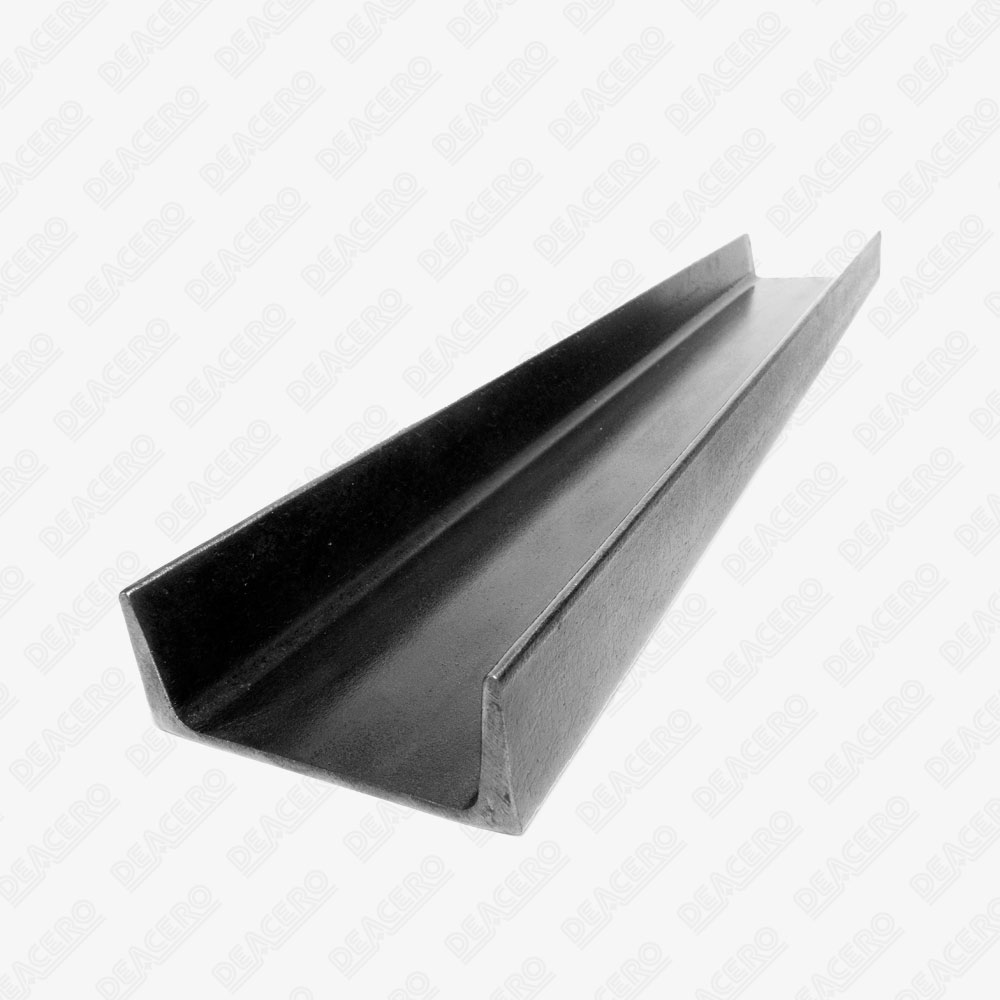
Metal channel
Noun
Is a roll formed metal strip that has been shaped into a tube or a U, J, or C shape for industrial and manufacturing use.
Example: Due to its high resistance, the metal channel can be used on the floor or in places with heavy traffic of people.
en: Canal metalico
Metal decking
Noun
Is corrugated metal sheeting that's used as a structural roof deck or composite floor deck.
Example: That's used as a structural roof deck or composite floor deck.
en: Tarima metálica
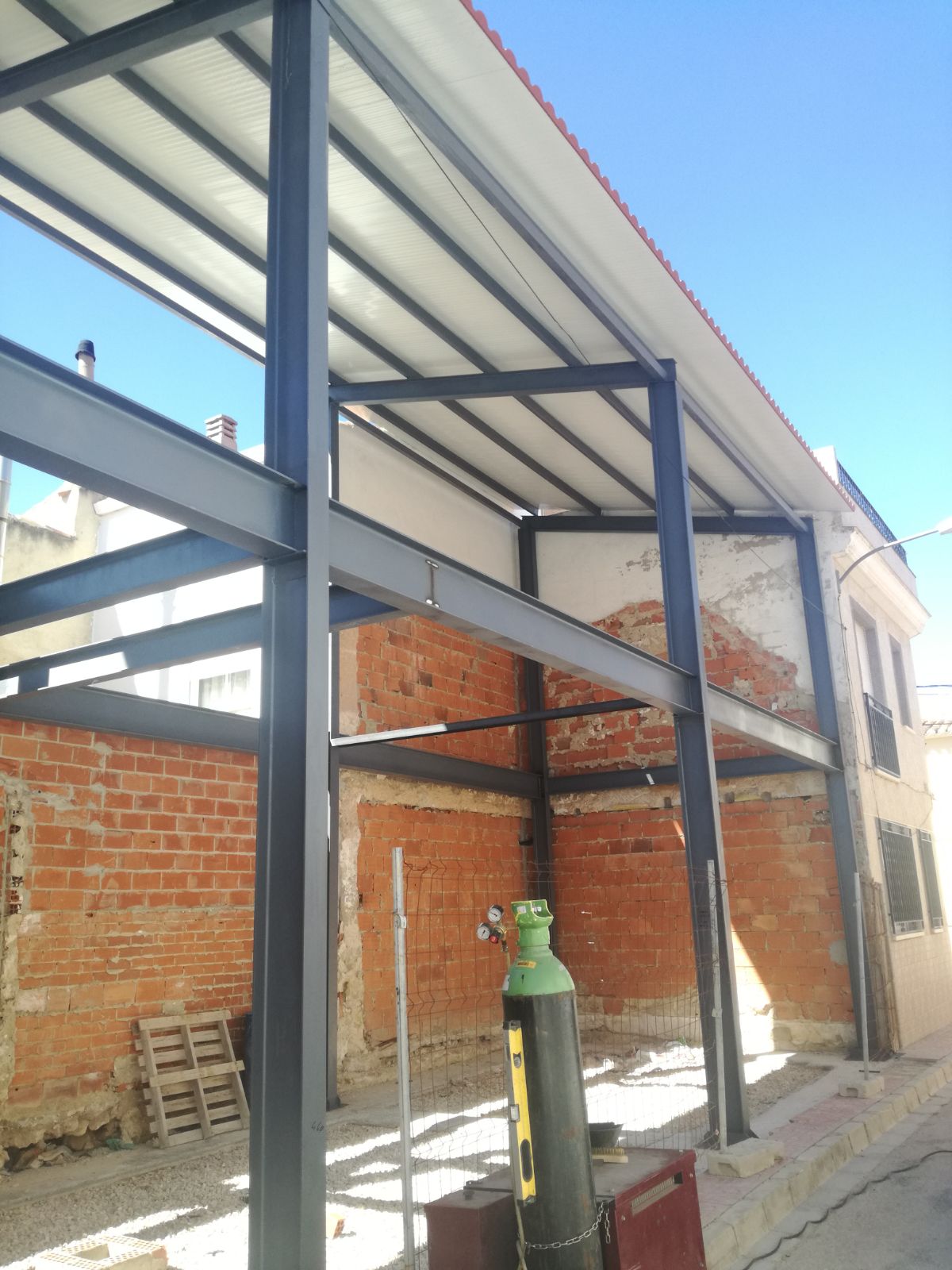
Metal framing
Noun
Metal framing usually refers to cold-formed, light gauge studs, channels and other shapes.
Example: Metal framing can be structural if it is engineered.
en: Estructura metálica
Metal grating
Noun
Consists of 2.5 m wide prefabricated grating panels, with 4 mm horizontal wires, 6 mm vertical wire with 3 three-dimensional decorative profiles along the horizontal one.
Example: Grating can be structural or non-structural.
en: Rejilla metálica
Metal panel
Noun
Metal panel is a general term describing any flat, thin sheet of metal.
Example: The metal panel can be any type of metal (stainless steel, aluminum, titanium, etc)
en: Panel metálico
Metal rod
Noun
Are metals and alloys designed in the pattern of round bars or rod, rectangular or flat bars, square bars, hexagons, and other patterns of bar stock.
Example: The metal rod is the basis for general fabrication in a wide range of applications.
en: Barra de metal
Metal roofing
Noun
It is a roof system made of metal pieces or tiles characterized by its high resistance, impermeability and longevity.
Example: Metal roofing can be used in industrial buildings and commercial buildings.
en: Techo de metal
Metal stud
Noun
These help stabilize the steel structure during construction.
Example: Metal stud can help transfer horizontal and vertical loads from the structure to the base.
en: Perno de metal
Metal tubing
Noun
Are those used for mechanical and light structural applications.
Example: Metal pipes are used in the construction of buildings.
en: Tubos metálicos
Milestones
Noun
They are landmarks that are recognized by everyone on a site, they can be seen from afar, like monuments.
Example: Monuments.
en: Hitos
Multi-storey
Noun
Building has several floors at different levels above the ground.
Example: Skyscraper
en: De varios pisos
Neighborhood
Noun
Is a subdivision of a city or town, which usually has its own identity and whose inhabitants have a sense of belonging.
Example: The neighborhood where I live
en: Vecindario
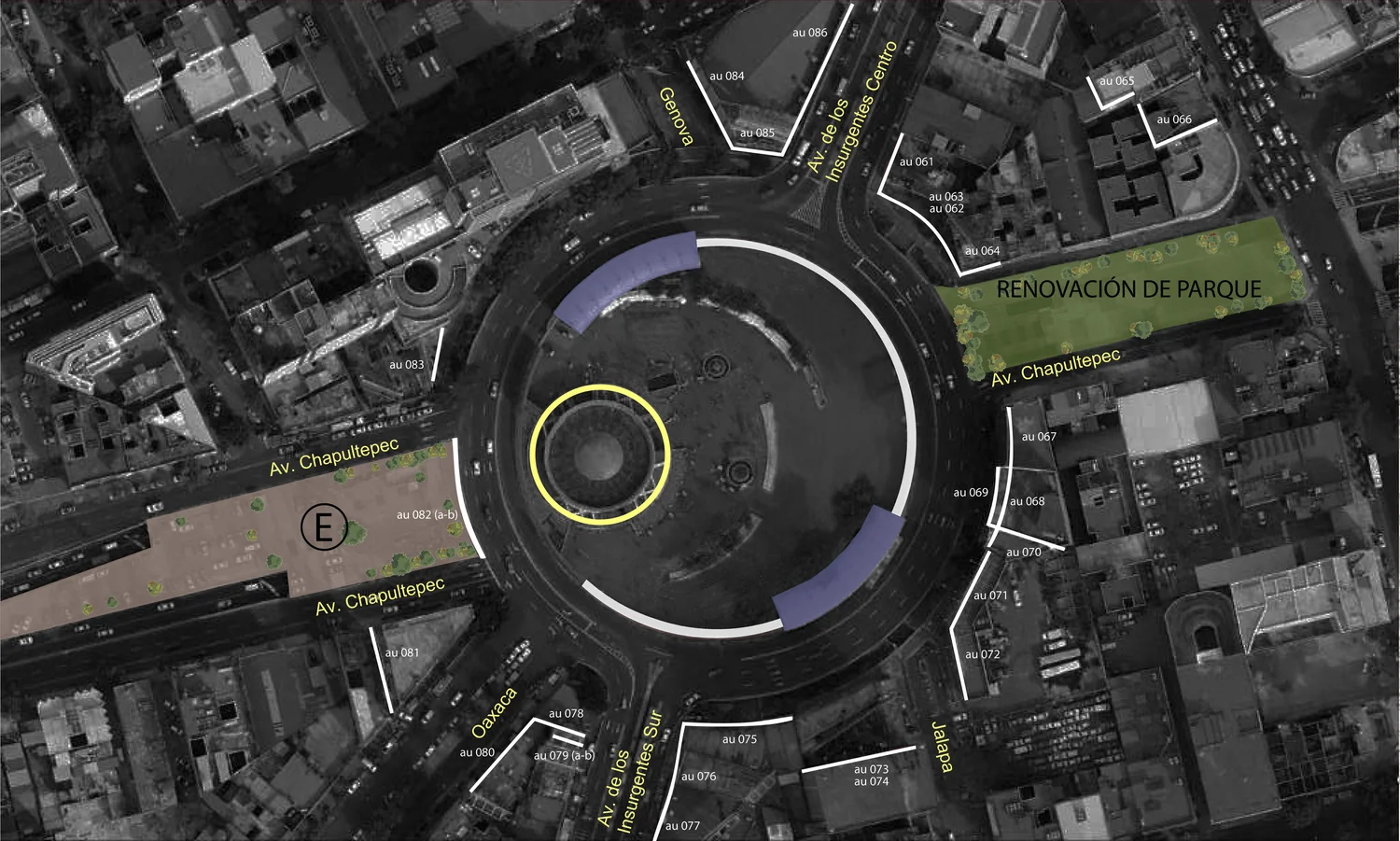
Node
Noun
They are the strategic points of a city that an observer can enter and, they constitute the intensive loci from which he leaves or to which he is directed.
Example: Roundabout
en: Nodo
Path
Noun
Refers to the roads and routes through which people travel: streets, avenues, walks, roads... through which every citizen moves throughout his life.
Example: he sidewalks of your colony
en: Sendero
Porous concrete
Noun
Is a special type of concrete with a high porosity used for concrete finning applications that allows water from precipitation and other sources to pass through directly, thereby reducing runoff from a site and allowing groundwater recharge.
Example: Used in gardens
en: Hormigón poroso
Precast concrete
Noun
Is a construction product that is produced by pouring concrete into a reusable mold or "mold" which is then cured in a controlled environment, transported to the construction site and set in place.
Example: Used to speed up constructions
en: Concreto prefabricado
Prestressed concrete
Noun
It is the construction technology of concrete structural elements intentionally subjected to compressive stresses prior to their commissioning.
Example: Used in large buildings
en: Hormigón pretensado
Reinforced concrete
Noun
It consists of the combination of two materials, concrete and reinforcing steel. These materials are combined in order to form structural elements such as beams, columns, walls, foundations, slabs, among others.
Example: Pre-cast concrete floor systems - beams, slabs, double tees, and single tees
en: Concreto reforzado
Relief Angle
Noun
Is an angle between the part of the flanks of a cutting tool below the cutting edge and a plane perpendicular to the base.
Example: You need a good angle to have a good structure
en: Ángulo de alivio
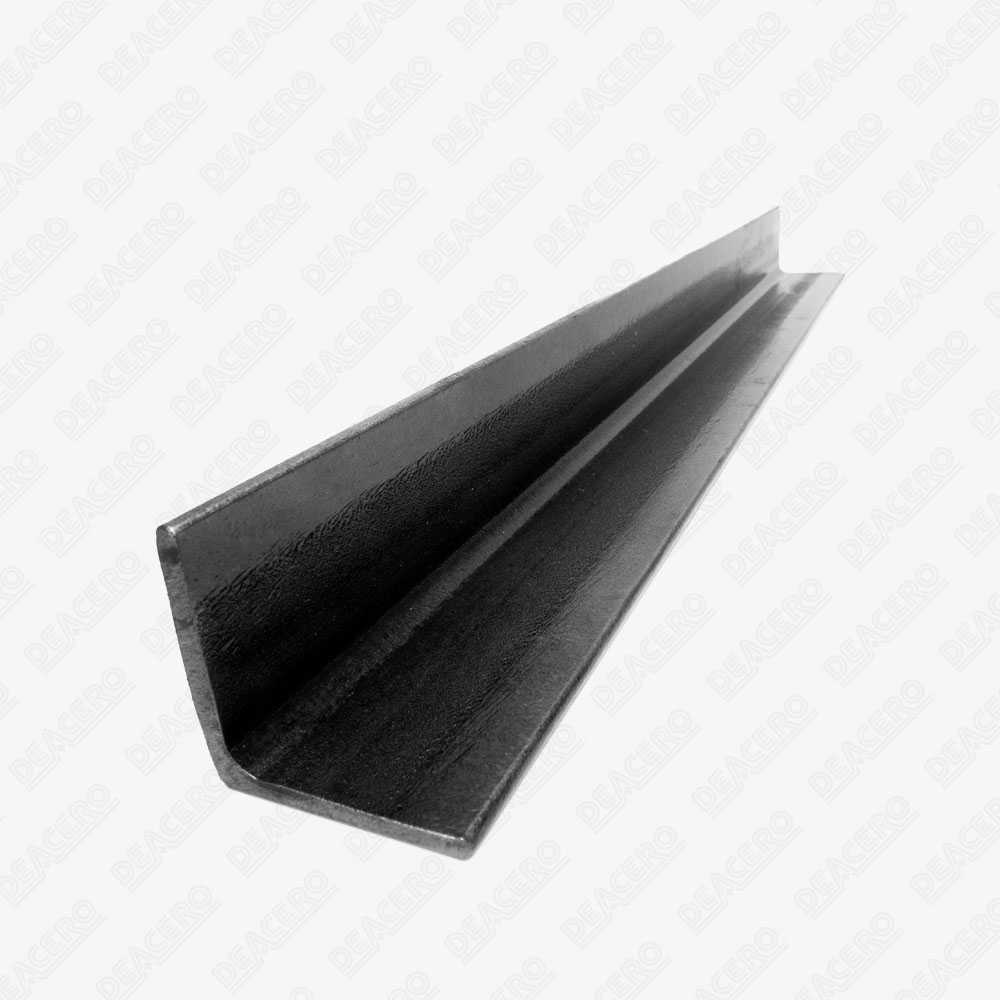
Steel angle
Noun
Is a commercial profile whose design is compared to the letter "L" because the way this steel profile is bent forms a 90º angle.
Example: Steel angles are hot rolled, and are most often structural.
en: Ángulo de acero
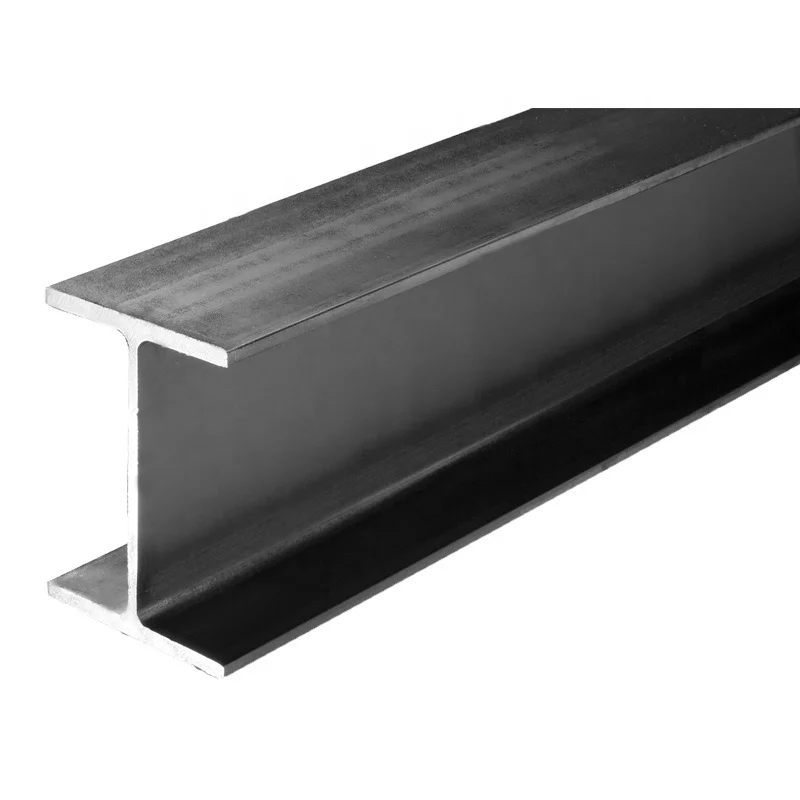
Steel beam
Noun
These are structural elements that support the construction loads and transmit them to the vertical support elements.
Example: The steel beam is mainly used in the construction or development of bridges, warehouses, roofs or buildings of large size.
en: Viga de acero
Steel channel
Noun
Is a product made of ordinary carbon structural steel and ordinary hot-rolled low-alloy structural steel.
Example: Commonly used in the construction of bridges, architectural structures, vehicle manufacturing and other industrial structures.
en: Canal de acero
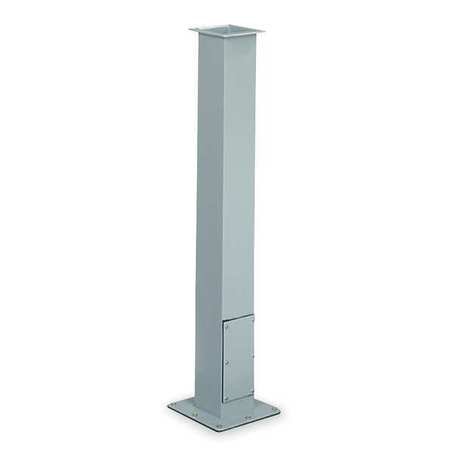
Steel column
Noun
A steel column is a vertical structure member used in construction to provide essential support.
Example: The steel beam is to support bending and compression stresses caused by the elements it supports or by natural forces such as earthquakes, wind, among others, to transmit them to the foundation.
en: Columna de acero
Steel framing
Noun
Steel framing is a general term. It could be structural or non-structural shapes.
Example: Steel framing is based on a frame or skeleton of any structure whose components are mostly steel columns and beams.
en: Estructura de acero
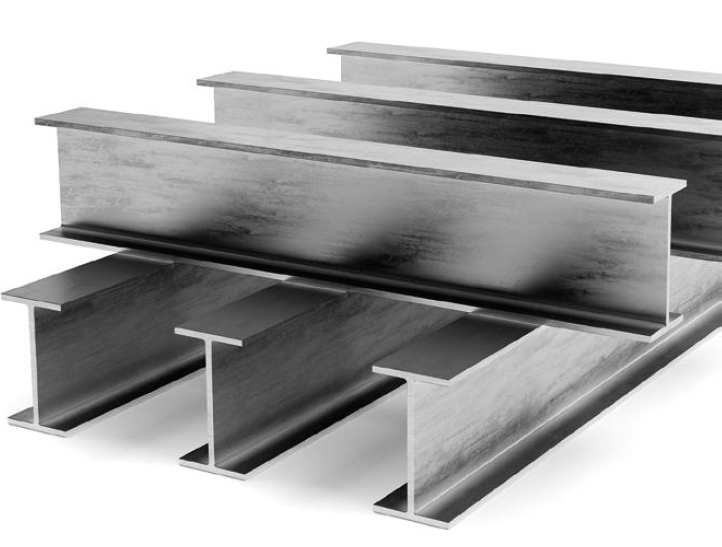
Steel joist
Noun
They are structural elements that support the construction loads and transmit them to the vertical supporting elements (columns or walls).
Example: Steel beams are classified by their use or how they perform in supporting and transmitting weight.
en: Vigueta de acero
Steel member
Noun
Member is a general term. Steel members are any part of a primary structural system. Beams, columns, girts, joists, etc.
Example: Beams, columns, girts, joists, etc.
en: Miembro de acero
Steel plate
Noun
Is a thin metal sheet with different types of uses, of various thicknesses, generally from 1 to 12 millimeters, which will depend on its use and type of manufacture.
Example: Presses are frequently used for stamping and die-cutting by means of punches and dies.
en: Placa de acero
Steel reinforcing
Noun
Are steel bars that are provided in combination with plain cement concrete to make it reinforced concrete.
Example: Reinforcing steels can be designed and prefabricated to the specific dimensions required for the project.
en: Refuerzo de acero
Steel sections
Noun
Are the bread and butter of steel fabrication.
Example: Engineers use the section properties for their calculations.
en: Secciones de acero
Supports
Noun
It is the action that some structural elements perform to maintain a building
Example: Columns
en: Soporta
Tie something back to
Noun
Tie something so it doesn't move
Example: Tie the columns to the foundation
en: Atar algo a
Transfers
Noun
Action performed by some structural elements
Example: The foundation transfers column loads to the ground.
en: Transferencias
Unreinforced concrete
Noun
Plain, unreinforced concrete is strong in compression but weak in tension, which limits its applicability as a structural material.
en: Hormigón no armado
Urban legibility
Noun
Is one of the principles of urban design. Legibility means the possibility of organizing an environment within an imageable and coherent pattern.
Example: An inhabited neighborhood or a subdivision
en: Legibilidad urbana
Urban plot
Noun
They are land that meets all the basic requirements for construction and subsequent use by its potential inhabitants.
Example: Lots or land for sale
en: Parcela urbana
Wedge anchor
Noun
Is a generic term for a type of anchor used to fasten a variety of materials to concrete. Some companies have different brand names for their wedge anchors such as Kwik Bolt, Power Stud, and Thunderstud.
Example: Joining sill plates, electrical equipment, fixing structural supports rails, metal doors and window frames.