This glossary contains the words people can use when they want to talk about the subject of ecology.
Autotroph
noun
Any living organism that makes its own food by converting simple inorganic molecules into complex organic compounds like carbohydrates, fats, and proteins.
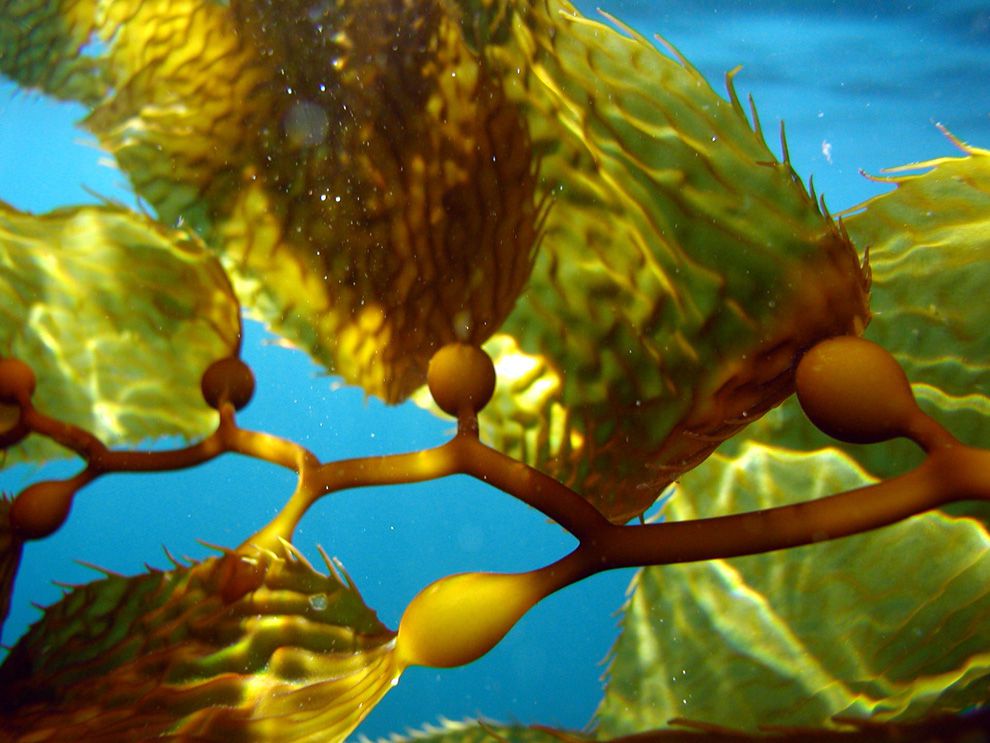
Example: Algae, along with plants and some bacteria and fungi, are autotrophs meaning they create their own nutrients and energy. Kelp, like most autotrophs, creates energy through a process called photosynthesis.
fr: Autotrophe
Biodiversity
noun
The variety of life in the world or in a particular habitat or ecosystem.
Example: The loss of species is of major concern to those committed to preserving biodiversity.
fr: Biodiversité
Biology
noun
The study of living organisms, divided into many specialized fields that cover their morphology, physiology, anatomy, behavior, origin, and distribution.
Example: My friend is studying in animal biology.
fr: Biologie
Biomagnification
noun
The concentration of toxins in an organism as a result of its ingesting other plants or animals in which the toxins are more widely disbursed.
Example: Pregnant women are advised not to eat certain kinds of fish because of the potential for biomagnification of mercury, a heavy metal, in aquatic systems.
fr: Bioamplification
Biome
noun
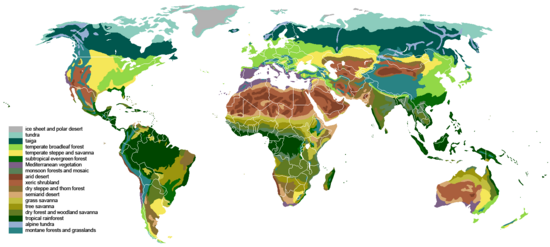
A large naturally occurring community of flora and fauna occupying a major habitat.
Example: The tropical rain forest biome is one of the test productive areas on earth.
fr: Biôme
Biosphere
noun
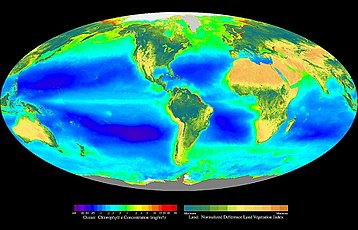
The regions of the surface, atmosphere, and hydrosphere of the earth occupied by living organisms.
Example: The earth's biosphere is naturally subject to change.
fr: Biosphère
Carnivore
noun
Subsisting or feeding on animal tissues
Example: The lion is an animal carnivore.
fr: Carnivore
Climate
noun
The weather conditions prevailing in an area in general or over a long period.
Example: Vacationing in a warm climate
fr: Climat
Community
noun
A group of living things who are cohabiting in the same place or having a particular characteristic in common.
Example: We have many cultures in our community.
fr: Communauté
Decomposer
noun
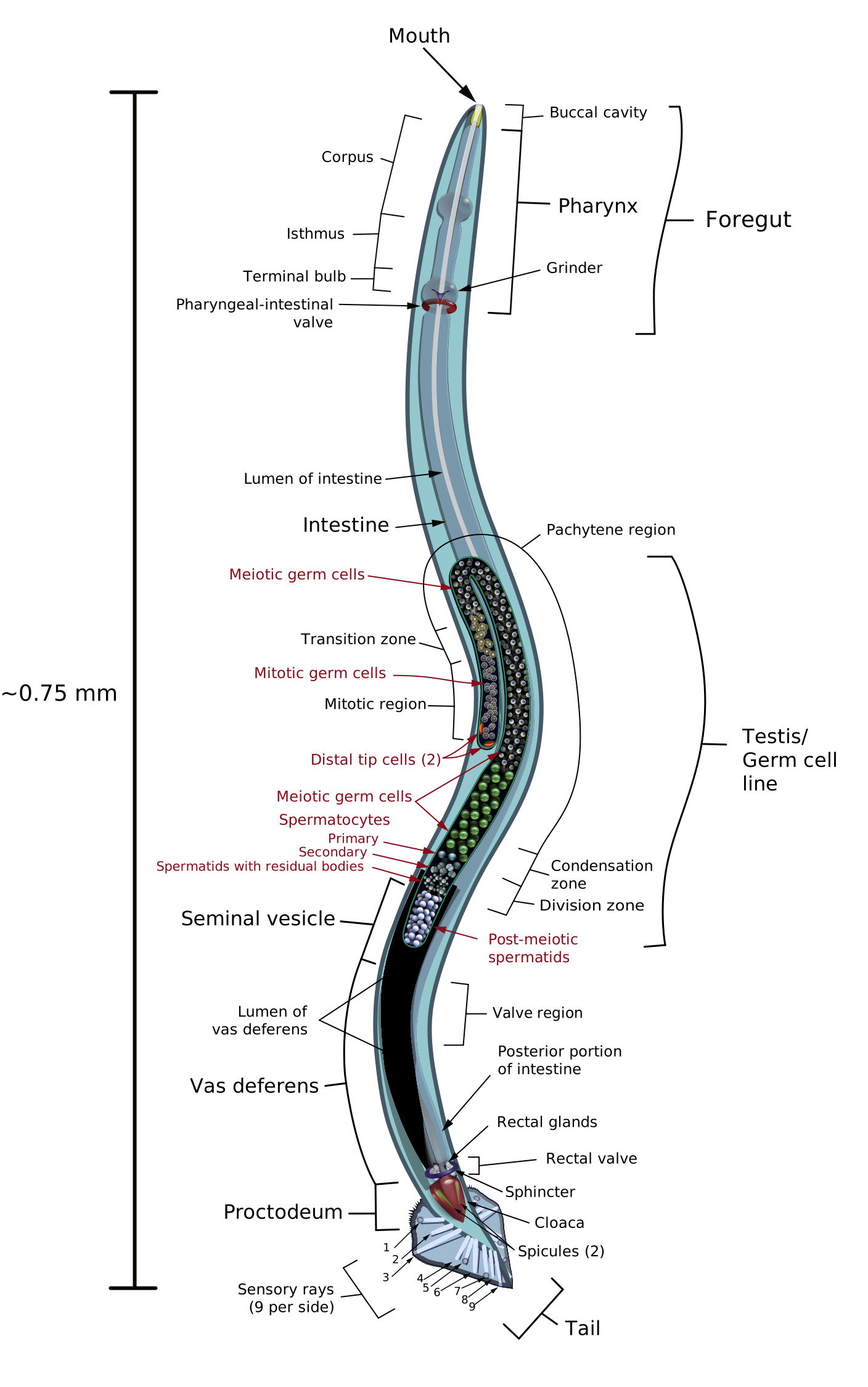
An organism that feeds on and breaks down dead or decaying matter in the process of ecological decomposition.
Example: Examples of decomposers include fungi, like mushrooms and molds; worms, like earthworms and some nematodes; and some bacteria.
fr: Décompositeur
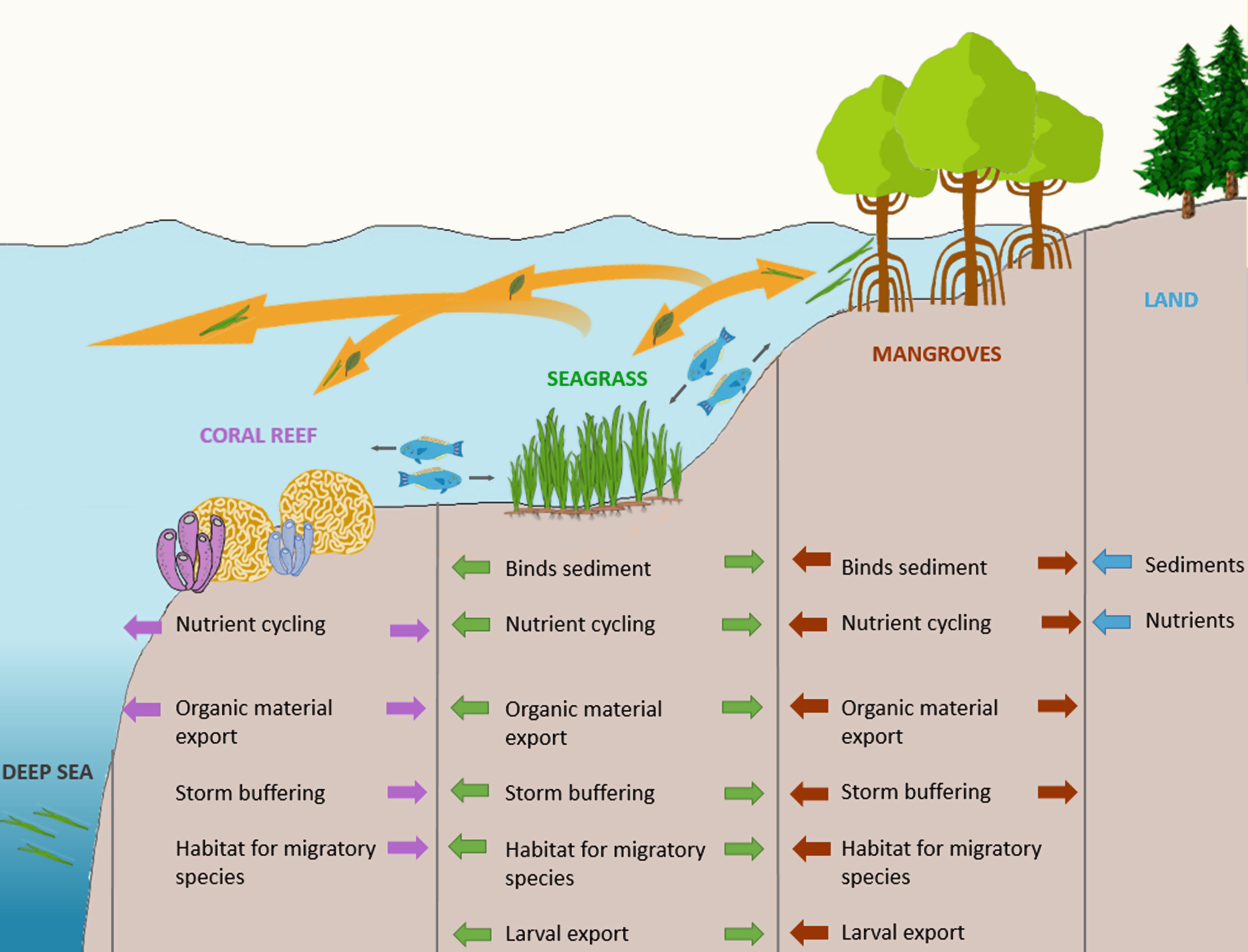
Ecosystems
noun
A biological community of interacting organisms and their physical environment
Example: Scientists can already detect many effects of people on marine ecosystems.
fr: Écosystèmes
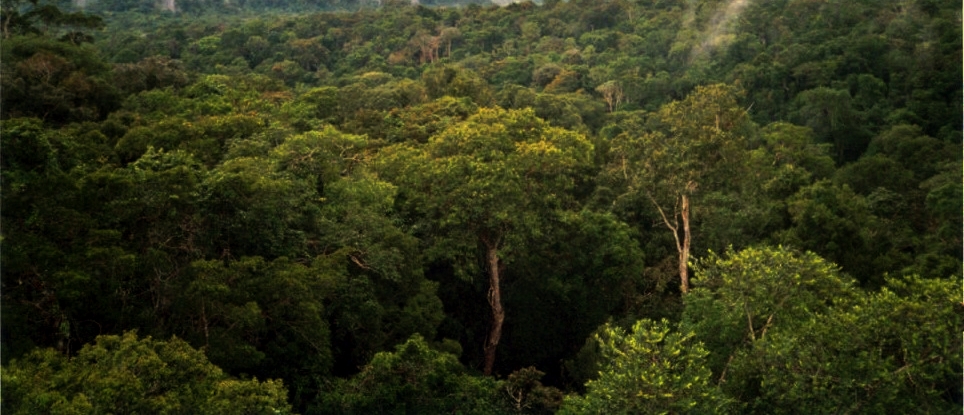
Forest
noun
A large area covered chiefly with trees and undergrowth.
Example: The amazon forest contains an abundance of different plant and animal species.
fr: Forêt
Herbivore
noun
A herbivore is an animal that only eats plants.
Example: The horse, the elephant and the koala are all examples of herbivore animals.
fr: Herbivore
Heterotroph
noun
An organism deriving its nutritional requirements from complex organic substances.
Example: All animals are heterotrophs : they must ingest other organisms or their products for sustenance.
fr: Hétérotrophe
Keystone species
noun
A keystone species is an organism that helps define an entire ecosystem. Without its keystone species, the ecosystem would be dramatically different or cease to exist altogether.
Example: Bees are a primary example of a keystone species : as bees take the nectar from flowers, they collect pollen and spread it from one flower to the next, enhancing the odds of fertilization and greater flower growth.
fr: Espèce clé de voûte
Natural selection
noun
The process whereby organisms better adapted to their environment tend to survive and produce more offspring. The theory of its action was first fully expounded by Charles Darwin and is now believed to be the main process that brings about evolution.
Example: The process of natural selection allows the fittest creatures to survive and continue to reproduce.
Niche
noun
An organism's role in an environment, including how it uses its resources, relates to other organisms, and times its reproduction. Each individual organism has a niche in its population, community, and ecosystem, but niches are flexible and change depending on circumstances.
Example: Species have functional traits that are uniquely adapted to the ecological niche : a trait is a measurable property, phenotype, or characteristic of an organism that may influence its survival
fr: Niche écologique
Ocean
noun
A very large expanse of sea, in particular each of the main areas into which the sea is divided geographically.
Example: We don't know much about what contains our oceans.
fr: Océan
Organism
noun
An individual animal, plant, or single-celled life form.
Example: Every species has a set number of chromosomes, which contain all the information necessary to make up the organism.
fr: Organisme
Trophic levels
noun
Each of several hierarchical levels in an ecosystem, comprising organisms that share the same function in the food chain and the same nutritional relationship to the primary sources of energy.
Example: The trophic level of a fish is the position it occupies on the food chain.