This glossary is to people that seeks a greater knowledge of the words used in architecture
Air-entrained concrete
noun
Air entrainment in concrete is the intentional creation of tiny air bubbles in a batch by adding an air entraining agent during mixing. A form of surfactant (a surface-active substance that in the instance reduces the surface tension between water and solids) it allows bubbles of a desired size to form. These are created during concrete mixing (while the slurry is in its liquid state), with most surviving to remain part of it when hardened.
Example: Some examples of structures that require air entrained concrete in cold regions include parking structures, bridge decks, highway pavements, curbs, and sidewalks.
es: Concreto con aire incluido
Architectural concrete
noun
is concrete that will be permanently exposed to view and therefore requires special care in selection of the concrete materials, forming, placing, and finishing to obtain the desired architectural appearance.
Example: Architectural concrete indicates concrete that results in both an aesthetic finish and structural ability.
es: hormigón arquitectónico
Asphaltic concrete
Asphalt Concrete means a composite material consisting of asphalt binder and mineral aggregate mixed together then laid down in layers and compacted
Example: roads, car parks, airports and the core of dams
es: Concreto asfáltico
Axis
noun
Line defined by two points in space, around which shapes and spaces can be arranged.
Línea definida por dos puntos en el espacio, en torno a la cual cabe disponer formas y espacios.
Example: A corridor, a path, where you can circulate.
es: Eje
backup wall
noun
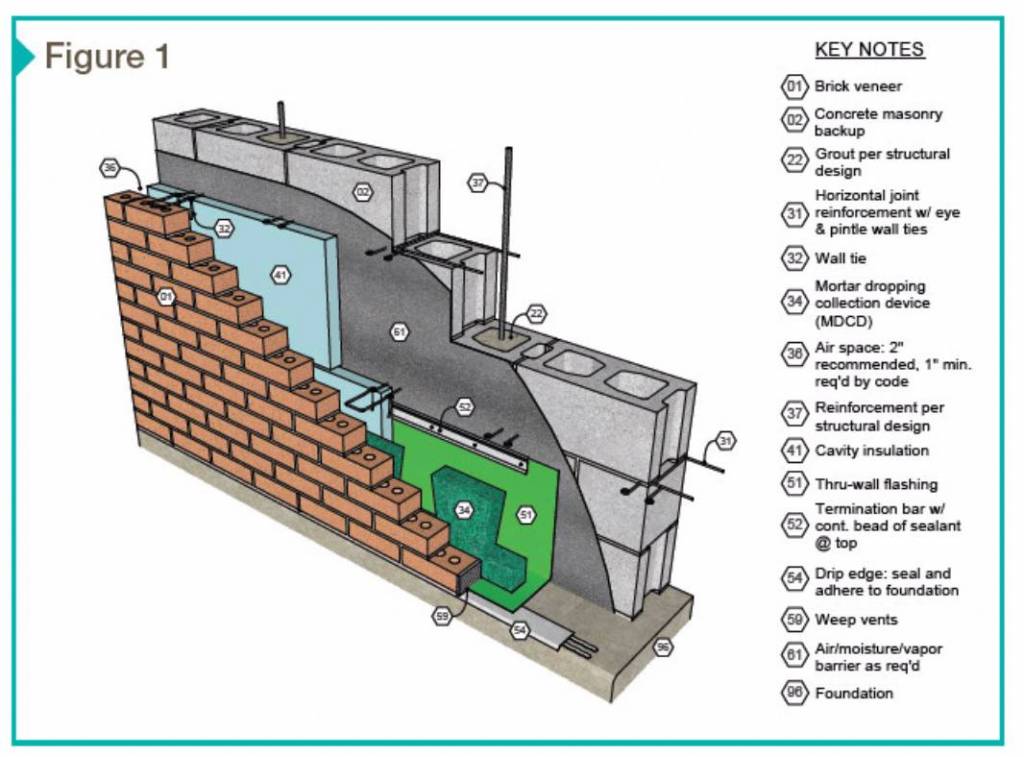
The structural backup of the building system is designed to support floor and roof loads and to resist lateral wind loads and seismic movement. The exterior veneer is not structural and is connected to the structural backup via wall ties and transfers some wind load to the backup.
Example: The backing wall will help to better protect the structure.
es: pared de respaldo
Brick courses
noun
A brick coursing chart is a handy document used by builders and brick layers to calculate the number of bricks needed to achieve a particular wall height or width. It is also a very handy reference for those about to build or renovate.
Example: Series of ashlars or bricks that are placed next to each other at the same height on a horizontal surface.
es: cursos de ladrillo
Cellular concrete
noun
Cellular concrete is a special engineered concrete manufactured by mixing Portland cement, sand, fly ash, water and pre-formed foam in varied proportions to form a hardened material having an oven-dry density of 50 pounds per cubic foot (PCF) or less.
Example: Cellular concrete provides structure, insulation, and fire and mold-resistance. Cellular concrete products include blocks, wall panels, floor and roof panels, and lintels.
es: Concreto celular
Colored concrete
noun
Colored concrete, also known as decorative concrete, allows traditional grey concrete to be stained and dyed different colors.
Example: Concrete has been colored as far back as the early 1900s and was primarily used by companies who made precast structures for building facades.
es: Concreto coloreado
concrete block
noun
A concrete block is a prefabricated masonry, made with fine concrete or cement mortar, used in the construction of walls and walls.
Example: The blocks are prismatic in shape, with standardized dimensions, and are usually essentially hollow. Its usual dimensions in centimeters are 15×20×40, 25×20×40, 10×20×40, 20×20×40
es: Bloque de hormigon
Cured concrete
noun
Concrete curing is the process of maintaining adequate moisture in concrete within a proper temperature range in order to aid cement hydration at early ages. Hydration is the chemical reaction between cement and water that results in the formation of various chemicals contributing to setting and hardening.
Example: Water Curing, Wet Covering, Formwork Curing, Membrane Curing, Sheet Curing, Curing by Absorbing Heat, Hot mixing method, Electrical curing.
es: Concreto curado
dovetail inserts
noun
Cutting inserts or interchangeable inserts are cutting tools that allow large volumes of chips to be extracted as they have high cutting speeds.
Example: dovetail inserts
it is an excellent material for jewelers all over the world. Because tungsten is just behind diamonds on Moh's scale of hardness.
es: insertos de carburo torneado
Edge
noun
He outside limit of an object, area, or surface; a place or part farthest away from the center of something.
El límite exterior de un objeto, área o superficie; un lugar o parte más alejada del centro de algo.
Example: The edge of the road is marked by a bush.
es: borde
Exposed concrete
noun
Exposed concrete refers to concrete whose surface is a visible part of the architectural and interior design of the building. Strictly speaking, this refers to concrete surfaces that were in contact with the formwork shell when they were produced.
Example: obtained by placing concrete and then removing the outer 'skin' of cement paste to uncover decorative coarse aggregate
es: Concreto expuesto
Gravity load
noun
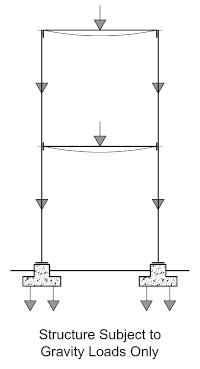
Inertial and gravitational loads are both static and dynamic loads resulting from vibration, rotation, gravity, and seismic accelerations.
Example: The gravitational loads are deterministic and depend on the mass distribution and instantaneous position of the structure.
es: carga por gravedad
Green concrete
noun
Green concrete is defined as a concrete which uses waste material as at least one of its components, or its production process does not lead to environmental destruction, or it has high performance and life cycle sustainability.
Example: cement produced as the final product of a technologically advanced process, such that emissions during unit operations (like clinker production) are minimized, is referred to as green cement.
es: Concreto verde
Grid
noun
A framework of spaced bars that are parallel to or cross each other; a grating.
Un marco de barras espaciadas que son paralelas o se cruzan entre sí; una rejilla.
Example: The metal grids had been pulled across the foyer
es: Trama
hanging off
noun
To be suspended from something
Example: the lamp hangs of the ceiling
es: Colgado de
horizontal mortar joints
noun
Joint is called the small space between the two surfaces of the immediate bricks of a wall, which is filled with mortar or cement in order to join them solidly.
Example: You have 2 cm the horizontal mortar joint
es: juntas de mortero horizontales
Insulating concrete
noun
is a system of formwork for reinforced concrete usually made with a rigid thermal insulation that stays in place as a permanent interior and exterior substrate for walls, floors, and roofs. The forms are interlocking modular units that are dry-stacked (without mortar) and filled with concrete. The units lock together somewhat like Lego bricks and create a form for the structural walls or floors of a building. ICF construction has become commonplace for both low rise commercial and high performance residential construction as more stringent energy efficiency and natural disaster resistant building codes are adopted.
Example: that stays in place as a permanent interior and exterior substrate for walls, floors, and roofs
es: Concreto aislante
ladder-type systems
noun
Ladder mesh is widely used in the building construction area, normally used in the wall for reinforcement.
Example: there are ladder-type systems that fit in the concrete block mortar joints
es: sistemas tipo escalera
laterally
noun
Lateral loading is the continuous and repeated application of a load on an object or structural component in a horizontal direction or parallel to the x-axis. Lateral loading can cause a material to shear or bend in the direction of the force and ultimately lead to the failure of the material.
Example: a building has lateral loads
es: lateralmente
masonry ties
noun
These ties are used to connect multiple wythes of masonry, often of different materials; anchor masonry veneer to backing systems other than masonry; and connect composite masonry walls.
Example: Make me a masonry tie
es: lazos de albañilería
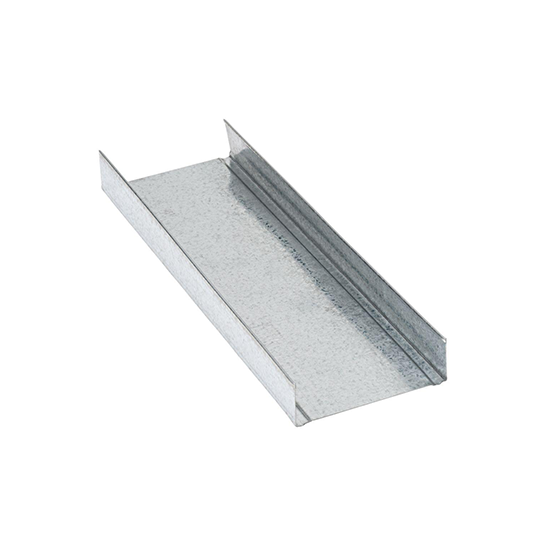
Metal channel
noun
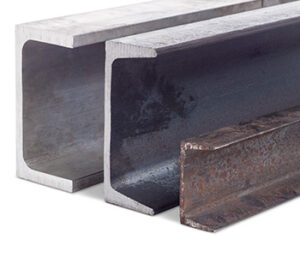
Channel is a structural metal that has many different applications across several industries.
Example: It is a common building and construction material. It also used in the ship building and automotive industries, and general fabrication where structural properties are required. The C- or U-shape lend well to structural applications where the load is focused vertically or horizontally.
es: canal metalico
Metal decking
noun
In the construction industry, the term ‘metal decking’ covers all forms of the profiled steel sheeting commonly used together with concrete and steelwork to create a composite floor system or as a structural element to support a built-up roof system.
Example: Whichever profile best suits your needs, the greatest advantage in choosing metal floor deck construction is the avoidance of traditional floor slab temporary formwork, with its associated obstructive and time-consuming system of propping
es: Tarima metálica
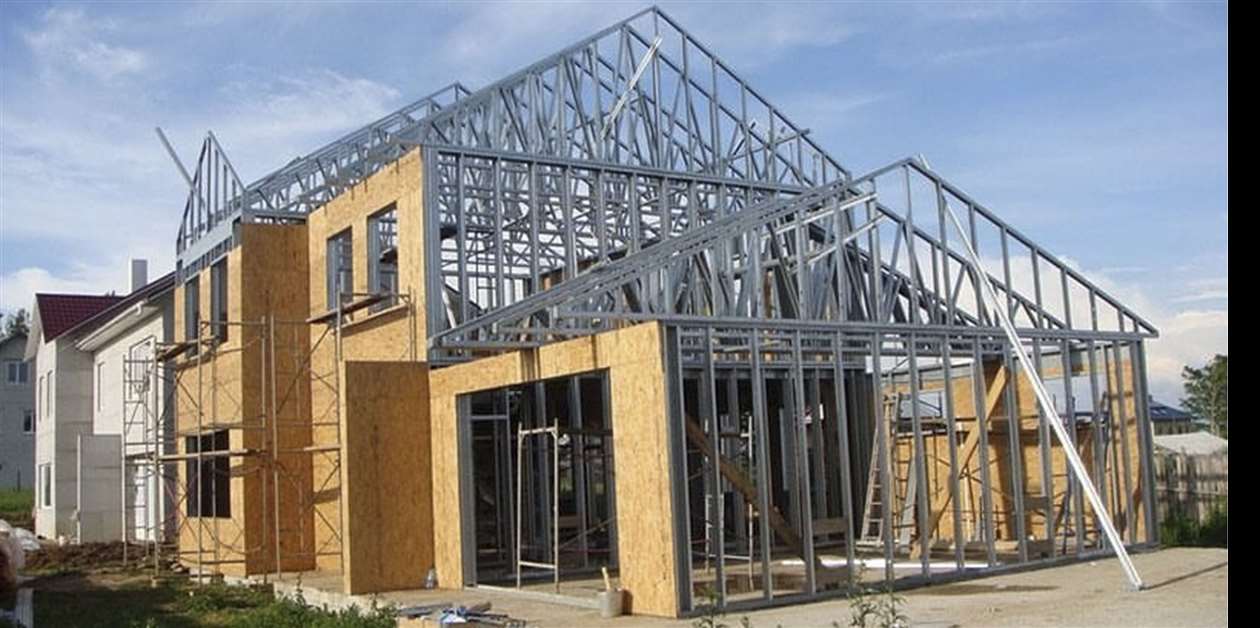
Metal framing
noun
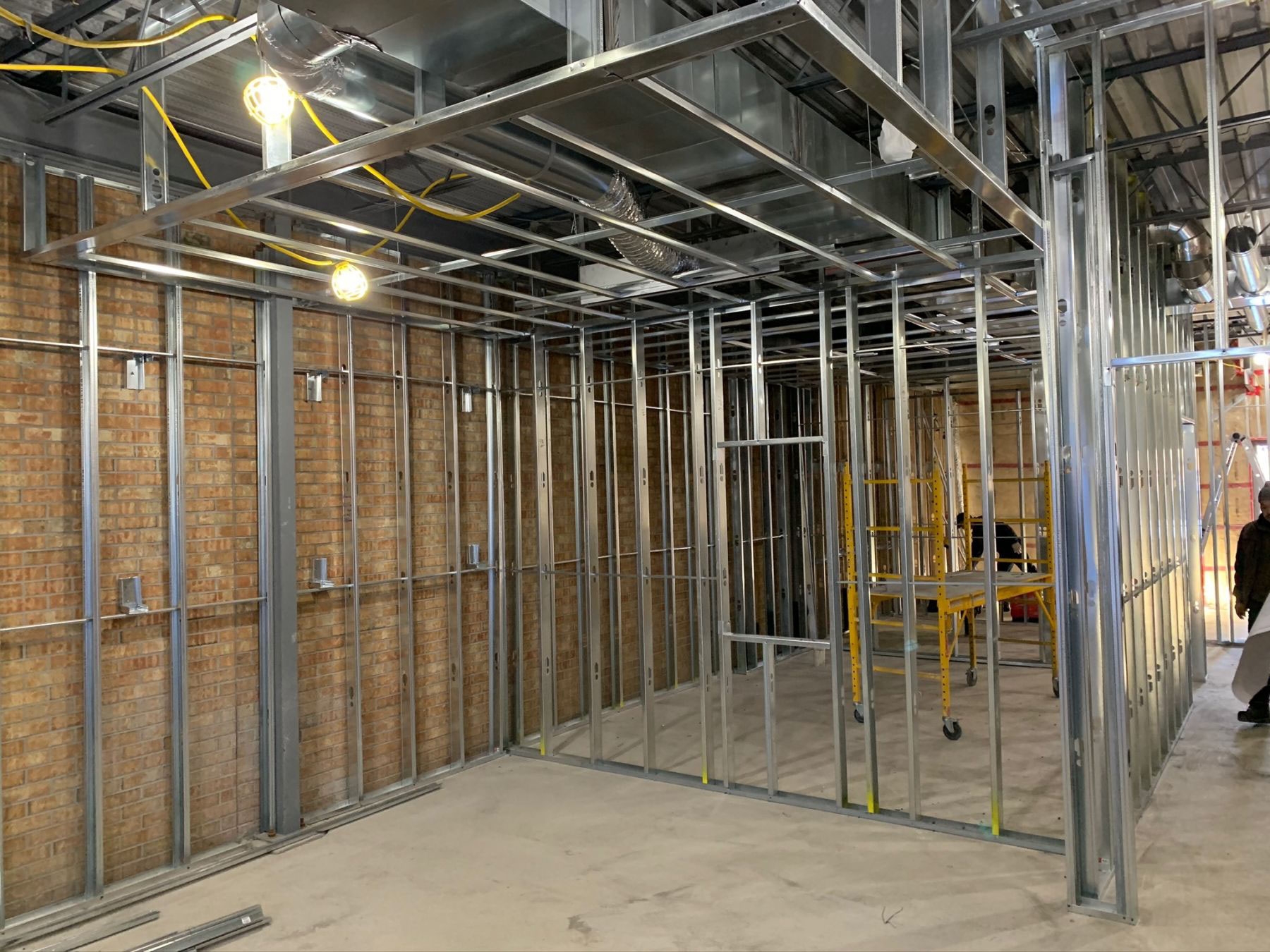
Metal framing studs are used to support a non-load-bearing wall. This kind of wall is commonly found at Home Depot or Lowe's, and is often referred to as light-gauge metal framing.
Example: metal wall, pillar or frame
es: estructura metálica
Metal grating
noun
A grating is any regularly spaced collection of essentially identical, parallel, elongated elements.
Example: Gratings usually consist of a single set of elongated elements, but can consist of two sets, in which case the second set is usually perpendicular to the first (as illustrated). When the two sets are perpendicular, this is also known as a grid (as in grid paper) or a mesh.
es: rejilla metalica
Metal panel
noun
Metal panel is a general term describing any flat, thin sheet of metal.
Example: It can be any type of metal (stainless steel, aluminum, titanium, etc)
es: panel de metal
Metal rod
noun
Metal rods are specially formed pieces of metal and alloy that are shaped into a rod-like aesthetic hence the name. Metal rods are commonly used to give added support to a range of applications such as masonry structures.
Example: Some common nonferrous metals that are used to make rods are aluminum, copper, cobalt, nickel, refractory, and titanium. Light in weight, aluminum and its alloys exhibit superior corrosion resistance, ductility, and strength.
es: barra de metal
Metal roofing
noun
is a roofing system made from metal pieces or tiles characterized by its high resistance, impermeability and longevity. It is a component of the building envelope. Zinc, copper and steel alloys are commonly used.
Example: Copper is used for roofing because it offers corrosion resistance, durability, long life, low maintenance, radio frequency shielding, lightning protection, and sustainability benefits. Copper roofs are often one of the most architecturally distinguishable features of prominent buildings, including churches, government buildings, and universities.
es: techo de metal
Metal stud
noun
Structural metal stud framing refers to the construction of walls and planes using cold-formed steel components. There are two main components of metal stud framing, a stud and a track.
Example: Heavier gauge metal studs are used in load bearing walls and structural applications such as exterior walls.
es: Montaje en pared ligera
Metal tubing
noun
Tubing is any shape that's hollow. (open in the middle)
Example: Steel tubes are very common in all kinds of construction uses, from large skyscraper structures to decorative structural elements or scaffolding and machinery.
es: Tubo de Metal
Milestone
noun
Urban recognition space that meets the condition of being a physically and structurally outstanding place and/or being a place with an important symbolic load.
Espacio de reconocimiento urbano que cumple con la condición de ser un lugar físicamente y estructuralmente destacado y/o ser un lugar con una carga simbólica importante.
Example: Rey Coliman
es: Hitos
multi-story
noun
A multi-storey building has several floors at different levels above the ground.
Example: a multi-storey car park.
es: de varios pisos
Nodes
noun
A point at which lines or pathways intersect or branch; a central or connecting point,.
Un punto en el que las líneas o caminos se cruzan o se ramifican; un punto central o de conexión.
Example: The nodes are confluences of streets, strategic points, unions of paths, intersections, essential to move around the city.
es: nodo
Path or Trajectory
noun
A way or track laid down for walking or made by continual treading.
Un camino o camino establecido para caminar o hecho por pisar continuamente.
Example: the path continues alongside the river for half a mile.
es: trayectoria
Porous concrete
noun
Pervious concrete is a special type of concrete with a high porosity used for concrete finning applications that allows water from precipitation and other sources to pass through directly, thereby reducing runoff from a site and allowing groundwater recharge.
Example: Pervious concrete is traditionally used in parking areas, areas with light traffic, residential streets, pedestrian walkways, and greenhouses.
es: Concreto poroso
Precast concrete
noun
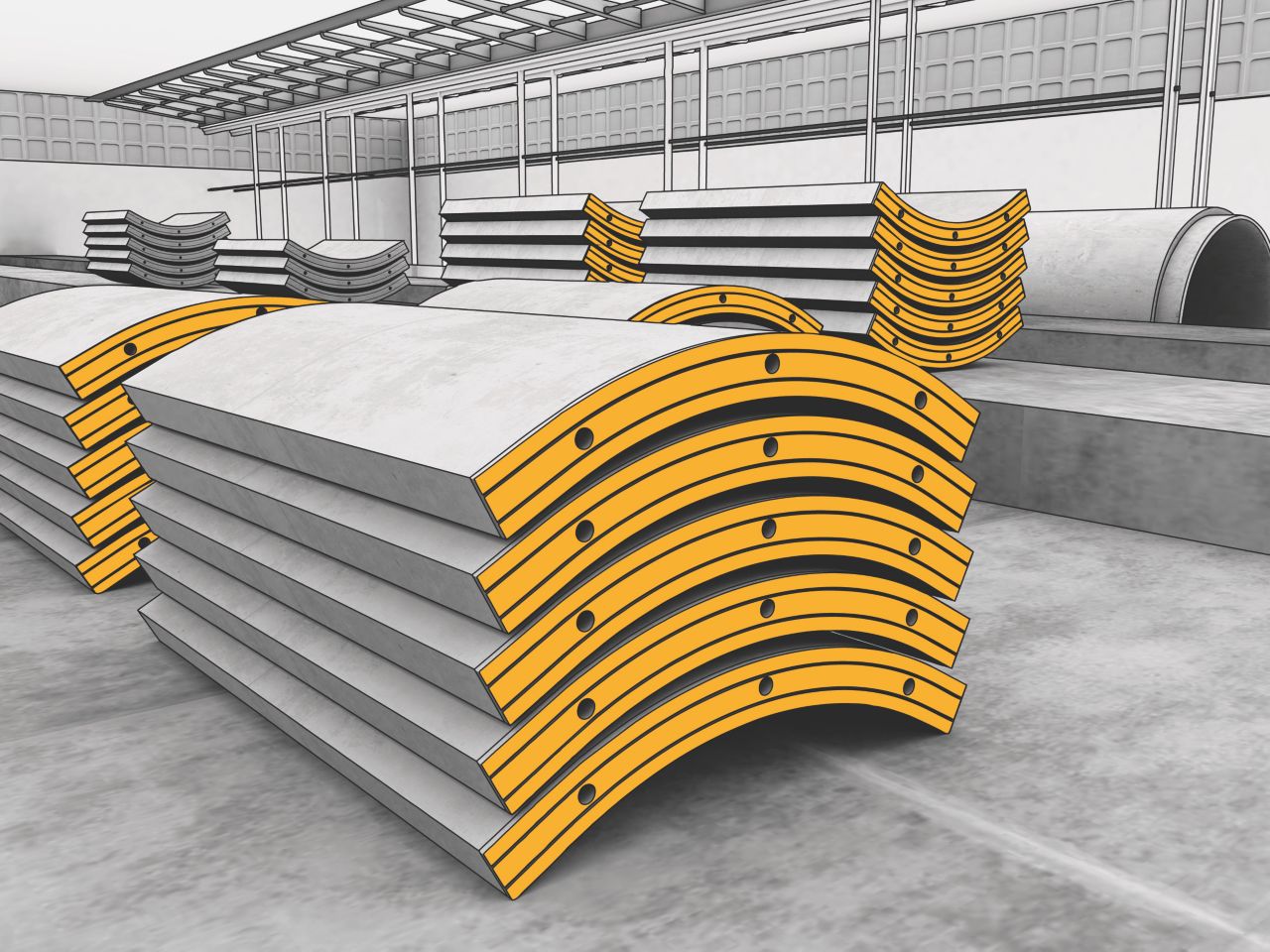
Precast concrete is a construction product produced by casting concrete in a reusable mold or "form" which is then cured in a controlled environment, transported to the construction site and lifted into place ("tilt up").
Example: Precast is used within exterior and interior walls.
es: Concreto prefabricado
Prestressed concrete
noun
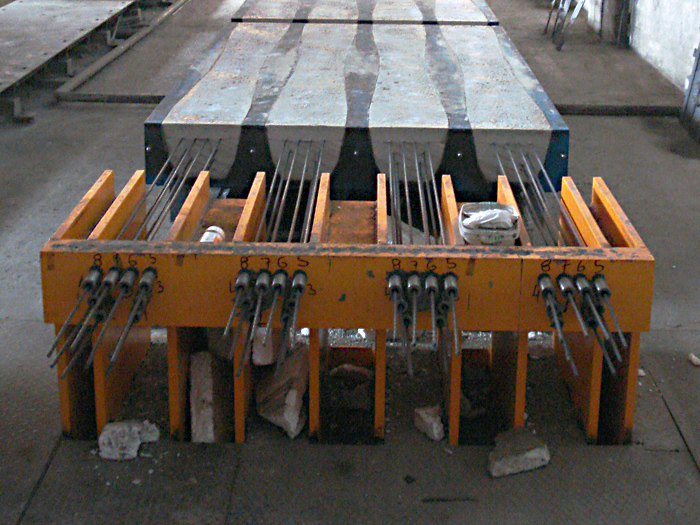
Prestressed concrete refers to the construction technology of concrete structural elements intentionally subjected to compressive stresses prior to their commissioning. Said efforts are achieved by means of steel bars, wires or wire cables that are tensioned and anchored to the concrete.
Example: It is substantially "prestressed" (compressed) during production, in a manner that strengthens it against tensile forces which will exist when in service.
es: Concreto pretensado
Reinforced concrete
noun
reinforced concrete, concrete in which steel is embedded in such a manner that the two materials act together in resisting forces.
Example: These materials are combined in order to form structural elements such as beams, columns, walls, foundations, slabs, among others.
es: Concreto reforzado
Relief angle
noun
The relief angle is shown attached to the concrete slab edge with a wedge anchor. he relief angle (shelf angle) supports the weight of the brick veneer at each floor. It's called a relief angle because it relieves the the weight from the brick courses below and transfers it to the structure. Basically, the brick is hanging off of the structure at each relief angle or shelf angle.
Example: The relief angle is shown attached to the concrete slab edge with a wedge anchor.
es: ángulo de alivio o desahogo
Steel angle
noun
Steel Angles are the most basic type of roll-formed steel. They are formed by bending a single angle in a piece of steel. Angle Steel is 'L' shaped; the most common type of Steel Angles are at a 90 degree angle.
Example: The legs of the “L” can be equal or unequal in length.
es: Ángulo de acero
Steel beam
noun
A double T (or I or H) profile is a rolled or reinforced profile with a cross section that is made up of two legs and a connecting web between them. It is generally used as a flexor, when the torsion peaks are small.
Example: Steel beams are hot rolled, horizontal steel structural framing members.
es: Viga de acero
Steel column
noun
A steel column is a vertical structure member used in construction to provide essential support. They may carry loads in compression or they may transfer loads from things like beams, ceilings, floor slabs or roof slabs to floors or foundations. Steel columns may also carry bending moments near cross-section axes.
Example: Steel columns are hot rolled, vertical steel structural framing members.
es: Columna de acero
Steel framing
noun
It is a construction technique that uses a skeleton of columns and beams of "heavy" steel profiles called IPN profiles that made and make the construction of skyscrapers possible.
Example: It is applicable to all kinds of residential, commercial and industrial constructions, characterized by its simplicity, structural efficiency and low structural weight.
es: estructura de acero
Steel joist
noun
Steel joist means an open web, secondary load-carrying member of 144 feet (43.9 m) or less, designed by the manufacturer, used for the support of floors and roofs. This does not include structural steel trusses or cold-formed joists.
Example: Also called open web joists.
es: vigueta de acero
Steel member
noun
Member is a general term. Steel members are any part of a primary structural system
Example: Beams, columns, girts, joists, etc.
es: miembro de acero
Steel plate
noun
Steel plate construction is a method of rapidly constructing heavy reinforced concrete items.
Example: The method is of special interest for rapidly constructing nuclear power plants, which use large reinforced concrete structures, and typically have long construction times, with high costs.
es: placas de acero
Steel reinforcement
verb
Corrugated steel, corrugated rod or tetracero is a class of rolled steel specially designed to build structural elements of reinforced concrete.
Example: is the general action or function of something.
es: Refuerzo de acero
Steel reinforcing
noun
Corrugated steel, corrugated rod or tetracero is a class of rolled steel specially designed to build structural elements of reinforced concrete.
Example: describes the actual system or object
es: Refuerzo de acero
Steel rod
noun
Steel bars are used for their tensile stress in reinforced concrete, beams, slab, among others, in the work with reinforced concrete.
Example: These steel bars have flat surface and rounded sections with diameter from 6mm to 50mm.
es: Barra de acero
Steel sections
noun
Steel section describes the profile or shape of a structural steel member
Example: Engineers use the section properties for their calculations.
es: secciones de metal
Supports
noun
Is a part of a building or structure that provides the necessary stiffness and strength in order to resist the internal forces (vertical forces of gravity and lateral forces due to wind and earthquakes) and guide them safely to the ground. External loads (actions of other bodies) that act on buildings cause internal forces (forces and couples by the rest of the structure) in building support structures. Supports can be either at the end or at any intermediate point along a structural member or a constituent part of a building and they are referred to as connections, joints or restraints.
Example: a structure supporting or containing something. frame, skeletal frame, skeleton, underframe.
tie (something)
noun
To join or fasten one thing to another with ropes, cords or similar materials.
Example: " tie stirrups "
es: Atar a algo
transfers
noun
Action and effect of transferring.
Example: Their position came from the transfers and stowage of the weights on board, so to improve the stability conditions we can influence them by acting on their position.
es: transferencias
Unreinforced concrete
noun
Concrete is a mixture between various materials made of cement, sand, stones.
Example: unreinforced concrete mix
es: hormigón no armado
Urban readability
noun
Legibility is given by the ease with which its parts can be recognized and organized into a coherent pattern of the whole.
La legibilidad está dada por la facilidad con que pueden reconocerse y organizarse sus partes en una pauta coherente del todo.
Example: Piedra lisa Park
es: Legibilidad Urbana
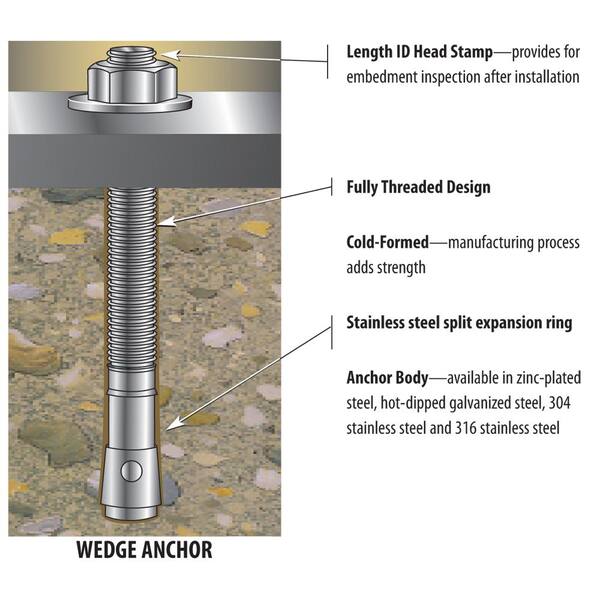
wedge anchor
noun
A wedge anchor is a mechanical type expansion anchor that consists of four parts: the threaded anchor body, the expansion clip, a nut, and a washer. These anchors provide higher and better consistent holding values than many of mechanical type expansion anchor
Example: Concrete wedge anchors work by inserting them into a hole drilled into concrete. The concrete wedge anchor is then expanded, wedging itself securely in the concrete.