My name is Yasmine and I've been in social sciences for 1 semester. I plan to study psychology next. My glossary can help people looking for psychology terms meanings. It has 20 terms with their part of speech, pronunciation, definition, translation and an example. I picked words that I often hear in psychology. You can now play the card game or do the quiz to assure your comprehension.
abreaction
noun
The expression and emotional discharge of unconscious material (such as a repressed idea or emotion) by verbalization especially in the presence of a therapist.
Example: Abreaction of her anxiety and guilt concerning the death of her parents, when linked up with her current feelings of anger and her fears of loss, abandonment, and annihilation, produced further relief of tension.
en: abréaction
anxiety
noun
A nervous disorder characterized by a state of excessive uneasiness and apprehension, typically with compulsive behavior or panic attacks.
Example: Apparently academic challenge in the structured setting creates an optimum of stress so that the child with high anxiety is able to achieve because he is aroused to an energetic state without becoming confused or panicked.
en: anxiété
catecholamines
noun
Any of a class of aromatic amines that includes a number of neurotransmitters such as epinephrine and dopamine.
Example: Myocardial infarction may lead to increased secretion of counter - regulatory hormones, catecholamines and cortisol which antagonise the actions of insulin and cause a deterioration in the metabolic environment.
en: catécholamines
cognition
noun
Cognition is the act of thinking, perceiving, and understanding. It's cognition that makes it possible for you to learn a foreign language.
Example: Intelligence is connected with cognition but personality incorporates conation.
en: cognition
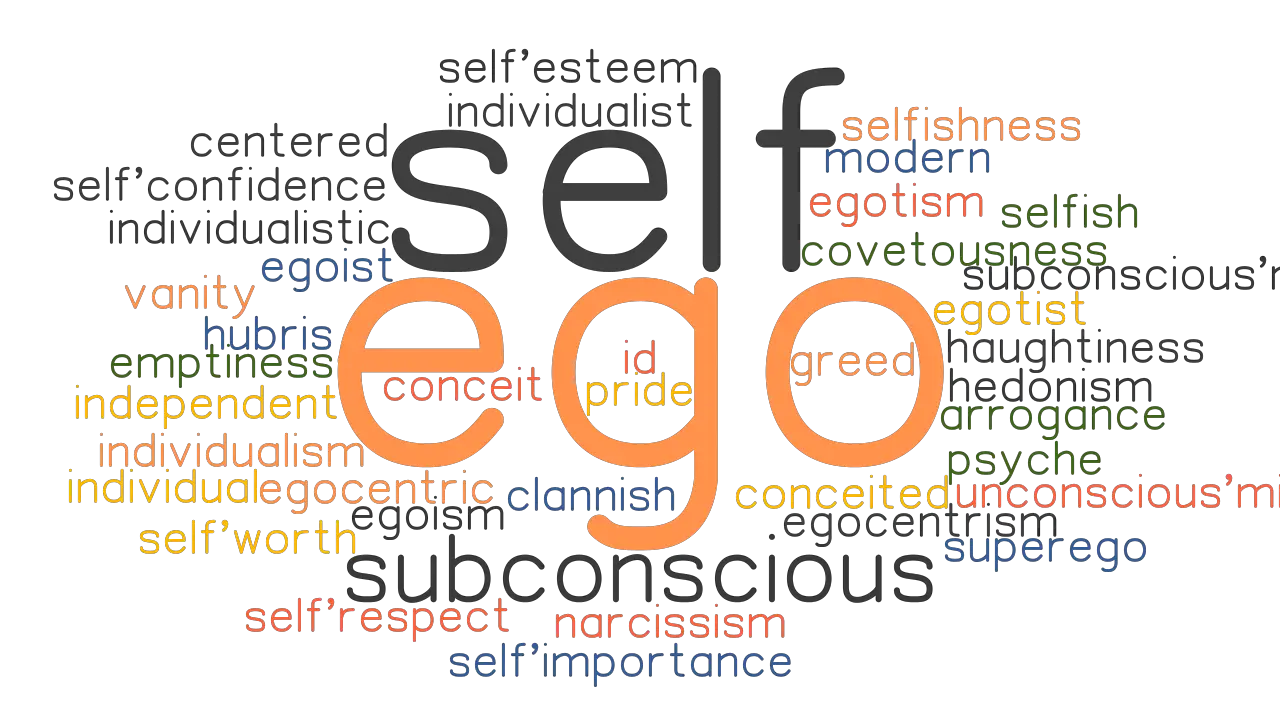
ego
noun
The part of the mind that mediates between the conscious and the unconscious and is responsible for reality testing and a sense of personal identity.
Example: In melancholia, as observed in some patients, Freud sees a similar introjection of the object, where the lost loved object is introjected, and the ego then has two parts.
en: ego
etiology
noun
The cause, set of causes, or manner of causation of a disease or condition.
Example: Psychological and emotional factors are very important in the etiology of this problem.
en: étiologie
hypochondriac
noun
A person who is abnormally anxious about their health.
Example: Because my uncle is a hypochondriac, he is quick to diagnose himself with a life-threatening illness.
en: hypocondriaque
insanity
noun
The state of being seriously mentally ill; madness.
Example: Thus, while masculinity was synonymous with sanity and emotional health, femininity was synonymous with insanity and corrupt mentality.
en: folie
lesion
noun
A region in an organ or tissue which has suffered damage through injury or disease, such as a wound, ulcer, abscess, or tumor.
Example: Diagnosis of such a lesion will require CT or MRI imaging of the brain.
en: lésion
mental illness
noun
Mental illnesses are health conditions involving changes in emotion, thinking or behavior (or a combination of these).
Example: ADHA or Autism having regression symptoms rather than evidence of children without a mental ilness regressing into past years.
en: maladie mentale
narcissist
noun
A person who has an excessive interest in or admiration of themselves.
Example: By pretending they can still be loving, the narcissist makes their victim believe the insults are their own fault.
en: narcissique
pathology
noun
Psychological pathology is the study of the causes, components, course, and consequences of psychological disorders. These are characterized by abnormality and dysfunction.
Example: The majority of useful research into Alzheimer's disease has only been conducted during the last ten years partly due to new technology that has become available; this has led to the development of new drugs and a better understanding of the disease pathology.
en: pathologie
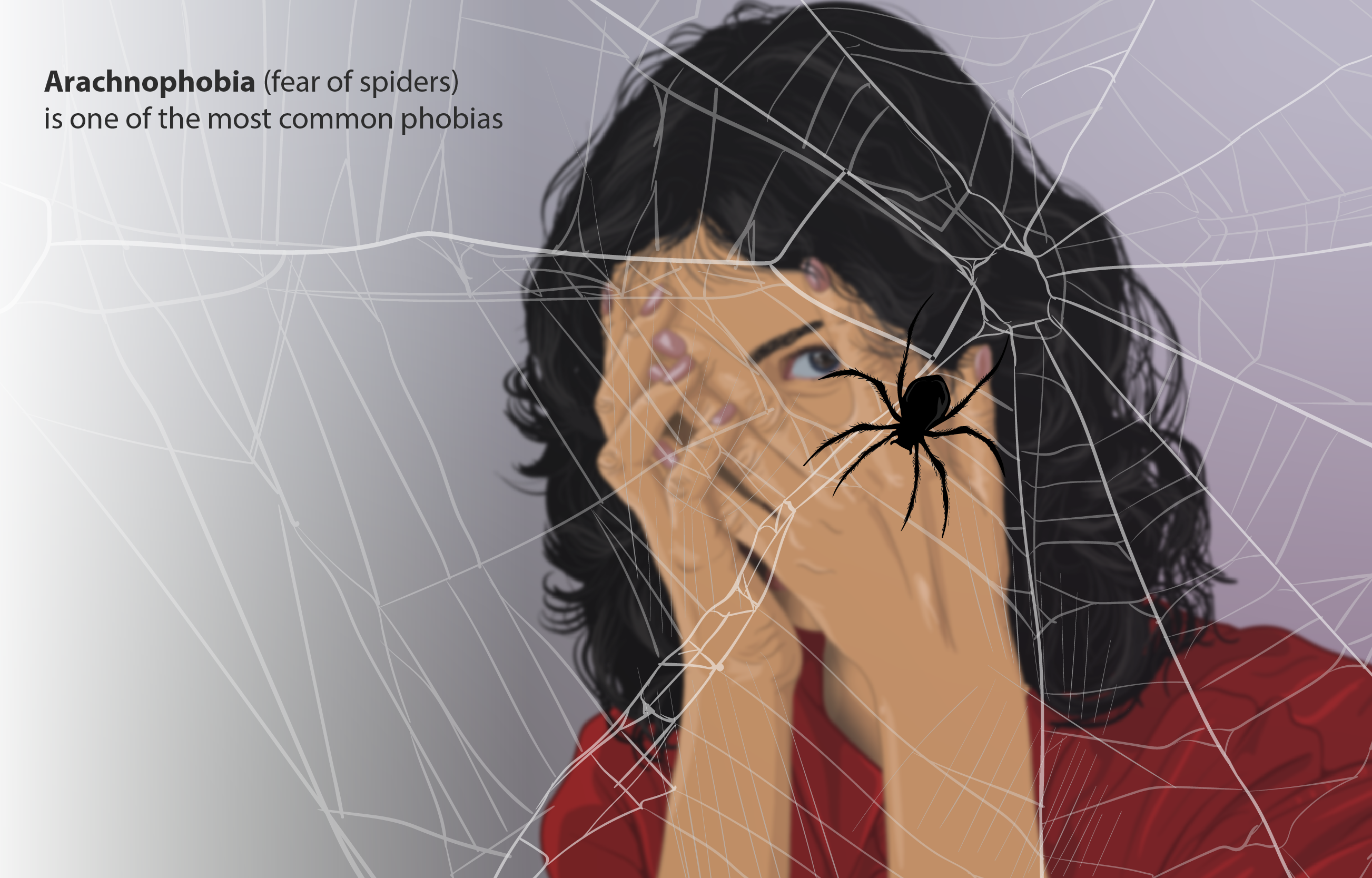
phobia
noun
An extreme or irrational fear of or aversion to something.
Example: With this method, patients are allowed to gradually overcome their phobias.
en: phobie
psychosomatic
adjective
Of, relating to, involving, or concerned with bodily symptoms caused by mental or emotional disturbance.
Example: One prisoner even developed a psychomatic rash all over his entire body when he learned that his parole request had been turned down.
en: psychosomatique
psychosurgery
noun
Brain surgery, such as lobotomy, used to treat mental disorder.
Example: Modern versions of psychosurgery also help with obsessions and phobias, and it seems to have helped some schizophrenics.
en: psychochirurgie
regression
noun
A return to earlier stages of development and abandoned forms of gratification belonging to them, prompted by dangers or conflicts arising at one of the later stages.
Example: Regression analysis was used to predict the outcome.
en: régression
repression
noun
A defense mechanism that involves keeping unpleasant thoughts, memories, and feelings shut up in the unconscious.
Example: The reason that some have thought that psychoanalysis operates as a closed belief system is, no doubt, a result of the fact that Freud made the point that people usually reject psychoanalytic ideas at first, and the vehemence of their rejection may mask deep repression of material.
en: répression
schizophrenia
noun
Schizophrenia is a serious mental illness that affects how a person thinks, feels, and behaves.
Example: Schizophrenia a severe and enduring mental illness; that is to say that recovery may be a long and complicated process with a possibility that an individual may never return to their pre-morbid personality.
en: schizophrénie
states
noun.
Temporary behaviors or feelings.
Example: These states differ from those produced by hallucinogens such as LSD and emotional enhancers such as 3,4 - methylenedioxymethamphetamine.
en: états
unconscious
noun
The part of the mind that contains thoughts, feelings, desires, and memories of which people have no awareness but that can influence people’s behavior.
Example: Some of these daemons are shown as followers, guardians and attendants of deities and sacred objects; others are fantastic composite monsters which seem to be spontaneous creations of the unconscious mind.




/repression-as-a-defense-mechanism-4586642_final-text-88d5d8087eff4aefaf1670df6218afe4.png)


