This glossary is to help people around the world, who are interested in business or accounting-related fields, to learn more and educate themselves about this field of study, but also learn a new language related to this type of domain. In this glossary, there will be 20 words, and it will also include a word class, a definition, an example, and the translation in French with a picture. The methods I used to find the words are by my experience, what I learned, and some research. I would like for you guys to read each definition, understand it, listen to the pronunciation, and try your best to pronounce it like in the audio.
asset
noun
Property owned by a person or company, regarded as having value and available to meet debts, commitments, or legacies.
Example: Additionally, companies can offset any gains (or losses) on an ASSET with a similar loss (or gain) on the derivative used as a hedge.
en: actif
balance Sheet
noun
A statement of the assets, liabilities, and capital of a business or other organization at a particular point in time, detailing the balance of income and expenditure over the preceding period.
Example: They are calculated in the following ways: - The figures I use are taken from my annual financial BALANCE SHEET. The BALANCE SHEET includes the physical resources that the business has, such as tractors, and also the financial assets that the business has gained, such as those from shareholders.
en: bilan
capitalize
verb
To capitalize is to record a cost or expense on the balance sheet for the purposes of delaying full recognition of the expense.
Example: To CAPITALIZE on the above, the industry's main competitors have strongly established themselves in the market by polarizing the sector and integrating VMSs (Appendix 4), thus increasing the threat of substitute products.
en: capitaliser
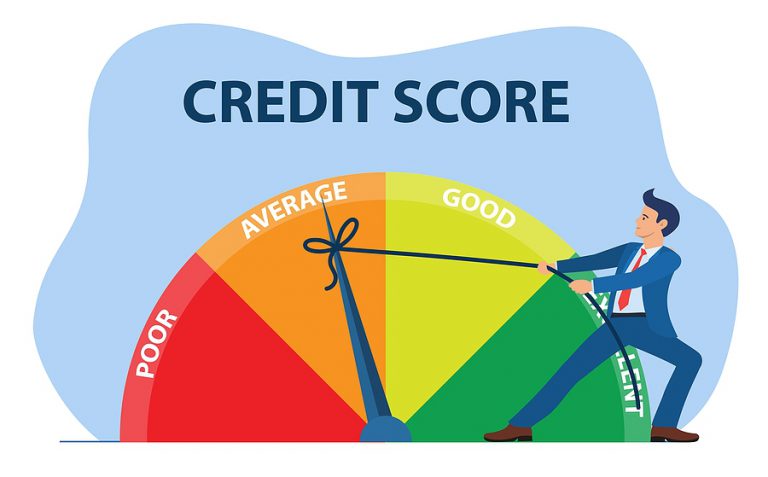
credit
noun
A contract agreement in which a borrower receives a sum of money or something of value and repays the lender at a later date, generally with interest.
Example: The danger with credit card debt is the increases in interest are incremental.
en: crédit
customer service
noun
Customer service is the direct one-on-one interaction between a consumer making a purchase and a representative of the company that is selling it.
Example: Good customer service is critical to business success, ensuring brand loyalty one customer at a time.
en: service Clients
debit
noun
An entry recording an amount owed, listed on the left-hand side or column of an account.The opposite of credit.
Example: A double-entry system of bookkeeping, where each debit has a corresponding credit entry.
en: débit
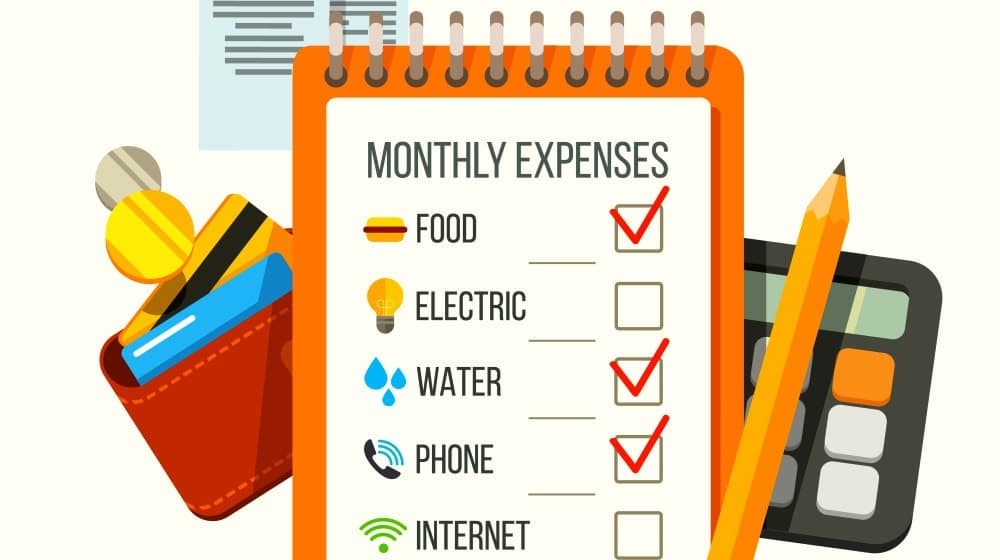
expenses
noun
money spent by a business in order to generate revenue.
Example: Many companies shut down during the weekend to save on expenses.
en: dépenses
general journal
noun
A general journal is used to record a business transaction in the accounting records of a business. It is the first step in the accounting cycle.
Example: Here’s the general journal to record the receipt of the supplies and the related payable.
en: journal général
income statement
noun
An income statement is one of the three (along with balance sheet and statement of cash flows) major financial statements that reports a company's financial performance over a specific accounting period.
Example: The three main financial statements are the Balance Sheet, the Cash Flow statement, and the INCOME STATEMENT.
en: releve de revenue
inventory
noun
The term inventory refers to the raw materials used in production as well as the goods produced that are available for sale.
Example: At the end of period 6 the brand SUSI was pulled from the market after selling off the remaining stock in INVENTORY.
en: inventaire
investment
noun
An investment is an asset or item acquired with the goal of generating income or appreciation.
Example: Therefore, own branding is a good INVESTMENT both for retailers and customers.
en: investissement
leadership
noun
Leadership in business is the capacity of a company's management to set and achieve challenging goals, take fast and decisive action when needed, outperform the competition, and inspire others to perform at the highest level they can.
Example: As Grint (2000) suggests, without backing, change lacks real LEADERSHIP; "without followers, there are no leaders".
en: leadership
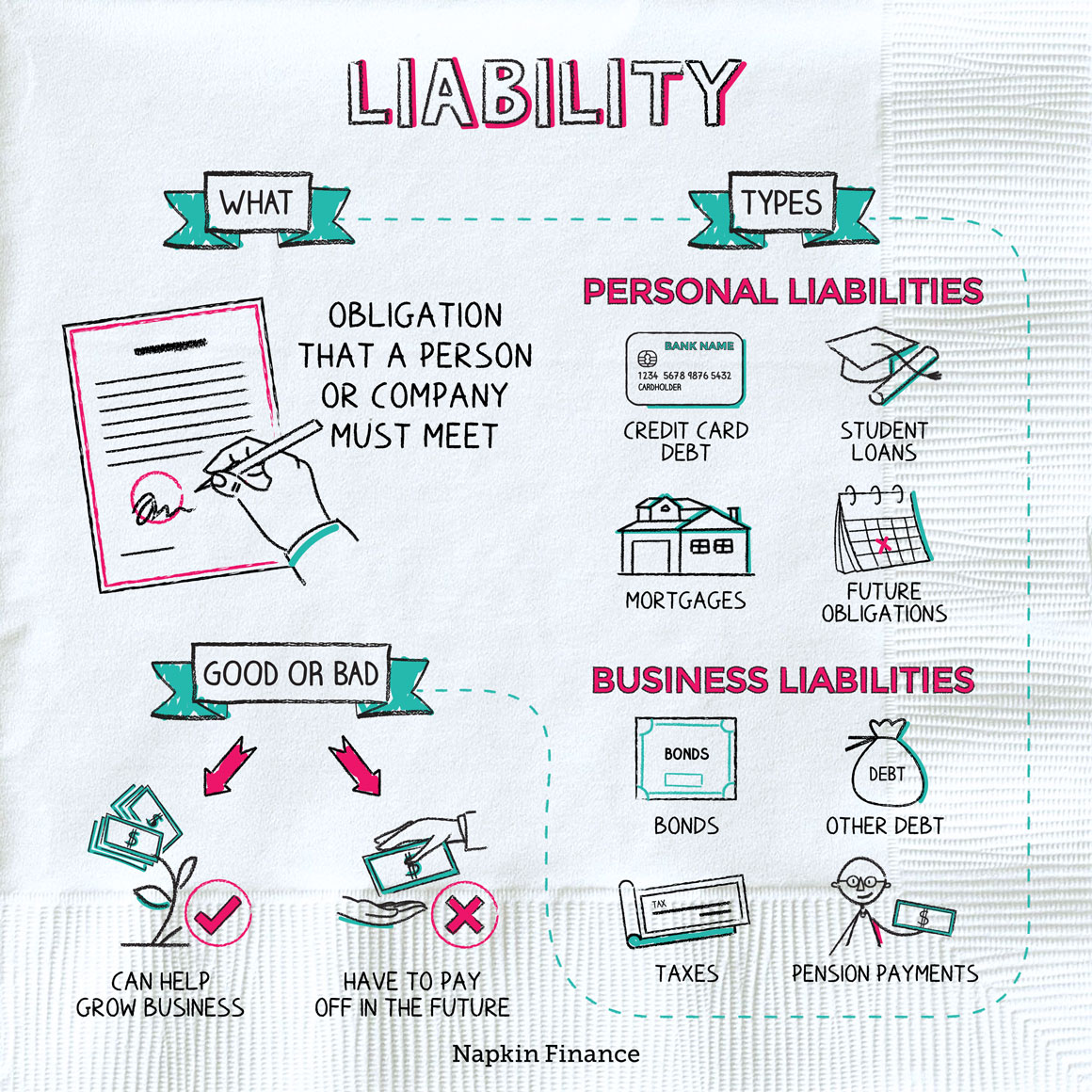
liabilities
noun
A liability is something a person or company owes, usually a sum of money. Liabilities are settled over time through the transfer of economic benefits including money, goods, or services.
Example: Ideally, a company would have a ratio of at least 1, meaning the company could generate enough cash to pay all LIABILITIES at once if necessary.
en: passifs
liquidity
noun
The ability to get your hands on money, whenever it is required. Cash and savings are “liquid assets” because they can easily be changed into cash very quickly.
Example: The business believed that this change will result in improved liquidity and profitability.
en: liquidité
management
noun
The conducting or supervising of something (such as a business).
Example: Business improved under the management of new owners.
en: gestion
marketing
noun
Marketing refers to activities a company undertakes to promote the buying or selling of a product or service. Marketing includes advertising, selling, and delivering products to consumers or other businesses.
Example: Anyone working in communications and marketing will find the guide invaluable.
en: commercialisation
purchase
noun
Purchases in accounting is the cost of buying inventory or goods during a period with the aim of resale in the ordinary course of the business.
Example: This new brand of furniture was a good purchase since this product sells have raised.
en: achat
revenue
noun
The income a business makes from its activities, before subtracting any expenses. This usually comes in the form of sales and services to customers.
Example: The 3 projects would all produce some REVENUE from sales of tickets.
en: Revenu
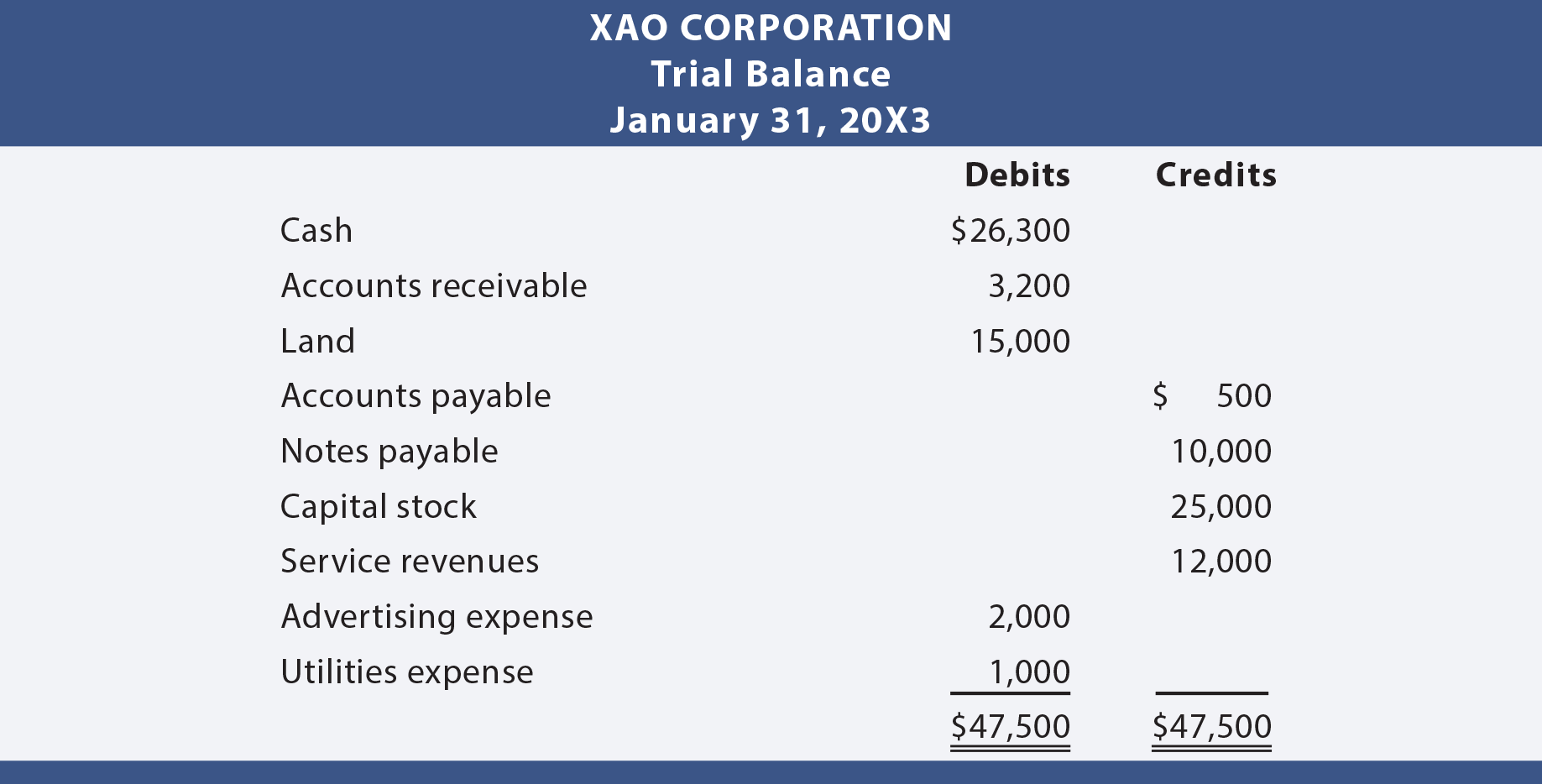
trial balance
noun
A statement of all debits and credits in a double-entry account book, with any disagreement indicating an error.
Example: There was no bank record or trial balance that could be used to verify that Sloan’s total assets exceeded the $5,000 net capital requirement for broker-dealers at the time.
— J.c. Hallman, The New Republic, 11 June 2020
en: balance de vérification
wage
noun
A payment usually of money for labor or services usually according to contract and on an hourly, daily, or piecework basis.

:max_bytes(150000):strip_icc()/balancesheet.asp-V1-5c897eae46e0fb0001336607.jpg)




:max_bytes(150000):strip_icc():format(webp)/IncomeStatementFinalJPEG-5c8ff20446e0fb000146adb1.jpg)
/inventory-5bfc372c46e0fb005147bcf6.jpg)