This glossary is about the chemistry behind the different foods we eat.
amino acid
noun
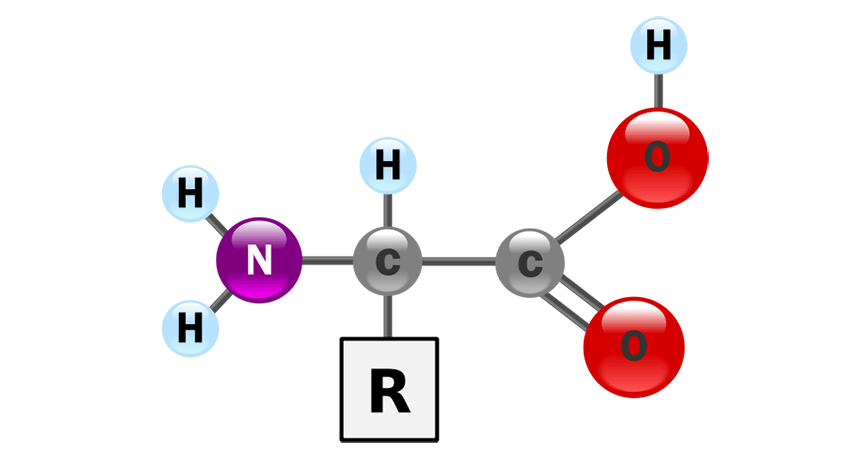
Amino acids are molecules that combine to form proteins. Amino acids and proteins are the building blocks of life. When proteins are digested or broken down, amino acids are left. The human body uses amino acids to make proteins to help the body: Break down food.
Example: There are 9 essential amino acids you need to have in your diet.
en: acide aminé
calcium
noun
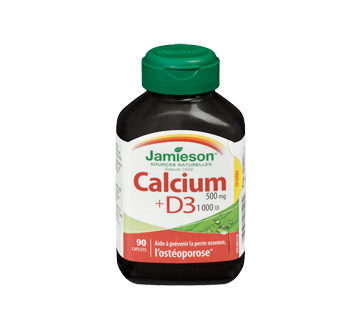
Calcium is a mineral that is found in foods, specifically dairy, and stored in bones and teeth in our body. It is essential for growth and development of children and adolescents as it maintains strong bones and teeth while also assisting in muscle contractions, nerve stimulations and regulating blood pressure.
Example: Dairy products contain a lot of calcium
en: calcium
carbohydrate
noun
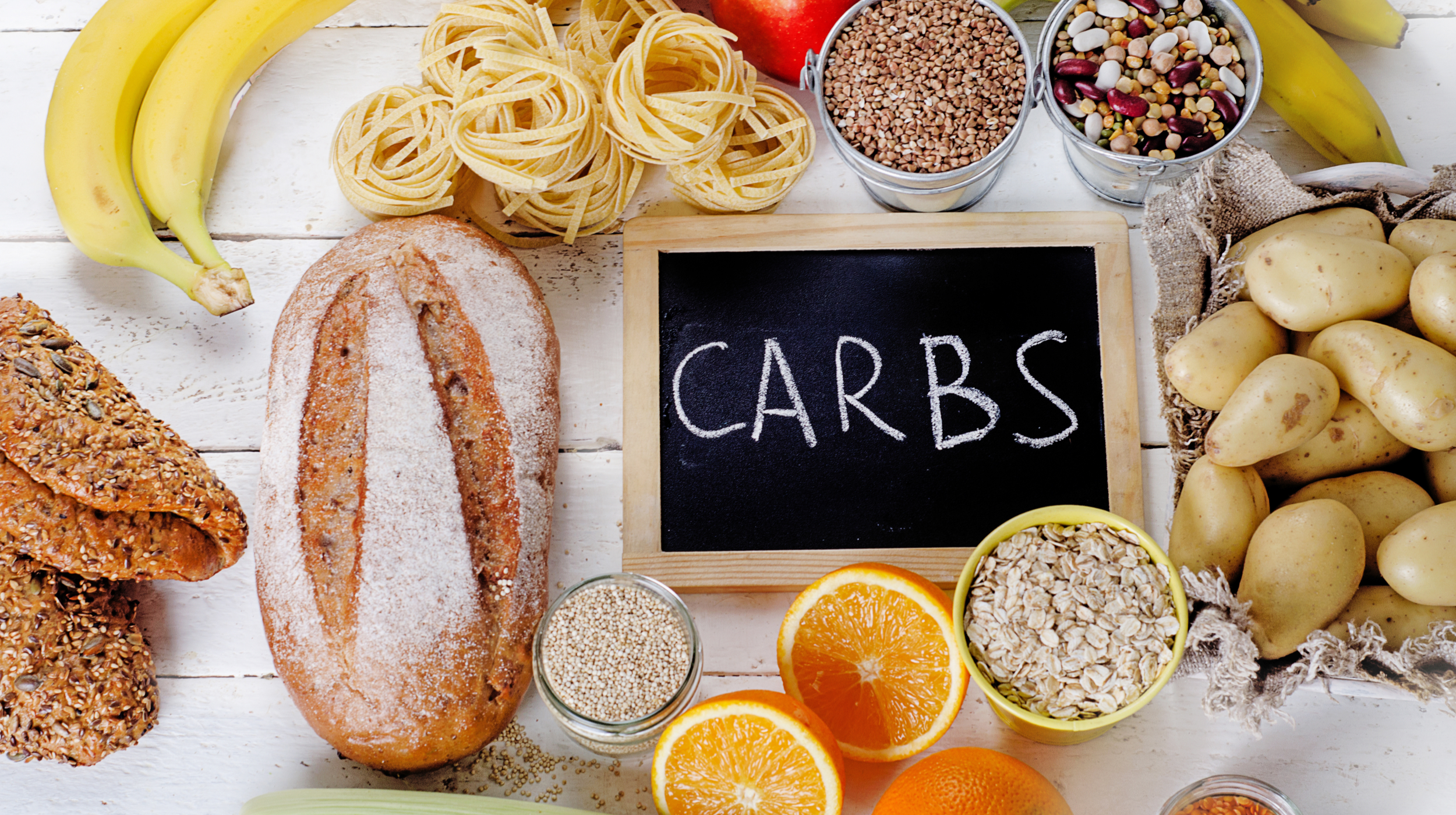
Any of a large group of organic compounds occurring in foods and living tissues and including sugars, starch, and cellulose. They contain hydrogen and oxygen in the same ratio as water (2:1) and typically can be broken down to release energy in the animal body
Example: Carbohydrate are the main source of energy for your body's cells, tissues, and organs
en: Glucide
fatty acid
noun
A carboxylic acid consisting of a hydrocarbon chain and a terminal carboxyl group, especially any of those occurring as esters in fats and oils.
en: acide gras
Fructose
noun
A hexose sugar found especially in honey and fruit
Example: Fructose is a sugar widely used in the food industry
en: Fructose
Glucose
noun
A simple sugar which is an important energy source in living organisms and is a component of many carbohydrates
Example: Your blood glucose level is very high after eating sweets
en: Glucose
iron
noun
Iron is a mineral that is naturally present in many foods, added to some food products, and available as a dietary supplement. Iron is an essential component of hemoglobin, an erythrocyte (red blood cell) protein that transfers oxygen from the lungs to the tissues
Example: Green vegetables contain a lot of iron
en: Fer
lipid
noun
Dietary lipids are primarily oils (liquid) and fats (solid). Commonly consumed oils are canola, corn, olive, peanut, safflower, soy, and sunflower oil. Foods rich in oils include salad dressing, olives, avocados, peanut butter, nuts, seeds, and some fish. Fats are found in animal meat, dairy products, and cocoa butter
en: lipide
Macronutriment
noun
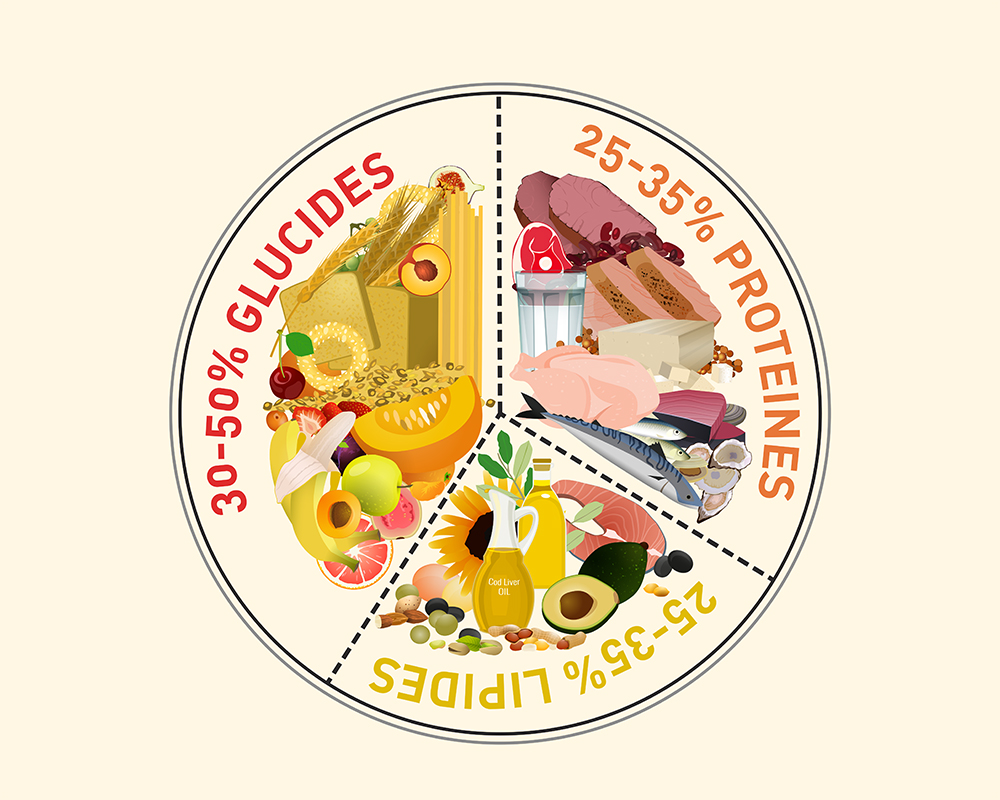
The body draws its energy from sugars (or carbohydrates), fatty substances (or lipids) and proteins (or proteins). These three energy nutrients form the class of macronutrients.
Example: Eating the right amount of each macronutriment is very important.
en: macronutriment
magnesium
noun
A mineral involved in many processes in the body including nerve signaling, the building of healthy bones, and normal muscle contraction. About 350 enzymes are known to depend on magnesium. Magnesium is contained in all unprocessed foods.
en: Banana contient a lot of magnesium
micronutriment
noun
A chemical element or substance (such as calcium or vitamin C) that is essential in minute amounts to the growth and health of a living organism
en: micronutriment
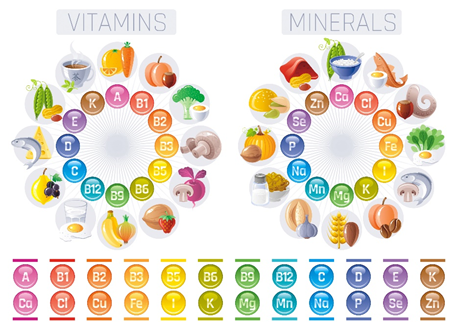
minerals
noun
Mineral salts are chemical elements which enter into the composition of organisms and which are present in animal and plant food.
Example: Minerals are very important for proper development of the body
en: minéraux
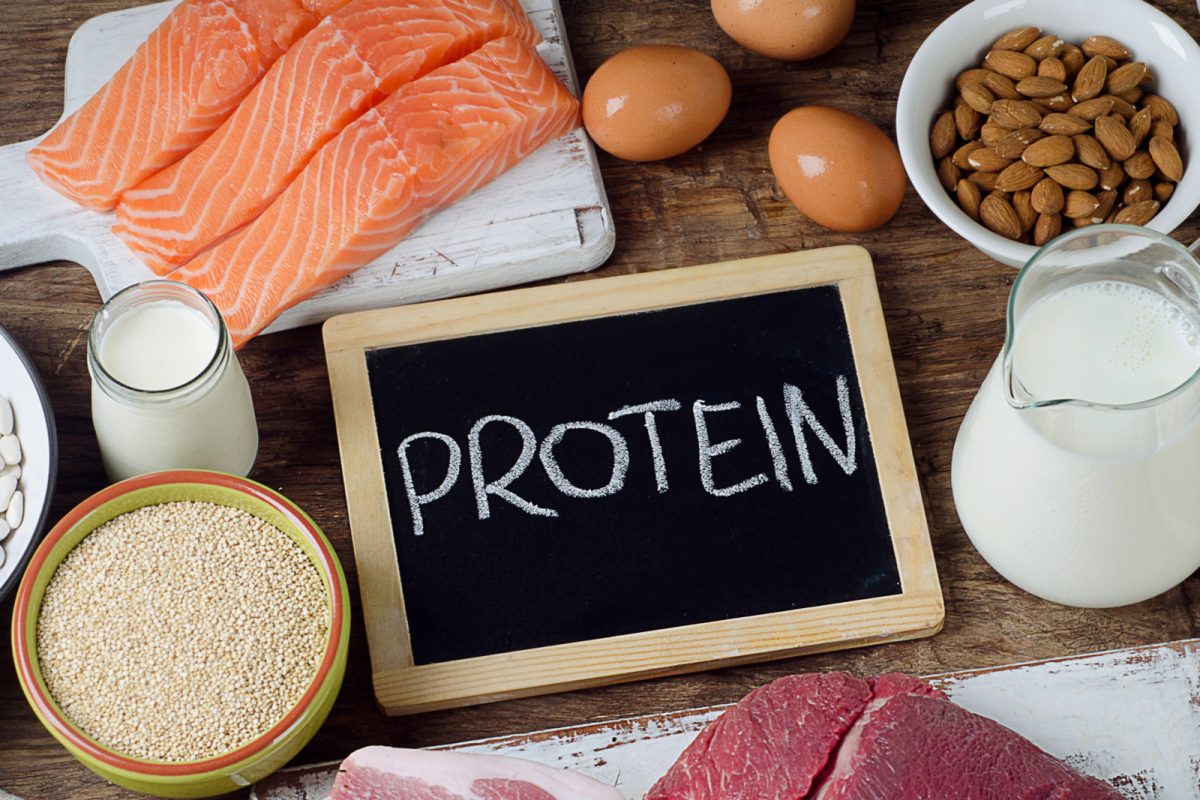
Protein
noun
Proteins are large, complex molecules that play many critical roles in the body. ... Proteins are made up of hundreds or thousands of smaller units called amino acids, which are attached to one another in long chains
en: protéine
sodium
noun
Sodium chloride, or salt, is the most common type of sodium found in nature. It's also the type of sodium you'll find in food. Most of our dietary sodium comes from the processing of the foods we eat.
Example: Processed products contain a lot of sodium
en: Sel
sugar ( sucrose)
noun
A compound which is the chief component of cane or beet sugar
Example: You need to reduce your sugar intake
en: sucre (saccharide)
vitamin
noun
Any of a group of organic compounds which are essential for normal growth and nutrition and are required in small quantities in the diet because they cannot be synthesized by the body.
Example: Fruits and vegetables contain a lot of vitamins
en: vitamine
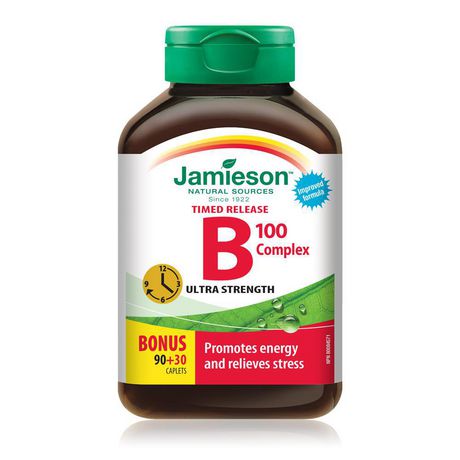
vitamin B
noun
Any of a group of substances (the vitamin B complex ) which are essential for the working of certain enzymes in the body and, although not chemically related, are generally found together in the same foods. They include thiamine ( vitamin B1 ), riboflavin ( vitamin B2 ), pyridoxine ( vitamin B6 ), and cyanocobalamin ( vitamin B12 ).
Example: Eating meat will provide a good amount of vitamin b
en: vitamine B
vitamin C (ascorbic acid)
noun
Vitamin C is an essential nutrient involved in the repair of tissue, the formation of collagen, and the enzymatic production of certain neurotransmitters. It is required for the functioning of several enzymes and is important for immune system function. It also functions as an antioxidant. Most animals are able to synthesize their own vitamin C. However, apes (including humans) and monkeys (but not all primates), most bats, some rodents, and certain other animals must acquire it from dietary sources.
Example: Oranges contain a lot of vitamin C
en: Vitamine C
vitamin D
noun
Any of a group of vitamins found in liver and fish oils, essential for the absorption of calcium and the prevention of rickets in children and osteomalacia in adults. They include calciferol ( vitamin D2 ) and cholecalciferol ( vitamin D3 ).
Example: Vitamin D is assimilated with the help of the sun
en: vitamine D
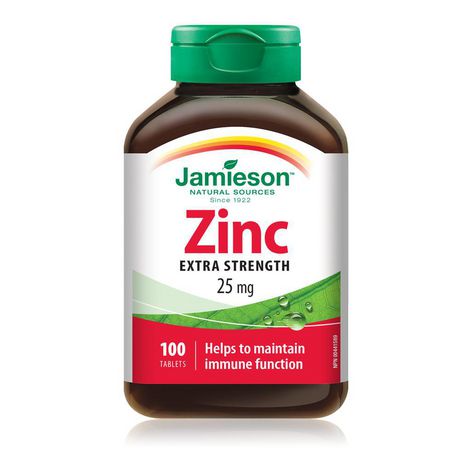
Zinc
noun
A mineral that is essential to the body and is a constituent of many enzymes that permit chemical reactions to proceed at normal rates. ... Food sources of zinc include meat, particularly liver and seafood; eggs; nuts; and cereal grains