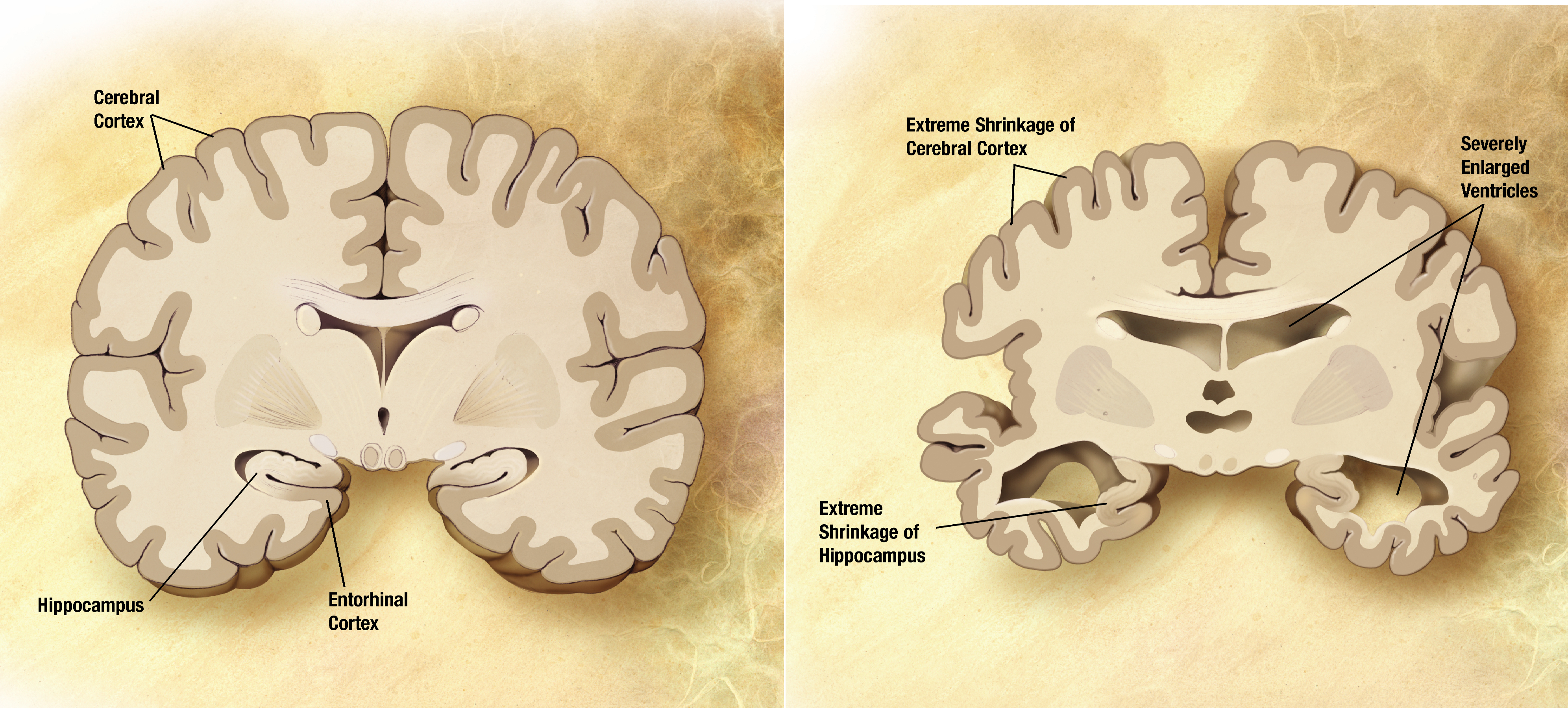
It is a progressive degradation of cognitive functions due to the accumulation of beta-amyloid in the brain. This prevents connections between different axons. Therefore, results in asymptomatic cell death.
Alzheimer's disease is characterized by;
1.memory problems, which are essential for diagnosis
2.disorders of at least one other cognitive function (judgment and reasoning disorder, behavioral disorder, oral and written language disorders)
3.an impact of these disorders on social, family or professional activities
Example: My grandmother has dementia. This dementia is called Alzheimer's disease.
en: Maladie d'Alzheimer
Arthritis
noun
Arthritis means inflammation or swelling of one or more joints. It describes more than 100 conditions that affect the joints, tissues around the joint, and other connective tissues. Specific symptoms vary depending on the type of arthritis, but usually include joint pain and stiffness.
Example: This lady is having trouble taking that drink. It's because she has arthritis in her hands.
en: Arthrite
Bronchitis
Noun
Bronchitis occurs when the bronchioles (air-carrying tubes in the lungs) are inflamed and make too much mucus.
Example: I have been sick since the weekend. I have bronchitis.
en: Bronchite
Bursitis
Noun
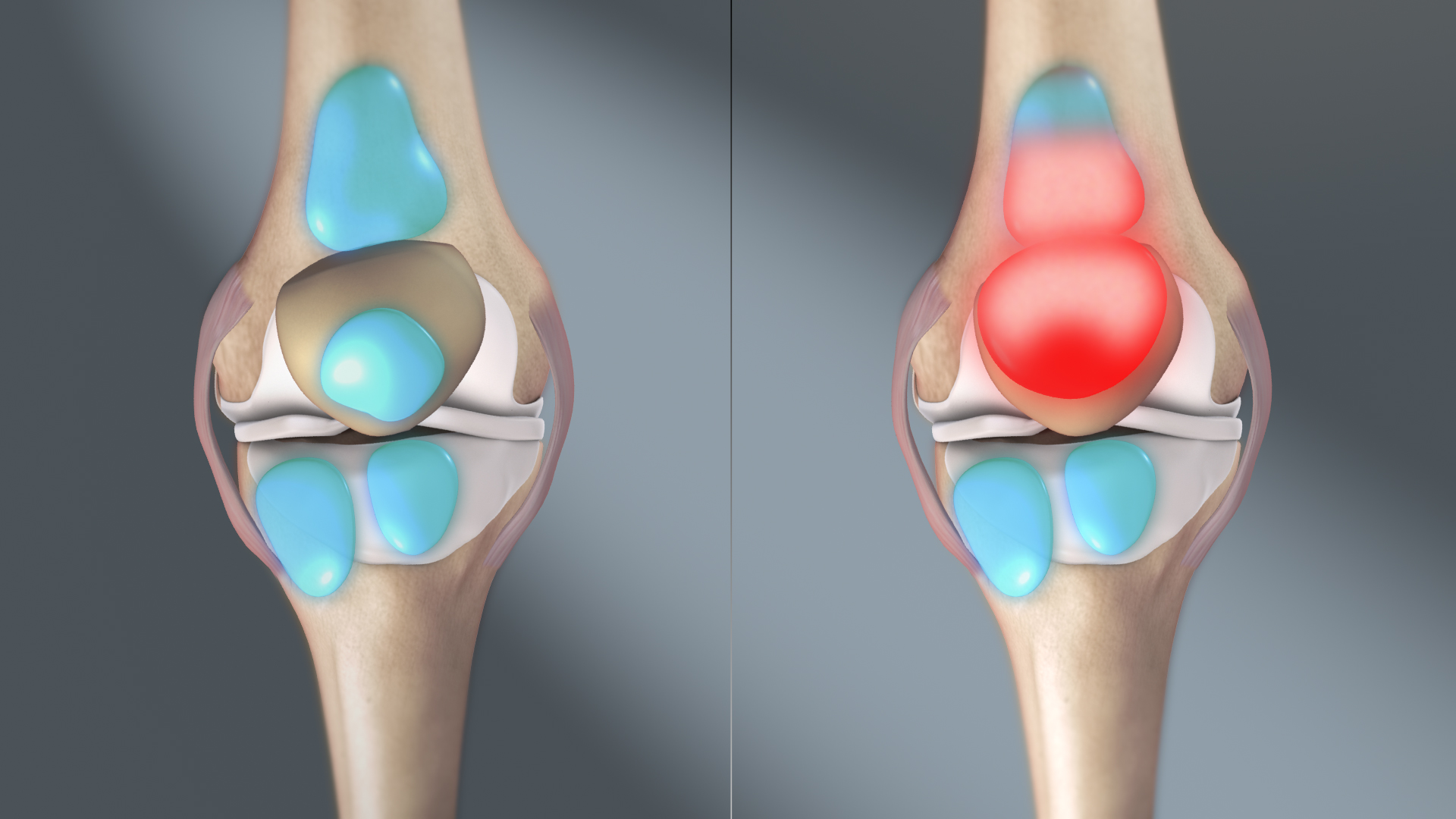
Bursitis is inflammation of a bursa. A bursa is a closed, fluid-filled sac that works as a cushion and gliding surface to reduce friction between tissues of the body. The major bursae (this is the plural of bursa) are located next to the tendons near the large joints, such as in the shoulders, elbows, hips, and knees.
Example: This woman's knee is very swollen. It's because she has a bursitis in her knee.
en: Bursite
Capsulitis
Noun
Adhesive capsulitis occurs when the shoulder joint capsule (the membrane that surrounds the shoulder joint), "shrinks" and thickens, causing the gradual onset of pain and loss of movement progressive from the shoulder in all directions.
Example: This man is no longer able to move his arm because of this shoulder capsulitis.
en: Capsulite
cerebrovascular accident (stroke)
Noun
Cerebrovascular accidents are caused by blood clots and broken blood vessels in the brain.
Example: My neighbor died of a stroke last night.
en: Accident vasculaire cérébrale (AVC)
Contusion
Noun
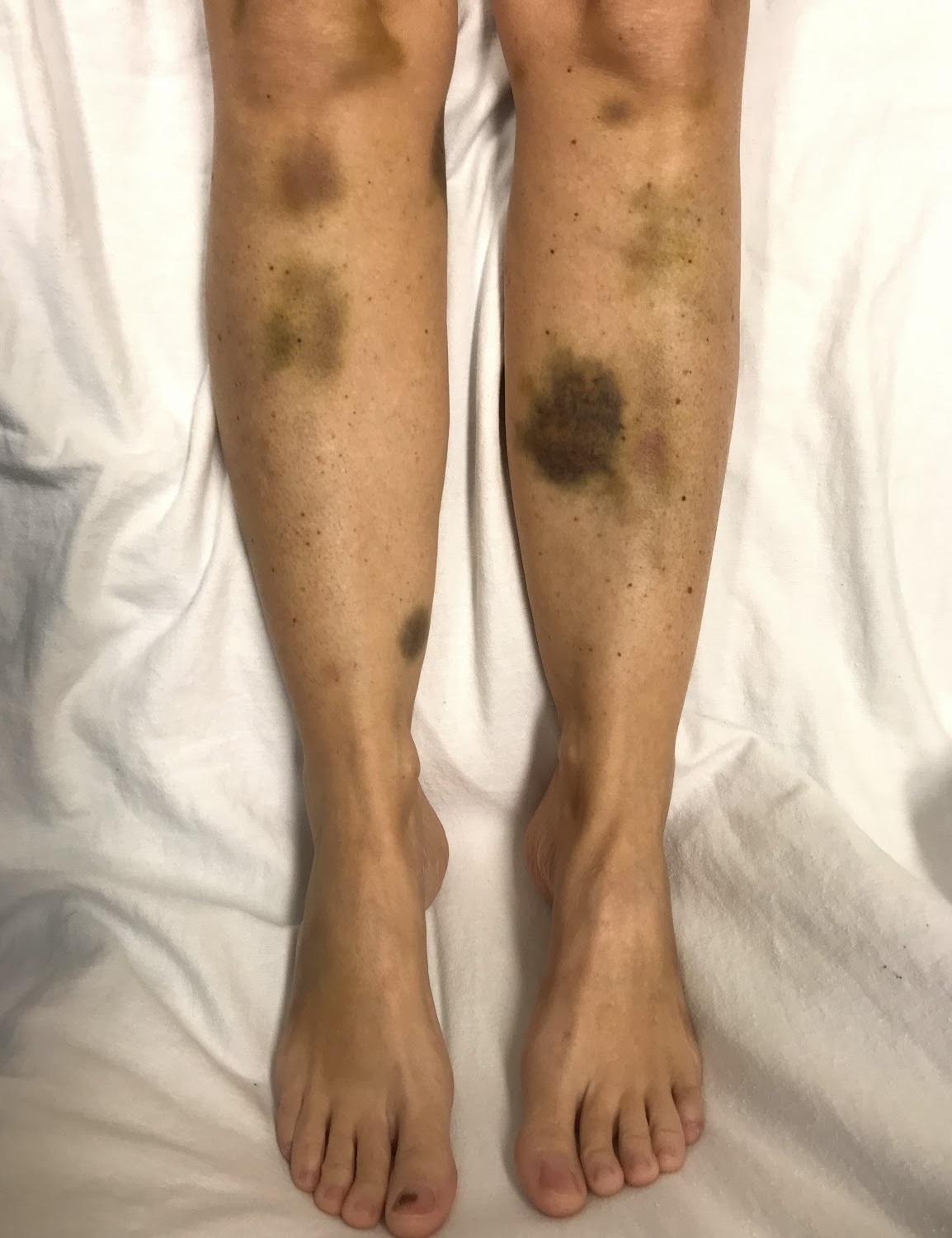
Contusions are a type of hematoma — any collection of blood outside a blood vessel. When you get a contusion, capillaries or blood vessels are injured and blood leaks into the surrounding area.
Example: The contusion often occurs after a fall.
en: Contusion
Diabetes
Noun
Diabetes is a disease that occurs when your blood glucose, also called blood sugar, is too high. Blood glucose is your main source of energy and comes from the food you eat. Insulin, a hormone made by the pancreas, helps glucose from food get into your cells to be used for energy.
Example: My grandfather has diabetes.
en: Diabète
Dislocation
Noun
Injury or disability caused when the normal position of a joint or other part of the body is disturbed.
Example: A fall could cause a dislocation.
en: Luxation
Emphysema
Noun
Emphysema develops over time and involves the gradual damage of lung tissue, specifically the destruction of the alveoli (tiny air sacs). Gradually, this damage causes the air sacs to rupture and create one big air pocket instead of many small ones. This reduction in the lung surface area traps air in the damaged tissue and prevents oxygen from moving through the bloodstream. Additionally, this blockage causes the lungs to slowly overfill and makes breathing increasingly more difficult.
Example: Following a long period of tobacco consumption, I have emphysema.
en: Emphysème
Fibromyalgia
Noun
Fibromyalgia is a condition that causes widespread pain throughout the body.
Example: My mother went to the doctor because of her extreme fatigue and her diagnosis was fibromyalgia.
en: Fibromyalgie
High blood pressure
Noun
High blood pressure, also called hypertension, is blood pressure that is higher than normal. Your blood pressure changes throughout the day based on your activities. Having blood pressure measures consistently above normal may result in a diagnosis of high blood pressure (or hypertension).
Example: Older people have high blood pressure.
en: Haute tension artérielle
Inflammation
Noun
Inflammation is a process by which your body's white blood cells and the things they make protect you from infection from outside invaders, such as bacteria and viruses.
Example: My injury caused a lot of inflammation in my foot.
en: Inflammation
Multiple sclerosis
Noun
Multiple sclerosis (MS) is a chronic disease affecting the central nervous system (the brain and spinal cord). MS occurs when the immune system attacks nerve fibers and myelin sheathing (a fatty substance which surrounds/insulates healthy nerve fibers) in the brain and spinal cord.
Example: Because of multiple sclerosis, my patient became paralyzed.
en: Sclérose en plaque.
osteoarthritis
noun
Degeneration of joint cartilage and the underlying bone, most common from middle age onward. It causes pain and stiffness, especially in the hip, knee, and thumb joints.
Example: This gentleman has difficulty walking. It's normal, he has osteoarthritis.
en: Arthrose
Osteoporosis
Noun
Osteoporosis causes bones to become weak and brittle — so brittle that a fall or even mild stresses such as bending over or coughing can cause a fracture. Osteoporosis-related fractures most commonly occur in the hip, wrist or spine. Bone is living tissue that is constantly being broken down and replaced.
Example: My grandmother has very fragile bones due to osteoporosis.
en: Ostéoporose
Parkinson disease
noun
Parkinsonism is any condition that causes a combination of the movement abnormalities seen in Parkinson's disease — such as tremor, slow movement, impaired speech or muscle stiffness — especially resulting from the loss of dopamine-containing nerve cells (neurons).
Example: This man is shaking a lot. It's because he has Parkinson's disease.
en: Maladie de parkinson
Pulse
Noun
The regular expansion of an artery caused by the ejection of blood into the arterial system by the contractions of the heart.
Example: The normal pulse is 60 to 80 beats per minute.
en: Pouls
Sprain
Noun
A sprain, also known as a torn ligament, is an injury resulting in the stretching or tearing of ligaments within a joint, often caused by a sudden movement abruptly forcing the joint beyond its functional range of motion.
Example: I hurt my knee playing soccer. The doctor says it's a grade 2 sprain.
en: Entorse
Tendinitis
Noun
Tendinitis is inflammation or irritation of a tendon — the thick fibrous cords that attach muscle to bone.
Example: Tennis players often have shoulder tendinitis.