Accounting, also known as accountancy, is the measurement, processing, and communication of financial and non financial information about economic entities such as businesses and corporations. Accounting, which has been called the "language of business"
Example: Emelie wants to study accounting at university
fr: Comptabilité
Asset
noun
In financial accounting, an asset is any resource owned or controlled by a business or an economic entity. It is anything (tangible or intangible) that can be used to produce positive economic value. Assets represent value of ownership that can be converted into cash (although cash itself is also considered an asset).[1] The balance sheet of a firm records the monetary[2] value of the assets owned by that firm. It covers money and other valuables belonging to an individual or to a business.[1]
Example: I have several assets in my business.
fr: Actif
Business
noun
A business is defined as an organization or enterprising entity engaged in commercial, industrial, or professional activities. Businesses can be for-profit entities or non-profit organizations. Business types range from limited liability companies, sole proprietorships, corporations, and partnerships.
Example: I work for my father's business. It's a snow removal company.
fr: Entreprise
consumer
noun
A consumer is a person or a group who intends to order, orders, or uses purchased goods, products, or services primarily for personal, social, family, household and similar needs, not directly related to entrepreneurial or business activities.
Example: In summer there are many more consumers who come to enjoy the city centre.
fr: Consommateur
Customer
noun
a person or group that uses the professional advice or services of a lawyer, accountant, advertising agency, architect, etc.
a person who is receiving the benefits, services, etc., of a social welfare agency, a government bureau, etc.
Example: I have new customers since this week.
fr: Client
Customer service
noun
Customer service is the provision of service to customers before, during, and after a purchase. The perception of success of such interactions is dependent on employees "who can adjust themselves to the personality of the guest".
From the point of view of an overall sales process engineering effort, customer service plays an important role in an organization's ability to generate income and revenue. Customer service also plays a crucial role in both increasing and maintaining customer loyalty, the tendency of a customer to repeat doing business with a company in the future. One good customer service experience can change the entire perception a customer holds towards the organization.
Example: We have good comments about our customer service.
fr: Service client
email
noun
Electronic mail (email or e-mail) is a method of exchanging messages ("mail") between people using electronic devices. Email was thus conceived as the electronic (digital) version of, or counterpart to, mail, at a time when "mail" meant only physical mail.
Example: I get emails every day with my work.
fr: courrier électronique
Financing
noun
Financing is the process of providing funds for business activities, making purchases, or investing. Financial institutions, such as banks, are in the business of providing capital to businesses, consumers, and investors to help them achieve their goals. The use of financing is vital in any economic system, as it allows companies to purchase products out of their immediate reach.
Example: I need help for the financing my humanitarian trip.
fr: Financement
Fiscal year
noun
A fiscal year (or financial year, or sometimes budget year) is used in government accounting, which varies between countries, and for budget purposes. It is also used for financial reporting by businesses and other organizations.
Example: The fiscal year of our company is from January 1 to December 31.
fr: Année fiscale
Human ressource
noun
the department of a business or organization that deals with the hiring, administration, and training of personnel.
Example: Emelie works in the human ressources department at Hydro-Québec
fr: Ressource humaine
Interest rate
noun
An interest rate is the amount of interest due per period, as a proportion of the amount lent, deposited, or borrowed (called the principal sum). The total interest on an amount lent or borrowed depends on the principal sum, the interest rate, the compounding frequency, and the length of time over which it is lent, deposited, or borrowed. The interest rate is defined as the proportion of an amount loaned which a lender charges as interest to the borrower, normally expressed as an annual percentage.[1] It is the rate a bank or other lender charges to borrow its money, or the rate a bank pays its savers for keeping money in an account.[2]
Example: I have an interest rate of 3.4% on my mortgage.
fr: Taux d'intérêts
Liability
noun
A liability is something a person or company owes, usually a sum of money. Liabilities are settled over time through the transfer of economic benefits including money, goods, or services. Recorded on the right side of the balance sheet, liabilities include loans, accounts payable, mortgages, deferred revenues, bonds, warranties, and accrued expenses.
Example: In our balance sheet, we have two liabilities, our accounts payable and our line of credit.
fr: Passif
Manager
noun
A manager is a person who is responsible for a part of a company, i.e., they ‘manage‘ the company. Managers may be in charge of a department and the people who work in it. In some cases, the manager is in charge of the whole business. For example, a ‘restaurant manager’ is in charge of the whole restaurant.
Example: I got the job of marketing manager.
fr: Directeur
Marketing
noun
Marketing is the practice of increasing awareness, consideration, purchase/repurchase and preference for a product or service through consumer-driven benefits, advertising, packaging, placement, pricing and promotions.
Example: Ariane works in marketing.
fr: Commercialisation
Mortgage
noun
A mortgage, also referred to as a mortgage loan, is an agreement between you (the borrower) and a mortgage lender to buy or refinance a home without having all the cash upfront.
Example: We have been accepted for our mortgage.
fr: Prêt hypothécaire
Provider
noun
Person who supplies goods to a customer, merchant.
Example: My supplier gave me a credit note for defective equipment.
fr: Fournisseur
Report
noun
A report is a document that presents information in an organized format for a specific audience and purpose. Although summaries of reports may be delivered orally, complete reports are almost always in the form of written documents.
Example: It is obligatory to make a report during a meeting.
fr: Compte-rendu
Salary
noun
A salary is a form of periodic payment from an employer to an employee, which may be specified in an employment contract. It is contrasted with piece wages, where each job, hour or other unit is paid separately, rather than on a periodic basis. From the point of view of running a business, salary can also be viewed as the cost of acquiring and retaining human resources for running operations, and is then termed personnel expense or salary expense. In accounting, salaries are recorded in payroll accounts.[1]
Example: My salary is $3000 monthly.
fr: Salaire
Shareholder
noun
A shareholder of a corporation is an individual or legal entity (such as another corporation, a body politic, a trust or partnership) that is registered by the corporation as the legal owner of shares of the share capital of a public or private corporation. Shareholders may be referred to as members of a corporation.
Example: I became a shareholder of a company.
fr: Actionnaire
Wholesaler
noun
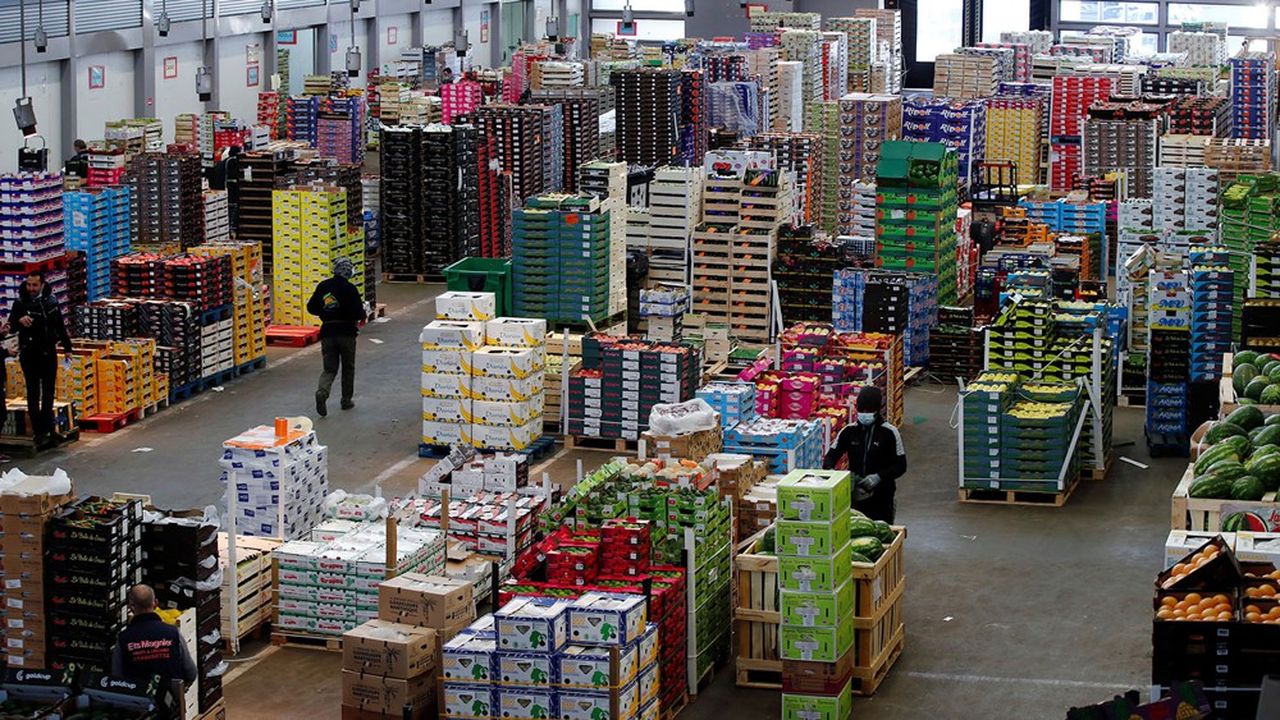
Wholesaling or distributing is the sale of goods or merchandise to retailers; to industrial, commercial, institutional or other professional business users; or to other wholesalers (wholesale businesses) and related subordinated services.[2] In general, it is the sale of goods in bulk to anyone other than a standard consumer. Wholesaling is the selling of merchandise to anyone either a person or an organization other than the end consumer of that merchandise.
Example: I went to the wholesaler to buy food for my grocery store.