25 Metropolitan Movement Towards Emancipation terms
This is glossary for A portfolio on the theme Metropolitan Movement Towards Emancipation. These words that are going to defined are apart/associated with the theme.
Abolition
noun
The action or act of abolishing a system, practice or institution.
Example: Enslaved labour sustained Britain's commercial empire because it made possible large-scale specialised production of commodities, which drove commerce; Williams, Capitalism and Slavery , p.142 without the forced and cheap labour of Africans, the rate of growth of transnational commerce between 1660 and the ABOLITION of the slave trade in 1808 would have been far slower.
es: Abolición
Abolitionist
noun
A person who sought to abolish slavery during the 19th century. But more specifically individuals who sought the immediate and full emancipation of all enslaved people.
Example: Whether the purpose of a text was ABOLITIONIST propaganda or personal catharsis, an ex slave had to safeguard against offending a reader's sensibilities, whilst also pushing the boundaries on descriptions of slavery, so readers did not become complacent and continued to argue in favour of abolition.
es: Abolicionista
Amelioration proposals
noun
This is to improve the condition of the slaves, also it was a means of delaying emancipation.
es: Propuestas de mejora
Anti-slavery
adjective
Opposed to the practice or system of slavery.
es: Antiesclavista
Apprenticeship
noun
This is the stage between slavery and freedom.
Example: In order to preserve the status quo between 1834 and 1838, creoles were still bound to plantations through APPRENTICESHIP, which in many ways was similar to the conditions they had worked and lived in as slaves.
es: Aprendizaje
Caribbean
noun
The region consisting of the Caribbean Sea, its islands (including the West Indies), and the surrounding coasts.
Example: The triangular trade involved vessels leaving Britain with manufactured goods to be exchanged for slaves in Western Africa, who were traded on American and CARIBBEAN plantations for slave-produced commodities, such as sugar, which were transported back to Britain.
es: caribe
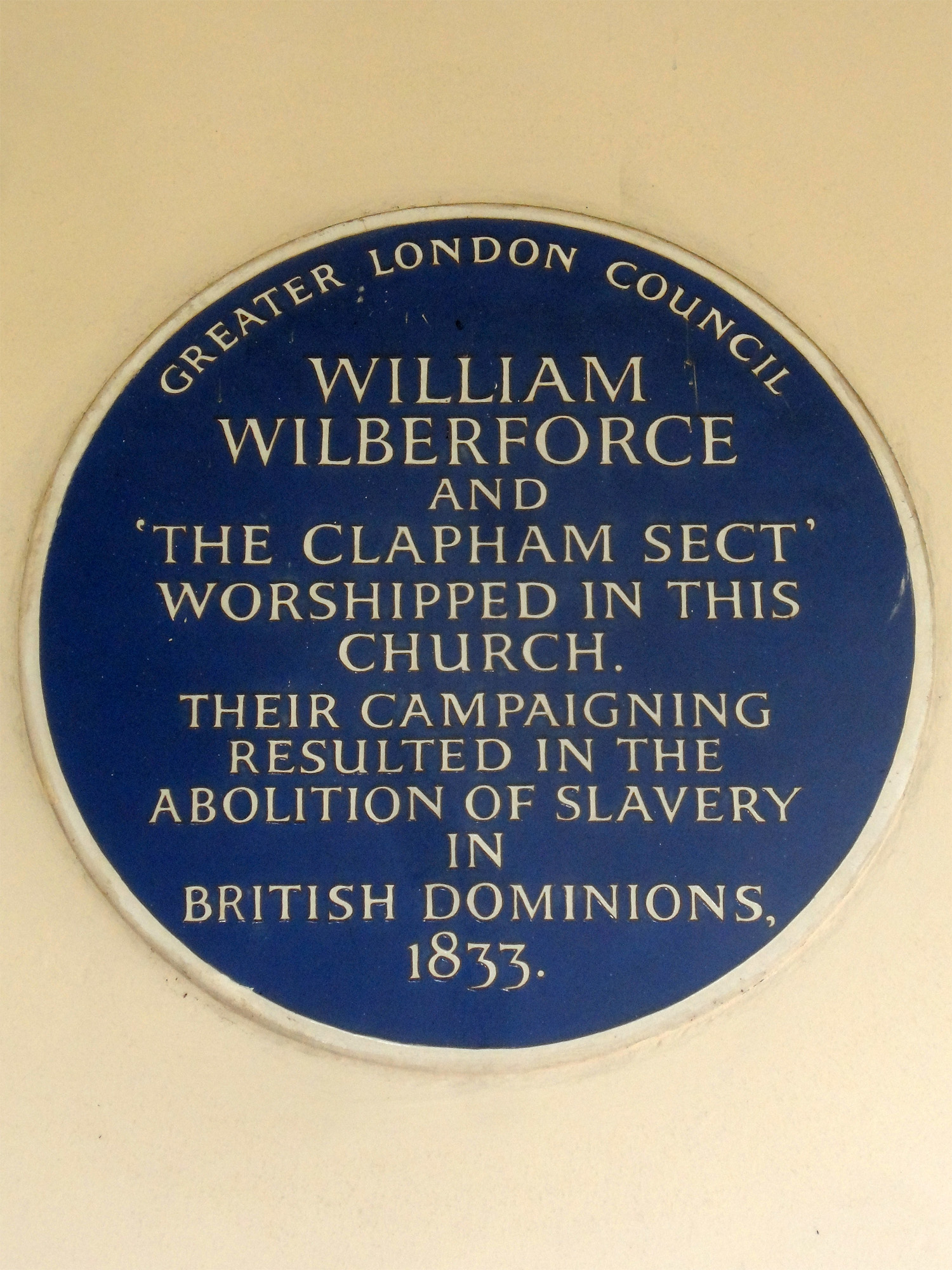
Clapham sect
The clapham sect is a political group of Christians prominent in England who campaigned for the abolition of slavery and promoted missionary work at home and aboard.
es: Secta Clapham
Economic
noun
relating to the process or system which goods and services are produced, sold and bought
Example: Rice production is the most important agriculture and ECONOMIC sector in the country.
es: Económico
Emancipation
noun
The process of being set free from legal, social or political restrictions.
Example: The peasantry still carried their resentment at the government and landowners over their EMANCIPATION which left them tied to the land by the increased power of the village commune, and forced to make redemption payments to the state.
es: Emancipación
Gradualism
noun
Is a policy of approaching a desired end by gradual stages.
Example: GRADUALISM views evolution as proceeding by the steady accumulation of small changes over long periods of time, Darwin suggested "we see nothing of these slow changes in progress, until the hand of time has passed the ages."
es: Gradualismo
Humanitarian
noun
A person who is involved in or connected with improving people's lives and reducing suffering
Example: To look at imperialism from a cynical point of view, it must be said that where economic and HUMANITARIAN interests were conflicting, the former would always triumph. Empirical observations regarding the sale of opium to Britain's Southeast Asian colonies, and that of 'trader gin' (a noxious but potent narcotic) in West Africa are telling of the priority of economic over HUMANITARIAN concerns.
es: Humanitario
Mansfield Judgement
noun
No master ever was allowed here (England) to take a slave by force to be sold abroad because he deserted from his service therefore, the man must be discharged'. The decision was that no slave could be forcibly removed from Britain and sold into slavery.
es: Juicio de Mansfield
Metropole
noun
Is a parent state of a country
es: Metropole
Non-predials
noun
Non-Predial laborers were mostly domestic slaves who worked in the home.
es: No prediales
Olaudah Equiano
Proper noun
Is an enslaved man who bought freedom and wrote compellingly about his experiences.
Example: The portrait used as the front piece to the novel establishes this ambiguity between Equiano's black self, OLAUDAH EQUIANO and his assumed white identity, Gustava Vassa.
es: Olaudah Equiano
Pitt
Proper noun
A man who is a respected leader in national or international affairs. English statesman.
es: Pitt
Predials
noun
Relating to land or its products
es: Prediales
Pro-slavery
adjective
Proslavery is an ideology that perceives slavery as a positive good or an otherwise morally acceptable institution.
es: Esclavista
Quakers
noun
A religious society of a Christian movement. Quakers believe that all people have access to the inner light of direct communion with God
es: Cuáqueros
Registry bill
noun
Means of a Register of the Slaves in the West Indies.
es: Factura de registro
Stipendiary magistrates
noun
A salaried British magistrate who is a professional lawyer appointed under statutory provisions to act instead of or in cooperation with unpaid lay justices of the peace.
es: Magistrados estipendiarios
Thomas Buxton
Proper noun
Was an English member of parliament, brewer, abolitionist and social reformer.
es: Thomas Buxton
Thomas Clarkeson
Proper noun
Thomas Clarkson was an English abolitionist, and a leading campaigner against the slave trade in the British Empire.
es: Thomas Clarkson
West India Interest
noun
The West India Interest lobbied on behalf of the Caribbean sugar trade in Britain during the late eighteenth century.
es: Interés de las Indias Occidentales
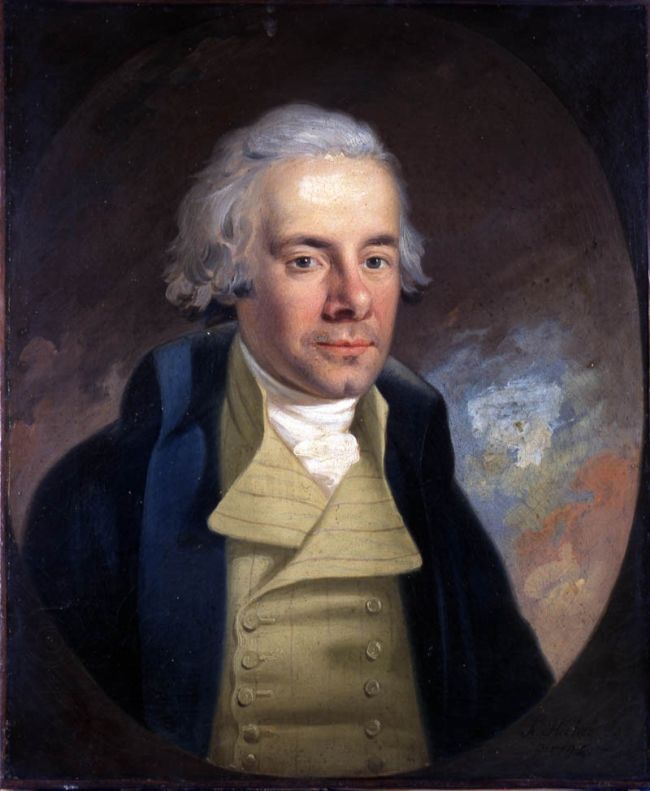
William Wilberforce
Proper noun
A British politician, philanthropist, and a leader of the movement to abolish the slave trade.