English Toolkit
English Toolkit
23 Keeping Track of Samples in Multidisciplinary Fieldwork terms
This glossary contains words people can use to learn data science terminology
- CF data model
- term
- The CF data model identifies the fundamental elements (“constructs”) of the CF conventions and shows how they relate to each other, independently of the netCDF encoding. The CF data model defines a field construct for storing data with all of its metadata.
References
https://ncas-cms.github.io/cf-python/cf_data_model.html
- Example: CF is currently usually used in the context of the NetCDF (Unidata 2020) file format, although the principles, as outlined in the CF data model, could be implemented in other formats (e.g,. GeoJSON (Butler et al. 2016))
- en: Модель данных CF определяет основные элементы ("конструкции") соглашений CF и показывает, как они связаны друг с другом, независимо от кодировки netCDF. Модель данных CF определяет конструкцию поля для хранения данных со всеми их метаданными.
Ссылки
https://ncas-cms.github.io/cf-python/cf_data_model.html

- CF Standard Names
- term
- CF standard names are composed of words joined with underscores e.g. (By convention, the words consist of lower-case letters and numerals only, but that's not important to this analysis.) The grammar analyses each standard name into phrases, each comprising one or more words e.g.
References
http://www.met.reading.ac.uk/~jonathan/CF_metadata/14.1/#:~:text=CF%20standard%20names%20are%20composed%20of%20words%20joined%20with%20underscores%20e.g.&text=(By%20convention%2C%20the%20words%20consist,one%20or%20more%20words%20e.g.
- Example: A key component of the CF conventions is the CF Standard Names (CF Standard Names
2020, Lawrence et al. 2006) which enables a semantic framework for describing the variables
contained in a dataset|.
- en: Стандартные имена CF состоят из слов, соединенных символами подчеркивания, например (по соглашению, слова состоят только из строчных букв и цифр, но это не важно для данного анализа). Грамматика анализирует каждое стандартное имя на фразы, каждая из которых состоит из одного или нескольких слов, например.
Ссылки
http://www.met.reading.ac.uk/~jonathan/CF_metadata/14.1/#:~:text=CF%20standard%20names%20are%20composed%20of%20words%20joined%20 with%20underscores%20e.g.&text=(By%20convention%2C%20the%20words%20consist,one%20or%20more%20words%20e.g.).

- CF-conventions
- term
- The Climate and Forecast (CF) metadata conventions are conventions for the description of Earth sciences data, intended to promote the processing and sharing of data files. The metadata defined by the CF conventions are generally included in the same file as the data, thus making the file "self-describing". The conventions provide a definitive description of what the data values found in each netCDF variable represent, and of the spatial and temporal properties of the data, including information about grids, such as grid cell bounds and cell averaging methods. This enables users of files from different sources to decide which variables are comparable, and is a basis for building software applications with powerful data extraction, grid remapping, data analysis, and data visualization capabilities.
References
https://en.wikipedia.org/wiki/Climate_and_Forecast_Metadata_Conventions
- Example: The CF-conventions describe how to organise and annotate the data in order to ensure that humans and computers are
able to understand them. It addresses the need to properly identify variables, units of variables, how missing values are encoded, whether data values are spatially or temporally averaged etc.
- en: Соглашения о метаданных по климату и прогнозам (CF) - это соглашения по описанию данных наук о Земле, предназначенные для содействия обработке и совместному использованию файлов данных. Метаданные, определенные конвенциями CF, обычно включаются в тот же файл, что и данные, что делает файл "самоописывающимся". Соглашения обеспечивают точное описание того, что представляют собой значения данных, найденные в каждой переменной netCDF, а также пространственных и временных свойств данных, включая информацию о сетках, такую как границы ячеек сетки и методы усреднения ячеек. Это позволяет пользователям файлов из разных источников решить, какие переменные являются сопоставимыми, и является основой для создания программных приложений с мощными возможностями извлечения данных, изменения сетки, анализа данных и визуализации данных.
Ссылки
https://en.wikipedia.org/wiki/Climate_and_Forecast_Metadata_Conventions

- computer drivers
- term
- For your computer to work efficiently, it needs frequent maintenance and updates. One component that may need attention is a driver. How do computer drivers work? What is the best way to update them? Get the details on how these essentials keep you productive, along with how to check for driver updates and perform them manually when needed.
References
https://www.hp.com/us-en/shop/tech-takes/what-are-computer-drivers
- Example: Another advantage is that the printing is made independent of computer drivers and operating system.
- en: Чтобы ваш компьютер работал эффективно, ему необходимо частое обслуживание и обновления. Одним из компонентов, который может потребовать внимания, является драйвер. Как работают компьютерные драйверы? Как лучше всего их обновлять? Узнайте подробности о том, как эти важные компоненты помогают вам работать продуктивно, а также о том, как проверить наличие обновлений драйверов и при необходимости обновить их вручную.
Ссылки
https://www.hp.com/us-en/shop/tech-takes/what-are-computer-drivers

- concept of a machine-actionable DMP (maDMP)
- term
- The Machine-Actionable Data Management Plan (maDMP) is a concept that aims to make the DMP interoperable, automated and increasingly standardised. In particular, we focus on showing how a maDMP formalised as an ontology can be used automate the assessment of a funder's requirements for a given organisation.
References
https://link.springer.com/chapter/10.1007/978-3-030-45442-5_15
- Example: The premise behind the concept of a machine-actionable DMP (maDMP) is that information contained within a DMP can be enacted both by humans and automated systems, thus addressing some of the limitations associated with traditional DMP documents. To that effect,
data management workflows should integrate maDMPs and data management policies should take into account not only human agents but also machines.
- en: План управления данными на основе машинных действий (maDMP) - это концепция, направленная на то, чтобы сделать DMP совместимым, автоматизированным и все более стандартизированным. В частности, мы хотим показать, как maDMP, формализованный в виде онтологии, может быть использован для автоматизации оценки требований финансирующей организации к конкретной организации.
Ссылки
https://link.springer.com/chapter/10.1007/978-3-030-45442-5_15

- Data
- noun
- Data (US: /ˈdæˈtə/; UK: /ˈdeɪˈtə/) are individual facts, statistics, or items of information, often numeric.[1] In a more technical sense, data are a set of values of qualitative or quantitative variables about one or more persons or objects,[1] while a datum (singular of data) is a single value of a single variable.[2]
Although the terms "data" and "information" are often used interchangeably, this term has distinct meanings. In some popular publications, data are sometimes said to be transformed into information when they are viewed in context or in post-analysis.[3] However, in academic treatments of the subject data are simply units of information. Data are used in scientific research, businesses management (e.g., sales data, revenue, profits, stock price), finance, governance (e.g., crime rates, unemployment rates, literacy rates), and in virtually every other form of human organizational activity (e.g., censuses of the number of homeless people by non-profit organizations).
Data are measured, collected, reported, and analyzed, and used to create data visualizations such as graphs, tables or images. Data as a general concept refers to the fact that some existing information or knowledge is represented or coded in some form suitable for better usage or processing. Raw data ("unprocessed data") is a collection of numbers or characters before it has been "cleaned" and corrected by researchers. Raw data needs to be corrected to remove outliers or obvious instrument or data entry errors (e.g., a thermometer reading from an outdoor Arctic location recording a tropical temperature). Data processing commonly occurs by stages, and the "processed data" from one stage may be considered the "raw data" of the next stage. Field data is raw data that is collected in an uncontrolled "in situ" environment. Experimental data is data that is generated within the context of a scientific investigation by observation and recording.
Data has been described as the new oil of the digital economy.[4][5]
References
OECD Glossary of Statistical Terms. OECD. 2008. p. 119. ISBN 978-92-64-025561.
"Statistical Language - What are Data?". Australian Bureau of Statistics. 2013-07-13. Archived from the original on 2019-04-19. Retrieved 2020-03-09.
"Data vs Information - Difference and Comparison | Diffen". www.diffen.com. Retrieved 2018-12-11.
Yonego, Joris Toonders (July 23, 2014). "Data Is the New Oil of the Digital Economy". Wired – via www.wired.com.
"Data is the new oil". July 16, 2018. Archived from the original on 2021-10-27.
- Example: The data produced and published by the project follows the FAIR (Findable, Accessible, Interoperable, and Reusable) (Wilkinson et al. 2016) guiding principles. Additionally the project aims at publishing the metadata of data collected during a cruise online shortly after the cruise finishes and before processing the data.
- en: Данные (US: /ˈdæˈtə/; UK: /ˈdeɪˈtə/) - это отдельные факты, статистика или элементы информации, часто числовые.[1] В более техническом смысле данные - это набор значений качественных или количественных переменных об одном или нескольких лицах или объектах,[1] в то время как данная (единственное число от data) - это одно значение одной переменной.[2]
Хотя термины "данные" и "информация" часто используются как взаимозаменяемые, у этого термина есть разные значения. В некоторых популярных изданиях иногда говорят, что данные превращаются в информацию, когда их рассматривают в контексте или после анализа.[3] Однако в академической трактовке предмета данные - это просто единицы информации. Данные используются в научных исследованиях, управлении бизнесом (например, данные о продажах, выручка, прибыль, цена акций), финансах, управлении (например, уровень преступности, уровень безработицы, уровень грамотности) и практически в любой другой форме организационной деятельности человека (например, переписи числа бездомных, проводимые некоммерческими организациями).
Данные измеряются, собираются, сообщаются, анализируются и используются для создания визуализации данных, таких как графики, таблицы или изображения. Данные как общее понятие относятся к тому факту, что некоторая существующая информация или знания представлены или закодированы в некоторой форме, пригодной для лучшего использования или обработки. Сырые данные ("необработанные данные") - это набор цифр или символов до того, как они были "очищены" и исправлены исследователями. Необработанные данные необходимо корректировать, чтобы устранить выбросы или очевидные ошибки в приборах или вводе данных (например, показания термометра, установленного на открытом арктическом воздухе, регистрируют тропическую температуру). Обработка данных обычно происходит поэтапно, и "обработанные данные" одного этапа могут считаться "сырыми данными" следующего этапа. Полевые данные - это необработанные данные, которые собираются в неконтролируемой среде "на месте". Экспериментальные данные - это данные, полученные в контексте научного исследования путем наблюдения и записи.
Данные были названы новой нефтью цифровой экономики[4][5].
Ссылки
Глоссарий статистических терминов ОЭСР. ОЭСР. 2008. p. 119. ISBN 978-92-64-025561.
"Статистический язык - Что такое данные?". Австралийское бюро статистики. 2013-07-13. Архивировано из первоисточника 2019-04-19. Retrieved 2020-03-09.
"Данные и информация - разница и сравнение | Diffen". www.diffen.com. Retrieved 2018-12-11.
Yonego, Joris Toonders (23 июля 2014). "Data Is the New Oil of the Digital Economy". Wired - via www.wired.com.
"Данные - новая нефть". 16 июля 2018 года. Архивировано из оригинала 2021-10-27.

- Data collection
- NOUN
- Data collection is the process of gathering and measuring information on variables of interest, in an established systematic fashion that enables one to answer stated research questions, test hypotheses, and evaluate outcomes.
References
https://ori.hhs.gov/education/products/n_illinois_u/datamanagement/dctopic.html#:~:text=Data%20collection%20is%20the%20process,test%20hypotheses%2C%20and%20evaluate%20outcomes.
- Example: ACDD (Attribute Conventions Data Discovery) defines keywords and how to use these to capture
discovery information for the data. It covers the basic requirements for discovery metadata, but
lacks the specificity required to provide details on the data collection process and the content of
the data. For the latter issue this is covered by the CF-conventions.
- en: Сбор данных - это процесс сбора и измерения информации об интересующих переменных в установленном систематическом порядке, который позволяет ответить на поставленные вопросы исследования, проверить гипотезы и оценить результаты.
Ссылки
https://ori.hhs.gov/education/products/n_illinois_u/datamanagement/dctopic.html#:~:text=Сбор%20данных%20это%20процесс%20проверки%20гипотез%2C%20и%20оценки%20результатов.
- Data Matrix
- term
- A Data Matrix is a 2D barcode that encodes data in black and white, or contrasting dark and light, cells arranged in a grid. Unlike 1D barcodes, Data Matrix codes are omnidirectional, meaning that they can be read from any angle. The Data Matrix was invented in 1994, by US company International Data Matrix, Inc.
References
https://www.google.com/search?q=data+matrix+is&sxsrf=AOaemvIeGsdFU6iploVIT3Rv52sqkAsVXQ%3A1639654941919&ei=HSa7Ya23N5L_rgT4vp_oDQ&ved=0ahUKEwjtuffSnuj0AhWSv4sKHXjfB90Q4dUDCA8&uact=5&oq=data+matrix+is&gs_lcp=Cgdnd3Mtd2l6EAMyBggAEAcQHjIFCAAQywEyBQgAEMsBMgUIABDLATIFCAAQywEyBAgAEB4yBAgAEB4yBAgAEB4yBAgAEB4yBggAEAgQHkoECEEYAEoECEYYAFAAWABgiwFoAHACeACAAVWIAVWSAQExmAEAoAEBwAEB&sclient=gws-wiz
- Example: The content on the labels were organised with mandatory data matrix (DM) 2D barcode (Plain�Jones 1995) and some text lines for the scientist to write information, see Figure 2. The DM encodes a uniquely generated UUID (Universally Unique IDentifier) number in the form of a 36 character hex string (including the four -), see decoded label in Figure 2.
- en: Data Matrix - это двумерный штрихкод, который кодирует данные в виде черно-белых или контрастных темных и светлых ячеек, расположенных в виде сетки. В отличие от одномерных штрих-кодов, коды Data Matrix являются всенаправленными, то есть их можно считывать под любым углом. Матрица данных была изобретена в 1994 году американской компанией International Data Matrix, Inc.
Ссылки
https://www.google.com/search? q=data+matrix+is&sxsrf=AOaemvIeGsdFU6iploVIT3Rv52sqkAsVXQ%3A1639654941919&ei=HSa7Ya23N5L_rgT4vp_oDQ&ved=0ahUKEwjtuffSnuj0AhWSv4sKHXjfB90Q4dUDCA8&uact=5&oq=data+matrix+is&gs_lcp=Cgdnd3Mtd2l6EAMyBggAEAcQHjIFCAAQywEyBQgAEMsBMgUIABDLATIFCAAQywEyBAgAEB4yBAgAEB4yBAgAEB4yBAgAEB4yBggAEAgQHkoECEEYAEoECEYYAFAAWABgiwFoAHACeACAAVWIAVWSAQExmAEAoAEBwAEB&sclient=gws- wiz

- databases
- term
- In computing, a database is an organized collection of data stored and accessed electronically from a computer system. Where databases are more complex they are often developed using formal design and modeling techniques.
The database management system (DBMS) is the software that interacts with end users, applications, and the database itself to capture and analyze the data. The DBMS software additionally encompasses the core facilities provided to administer the database. The sum total of the database, the DBMS and the associated applications can be referred to as a "database system". Often the term "database" is also used loosely to refer to any of the DBMS, the database system or an application associated with the database.
Computer scientists may classify database-management systems according to the database models that they support. Relational databases became dominant in the 1980s. These model data as rows and columns in a series of tables, and the vast majority use SQL for writing and querying data. In the 2000s, non-relational databases became popular, referred to as NoSQL because they use different query languages.
References
https://en.wikipedia.org/wiki/Database
- Example: The choice of UUIDs over alternatives (Guralnick et al. 2014, Damerow et al. 2021), was due to several considerations. It can easily be generated on any computer and it works as an id in databases, enabling the id to follow the sample from the sample database and into the published data.
- en: В вычислительной технике база данных - это организованная коллекция данных, хранящихся и доступных в электронном виде из компьютерной системы. Там, где базы данных более сложные, они часто разрабатываются с использованием формальных методов проектирования и моделирования.
Система управления базой данных (СУБД) - это программное обеспечение, которое взаимодействует с конечными пользователями, приложениями и самой базой данных для сбора и анализа данных. Программное обеспечение СУБД дополнительно включает в себя основные средства, предоставляемые для администрирования базы данных. Совокупность базы данных, СУБД и связанных с ней приложений можно назвать "системой баз данных". Часто термин "база данных" также используется в свободном смысле для обозначения любой СУБД, системы баз данных или приложения, связанного с базой данных.
Компьютерные ученые могут классифицировать системы управления базами данных в соответствии с моделями баз данных, которые они поддерживают. Реляционные базы данных стали доминирующими в 1980-х годах. Они моделируют данные как строки и столбцы в ряде таблиц, и в подавляющем большинстве случаев для записи и запроса данных используется язык SQL. В 2000-х годах стали популярны нереляционные базы данных, называемые NoSQL, поскольку они используют различные языки запросов.
Ссылки
https://en.wikipedia.org/wiki/Database

- DataManager
- noun
- DataManager is a singleton bean. It can be injected or obtained via AppBeans. get() . You should obtain a reference to EntityManager through the Persistence interface. DataManager defines a few high-level methods for working with detached entities: load() , loadList() , reload() , commit() .
References
https://doc.cuba-platform.com/manual-latest/dm_vs_em.html#:~:text=DataManager%20is%20a%20singleton%20bean,%2C%20reload()%20%2C%20commit()%20.
- Example: At the end of the cruise, the error free spreadsheets are submitted to the data manager, which uses custom tools to read the spreadsheets into the sample database, which is then verified and published online.
- en: DataManager - это одноранговый боб. Его можно инжектировать или получить через AppBeans. get() . Вы должны получить ссылку на EntityManager через интерфейс Persistence. DataManager определяет несколько высокоуровневых методов для работы с отделенными сущностями: load() , loadList() , reload() , commit() .
Ссылки
https://doc.cuba-platform.com/manual-latest/dm_vs_em.html#:~:text=DataManager%20is%20a%20singleton%20bean,%2C%20reload()%20%2C%20commit()%20.
- Dataset
- noun
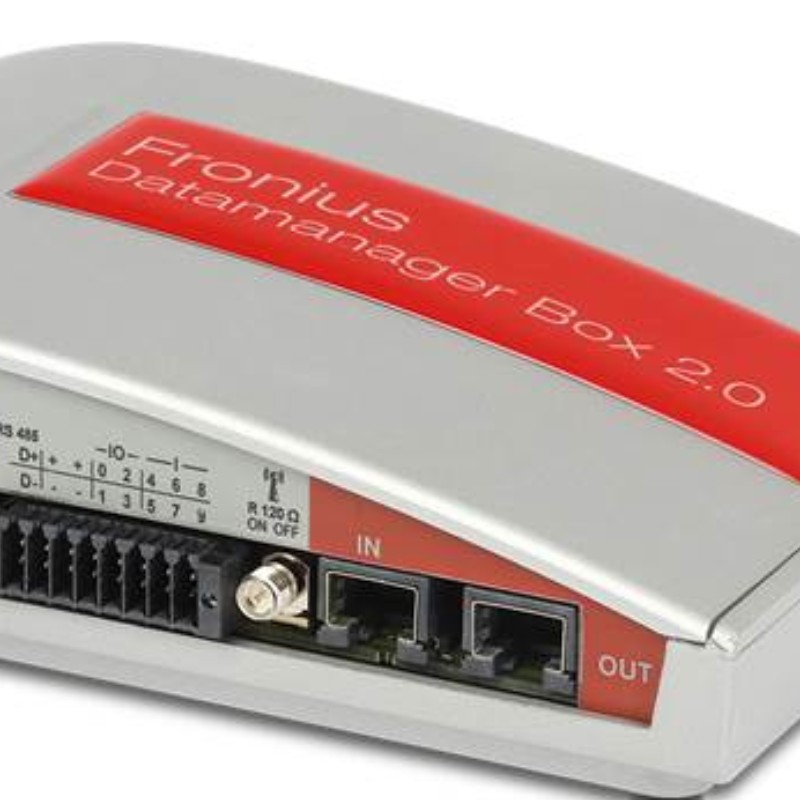
- A data set (or dataset) is a collection of data. In the case of tabular data, a data set corresponds to one or more database tables, where every column of a table represents a particular variable, and each row corresponds to a given record of the data set in question. The data set lists values for each of the variables, such as height and weight of an object, for each member of the data set. Data sets can also consist of a collection of documents or files.[1]
In the open data discipline, data set is the unit to measure the information released in a public open data repository. The European Open Data portal aggregates more than half a million data sets.[2] Some other issues (real-time data sources,[3] non-relational data sets, etc.) increases the difficulty to reach a consensus about it.[3]
References
1. Snijders, C.; Matzat, U.; Reips, U.-D. (2012). "'Big Data': Big gaps of knowledge in the field of Internet". International Journal of Internet Science. 7: 1–5.
2. "European open data portal". European open data portal. European Commission. Retrieved 2016-09-23.
3. Atz, U (2014). "The tau of data: A new metric to assess the timeliness of data in catalogues" (PDF). CEDEM 2014 Proceedings. Retrieved 2016-08-01.
- Example: The primary purpose of these metadata is to improve internal communication within the project in preparation of publishing the full datasets, but the information is also made publicly available allowing external scientists to follow the activities of the project.
- en: Набор данных - это набор данных. В случае табличных данных набор данных соответствует одной или нескольким таблицам базы данных, где каждый столбец таблицы представляет конкретную переменную, а каждая строка соответствует данной записи рассматриваемого набора данных.
Snijders, C.; Matzat, U.; Reips, U.-D. (2012). ""Большие данные": Большие пробелы в знаниях в области Интернета". Международный журнал интернет-науки. 7: 1-5.
"Европейский портал открытых данных". Европейский портал открытых данных. Европейская комиссия. Retrieved 2016-09-23.
Атц, У (2014). "Тау данных: Новая метрика для оценки своевременности данных в каталогах" (PDF). CEDEM 2014 Proceedings. Retrieved 2016-08-01.
- machine-processable
- term
- Machine-readable data, or computer-readable data, is data in a format that can be processed by a computer. Machine-readable data must be structured data.[1]
In the United States, the OPEN Government Data Act of 14 January 2019 defines machine-readable data as "data in a format that can be easily processed by a computer without human intervention while ensuring no semantic meaning is lost." The law directs U.S. federal agencies to publish public data in such manner,[2] ensuring that "any public data asset of the agency is machine-readable".[3]
Machine-readable data may be classified in two groups: human-readable data that is marked up so that it can also be read by machines (e.g. microformats, RDFa, HTML), and data file formats intended principally for processing by machines (CSV, RDF, XML, JSON). These formats are only machine readable if the data contained within them is formally structured; exporting a CSV file from a badly structured spreadsheet does not meet the definition.
References
"Machine readable". opendatahandbook.org. Retrieved 2019-07-22.
"HR4174". stratml.us.
- Example: maDMPs should support both human and machine-processable representations so they act as an interchange format for dissemination and public access of the maDMP (Simms et al., 2017).
- en: Машиночитаемые данные, или данные, читаемые компьютером, - это данные в формате, который может быть обработан компьютером. Машиночитаемые данные должны быть структурированными данными[1].
В США Закон об открытых правительственных данных от 14 января 2019 года определяет машиночитаемые данные как "данные в формате, который может быть легко обработан компьютером без вмешательства человека, при этом семантический смысл не теряется". Закон предписывает федеральным агентствам США публиковать государственные данные таким образом,[2] гарантируя, что "любой актив государственных данных агентства является машиночитаемым"[3].
Машиночитаемые данные можно разделить на две группы: человекочитаемые данные, которые размечены так, чтобы их могли читать машины (например, микроформаты, RDFa, HTML), и форматы файлов данных, предназначенные в основном для обработки машинами (CSV, RDF, XML, JSON). Эти форматы являются машиночитаемыми, только если содержащиеся в них данные формально структурированы; экспорт CSV-файла из плохо структурированной электронной таблицы не соответствует этому определению.
Ссылки
"Машиночитаемый". opendatahandbook.org. Retrieved 2019-07-22.
"HR4174". stratml.us.

- Metadata
- noun
- Metadata means "data about data". Although the "meta" prefix means "after" or "beyond", it is used to mean "about" in epistemology. Metadata is defined as the data providing information about one or more aspects of the data; it is used to summarize basic information about data which can make tracking and working with specific data easier.[12] Some examples include:
Means of creation of the data
Purpose of the data
Time and date of creation
Creator or author of the data
Location on a computer network where the data was created
Standards used
File size
Data quality
Source of the data
Process used to create the data
For example, a digital image may include metadata that describes the size of the image, its color depth, resolution, when it was created, the shutter speed, and other data.[13] A text document's metadata may contain information about how long the document is, who the author is, when the document was written, and a short summary of the document. Metadata within web pages can also contain descriptions of page content, as well as key words linked to the content.[14] These links are often called "Metatags", which were used as the primary factor in determining order for a web search until the late 1990s.[14] The reliance of metatags in web searches was decreased in the late 1990s because of "keyword stuffing".[14] Metatags were being largely misused to trick search engines into thinking some websites had more relevance in the search than they really did.[14]
Metadata can be stored and managed in a database, often called a metadata registry or metadata repository.[15] However, without context and a point of reference, it might be impossible to identify metadata just by looking at it.[16] For example: by itself, a database containing several numbers, all 13 digits long could be the results of calculations or a list of numbers to plug into an equation - without any other context, the numbers themselves can be perceived as the data. But if given the context that this database is a log of a book collection, those 13-digit numbers may now be identified as ISBNs - information that refers to the book, but is not itself the information within the book. The term "metadata" was coined in 1968 by Philip Bagley, in his book "Extension of Programming Language Concepts" where it is clear that he uses the term in the ISO 11179 "traditional" sense, which is "structural metadata" i.e. "data about the containers of data"; rather than the alternative sense "content about individual instances of data content" or metacontent, the type of data usually found in library catalogues.[17][18] Since then the fields of information management, information science, information technology, librarianship, and GIS have widely adopted the term. In these fields the word metadata is defined as "data about data".[19] While this is the generally accepted definition, various disciplines have adopted their own more specific explanation and uses of the term.
Slate reported in 2013 that the United States government's interpretation of "metadata" could be broad, and might include message content such as the subject lines of emails.[20]
References
"A Guardian Guide to your Metadata". theguardian.com. Guardian News and Media Limited. 12 June 2013. Archived from the original on 6 March 2016.
"ADEO Imaging: TIFF Metadata". Archived from the original on 17 May 2013. Retrieved 20 May 2013.
Rouse, Margaret (July 2014). "Metadata". WhatIs. TechTarget. Archived from the original on 29 October 2015.
Hüner, K.; Otto, B.; Österle, H.: Collaborative management of business metadata, in: International Journal of Information Management, 2011
"Metadata Standards And Metadata Registries: An Overview" (PDF). Archived (PDF) from the original on 29 June 2011. Retrieved 23 December 2011.
Bagley, Philip (November 1968). "Extension of programming language concepts" (PDF). Philadelphia: University City Science Center. Archived (PDF) from the original on 30 November 2012.
"The notion of "metadata" introduced by Bagley". Solntseff, N+1; Yezerski, A (1974). "A survey of extensible programming languages". Annual Review in Automatic Programming. 7. Elsevier Science Ltd. pp. 267–307. doi:10.1016/0066-4138(74)90001-9.
NISO (2004). Understanding Metadata (PDF). NISO Press. p. 1. ISBN 978-1-880124-62-8. Archived from the original (PDF) on 7 November 2014. Retrieved 5 January 2010.
Wolff, Josephine (20 November 2013). "Newly Released Documents Show How Government Inflated the Definition of Metadata". Slate Magazine.
- Example: Metadata, data about data, is well known to be of significant importance (Damerow et al. 2021)
and can be mined for information (Palacios-Abrantes et al. 2019). It is needed in the process of
publishing the recorded data to for instance (GBIF 2020), OBIS (UNESCO 2020) and SeaDataNet
(Pecci et al. 2020, Schaap and Lowry 2010). Commonly individual scientists have recorded
the metadata in their field journal and then recorded them on a computer together with the
data when back from the field. This works for one scientist, but with increasing international
collaboration (Wagner et al. 2017) and the corresponding exchange of information between
scientific communities, there is a growing need to further develop existing standards of
metadata. This collaboration is known to lead to a greater need for FAIR datasets (McNutt et
al. 2016, Stall et al. 2019).
- en: Метаданные означают "данные о данных". Хотя приставка "мета" означает "после" или "за", в эпистемологии она используется для обозначения "о". Метаданные определяются как данные, предоставляющие информацию об одном или нескольких аспектах данных; они используются для обобщения основной информации о данных, что может облегчить отслеживание и работу с конкретными данными.[12] Некоторые примеры включают: Способ создания данных Цель данных Время и дата создания Создатель или автор данных Место в компьютерной сети, где были созданы данные Используемые стандарты Размер файла Качество данных Источник данных Процесс, использованный для создания данных Например, цифровое изображение может включать метаданные, описывающие размер изображения, глубину цвета, разрешение, время создания, выдержку и другие данные.[13] Метаданные текстового документа могут содержать информацию о длине документа, его авторе, времени написания документа и краткое содержание документа. Метаданные на веб-страницах также могут содержать описание содержания страницы, а также ключевые слова, связанные с содержанием.[14] Эти ссылки часто называют "метатегами", которые использовались в качестве основного фактора при определении порядка веб-поиска до конца 1990-х годов.[14] В конце 1990-х годов зависимость от метатегов в веб-поиске снизилась из-за "набивки ключевых слов".[14] Метатеги в значительной степени использовались неправильно, чтобы обмануть поисковые системы и заставить их думать, что некоторые сайты имеют большее значение в поиске, чем они есть на самом деле. [Метаданные можно хранить и управлять ими в базе данных, часто называемой реестром метаданных или репозиторием метаданных.[15] Однако без контекста и точки отсчета определить метаданные, просто взглянув на них, может быть невозможно.[16] Например: сама по себе база данных, содержащая несколько чисел, все 13 цифр, может быть результатом вычислений или списком чисел для подстановки в уравнение - без какого-либо другого контекста сами числа могут восприниматься как данные. Но если учесть, что эта база данных является журналом учета книжной коллекции, то эти 13-значные числа можно определить как ISBN - информацию, которая относится к книге, но сама по себе не является информацией, содержащейся в книге. Термин "метаданные" был введен в 1968 году Филипом Бэгли в его книге "Расширение концепций языка программирования", где ясно, что он использует этот термин в "традиционном" смысле ISO 11179, который представляет собой "структурные метаданные", т.е. "данные о контейнерах данных"; а не в альтернативном смысле "содержание об отдельных экземплярах содержания данных" или метаконтент, тип данных, обычно встречающийся в библиотечных каталогах.[17][18] С тех пор области управления информацией, информатики, информационных технологий, библиотечного дела и ГИС широко приняли этот термин. В этих областях слово метаданные определяется как "данные о данных".[19] Хотя это общепринятое определение, различные дисциплины приняли свои собственные более конкретные объяснения и способы использования термина. В 2013 году журнал Slate сообщил, что толкование "метаданных" правительством США может быть широким и включать содержание сообщений, например, темы электронных писем[20].
Ссылки
"Руководство Guardian по вашим метаданным". theguardian.com. Guardian News and Media Limited. 12 июня 2013. Архивировано из оригинала 6 марта 2016 г.
"ADEO Imaging: Метаданные TIFF". Архивировано из оригинала 17 мая 2013 года. Retrieved 20 May 2013.
Раус, Маргарет (июль 2014). "Метаданные". WhatIs. TechTarget. Архивировано из первоисточника 29 октября 2015 г.
Hüner, K.; Otto, B.; Österle, H.: Collaborative management of business metadata, in: Международный журнал информационного менеджмента, 2011 г.
"Стандарты метаданных и реестры метаданных: An Overview" (PDF). Архивировано (PDF) из первоисточника 29 июня 2011. Retrieved 23 December 2011.
Бэгли, Филип (ноябрь 1968). "Расширение концепций языка программирования" (PDF). Филадельфия: Научный центр Университетского города. Архивировано (PDF) из первоисточника 30 ноября 2012.
"Понятие "метаданные", введенное Бэгли". Solntseff, N+1; Yezerski, A (1974). "Обзор расширяемых языков программирования". Annual Review in Automatic Programming. 7. Elsevier Science Ltd. pp. 267-307. doi:10.1016/0066-4138(74)90001-9.
NISO (2004). Понимание метаданных (PDF). NISO Press. p. 1. ISBN 978-1-880124-62-8. Архивировано из оригинала (PDF) 7 ноября 2014 года. Retrieved 5 January 2010.
Вулфф, Жозефина (20 ноября 2013 г.). "Недавно опубликованные документы показывают, как правительство раздуло определение метаданных". Журнал Slate.

- Metadata records
- TERM
- Metadata sometimes referred to as data about data is descriptive text that can best represent data and information resources. Metadata content such as distributor, abstract, keywords, spatial and temporal coverage, format and quality can be used to describe a wide range of resources, from digital and non-digital data to printed materials and web sites. Metadata writers collect and organize this content utilizing software tools to produce a metadata record in a text-based format. The quality of the content is critical for the metadata record's retrievability via today's search engines and comprehension by its readers.
CIESIN staff generates metadata records based on the Content Standard for Digital Geospatial Metadata (CSDGM). In addition, records are produced in the Government Information Locator Service (GILS), Directory Interchange Format (DIF), and the EOS Data Gateway (EDG) 'Valids' standard formats. Values for most of the fields (elements, sub-elements) are free-text, while others are controlled. The metadata records are loaded into several internal (SEDAC) and external (GILS, GCMD) catalogs, searchable via the SEDAC Gateway.
References
http://www.ciesin.columbia.edu/metadata/what_record.html
- Example: Moreover, appropriate versions of UUID (for example version-1) contains the time at which the identifier was generated, thus allowing for additional checking of the metadata records (an UUID produced a year later then the sample was recorded could raise a warning flag).
- en: Метаданные, иногда называемые данными о данных, представляют собой описательный текст, который может наилучшим образом представить данные и информационные ресурсы. Содержание метаданных, такое как дистрибьютор, аннотация, ключевые слова, пространственный и временной охват, формат и качество, может использоваться для описания широкого спектра ресурсов, от цифровых и нецифровых данных до печатных материалов и веб-сайтов. Составители метаданных собирают и организуют это содержание с помощью программных средств для создания записи метаданных в текстовом формате. Качество содержания имеет решающее значение для возможности поиска метаданных с помощью современных поисковых систем и понимания их читателями.
Сотрудники CIESIN создают записи метаданных на основе Стандарта содержания цифровых геопространственных метаданных (CSDGM). Кроме того, записи создаются в стандартных форматах Government Information Locator Service (GILS), Directory Interchange Format (DIF) и EOS Data Gateway (EDG) 'Valids'. Значения для большинства полей (элементов, подэлементов) являются свободным текстом, в то время как другие поля контролируются. Записи метаданных загружены в несколько внутренних (SEDAC) и внешних (GILS, GCMD) каталогов, доступных для поиска через шлюз SEDAC.
Ссылки
http://www.ciesin.columbia.edu/metadata/what_record.html

- Open Data Directive
- noun
- Directive 2003/98/EC on the re-use of public sector information, known as the PSI Directive,[2][3] now called Open Data Directive,[4] is an EU directive that stipulates minimum requirements for EU member states regarding making public sector information available for re-use. This directive provides a common legislative framework for this area.
Every day public bodies create and collect a massive amount of valuable data from many different domains, the need to open up public sector data is not something new, and the European Union started to stimulate the reuse of public government data since the end of the 1980s.[6]
The directive on open data and the re-use of public sector information further stresses the importance of the principle of re-using and publishing open government data from public sector bodies for both commercial and non-commercial purposes. Even if the directive focused on the re-use principle, in Article 5 it clearly obliged member states to ‘encourage public sector bodies and public undertakings to produce and make available documents [...] in accordance with the principle of “open by design and by default’’. This aspect represented an important step forward because it prioritized and shifted the concept of re-use to the beginning stage in the process of data production. Furthermore, the PSI is clear in terms of who can gain value from the re-use of open government data, making no distinctions about the beneficiaries, and without any restrictions to a specific market or sector.
In addition, the directive specifies that it is not necessary to have and declare a pre-identified purpose for the re-use.
Furthermore, the PSI is clear in terms of who can gain value from the re-use of open government data, making no distinctions about the beneficiaries, and without any restrictions to a specific market or sector. In addition, the directive specifies that it is not necessary to have and declare a pre-identified purpose for the re-use.
References
Directive 2003/98/EC of the European Parliament and of the Council of 17 November 2003 on the re-use of public sector information (OJ L 345, 31.12.2003 p. 90)
Existing rules on re-use of public sector information. Retrieved 2010-01-21
Communication from the Commission to the European Parliament, the Council, the European Economic and Social Committee and the Committee of the Regions – Re-use of Public Sector Information : review of Directive 2003/98/EC. Retrieved 2010-01-21
"Directive (EU) 2019/1024 of the European Parliament and of the Council of 20 June 2019 on open data and the re-use of public sector information". Official Journal of the European Union. 26 June 2019. Retrieved 2 May 2020.
European Commission (18 July 2019). "European legislation on open data and the re-use of public sector information". Digital Single Market — European Commission. Retrieved 23 September 2019. Landing page.
Janssen, Katleen (1 October 2011). "The influence of the PSI directive on open government data: An overview of recent developments". Government Information Quarterly. 28 (4): 446–456. doi:10.1016/j.giq.2011.01.004. ISSN 0740-624X.
European Data Portal. "Open Data Maturity Report 2019". European Data Portal.
Dulong de Rosnay, Melanie; Janssen, Katleen (2014). "Legal and Institutional Challenges for Opening Data across Public Sectors: Towards Common Policy Solutions". Journal of Theoretical and Applied Electronic Commerce Research. 9 (3): 1–14. doi:10.4067/S0718-18762014000300002. ISSN 0718-1876.
European Commission. "COMMISSION DECISION of 22.2.2019 adopting Creative Commons as an open licence under the European Commission's reuse policy" (PDF).
- Example: The EU directive on Public Sector Information was replaced by the Open Data Directive in
2019 (European Commission 2019). This is in line with recent developments at the national
level (e.g. in Norway) where there is an increasing focus on how to ensure that data collected
by scientists is made available to other research groups and the public (for instance GO FAIR
2020). The directive does not specifically identify how to share data, but there has been an
increasing focus in recent years on standardised documentation of, and interfaces to data.
- en: Директива 2003/98/EC о повторном использовании информации государственного сектора, известная как Директива PSI,[2][3] теперь называемая Директивой об открытых данных,[4] является директивой ЕС, которая устанавливает минимальные требования для стран-членов ЕС в отношении предоставления информации государственного сектора для повторного использования. Эта директива обеспечивает общую законодательную базу в этой области. Каждый день государственные органы создают и собирают огромное количество ценных данных из самых разных областей, поэтому необходимость открытости данных государственного сектора не является чем-то новым, и Европейский Союз начал стимулировать повторное использование данных государственного сектора с конца 1980-х годов.[6] Директива об открытых данных и повторном использовании информации государственного сектора еще больше подчеркивает важность принципа повторного использования и публикации открытых правительственных данных государственных органов как в коммерческих, так и некоммерческих целях. Даже если директива сфокусирована на принципе повторного использования, в статье 5 она четко обязывает государства-члены "поощрять органы государственного сектора и государственные предприятия производить и делать доступными документы [...] в соответствии с принципом "открытости по замыслу и по умолчанию"". Этот аспект представляет собой важный шаг вперед, поскольку он ставит во главу угла и переносит концепцию повторного использования на начальный этап процесса производства данных. Кроме того, PSI четко определяет, кто может получить выгоду от повторного использования открытых правительственных данных, не делая различий в отношении бенефициаров и не ограничивая их конкретным рынком или сектором. Кроме того, в директиве указано, что нет необходимости иметь и декларировать заранее определенную цель повторного использования. Кроме того, ИОО четко определяет, кто может получить выгоду от повторного использования открытых правительственных данных, не делая различий в отношении бенефициаров и без каких-либо ограничений для конкретного рынка или сектора. Кроме того, в директиве указано, что нет необходимости иметь и декларировать заранее определенную цель повторного использования.
Ссылки
Директива 2003/98/EC Европейского парламента и Совета от 17 ноября 2003 года о повторном использовании информации государственного сектора (OJ L 345, 31.12.2003 p. 90)
Существующие правила повторного использования информации государственного сектора. Получено 2010-01-21
Сообщение Комиссии Европейскому парламенту, Совету, Европейскому экономическому и социальному комитету и Комитету регионов - Повторное использование информации государственного сектора: обзор Директивы 2003/98/EC. Retrieved 2010-01-21
"Директива (ЕС) 2019/1024 Европейского парламента и Совета от 20 июня 2019 года об открытых данных и повторном использовании информации государственного сектора". Official Journal of the European Union. 26 июня 2019 года. Retrieved 2 May 2020.
Европейская комиссия (18 июля 2019). "Европейское законодательство об открытых данных и повторном использовании информации государственного сектора". Цифровой единый рынок - Европейская комиссия. Retrieved 23 September 2019. Посадочная страница.
Янссен, Катлин (1 октября 2011). "Влияние директивы PSI на открытые правительственные данные: Обзор последних событий". Government Information Quarterly. 28 (4): 446-456. doi:10.1016/j.giq.2011.01.004. ISSN 0740-624X.
Европейский портал данных. "Отчет о зрелости открытых данных 2019". Европейский портал данных.
Dulong de Rosnay, Melanie; Janssen, Katleen (2014). "Правовые и институциональные проблемы для открытия данных в государственных секторах: На пути к общим политическим решениям". Журнал теоретических и прикладных исследований электронной торговли. 9 (3): 1-14. doi:10.4067/S0718-18762014000300002. ISSN 0718-1876.
Европейская комиссия. "COMMISSION DECISION of 22.2.2019 adopting Creative Commons as a open licence under the European Commission's reuse policy" (PDF).

- Open Semantic Framework
- noun
- The Open Semantic Framework (OSF) is an integrated software stack using semantic technologies for knowledge management.[1] It has a layered architecture that combines existing open source software with additional open source components developed specifically to provide a complete Web application framework. OSF is made available under the Apache 2 license.
OSF is a platform-independent Web services framework for accessing and exposing structured data, semi-structured data, and unstructured data using ontologies to reconcile semantic heterogeneities within the contributing data and schema. Internal to OSF, all data is converted to RDF to provide a common data model. The OWL 2 ontology language is used to describe the data schema overlaying all of the constituent data sources.
The architecture of OSF is built around a central layer of RESTful web services, designed to enable most constituent modules within the software stack to be substituted without major adverse impacts on the entire stack. A central organizing perspective of OSF is that of the dataset. These datasets contain the records in any given OSF instance. One or more domain ontologies is used by a given OSF instance to define the structural relationships amongst the data and their attributes and concepts.
Some of the use applications for OSF include local government,[2] health information systems,[3] community indicator systems,[4] eLearning,[5] citizen engagement,[6] or any domain that may be modeled by ontologies.
Michael K. Bergman (13 March 2014). OSF: An ontology-driven semantic platform for enterprises (PDF). 2014 Ontology Summit, Track B "Tools, Services, Techniques".
Comments, Posted: 05/13/2013 1:12 PM | (23 May 2013). "New website profiles neighbourhoods of Winnipeg". Winnipeg Free Press. Retrieved 30 September 2014.
"HealthDirect Australia". Retrieved 30 September 2014.
United Way of Winnipeg (2012). "PEG". Retrieved 30 September 2014.
Richard Huber; Kirsten Hantelmann; Alexandru Todor; Sebastian Krebs; Ralf Heese; Adrian Paschke (2010). "Use of semantic technologies for the development of a dynamic trajectories generator in a semantic chemistry eLearning platform". arXiv:1012.1646 [cs.AI].
Steven Ardire (27–28 October 2010). Using an open source semantic framework to create meaningful, interoperable information for better citizen engagement. The Government Open Source Conference, GOSCON 2010. Portland, Oregon: Oregon State University.
- Example: While the CF conventions focus on geoscientific (meteorology, oceanography, glaciology etc) information, a similar approach serving a different community (biodiversity) is provided by the Darwin Core Archive (DwC-A) (Wieczorek et al. 2012). This approach also focus on a semantic framework for description of the content, but relies on a spreadsheets as carrier (container) for the data.
- en: Open Semantic Framework (OSF) - это интегрированный программный стек, использующий семантические технологии для управления знаниями.[1] Он имеет многоуровневую архитектуру, которая объединяет существующее программное обеспечение с открытым исходным кодом и дополнительные компоненты с открытым исходным кодом, разработанные специально для создания полной структуры веб-приложений. OSF доступен под лицензией Apache 2.
OSF - это независимая от платформы структура веб-сервисов для доступа и предоставления структурированных данных, полуструктурированных данных и неструктурированных данных с использованием онтологий для согласования семантических неоднородностей в предоставляемых данных и схемах. Внутри OSF все данные преобразуются в RDF для обеспечения общей модели данных. Язык онтологии OWL 2 используется для описания схемы данных, охватывающей все составляющие источники данных.
Архитектура OSF построена вокруг центрального слоя RESTful веб-сервисов, разработанных для обеспечения возможности замены большинства составных модулей программного стека без серьезных негативных последствий для всего стека. Центральной организующей перспективой OSF является набор данных. Эти наборы данных содержат записи в любом данном экземпляре OSF. Одна или несколько онтологий домена используется данным экземпляром OSF для определения структурных отношений между данными, их атрибутами и понятиями.
Некоторые из приложений для OSF включают местные органы власти,[2] информационные системы здравоохранения,[3] системы индикаторов сообщества,[4] электронное обучение,[5] вовлечение граждан,[6] или любую область, которая может быть смоделирована с помощью онтологий.
Майкл К. Бергман (13 марта 2014 г.). OSF: управляемая онтологиями семантическая платформа для предприятий (PDF). Саммит онтологий 2014, трек B "Инструменты, сервисы, методики".
Комментарии, Опубликовано: 05/13/2013 1:12 PM | (23 мая 2013). "Новый веб-сайт описывает районы Виннипега". Winnipeg Free Press. Retrieved 30 September 2014.
"HealthDirect Australia". Retrieved 30 September 2014.
United Way of Winnipeg (2012). "ПЭГ". Retrieved 30 September 2014.
Richard Huber; Kirsten Hantelmann; Alexandru Todor; Sebastian Krebs; Ralf Heese; Adrian Paschke (2010). "Использование семантических технологий для разработки генератора динамических траекторий в семантической платформе электронного обучения химии". arXiv:1012.1646 [cs.AI].
Стивен Ардир (27-28 октября 2010 г.). Использование семантической структуры с открытым исходным кодом для создания значимой, взаимодействующей информации для лучшего вовлечения граждан. Правительственная конференция по открытым исходным кодам, GOSCON 2010. Портленд, Орегон: Университет штата Орегон.

- operating system
- term
- An operating system is a software programme required to manage and operate a computing device like smartphones, tablets, computers, supercomputers, web servers, cars, network towers, smartwatches, etc. ... It is a layer of graphical user interface (GUI), which acts as a platform between the user and the computer hardware.
References
https://www.business-standard.com/about/what-is-operating-system#:~:text=An%20operating%20system%20is%20a,network%20towers%2C%20smartwatches%2C%20etc.&text=It%20is%20a%20layer%20of,user%20and%20the%20computer%20hardware.
- Example: Another advantage is that the printing is made independent of computer drivers and operating system.
- en: Операционная система - это программное обеспечение, необходимое для управления и работы вычислительных устройств, таких как смартфоны, планшеты, компьютеры, суперкомпьютеры, веб-серверы, автомобили, сетевые башни, смарт-часы и т.д. ... Это слой графического интерфейса пользователя (GUI), который выступает в качестве платформы между пользователем и компьютерным оборудованием.
Ссылки
https://www.business-standard.com/about/what-is-operating-system#:~:text=An%20operating%20system%20is%20a,network%20towers%2C%20smartwatches%2C%20etc.&text=It%20is%20a%20layer%20of,user%20and%20the%20computer%20hardware.

- Protocol
- noun
- A protocol is a set of rules and guidelines for communicating data. Rules are defined for each step and process during communication between two or more computers. Networks have to follow these rules to successfully transmit data.
Techopedia Explains Protocol
Similar to programming languages, protocols are based on specific rules and regulations for computing and are designed for efficiency. Each rule is defined in different terms and is assigned a unique name. Protocols specify the standards for communication and provide detailed information on processes involved in data transmission. Such processes include:
Type of task
Process nature
Data flow rate
Data type
Device management
A single process can be handled by more than one protocol simultaneously. This coordination of protocols creates a protocol family.
References
https://www.techopedia.com/definition/4528/protocol
- Example: This was covered by requiring the research groups within the project to agree on measurement
protocols, which were collected into a common document and published (The Nansen Legacy
Version 1 2020). There will always be updates, new procedures and improvements to these
protocols, which, when deemed necessary, were incorporated by releasing new versions of the
document (The Nansen Legacy 2020, Version 1, Version 2, Version 3, Version 4.2, Version 5,
Version 6). Changes to protocols need to be managed to ensure that the changes do not affect
the comparability of the resulting data unnecessarily. Application of the protocols and templates
ensure that sampling at different times and by different scientist are conducted in a repeatable
way, producing data which can be easily reused both inside and outside of the project
- en: Протокол - это набор правил и рекомендаций по передаче данных. Правила определяются для каждого шага и процесса при обмене данными между двумя или более компьютерами. Сети должны следовать этим правилам для успешной передачи данных.
Techopedia объясняет протокол
Подобно языкам программирования, протоколы основаны на определенных правилах и нормах для вычислений и разработаны для повышения эффективности. Каждое правило определяется в различных терминах и имеет уникальное имя. Протоколы определяют стандарты связи и предоставляют подробную информацию о процессах, участвующих в передаче данных. К таким процессам относятся:
Тип задачи
Характер процесса
Скорость потока данных
Тип данных
Управление устройством
Один процесс может обрабатываться более чем одним протоколом одновременно. Такая координация протоколов создает семейство протоколов.
Ссылки
https://www.techopedia.com/definition/4528/protocol

- Spreadsheet
- TERM
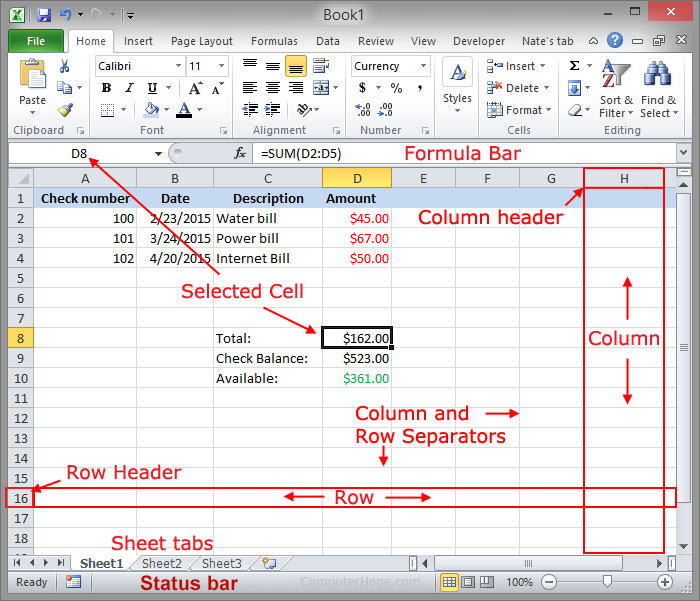
- A spreadsheet is a computer application for organization, analysis, and storage of data in tabular form.[1][2][3] Spreadsheets were developed as computerized analogs of paper accounting worksheets.[4] The program operates on data entered in cells of a table. Each cell may contain either numeric or text data, or the results of formulas that automatically calculate and display a value based on the contents of other cells. A spreadsheet may also refer to one such electronic document.[5][6][7]
References
"spreadsheet". Merriam-Webster Online Dictionary. Retrieved 23 June 2016.
American Heritage Dictionary of the English Language (5th ed.). Houghton Mifflin Harcourt Publishing Company. 2011. A software interface consisting of an interactive grid made up of cells in which data or formulas are entered for analysis or presentation.
Collins English Dictionary – Complete and Unabridged (12th ed.). HarperCollins Publishers. 2014. (Computer Science) a computer program that allows easy entry and manipulation of figures, equations, and text, used esp for financial planning and budgeting
"spreadsheet". WhatIs.com. TechTarget. Retrieved 23 June 2016.
"spreadsheet". Dictionary.com Unabridged. Random House, Inc. Retrieved 23 June 2016.
Beal, Vangie (September 1996). "spreadsheet". webopedia. QuinStreet. Retrieved 23 June 2016.
"Spreadsheet". Computer Hope. Retrieved 23 June 2016.
- Example: Dedicated barcode readers are convenient, as they can be used to directly input data in a spreadsheet field or search bar, while a smartphone is slower, but more readily available.
- en: Электронная таблица - это компьютерное приложение для организации, анализа и хранения данных в табличной форме.[1][2][3] Электронные таблицы были разработаны как компьютеризированные аналоги бумажных бухгалтерских листов.[4] Программа оперирует данными, введенными в ячейки таблицы. Каждая ячейка может содержать числовые или текстовые данные, или результаты формул, которые автоматически вычисляют и отображают значение на основе содержимого других ячеек. Электронная таблица также может относиться к одному из таких электронных документов.[5][6][7].
Ссылки
"электронная таблица". Онлайн словарь Merriam-Webster. Retrieved 23 June 2016.
American Heritage Dictionary of the English Language (5-е изд.). Houghton Mifflin Harcourt Publishing Company. 2011. Программный интерфейс, состоящий из интерактивной сетки, состоящей из ячеек, в которые вводятся данные или формулы для анализа или представления.
Collins English Dictionary - Complete and Unabridged (12-е изд.). HarperCollins Publishers. 2014. (Информатика) компьютерная программа, позволяющая легко вводить и манипулировать цифрами, уравнениями и текстом, используемая, в частности, для финансового планирования и составления бюджета.
"электронная таблица". WhatIs.com. TechTarget. Retrieved 23 June 2016.
"spreadsheet". Dictionary.com Unabridged. Random House, Inc. Retrieved 23 June 2016.
Бил, Ванги (сентябрь 1996). "Электронная таблица". webopedia. QuinStreet. Retrieved 23 June 2016.
"Электронная таблица". Компьютерная надежда. Retrieved 23 June 2016.
- Template generator
- term
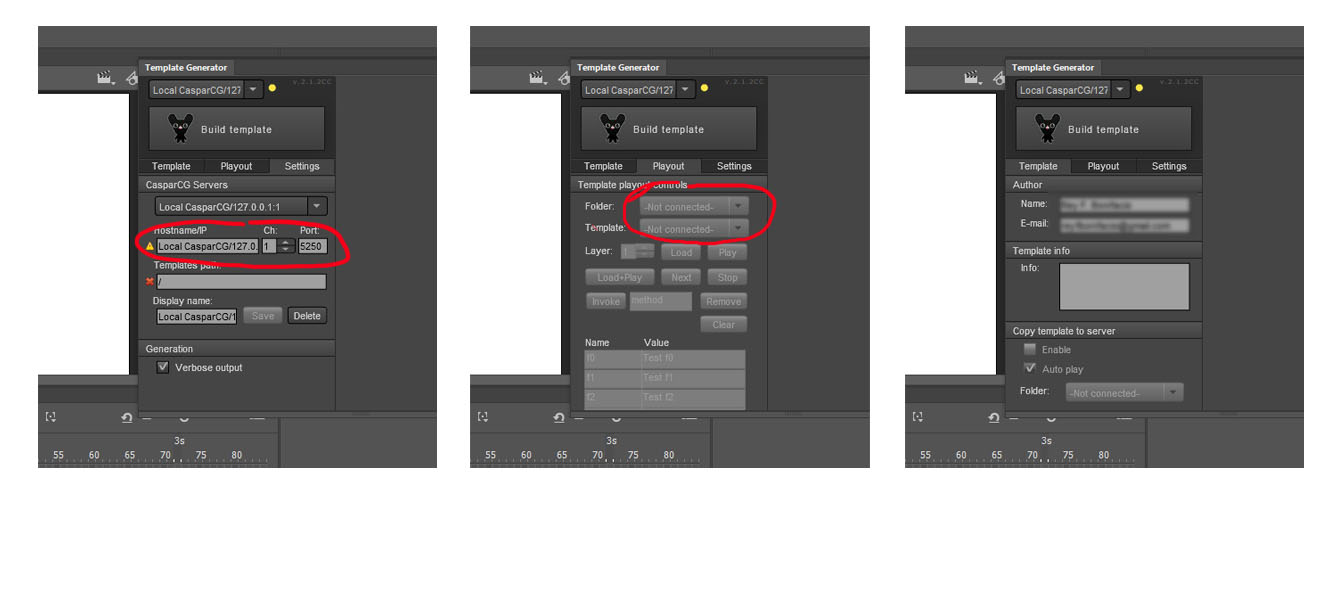
- Template Generator or Template generating software is a tool used for developing website, email, and document templates without manually formatting or writing computer programming language code. Such tools provide a GUI (graphical user interface) for design purposes, and produce the source code or formatted structure for websites, emails, or documents.[1]
References
Sandip, Bharti (2007). Dynamic Web Page Template Generator for Creating Foreign Language Lessons and Making Resources Accessible. San Diego State University. Retrieved 8 December 2014.
- Example: With over a hundred scientists, and a goal of making this useful for other types of field recordings, it was decided to write a template
generator usable by the scientists to generate their own template.
- en: Генератор шаблонов или программное обеспечение для генерации шаблонов - это инструмент, используемый для разработки шаблонов веб-сайтов, электронной почты и документов без ручного форматирования или написания кода на компьютерном языке программирования. Такие инструменты предоставляют GUI (графический интерфейс пользователя) для проектирования и создают исходный код или форматированную структуру для веб-сайтов, электронных писем или документов[1].
Ссылки
Сандип, Бхарти (2007). Генератор шаблонов динамических веб-страниц для создания уроков иностранного языка и обеспечения доступности ресурсов. Государственный университет Сан-Диего. Получено 8 декабря 2014 г.
- virtual machine
- term
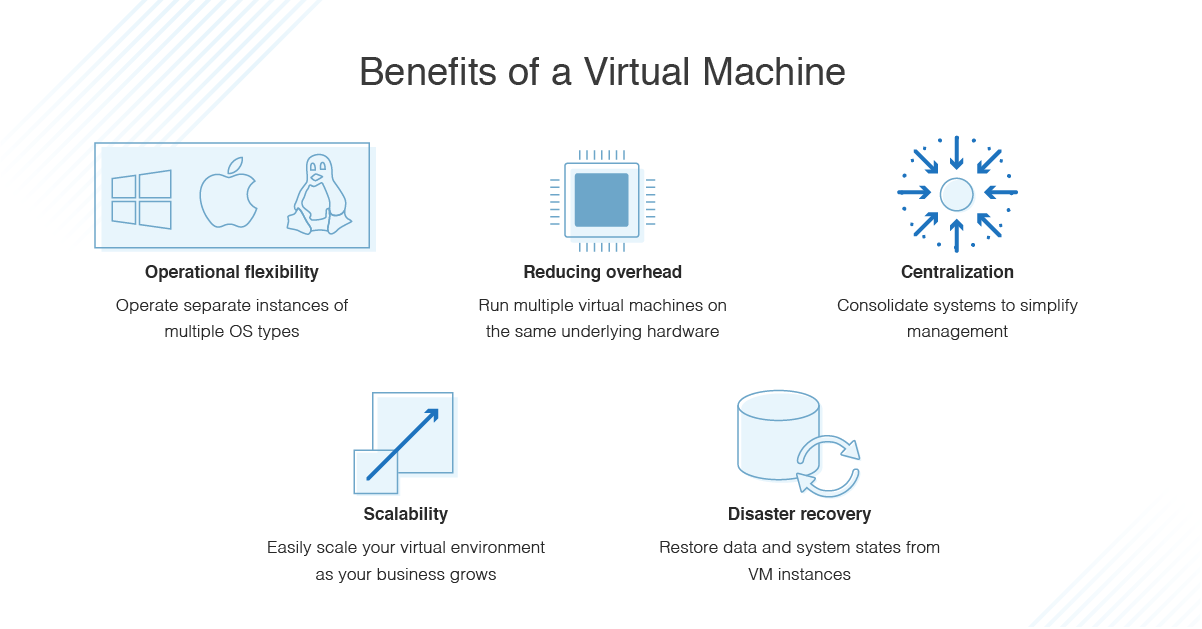
- Virtual machine (VM) is a software and/or hardware system that emulates the hardware of some platform (guest platform) and executes programs for the guest platform on the host platform (host platform) or virtualizes some platform and creates on it environments that isolate programs and even operating systems from each other (see: sandbox). sandbox); also a specification of some computing environment (for example: "C programming language virtual machine").
A virtual machine executes some machine-independent code (e.g., bytecode, bus code, p-code) or machine code of a real processor. In addition to the processor, a VM can emulate the operation of both individual hardware components and an entire real computer (including BIOS, RAM, hard disk drive, and other peripherals). In the latter case, operating systems can be installed on the VM, just like on the real computer (for example, Windows can be run in a virtual machine under Linux or vice versa). Several virtual machines can operate on one computer (this can be used to simulate several servers on one real server in order to optimize the use of server resources).
References
https://ru.wikipedia.org/wiki/%D0%92%D0%B8%D1%80%D1%82%D1%83%D0%B0%D0%BB%D1%8C%D0%BD%D0%B0%D1%8F_%D0%BC%D0%B0%D1%88%D0%B8%D0%BD%D0%B0#%D0%A1%D1%81%D1%8B%D0%BB%D0%BA%D0%B8
- Example: This webpage is not accessible on a cruise, but access to a similar setup was delivered by a virtual machine deployed on the ship.
- en: Виртуальная машина (VM, от англ. virtual machine) — программная и/или аппаратная система, эмулирующая аппаратное обеспечение некоторой платформы (guest — гостевая платформа) и исполняющая программы для guest-платформы на host-платформе (host — хост-платформа, платформа-хозяин) или виртуализирующая некоторую платформу и создающая на ней среды, изолирующие друг от друга программы и даже операционные системы (см.: песочница); также спецификация некоторой вычислительной среды (например: «виртуальная машина языка программирования Си»).
Виртуальная машина исполняет некоторый машинно-независимый код (например, байт-код, шитый код, p-код) или машинный код реального процессора. Помимо процессора, ВМ может эмулировать работу как отдельных компонентов аппаратного обеспечения, так и целого реального компьютера (включая BIOS, оперативную память, жёсткий диск и другие периферийные устройства). В последнем случае на ВМ, как и на реальный компьютер, можно устанавливать операционные системы (например, Windows можно запускать в виртуальной машине под Linux или наоборот). На одном компьютере может функционировать несколько виртуальных машин (это может использоваться для имитации нескольких серверов на одном реальном сервере с целью оптимизации использования ресурсов сервера).
Ссылки
https://ru.wikipedia.org/wiki/%D0%92%D0%B8%D1%80%D1%82%D1%83%D0%B0%D0%BB%D1%8C%D0%BD%D0%B0%D1%8F_%D0%BC%D0%B0%D1%88%D0%B8%D0%BD%D0%B0#%D0%A1%D1%81%D1%8B%D0%BB%D0%BA%D0%B8
- Webpage
- NOUN
- A web page (or webpage) is a hypertext document provided by a website and displayed to a user in a web browser.[1] A website typically consists of many web pages linked together in a coherent fashion. The name "web page" is a metaphor of paper pages bound together into a book.
References
"Web page - definition of web page by The Free Dictionary". Retrieved 23 April 2021.
- Example: Printing is done using network connected label printers (Zebra GX430t), where the print job is generated by custom written webpage (hosted on a virtual machine on the ship) or a stand alone program. There are several advantages in using a webpage.
- en: Веб-страница (или веб-страница) - это гипертекстовый документ, предоставляемый веб-сайтом и отображаемый пользователю в веб-браузере.[1] Веб-сайт обычно состоит из множества веб-страниц, связанных между собой последовательным образом. Название "веб-страница" является метафорой бумажных страниц, скрепленных вместе в книгу.
Ссылки
"Веб-страница - определение веб-страницы в The Free Dictionary". Получено 23 апреля 2021 года.
- webserver
- noun
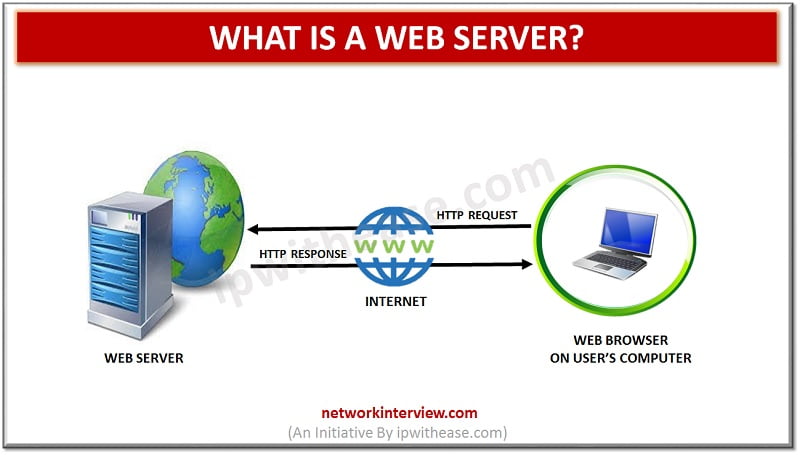
- A web server is computer software and underlying hardware that accepts requests via HTTP (the network protocol created to distribute web content) or its secure variant HTTPS. A user agent, commonly a web browser or web crawler, initiates communication by making a request for a web page or other resource using HTTP, and the server responds with the content of that resource or an error message. A web server can also accept and store resources sent from the user agent if configured to do so.[1] [2]
The hardware used to run a web server can vary according to the volume of requests that it needs to handle. At the low end of the range are embedded systems, such as a router that runs a small web server as its configuration interface. A high-traffic Internet website might handle requests with hundreds of servers that run on racks of high-speed computers.
A resource sent from a web server can be a preexisting file (static content) available to the web server, or it can be generated at the time of the request (dynamic content) by another program that communicates with the server software. The former usually can be served faster and can be more easily cached for repeated requests, while the latter supports a broader range of applications.
Technologies such as REST and SOAP, which use HTTP as a basis for general computer-to-computer communication, as well as support for WebDAV extensions, have extended the application of web servers well beyond their original purpose of serving human-readable pages.
References
Nancy J. Yeager; Robert E. McGrath (1996). Web Server Technology. ISBN 1-55860-376-X. Retrieved 22 January 2021.
William Nelson; Arvind Srinivasan; Murthy Chintalapati (2009). Sun Web Server: The Essential Guide. ISBN 978-0-13-712892-1. Retrieved 14 October 2021.
- Example: One is that several different sized labels can be used, each with a dedicated printer, tracked by the web server.
- en: Веб-сервер - это компьютерное программное обеспечение и базовое оборудование, принимающее запросы по протоколу HTTP (сетевой протокол, созданный для распространения веб-контента) или его защищенному варианту HTTPS. Агент пользователя, обычно веб-браузер или веб-гусеница, инициирует связь, делая запрос на веб-страницу или другой ресурс с помощью HTTP, а сервер отвечает содержимым этого ресурса или сообщением об ошибке. Веб-сервер также может принимать и хранить ресурсы, отправленные агентом пользователя, если он настроен на это.[1][2].
Оборудование, используемое для работы веб-сервера, может варьироваться в зависимости от объема запросов, которые он должен обрабатывать. На низком уровне находятся встроенные системы, например, маршрутизатор, в котором в качестве интерфейса конфигурации используется небольшой веб-сервер. Интернет-сайт с высокой посещаемостью может обрабатывать запросы с помощью сотен серверов, работающих на стойках высокоскоростных компьютеров.
Ресурс, отправляемый с веб-сервера, может быть уже существующим файлом (статическое содержимое), доступным веб-серверу, или он может быть создан во время запроса (динамическое содержимое) другой программой, которая взаимодействует с серверным программным обеспечением. Первый вариант обычно обслуживается быстрее и легче кэшируется для повторных запросов, а второй поддерживает более широкий спектр приложений.
Такие технологии, как REST и SOAP, использующие HTTP в качестве основы для общей коммуникации между компьютерами, а также поддержка расширений WebDAV, расширили сферу применения веб-серверов далеко за пределы их первоначальной цели - обслуживания человекочитаемых страниц.
Ссылки
Nancy J. Yeager; Robert E. McGrath (1996). Технология веб-серверов. ISBN 1-55860-376-X. Retrieved 22 January 2021.
William Nelson; Arvind Srinivasan; Murthy Chintalapati (2009). Sun Web Server: The Essential Guide. ISBN 978-0-13-712892-1. Retrieved 14 October 2021.