Hi, my name is Ainaz Karimi and I have been in the Psychology program in Collège Ahuntsic for 2 and a half years now. To help find the words for this glossary, I went through my psychology. I chose those words to help me understand better and memorize the vocabulary of my field. This glossary helps if my readers want to increase their understanding of the psychology field and if they want to memorize the vocabulary. I had a lot of fun doing this glossary and, I'm sure it helped me study for my exam.
acetylcholine
noun
A neurotransmitter involved in muscle movement, attention, arousal, memory, and emotion.
Example: Acetylcholine is the chief neurotransmitter of the parasympathetic nervous system.
en: acétylcholine
adaptation
noun
An inherited characteristic that increases in a population because it provides a survival or reproductive advantage.
Example: Plants that live in dry areas have adaptations to help them conserve water.
en: adaptation
agoraphobia
noun
A disorder involving anxiety about situations from which escape would be difficult or embarrassing or places where there might be no help if a panic attack occurred.
Example: Millions of Americans suffer from agoraphobia.
en: agoraphobie
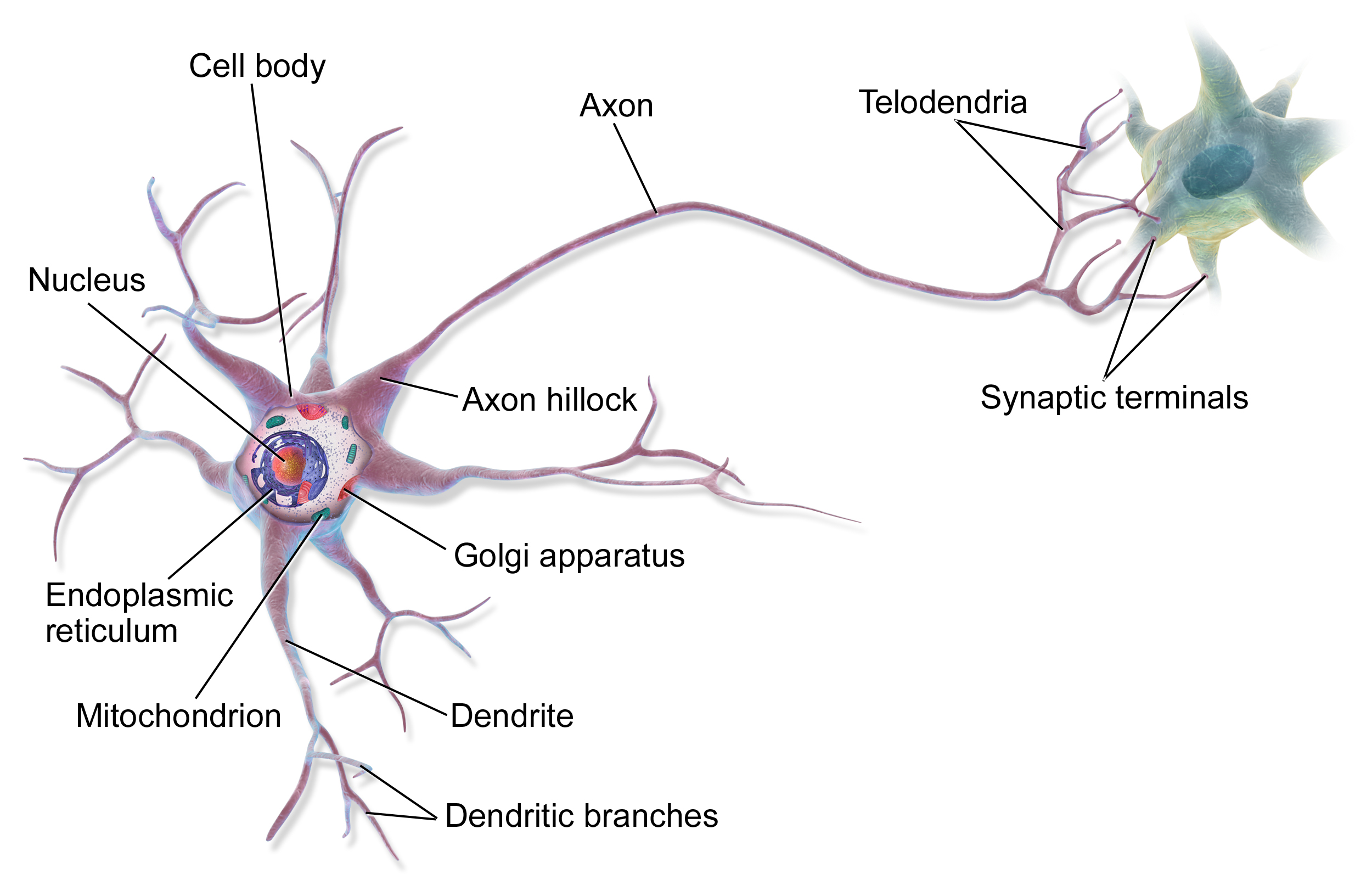
Axon
noun
A fiber that extends from a neuron and sends signals to other neurons.
Example: A neuron typically has one axon that connects it with other neurons or with muscle or gland cells. Some axons may be quite long, reaching, for example, from the spinal cord down to a toe.
en: axone
Bias
noun
The distortion of results by a variable that is not part of the hypothesis.
Example: His natural parts were excellent; and a strong bias in the direction of abstract thought, and mathematics in particular, was noticeable at an early date.
en: préjugé
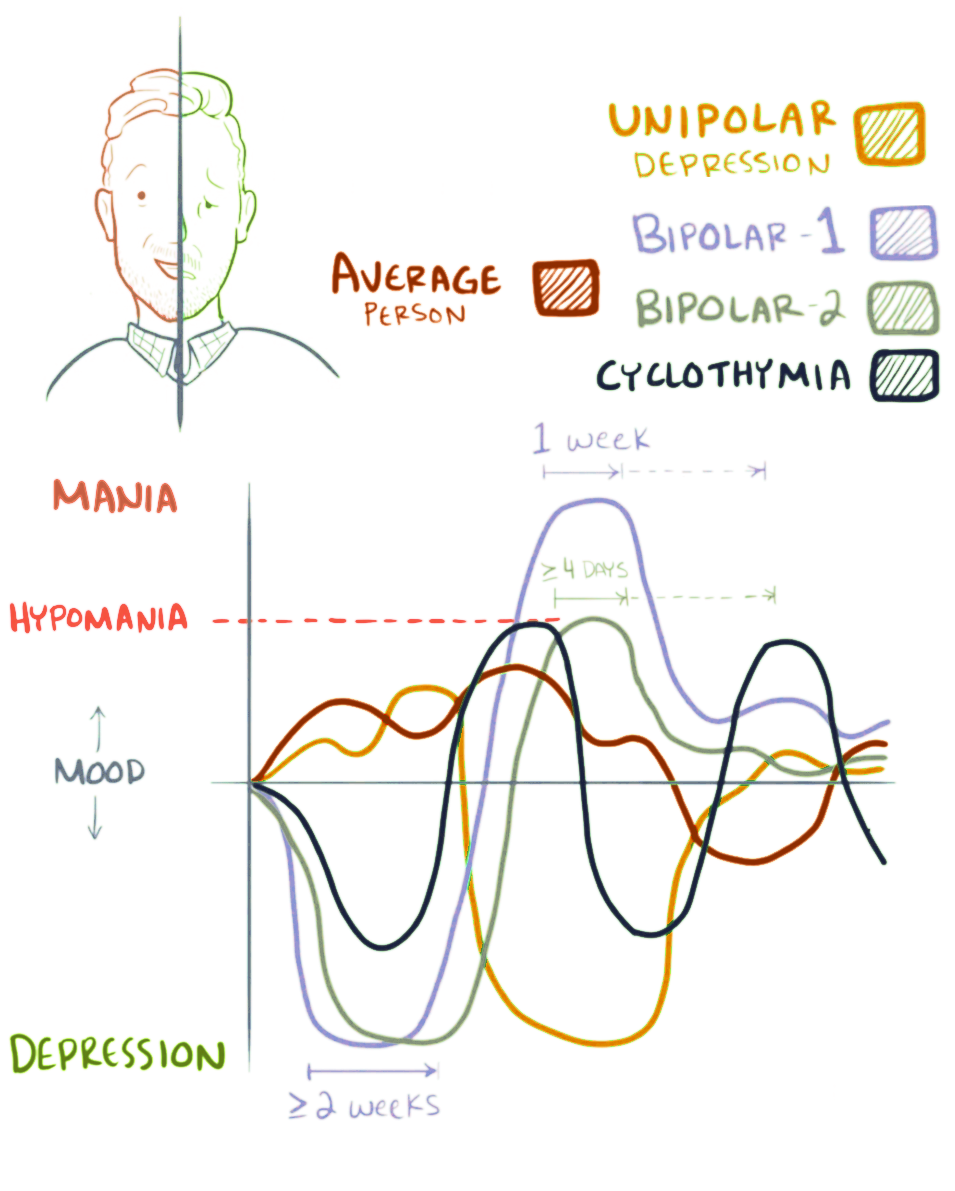
Bipolar disorders
noun
Disorders in which people alternate between periods of depression and mania.
Example: I have bipolar disorder, which means I'm vulnerable to emotional stresses that can trigger a manic or depressive episode.
en: bipolaire
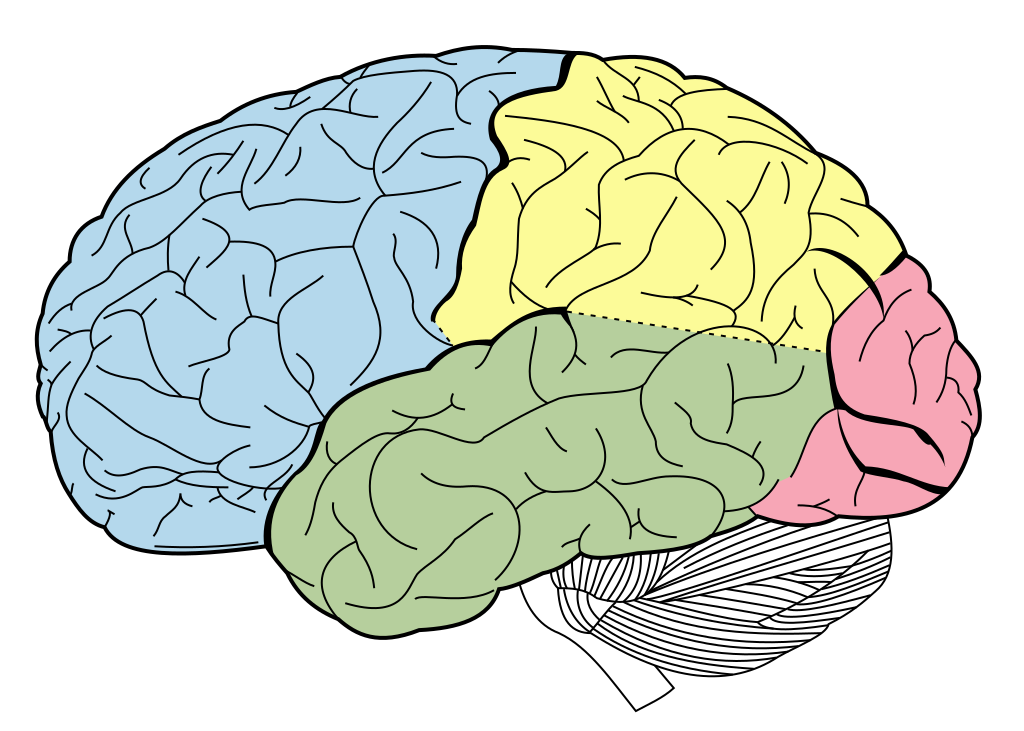
Brain
noun
The main organ in the nervous system.
Example: While Howie, between his brain damage, operations, and lengthy coma created a rare combination of mental soup, could we say with any certainty that his ability was absolutely unique to him?
en: cerveau
cognition
noun
Thinking. It involves mental activities such as understanding, problem-solving, decision-making, and creativity.
Example: The tumor is still growing, which means there is still a chance at cognitive deterioration.
en: cognition
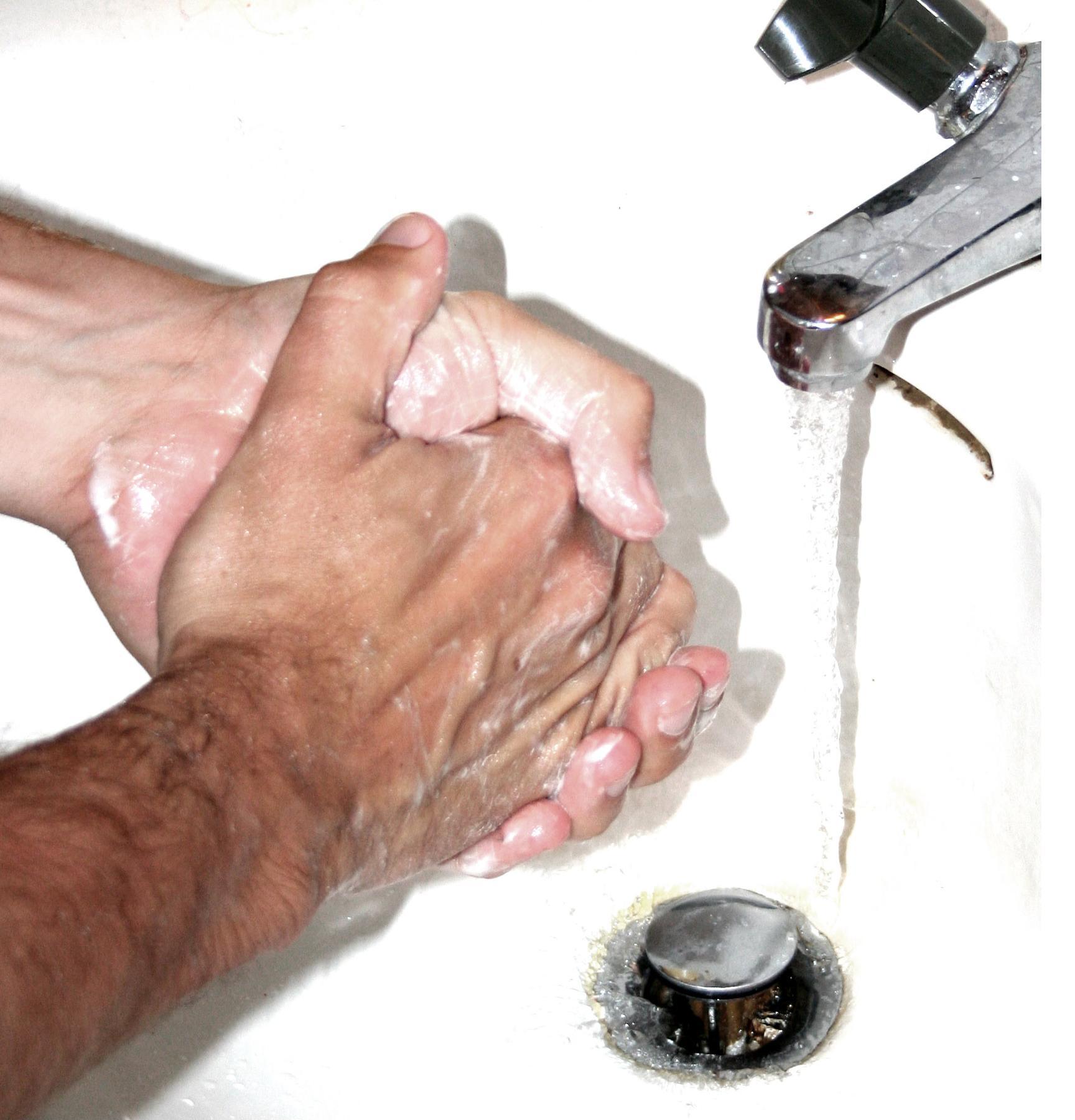
compulsions
noun
Repetitive behaviors that help to prevent or relieve anxiety.
Example: People with OCD carry out these types of compulsion in a desperate bid to calm the anxiety caused by their obsessions.
en: compulsions
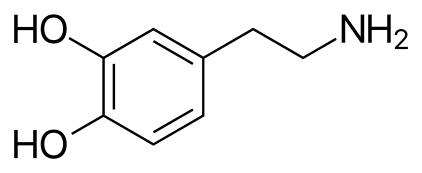
dopamine
noun
A neurotransmitter involved in voluntary movement, learning, memory, and emotion.
Example: Comme l'acétylcholine sur le canal visuel, la dopamine servirait de neurotransmetteur inhibiteur, au niveau du cortex cérébral.
en: dopamine
Eating disorders
noun
Disorders characterized by problematic eating patterns, extreme concerns about body weight, and inappropriate behaviors aimed at controlling body weight.
Example: Some people believe that media images of thinness may influence the start of eating disorders including bulimia.
en: troubles alimentaires
ego
noun
The component of the personality that manages the conflict among the id, the superego, and the constraints of the real world.
Example: The individual ego is only possible as opposed to a non-ego, to a world of the senses; thus God, the infinite will, manifests himself in the individual, and the individual has over against him the non-ego or thing.
en: égo
emotion
noun
A complex, subjective experience that is accompanied by biological and behavioral changes.
Example: She loved human emotion, but she hated the doubt and insecurity she felt.
en: émotion
gender stereotypes
noun
Societal beliefs about the characteristics of males and females.
Example: The female protester launched into a tirade about the injustices of gender stereotypes.
en: stéréotype de genre
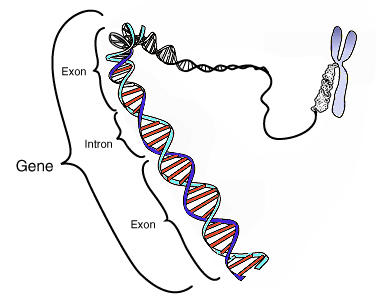
genes
noun
Segments of DNA that function as hereditary units.
Example: The gene mutated accidentally, but once noticed, breeders bred for it.
en: gène
intelligence
noun
The capacity to acquire and apply knowledge. It includes the ability to benefit from past experience, act purposefully, solve problems, and adapt to new situations.
Example: Allen couldn't be rejected, so he belittled her intelligence, the close relationship with her family and accused her of cheating on him.
en: intelligence
lobotomy
noun
A surgical procedure that severs nerve tracts in the frontal lobe formerly used to treat certain psychological disorders but now rarely performed.
Example: The winning tickets were claimed by Gloria Hunter of St Ives who wins a prefrontal lobotomy and a Manchester City scarf.
en: lobotomie
personality disorders
noun
Disorders characterized by stable patterns of experience and behavior that differ noticeably from patterns considered normal by a person’s culture.
Example: The relationship between personality disorder and dangerous behavior is complex and often indirect.
en: trouble de la personnalité
psychoanalysis
noun
A technique developed by Sigmund Freud to treat mental disorders. It also is a theory of personality developed by Freud that focuses on unconscious forces, the importance of childhood experiences, and the division of the psyche into the id, ego, and superego.
Example: My sister got trained at the Institute of psychoanalysis and, she is qualified in adult, and child psychoanalysis.
en: la psychanalyse
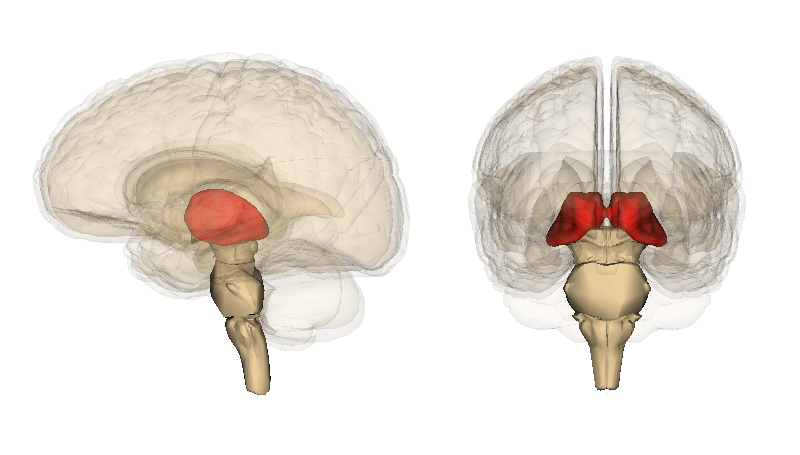
thalamus
noun
The part of the brain through which almost all sensory information goes on its way to the cerebrum.
Example: These are usually densely crowded upon the thalamus, but in some instances, after apical growth has ceased in the axis, an elongation of portions of the receptacle by internal growth occurs, by which changes in the position of the parts may be brought about.
en: thalamus
zygote
noun
A cell that results from the combination of a sperm cell and an egg during conception.
Example: The zygote is a single cell that contains the genetic material of both the mother and the father.