COVID-19 terminology
COVID-19 terminology
5 terms
This glossary is particularly designed for learners of the "COVID-19 terminology course"
- 1. Virus
- Noun
- A living thing, too small to be seen without a microscope, that causes infectious disease in animals and humans.
- Example: Queensland has recorded 61 cases of the virus, including 15 announced yesterday.
- zh_tw: 病毒
-

- 2. Coronavirus
- Noun
- A type of common virus that infects humans, typically leading to an upper respiratory infection.
- Example: The Victorian government has declared a state of emergency, in response to the coronavirus pandemic.
- zh_tw: 冠狀病毒
-
/cloudfront-us-east-1.images.arcpublishing.com/gray/OWKC3TZ3JBEMLHS2AYQ65BIZIU.jpg)
- 3. COVID-19
- Noun
- The official name for the novel coronavirus disease that emerged in China in 2019. COVID-19 is an acronym – COronaVIrus Disease-2019.
- Example: The area will be closed on Tuesday after the parent of two students tested positive for COVID-19.
- zh_tw: 新冠肺炎
-

- 4. Symptom
- Noun
- Any feeling of illness or physical or mental change that is caused by a particular disease.
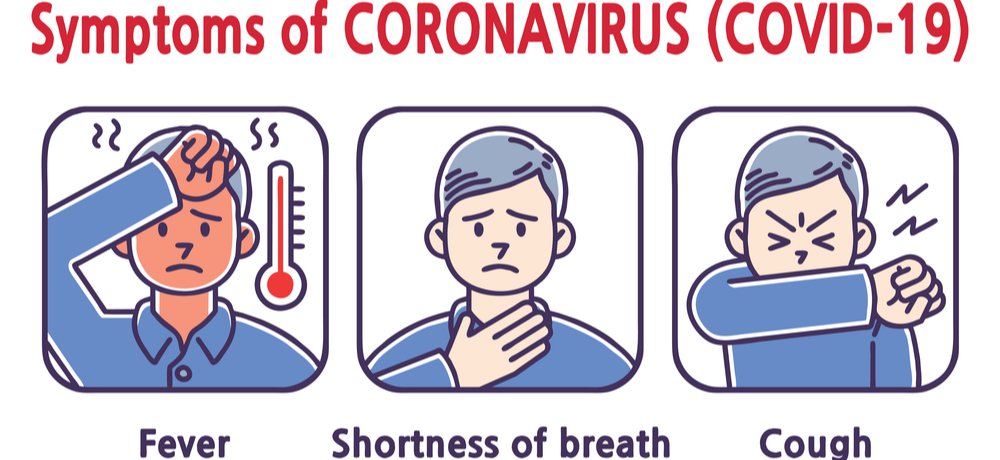
- Example: The most common symptoms of COVID-19 include fever, cough and sore throat.
- zh_tw: 症狀
-
- 5. Infectious
- Adjective
- Being able to spread from one to another.
- Example: People who are sick with the virus may be infectious for many days and pass the virus on to others.
- zh_tw: 傳染的
-
