Medical terms
Medical terms
15 When becoming a nurse means learning a new language. terms
Medical terminology can sometimes sound like a foreign language. It is packed with a particular jargon, abbreviations and formal words that are not general used in normal parlance. Meanwhile, as a nurse, it is very important to understand and assimilate and understand medical terminology because this jargon becomes our way communicate with all professionals. The medical terminology is more effective and specific. Just like any foreign language, it takes time to properly study and become familiar with this kind of language.
Sources:
- acute
- adjective
- (of a bad, difficult, or unwelcome situation or phenomenon) present or experienced to a severe or intense degree.
- amnesia
- A partial or total loss of memory.
- Example: They were suffering from amnesia.

- anatomical
- adjective
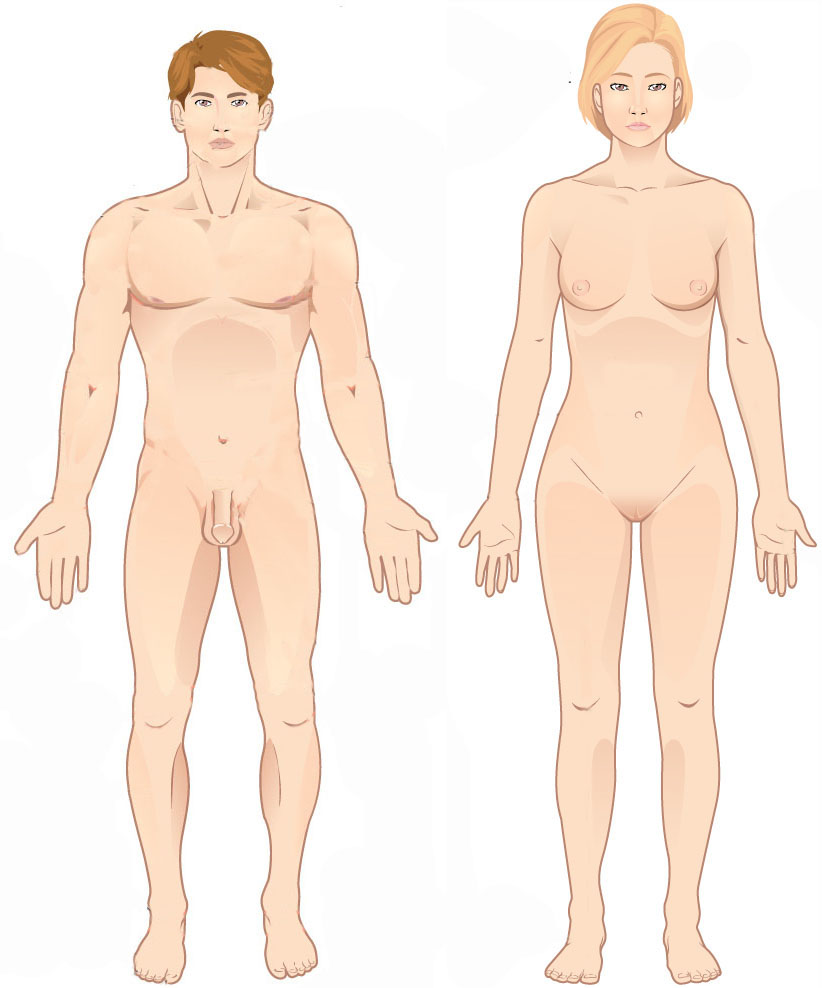
- relating to bodily structure.
- artery
- noun
- A vessel that carries blood high in oxygen content away from the heart to the farthest reaches of the body.

- ataxia
- noun
- It is the loss of full control of bodily movements.
- decreased
- verb
- To make or to become smaller by the size, amount, intensity, or degree.

- dehydrated
- verb
- lose a large amount of water from the body.

- diagnosis
- noun
- It is the identification of an illness by examination of the symptoms.
- dysfunctional
- adjective
- It is not operating normally or properly.
- electrocardiogram
- noun
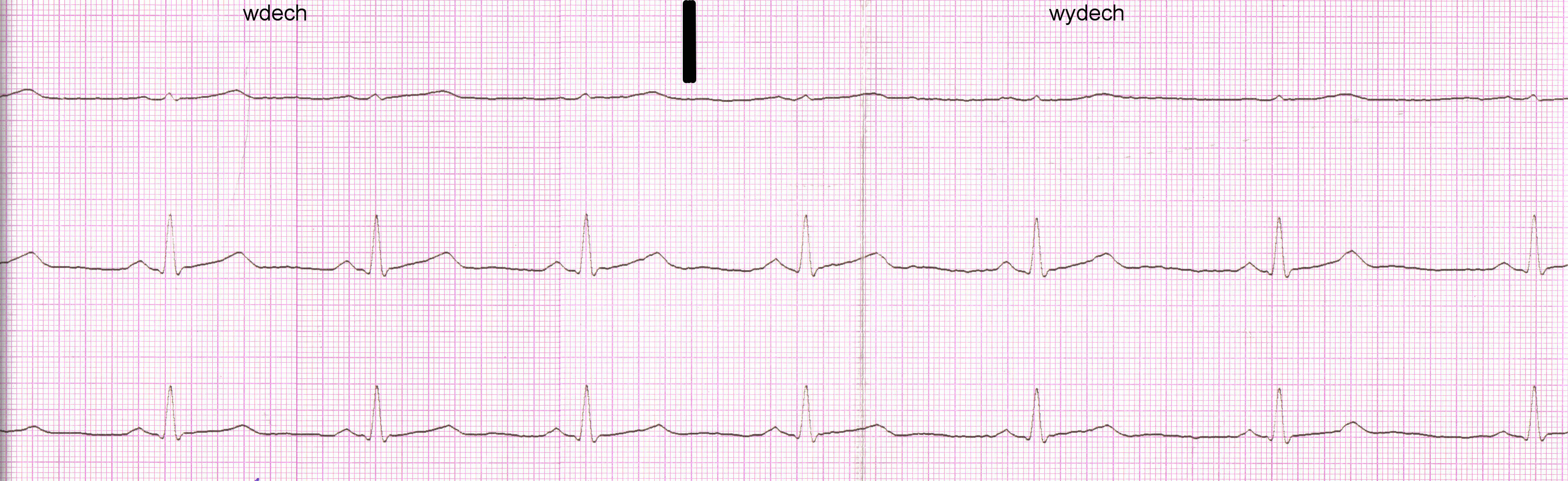
- It makes a record or display of a person's heartbeat produced by electrocardiography.
- induced labor
- verb + noun
- It is the stimulation of uterine contractions during pregnancy before labor begins on its own to achieve a vaginal birth.
- internal bleeding
- adjective + verb
- Is a loss of blood from a blood vessel that collects inside the body.

- kindness
- noun
- The quality of being friendly, generous, and considerate.
- oncology
- noun
- The study and treatment of tumors.
- pain killer
- noun
- a drug or a medicine for relieving pain.
