An audit is a process of verification and / or validation of the fulfillment of an activity as planned and the stipulated guidelines. According to the ISO (International Organization for Standardization), it is an independent and documented systematic process that allows obtaining audit evidence and carrying out an objective evaluation to determine the extent to which the audit criteria (set of policies, procedures or requirements to be reviewed) are met.
Example: A company carries out an audit for certification in ISO 9001
es: Auditorias
Continuous improvement
Noun
It is an approach to operational process improvement that is based on the need to continually review operations for problems, opportunity cost reduction, streamlining, and other factors that together enable optimization.
Example: It is seeking to make the processes efficient in the organic, seeking to reduce errors that produce losses.
es: Mejora continua
Control extension
Noun
This principle seeks to determine the limit of the number of subordinates that a superior must supervise. The extent of control depends
of the extension in administrative responsibility, and it is to how many people can supervise and help to achieve each of the proposed objectives.
Example: Indicating the number of workers who must respond to a manager and, consequently, the number of subordinates that he may supervise.
es: Extensión de control
Cost management
Noun
It is the area of knowledge in charge of dealing with the costs of the resources necessary to complete the project activities and is composed of the following processes: Plan Cost Management, Estimate Costs, Determine the Budget and Control Costs.
Example: A project is carried out which fails due to poor management of the costs of this, that is, the poor planning of the costs involved led to the project being diminished and the expected results were not obtained
es: Gestion de costos
Environmental management
Noun
Is a strategy that seeksproduce products eco-efficiently, from the sustainable use of resources available, according to the United Nations Environment Program, the production cleaner, “is the continuous application to processes, products, and services, of
an integrated and preventive strategy, in order to increase efficiency in all fields, and reduce risks to humans and the environment
environment"
Example: Process optimization, since the reduction and efficient use of raw materials and supplies in general
es: Gestión ambiental
Ergonomics
Noun
It is the interdisciplinary science that studies the relationships between man and his job. It seeks the optimization of the three elements of the system: human-machine-environment.
Example: It was decided to redesign the use of the load skid to reduce the effort of the operators
es: Ergonomía
Facility design
Noun
It is the efficient management and distribution of the elements that interact in any process in the industry
Example: The production line was redesigned since a new supplier of better quality parts was sought, generating displacement of days in process products, this will generate an increase in product quality and in its production
es: Diseño de instalaciones
HITSUKE
Noun
Training and discipline. It means preventing the procedures already established. Only if discipline and compliance with the rules and procedures already adopted can be enjoyed of the benefits they provide. Discipline is the channel between 5'S and continuous improvement.
Example: To enjoy the maximum of 5 rules, you need to keep everything as requested
es: HITSUKE
Industrial design
Noun
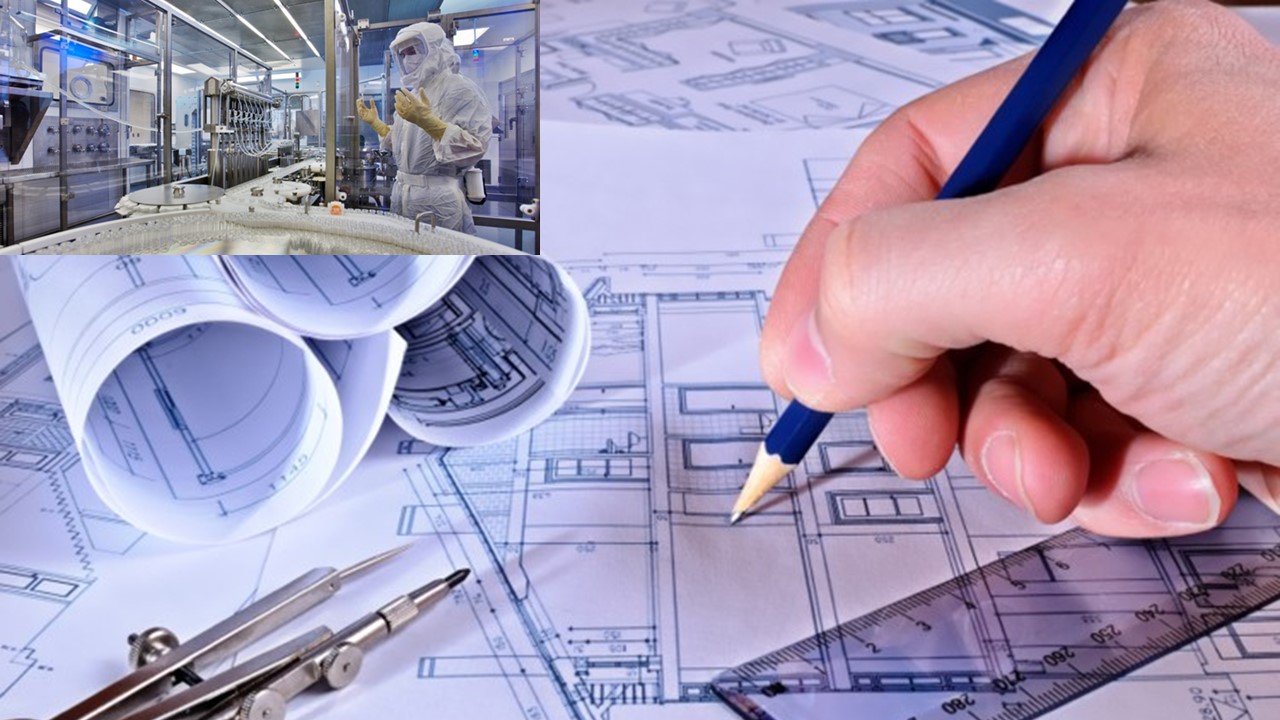
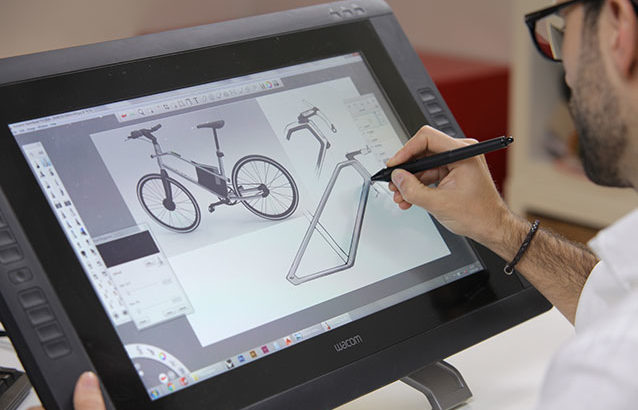
Is the professional practice of designing products, devices, objects and services used by millions of people around the world every day.
Example: Industrial design in parts of a product: Parts of a car such as the bumper, the seats or the dashboard. The embroidery of a textile garment, the mouthpiece of a faucet collection.
es: Diseño industrial
Inventory cost
Noun
It is defined as the total expense that a company will incur while maintaining inventory. When this cost is low, companies can enjoy an efficient supply chain process and an optimal balance between input and output.
Example: The Mobil warehouse, thanks to having a good management of its planning, does not have a high inventory cost since the product is requested according to the average sales
es: Costo de inventario
Motion study
Noun
It is the careful analysis of the various things that the body performs when executing a job. Its object is to eliminate or reduce inefficient movements, and to facilitate and accelerate efficient ones.
Example: It was noted that there is a loss of time in the assembly of parts for the manufacture of bicycles, so a study of times and movements was carried out, improving the process of these.
es: Estudio de movimiento
Operative administration
Noun
Operations management consists of planning, directing, organizing and controlling the company's production processes in order to create value.
Example: A project is managed in which all the variables that can generate or increase value to the product are analyzed by analyzing all the variables involved
es: Administración de operaciones
Preventive Maintenance
Noun
Preventive maintenance is defined as the action of systematically reviewing equipment or devices of any kind (mechanical, electrical, computer, etc.) under certain criteria to avoid breakdowns caused by use, wear or the passage of time.
Example: The distribution units are scheduled for preventive maintenance to avoid generating and falling into corrective maintenance that implies a greater expense
es: Mantenimiento preventivo
Process diagram
Noun
There are different ways to analyze a process by graphic representations. Process diagrams are a technique of
easy-to-apply diagram that seeks to represent visually and condensed the stages or events that occur during a series of operations
of a process so that they can be easily analyzed.
Example: Organize information on activities to be carried out
es: Diagrama de procesos
Procurement logistics
Noun
Provisioning is foreseeing, planning and satisfying the needs of the company; also secures, stores and ships to the areas where the materials are to be used, these activities involve: purchases, transportation, inventories of raw materials, storage and handling of materials.
Example: An example may be to make inventories or records of missing materials, to always prevent any work delays.
es: Logística de adquisiciones
Production management
Noun
Production systems are essentially any activity that produces something, but in a formal way these can be define as an open system, which has some inputs (inputs), performs a transformation process and turns them into outputs (products or services), (See definition of industrial systems
Example: Next, let's look at the example of “manufacturing”, within the group of key processes, which you can implement.
Notice!
Purpose: to produce high-quality and resistant “satchel” leather bags, with first-class finishes. Scope: guarantee the production of 8 daily "satchel" bags, as follows: 3 olive green, 3 black and 2 old pink.
Tickets:
3 millimeter thick bovine leather.
Metal zippers.
Buckles
Departures: "satchel type" bags.
es: Gestión de la producción
Productivity
Noun
Productivity as the ultimate goal of improvement processes is: Raise the satisfaction of customer needs, minimizing the
use of resources through the improvement of the efficiency of the processes.
Example: A company that manufactures pants has a monthly production of 400,000 pieces and has 100 employees who work 8 hours a day, for 25 days a month. In this way, the productivity of the company is 2 pants per hour.
es: Productividad
Project management
Noun
Project management is the application of processes, methods, skills, knowledge and experience to achieve the specific objectives of the project in accordance with the project acceptance criteria within the agreed parameters. Project management has final deliverables that are limited to a finite budget and time scale.
es: Gestion de proyectos
Quality control
Noun
Quality control (QC) is a process through which a business seeks to ensure that product quality is maintained or improved. Quality control requires the company to create an environment in which both management and employees strive for perfection.
Example: Status of the ingredients at the time of food preparation, verifying that their expiration date has not expired.
es: Control de calidad
SEIKETSU
Noun
Standardizing aims to maintain the state of cleanliness and organization achieved with the application of the first 3's. Standardizing it is only obtained when the three previous principles are continuously worked on.
Example: Maintaining most cleaning rules will make the place standardized
es: SEIKETSU
SEIRI
Noun
Separate, discard, clear. It is based on the fact that those objects unnecessary parts of the workplace should be discarded, this pretends that when removing these obstacles can make the job easier.
Example: An example can be the fact of having objects that are not useful to us, just by having them there can avoid an easier process of our work
es: SEIRI
SEISO
Noun
Thoroughly clean your workplace in such a way that there is no dust on floors, machines and equipment. With this practice, problems such as machine breakdowns, contamination, etc. will decrease.
Example: Factories that do not develop Cleaning from a SEISO logic suffer the following types of problems: Defects are less obvious in messy and dirty factories. The windows are so dirty that very little sunlight filters through them.
es: SEISO
SEITON
Noun
Accommodate, order. It aims to accommodate the necessary objects in good order in such a way that they are easily accessible for use, and at the same time prevent wasted time in the search and transport of objects, these activities are those that do not generate added value and produce delays in delivery times.
Example: Finding a specific tool inside the box implies "turning" the box and perhaps making a mistake (for example, the wrongly selected size of a wrench or screwdriver).
es: SEITON
Six sigma
Noun
One of the methodologies that continuous improvement of processes develops is Six Sigma, which focuses on reducing and eliminating defects or failures in processes.
Example: A new methodology was implemented that reduced the variation in the bicycle assembly process, managing to eliminate variables that caused errors in the processes.
es: Seis sigma
Standardization of processes
Noun
Process Standardization aims to unify the procedures of organizations that use different practices for the same process.
Example: Company X has several branches in which it seeks to standardize the processes, that is to say that all branches work under the same regime which must be supported since they run the risk of not obtaining the ISO 9001 quality certification