Hi, my name is Emma Pilon. I am 20 years old. I live in Laval. Nursing is my field of study, I have been in this program at Montmorency cegep for 3 years now. It is my last session and then I will go to university. I create this nursing glossary for the people who don't know anything about it. You will find the definition of common terms that we use, a lot of diagnostics and instruments we use. I hope you will enjoy reading.
anemia
Noun
A condition marked by a deficiency of red blood cells or of hemoglobin in the blood, resulting in pallor and weariness.
Example: Subfamily Spumavirinae: This family includes viruses such as bovine foamy virus, feline foamy virus and they usually result in anemia.
en: Anémie
angina
Noun
A condition marked by severe pain in the chest, often also spreading to the shoulders, arms, and neck, caused by an inadequate blood supply to the heart.
Example: The pain was described by Mr as an "angina-like" central crushing chest pain.
en: Angine
antecedent
Noun
A person's ancestors or family and social background.
en: Antécédent
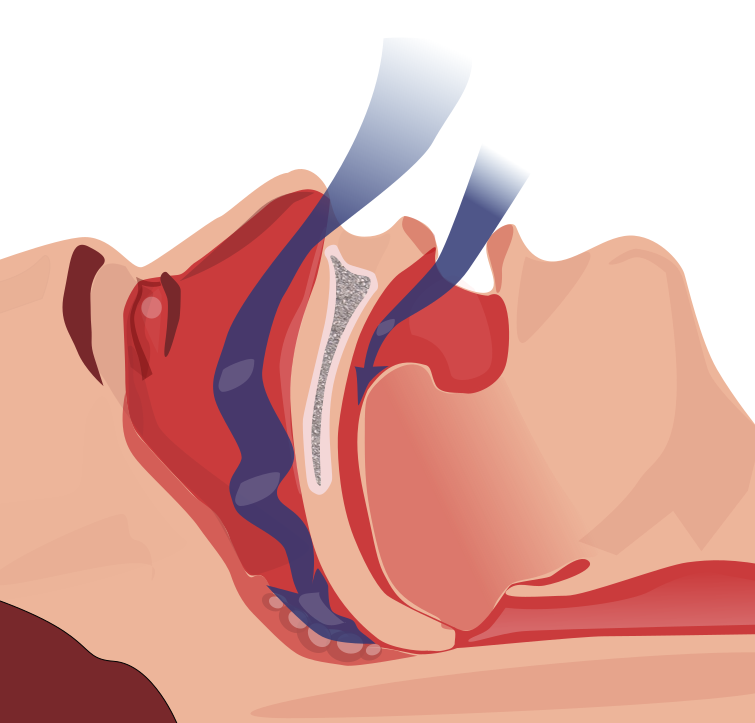
apnea
Noun
Temporary cessation of breathing, especially during sleep.
en: Apnée
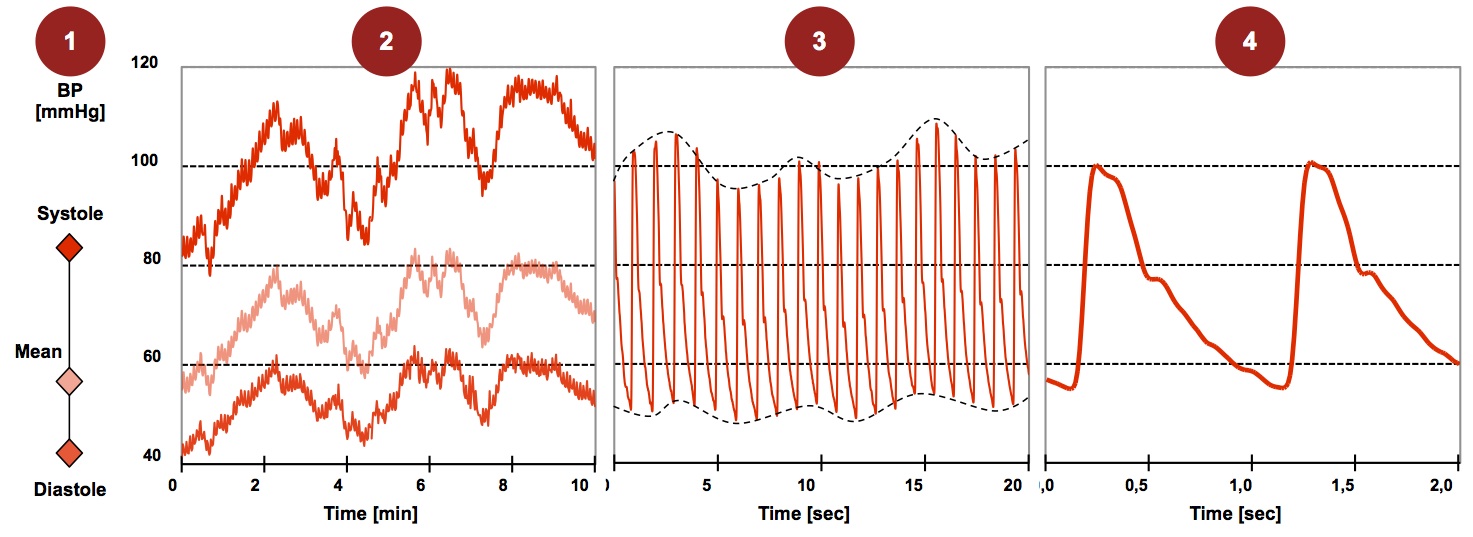
arterial pressure
Noun
Arterial pressure is a function of the volume of blood entering the arteries (both stroke volume and heart rate), the volume exiting the arteries (determined by peripheral resistance), and the compliance of the arterial vessels.
Example: The 2 main consequences of embolization in the pulmonary arterial tree are (i) increased pulmonary arterial pressure (increases strain on the right side of the heart) and (ii) ischaemia of the lung where ventilated areas of the lung aren't perfused with blood.
en: La pression artérielle
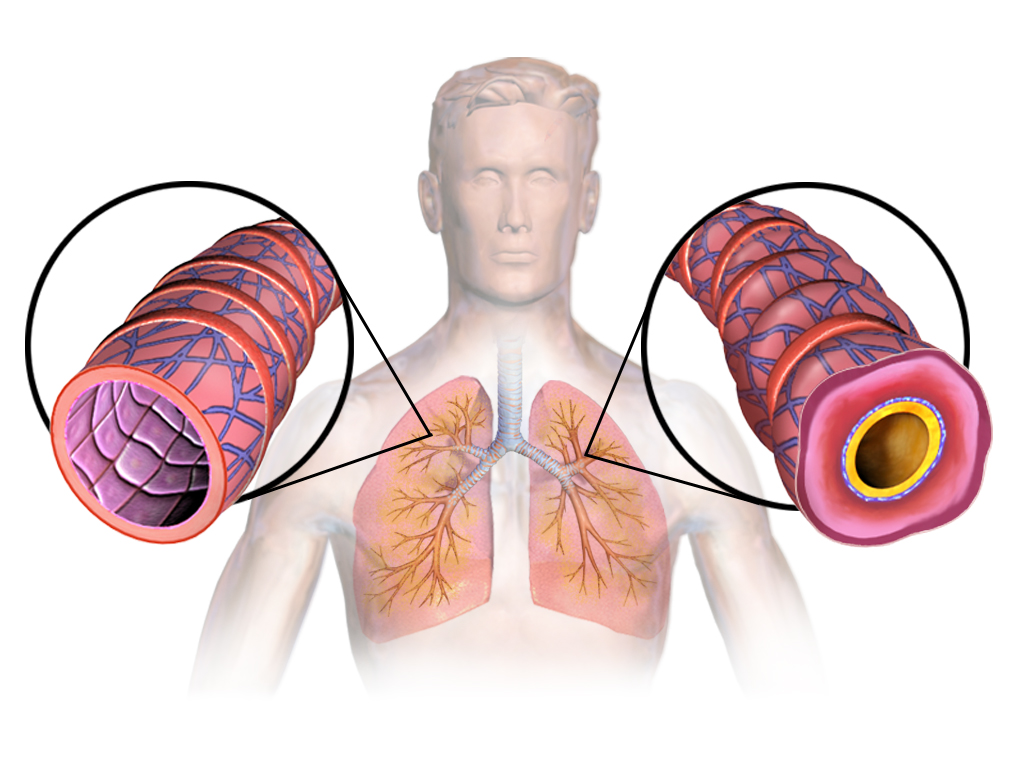
asthma
Noun
A respiratory condition marked by spasms in the bronchi of the lungs, causing difficulty in breathing. It usually results from an allergic reaction or other forms of hypersensitivity.
en: Asthme
atherosclerosis
Noun
A disease of the arteries characterized by the deposition of plaques of fatty material on their inner walls.
Example: A prolonged elevation in plasma lipid concentration can lead to the pathological process of atherosclerosis, increasing the risk and incidence for CHD events.
en: Athérosclérose
cholesterol
Noun
A compound of the sterol type found in most body tissues. Cholesterol and its derivatives are important constituents of cell membranes and precursors of other steroid compounds, but a high proportion in the blood of low-density lipoprotein (which transports cholesterol to the tissues) is associated with an increased risk of coronary heart disease.
Example: For example, one newspaper reported the headline "A healthy lifestyle might be the death of you" out of the academic debate about the link between cholesterol and cardio-vascular diseases.
en: Cholestérol
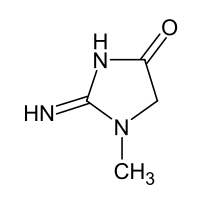
creatinine
Noun
A compound which is produced by metabolism of creatine and excreted in the urine.
A disease in which the body’s ability to produce or respond to the hormone insulin is impaired, resulting in abnormal metabolism of carbohydrates and elevated levels of glucose in the blood and urine.
Example: This causes concern, as obesity is a major risk factor linked to heart disease, diabetes and premature death.
en: Diabète
diastolic
Noun
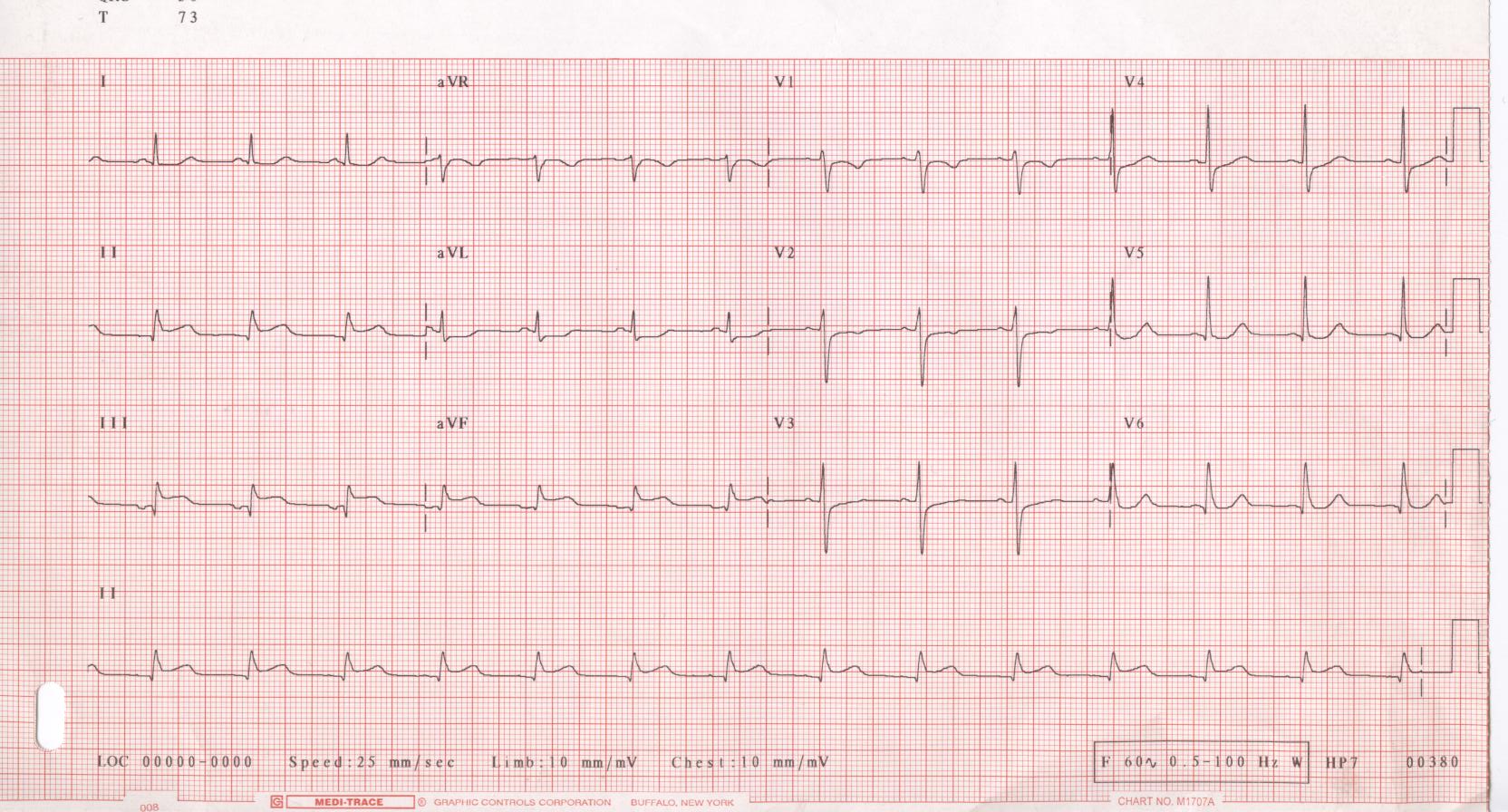
Relating to the phase of the heartbeat when the heart muscle relaxes and allows the chambers to fill with blood.
en: Diastolique
doctor
Noun
A qualified practitioner of medicine; a physician.
Example: On the second occasion I was taking my own workload, under Rachel's supervision, and took over Mary's care at the start of a night shift, she had been triaged but was yet to be seen by a doctor.
en: médecin
fracture
Noun
The cracking or breaking of a hard object or material.
Example: A fracture runs from the left angle of mandible, transverses the mental fossa and terminates at the origin of the missing left mandibular canine, resulting in a broken edge measuring 59.86mm.
en: Fracture
glucose
Noun
A simple sugar which is an important energy source in living organisms and is a component of many carbohydrates.
A red protein responsible for transporting oxygen in the blood of vertebrates. Its molecule comprises four subunits, each containing an iron atom bound to a heme group.
Example: In some cases nitrates are converted to nitrites in human body that react to hemoglobin in the blood to inhibit oxygen transport.
en: Hémoglobine
high blood pressure
Noun
High blood pressure is a common condition in which the long-term force of the blood against your artery walls is high enough that it may eventually cause health problems, such as heart disease.
Example: They can lead to well known problems including bad teeth, obesity, diabetes, and high blood pressure.
en: Hypertension
hospital
Noun
An institution providing medical and surgical treatment and nursing care for sick or injured people.
Example: This is demonstrated by the image of Clostium difficile (21.12.05) the bacteria linked to patient deaths in hospital from the front page.
en: hôpital
intoxication
Noun
The state of being intoxicated, especially by alcohol.
Example: With repeated bouts of intoxication, the body begins to build up a tolerance for alcohol and the effects of a single drink become less severe, forcing the alcoholic to drink more to receive the same effects.
en: Intoxication
kidney failure
Noun
Severe failure of the kidneys to function properly.
Example: Diabetic nephropathy is the leading cause of complete kidney failure, with approximately 8% of diabetics in the UK receiving treatment for kidney disease.
en: Insuffisance rénale
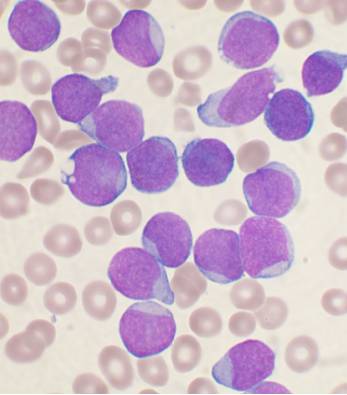
leukemia
Noun
A malignant progressive disease in which the bone marrow and other blood-forming organs produce increased numbers of immature or abnormal leukocytes. These suppress the production of normal blood cells, leading to anemia and other symptoms.
Example: Many studies around the world relate the use of pesticides to many different diseases, such as leukemia, brain, kidney pancreatic and prostate cancer and show that especially children are in greater risk.
en: Leucémie
low blood pressure
Noun
Hypotension is the medical term for low blood pressure (less than 90/60).
Example: Postural or orthostatic hypotension is defined as abnormally low blood pressure that occurs when an individual stands.
en: Pression artérielle faible
myocardial infarctus
Noun
Another term for heart attack.
en: Infarctus du myocarde
nurse
Noun
A person trained to care for the sick or infirm, especially in a hospital.
Example: Porter's study focused on one particular hospital in the north of Ireland, and participant observation was carried out for three months in 1989 when the researcher was an employed nurse in the hospital.
en: Infirmière
patient
Noun
A person receiving or registered to receive medical treatment.
Example: However, the doctor does not operate on a patient without an understanding of the various possible solutions, or in other words, laws of medicine.
en: Patient
sphygmomanometer
Noun
An instrument for measuring blood pressure, typically consisting of an inflatable rubber cuff which is applied to the arm and connected to a column of mercury next to a graduated scale, enabling the determination of systolic and diastolic blood pressure by increasing and gradually releasing the pressure in the cuff.
en: Sphygmomanomètre
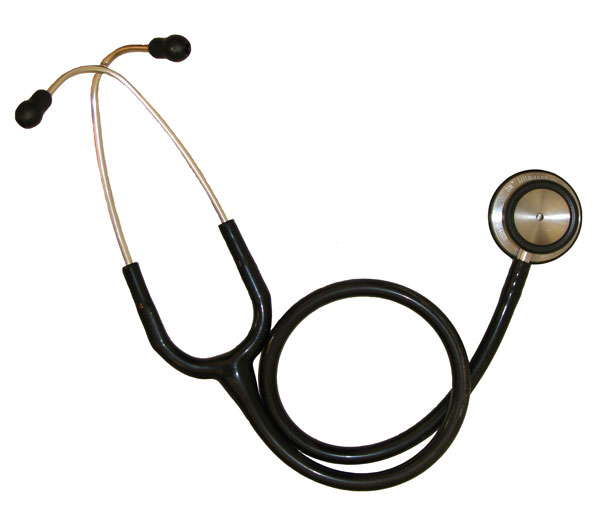
stethoscope
Noun
A medical instrument for listening to the action of someone's heart or breathing, typically having a small disk-shaped resonator that is placed against the chest, and two tubes connected to earpieces.
en: Stéthoscope
systolic
Noun
Relating to the phase of the heartbeat when the heart muscle contracts and pumps blood from the chambers into the arteries.
en: Systolique
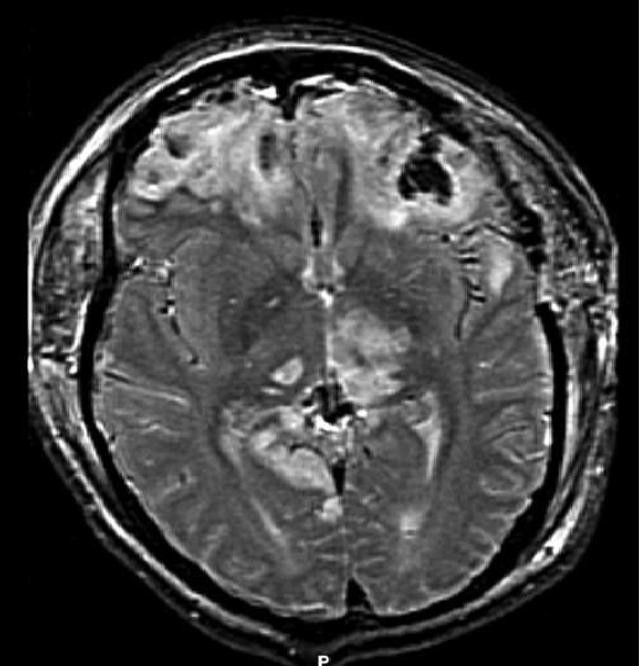
traumatic brain injury
Noun
Traumatic brain injury (TBI) is a nondegenerative, noncongenital insult to the brain from an external mechanical force, possibly leading to permanent or temporary impairment of cognitive, physical, and psychosocial functions, with an associated diminished or altered state of consciousness.
en: Lésion cérébrale traumatique
treatment
Noun
Medical care given to a patient for an illness or injury.
Example: Such suffering as medical treatment and physical training are not good because they hurt, but excellent because of the pleasurable benefits they grant in the future.
en: Traitement
vital signs
Noun
Clinical measurements, specifically pulse rate, temperature, respiration rate, and blood pressure, that indicate the state of a patient's essential body functions.