Hi, my name is Rodando, and I'm studying Psychology for 3 years now. I was in compatibility before, but I didn't like it, so I quit and went to psychology. I feel like this program was made for me and I'm glad to be part of this program. This glossary is about the essentials of psychology. The specific purpose of the glossary is to help people understand what is psychology and the important vocabulary. I hope that you will understand a lot more about Psychology after reading my glossary
addictions
noun
a compulsive, chronic, physiological or psychological need for a habit-forming substance, behavior, or activity having harmful physical, psychological, or social effects and typically causing well-defined symptoms (such as anxiety, irritability, tremors, or nausea) upon withdrawal or abstinence : the state of being addicted
Example: Drugs can cause addictions when used too frequently.
en: Dépendances
amygdala
noun
A roughly almond-shaped mass of gray matter inside each cerebral hemisphere, involved with the experiencing of emotions.
Example: The hypothalamus also receives important input from the amygdala, which is involved in emotional processes.
en: amygdale
anxiety
noun
A feeling of worry, nervousness, or unease, typically about an imminent event or something with an uncertain outcome.
Example: They appear vulnerable to depression, boredom, fear, sensitivity and ANXIETY (Goodall, 1968).
en: Anxiété
behavior
noun
The way in which one acts or conducts oneself, especially toward others.
Example: If any of these variables affects helping BEHAVIOR, then the degrees of helpfulness can also vary widely depending on the region where the experiment is conducted.
en: comportement
behaviorism
noun
The theory that human and animal behavior can be explained in terms of conditioning, without appeal to thoughts or feelings, and that psychological disorders are best treated by altering behavior patterns.
Example: However, in the limited space provided, this essay examines how cognitivism, behaviorism and constructivism view the role of L1, input and output in SLA and analyzes how these key issues explain certain features of my learning of Persian such as the course-book design, grammar and vocabulary.
en: behaviorisme
brain
noun
An organ of soft nervous tissue contained in the skull of vertebrates, functioning as the coordinating center of sensation and intellectual and nervous activity.
Example: The theory starts with one simple mechanism - the competition between memes to get into human brains and be passed on again - and from this it gives rise to explanation for such diverse phenomena as the evolution of the enormous human brain, the origins of language, human altruism, sex, religion, and even the evolution of the internet (Blackmore, 1999).
en: cerveau
catharsis
noun
Purging of emotional tensions.
Example: It has catharsis, anagorisis and evokes fear amongst the audience
en: catharsis
cognition
noun
The psychological result of perception and reasoning.
Example: The parents also noted that the child plays well with his sister when at home so although he may be struggling with appropriate levels of cognition for his developmental age, his social skills are developing well which should help enormously with his ability to learn.
en: cognition
discrimination
noun
The unjust or prejudicial treatment of different categories of people or things, especially on the grounds of race, age, or sex.
Example: This theory carries with it his proposal that racial prejudice and discrimination came before slavery, hence initiating (and outliving) it, and therefore was not a product of it.
en: discrimination
emotion
noun
An affective state of consciousness in which joy, sorrow, fear, hate, or the like, is experienced, as distinguished from cognitive and volitional states of consciousness.
Example: This is more like ' smiling but not meaning it' (Class Notes OPBC, 2005) Deep Acting The employees in this case 'psyche themselves' in such a way so as to experience a desired EMOTION.
en: émotion
genes
noun
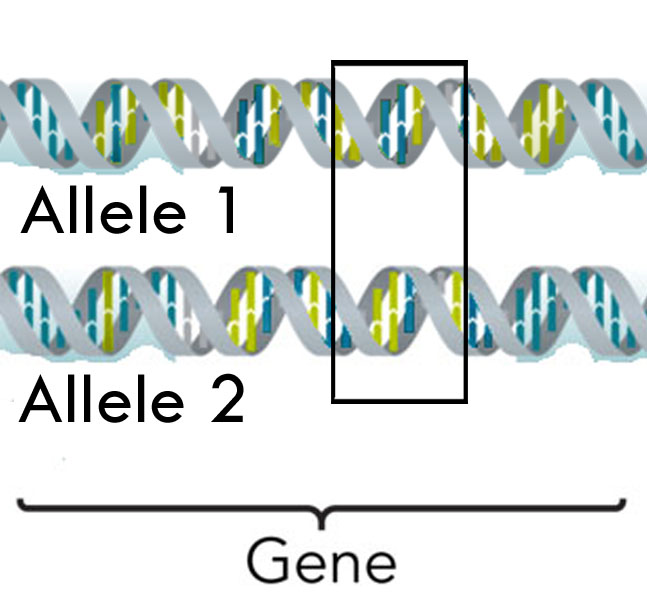
A unit of heredity which is transferred from a parent to offspring and is held to determine some characteristic of the offspring.
Example: Within the disciple of psychology Ainsworth's research and the Scaramella et al. paper contribute to the ongoing debate of nature or nurture, whether people act the way they do because of their genes or their environment.
en: gènes
habit
noun
A settled or regular tendency or practice, especially one that is hard to give up.
Example: However, computers will not bring happiness to the lives of people for a very long time, due to its annoying habit of letting people down.
en: habitude
illness
noun
A disease or period of sickness affecting the body or mind.
Example: ''As a result, the reader is able to witness the slow formation of Pip's social identity, as he experiences Lacan's definition of inner and outer reality when he reveals 'I and my conscience showed ourselves' and during his ILLNESS ' I confounded impossible existences with my own identity."
en: maladie
intelligence
noun
The ability to acquire and apply knowledge and skills.
Example: An eminent man of great INTELLIGENCE.
en: intelligence
memory
noun
The faculty of the brain by which data or information is encoded, stored, and retrieved when needed.
Example: I've a great MEMORY for faces.
en: mémoire
mental illness
noun
Any of various disorders in which a person's thoughts, emotions, or behaviour are so abnormal as to cause suffering to himself, herself, or other people.
Example: The group is dedicated to eradicating the stigma around mental illness in the Black community.
en: maladie mentale
motivation
noun
The reason or reasons one has for acting or behaving in a particular way.
Example: In acknowledging the existence of these cultural replicators we have to radically transform our ideas regarding human nature, behaviour and motivation and reformulate our understanding of how and why culture evolved, just as Darwin caused us to rethink our beliefs about the origin of our species.
en: motivation
schizophrenia
noun
A long-term mental disorder involving faulty perception, inappropriate actions and feelings, and withdrawal from reality and social relationships.
Example: Mr has several of the positive features of schizophrenia- Delusions, hallucinations, and disorganized thoughts.
en: schizophrénie
stress
noun
A state of mental or emotional strain or tension resulting from adverse or very demanding circumstances.
Example: He's obviously under a lot of stress.
en: stress
Suicide
noun
Suicide is the act of intentionally causing one's own death.[9] Mental disorders, including depression, bipolar disorder, schizophrenia, personality disorders, anxiety disorders, and substance abuse—including alcoholism and the use of benzodiazepines—are risk factors.
Example: He suffered clinical depression as a result of witnessing the incident and committed suicide.
en: suicide
therapy
noun
The treatment of disease or disorders, as by some remedial, rehabilitative, or curative process.
Example: After years of unproductive therapy Freud believed that the key to Wolf-Man's condition lay in a dream he had just before he was four.