Is defined as the procedure of collecting, measuring and analyzing accurate insights for research using standard validated techniques. A researcher can evaluate their hypothesis on the basis of collected data. In most cases, data collection is the primary and most important step for research, irrespective of the field of research. The approach of data collection is different for different fields of study, depending on the required information.
Example: Data analysis: Data will be analysed using the method of constant comparison, a repeated comparison of information gathered from DATA COLLECTION and emerging theory (Robson, 2002).
es: Recopilación de datos
Experimental research
Adjective, noun
Is research conducted with a scientific approach using two sets of variables. The first set acts as a constant, which you use to measure the differences of the second set. Quantitative research methods, for example, are experimental.
Example: These theories are only useful if they can be applied to EXPERIMENTAL RESEARCH to answer the question of whether television and film violence is harmful to children
es: Investigación experimental
Framework
Noun
It is a standardized set of concepts, practices and criteria to approach a particular type of problem that serves as a reference, to face and solve new problems of a similar nature.
Example: Analysis of agricultural extension concepts in Ghana (FRAMEWORK for participatory extension) .
es: Estructura
Generalization
Verb
Is a form of abstraction whereby common properties of specific instances are formulated as general concepts or claims. Generalizations posit the existence of a domain or set of elements, as well as one or more common characteristics shared by those elements (thus creating a conceptual model).
Example: Roach generally summarizes five situations as mentioned above; nevertheless, the natural intonation system is not as simple as Roach's GENERALIZATION.
es: Generalización
Measurement
Noun
The process of associating numbers with physical quantities and phenomena. Measurement is fundamental to the sciences; to engineering, construction, and other technical fields; and to almost all everyday activities.
Example: MEASUREMENT of melting point can be another measure of purity.
es: Medición
Neutrality
Noun
When you set up your study, you may have to make assumptions about the data you expect to collect. The results projected in the research should be free from bias and neutral. Understand opinions about the final evaluated scores and conclusions from multiple individuals and consider those who agree with the derived results.
Example: According to Weber, NEUTRALITY and equality are the key features of bureaucracy.
es: Neutralidad
Qualitative
Verb
Qualitative research determines relationships between collected data and observations based on mathematical calculations. Theories related to a naturally existing phenomenon can be proved or disproved using statistical methods.
Example: The overall conclusion can be made that HPLC is an incredibly useful method and an important tool in QUALITATIVE and quantitative chemical analysis.
es: Cualitativo
Quantitative
Noun
Relating to, measuring, or measured by the quantity of something rather than its quality.
Example: This value is QUANTITATIVE allowing comparisons between IU values of other viruses, allowing a universal concentration of virus to be calculated so haemagglutinin inhibition assays can be performed.
es: Cuantitativo
Reliability
Noun
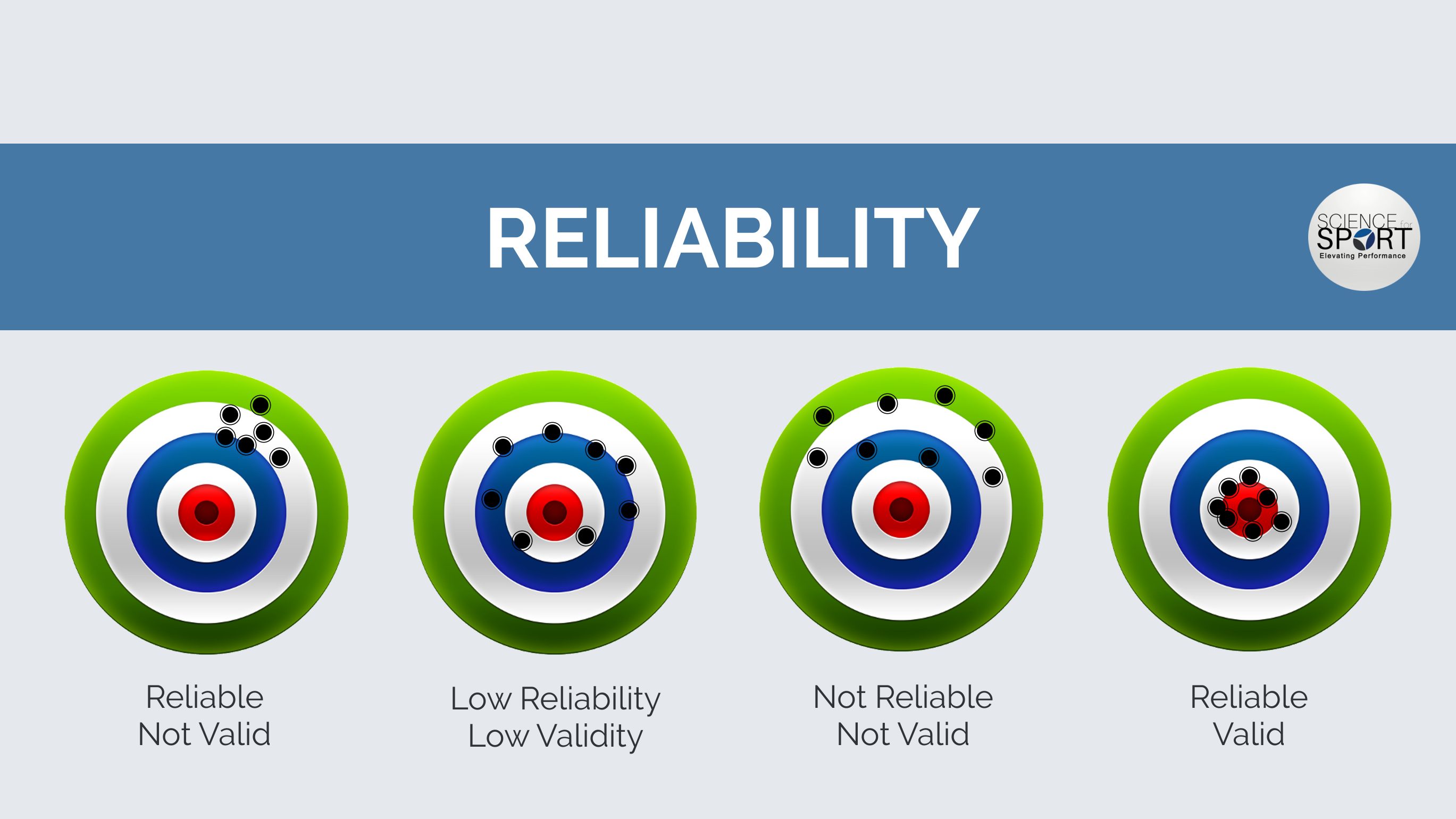
With regularly conducted research, the researcher involved expects similar results every time. Your design should indicate how to form research questions to ensure the standard of results. You’ll only be able to reach the expected results if your design is reliable.
Example: This problem has certainly affected the accuracy, RELIABILITY and validity of the results.
es: Fiabilidad
Research Design
Noun
Is the framework of research methods and techniques chosen by a researcher. The design allows researchers to hone in on research methods that are suitable for the subject matter and set up their studies up for success.
Example: Searching for an Appropriate RESEARCH DESIGN: A Personal Journey" Journal of Research Practice.
es: Diseño de la investigación
Research methodology
Noun
Research methodology simply refers to the practical “how” of any given piece of research. More specifically, it’s about how a researcher systematically designs a study to ensure valid and reliable results that address the research aims and objectives.
Example: RESEARCH METHODOLOGY, A Step by Step Guide for Beginners.
es: Metodología de investigación
Survey
Noun
Is a research method used for collecting data from a predefined group of respondents to gain information and insights into various topics of interest.
Example: SURVEY of Savanna chimpanzees (Pan troglodytes verus ) in southeastern Senegal.
es: Encuesta
Survey research
Noun
Is the collection of data attained by asking individuals questions either in person, on paper, by phone or online. Conducting surveys is one form of primary research, which is the gathering data first-hand from its source. The information collected may also be accessed subsequently by other parties in secondary research.
Example: Again this ethical problem would not arise for SURVEY RESEARCH as the information used would be directly from the individuals and organisation concerned and so respondents are likely to know that the findings will be viewed publicly.
es: Investigación de encuestas
Timeline
Noun
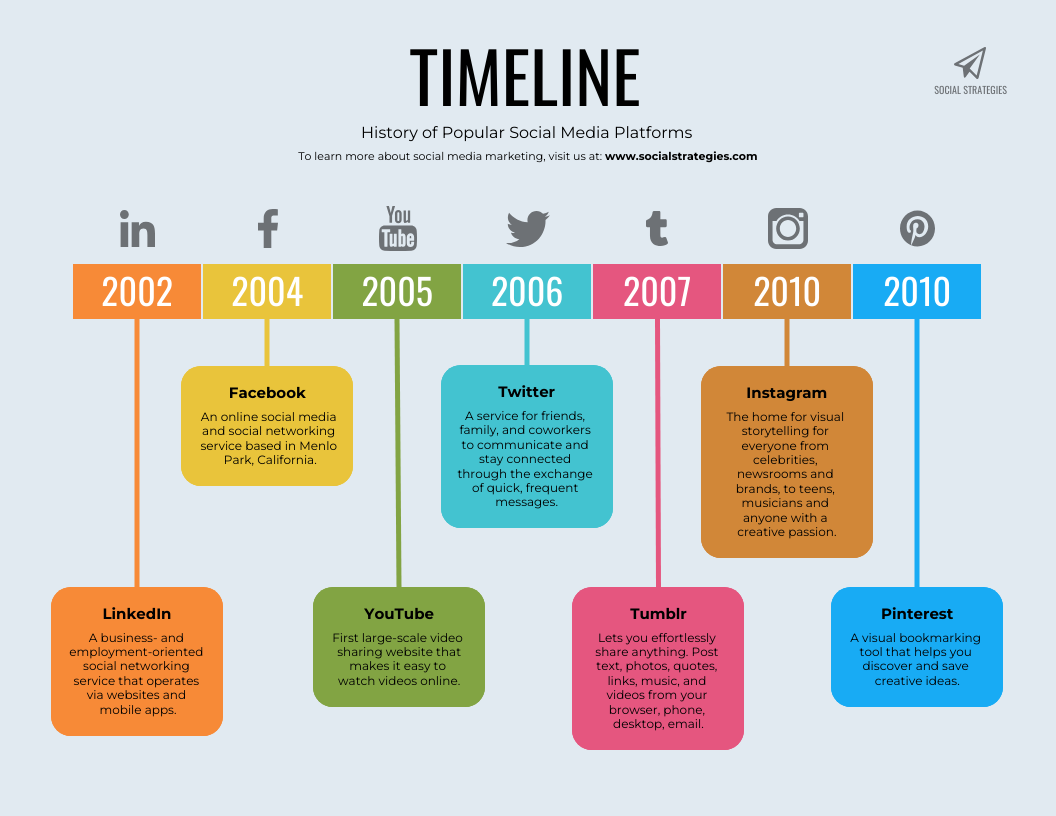
Is a table listing important events for successive years within a particular historical period
Example: By swapping the two VPs, the syntax is changed and therefore the TIMELINE is altered.
es: Cronología
Validity
Noun
Validity is the extent to which a test measures what it claims to measure. It is vital for a test to be valid in order for the results to be accurately applied and interpreted.
Example: The principle of "Malthusian Trap" will be discussed, following by an investigation on its VALIDITY nowadays.