15 glossary on definitions on some heat transfer pages terms
This glossary is a school activity, in this glossary I will use words from a book to relate to the terms in English
Boundary conditions
noun
a condition that is required to be satisfied at all or part of the boundary of a region in which a set of differential equations is to be solved.
Example: Why do we often use a rectilinear co-ordinate system to define our geometry and BOUNDARY CONDITIONS for a problem, and to define the solution for the stresses (and strains)?
en: Condiciones de borde
conditions at the surfaces,
conjunction
Surface condition defines how reflective, diffuse, bright, or muted a surface is. The smoother the surface, the more it reflects light and its environment. Uneven surfaces diffuse more light along their surface, providing little to no reflection
Example: Impedance boundary conditions for imperfectly conducting surfaces
en: condiciones en las superficies
Emissivity
verb
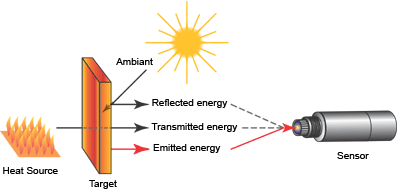
the relative power of a surface to emit heat by radiation : the ratio of the radiant energy emitted by a surface to that emitted by a blackbody at the same temperature
Example: Emissivity, formerly called emittance, is the proportion of thermal radiation emitted by a surface or object due to its temperature.
en: Emisividad
Energy balance
conjunction
An energy balance is a consideration of the energy input, output, and consumption or generation in a process or stage.
Example: This short paper represents key aspects of the surface ENERGY BALANCE examined during the morning of 19 th June 2006 within a meteorological enclosure.
en: Balance de energía
Heat conduction equation
phrase
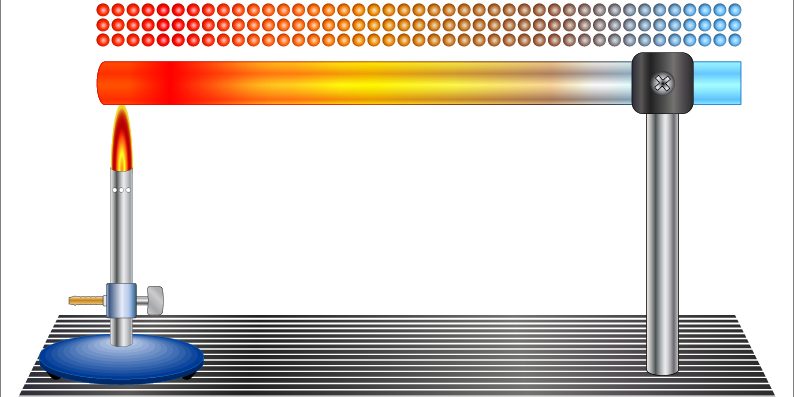
Heat conduction or energy transfer in the form of heat by conduction is a process of heat transmission based on direct contact between bodies, without material exchange,
en: Ecuación de conducción de calor
Heat flux
noun
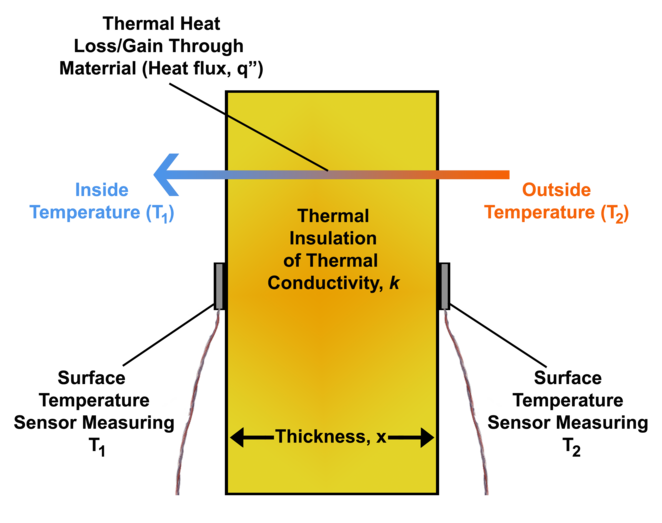
Heat flux or thermal flux, sometimes also referred to as heat flux density[1], heat-flow density or heat flow rate intensity is a flow of energy per unit of area per unit of time.
Example: Since values of the ground HEAT FLUX and net surface irradiance were previously estimated in the first experiment, by using the surface energy balance equation, a value of the surface latent HEAT FLUX, λE , were estimated.
en: Flujo de calor
Insulation
noun
material used to insulate something, especially a building.
Example: The high temperatures of 650°C - 700°C may still be enough to damage INSULATION and anneal the conductor though.
en: Aislamiento
Internal energy
noun
The internal energy of a thermodynamic system is the energy contained within it. It is the energy necessary to create or prepare the system in any given internal state.
Example: This means the system does work on its surroundings, and the change in INTERNAL ENERGY (U) is equal to the heat added (Q) plus the work done (W).
en: Energía interna
one-dimensional
adverb
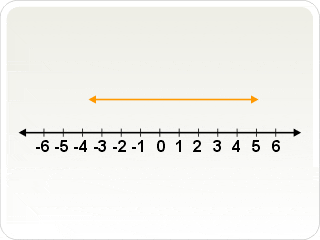
having or relating to a single dimension.
Example: It is clear that on a "ONE-DIMENSIONAL" level it can be applied to the decision-making processes of political power.
en: unidimensional
spherical coordinate
noun
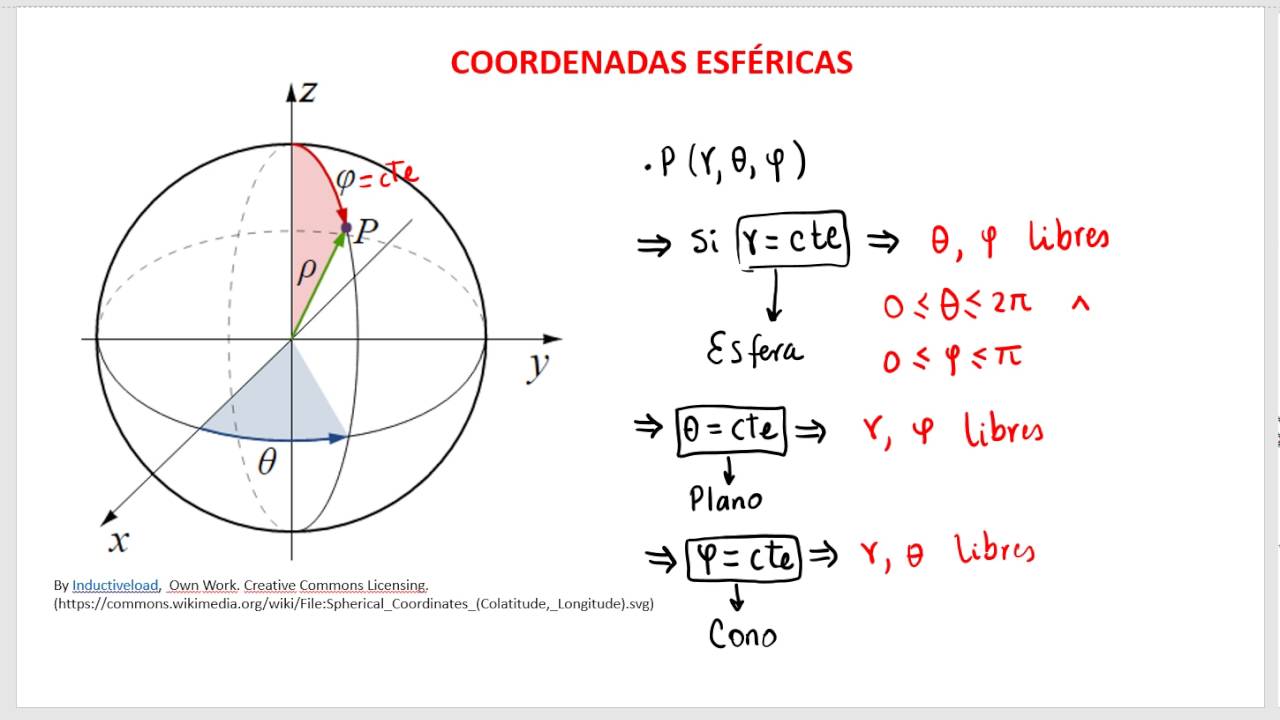
In mathematics, a spherical coordinate system is a coordinate system for three-dimensional space where the position of a point is specified by three numbers: the radial distance of that point from a fixed origin
Example: The spherical coordinate system is based on the same idea as polar coordinates and is used to determine the spatial position of a point using a distance and two angles
en: coordenada esférica
temperature distribution
noun
Temperature fields are calculated for different intensity distributions of the laser beam, possibly including a pulsed laser mode.
Example: The electron scatters whilst travelling far faster than the TEMPERATURE DISTRIBUTION would allow for, as so its velocity is brought back down rapidly.
en: distribución de temperatura
thermal conditions
adjective
The thermal environment refers to the things that can affect heat transfer at that point. Heat transfer is the process of thermal exchange between different systems.
Example: The objective of this project is to evaluate the thermal conditions in the workers of the production area in a bakery in the municipality of Cereté, in order to determine if the exposure values are within the permissible limits.
en: condiciones termicas
Thermal conductivity
phrase
Thermal conductivity is a physical property of materials that measures heat conduction capacity.
Example: The specific heat of the product and therefore its THERMAL CONDUCTIVITY are also factors.
en: Conductividad térmica
Thermal diffusivity
noun
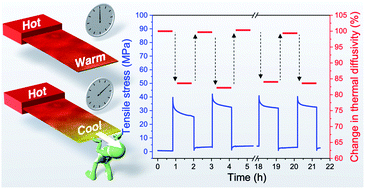
In heat transfer analysis, thermal diffusivity is the thermal conductivity divided by density and specific heat capacity at constant pressure.[1] It measures the rate of transfer of heat of a material from the hot end to the cold end. It has the SI derived unit of m2/s. Thermal diffusivity is usually denoted α but a, h, κ (kappa),[2] K,[3] and D are also used.
Example: Initial spore load: The severity of the process depends on the initial spore load; good factory hygiene keeps this low. 8.Thermophysical properties : The THERMAL DIFFUSIVITY is the controlling factor.
en: Difusividad térmica
Thermal symmetry
adjective
A heat transfer problem that is symmetric about a plane, line, or point is said to have thermal symmetry about that plane, line, or point.
Example: Another very important case, which can be used to solve heat transfer problems involving fuel rods, is thermal symmetry.