this glossary contains the words people can use to talk about a paramedic job, it describe the different equipment and meds we can use on the road to help us
aerobic metabolism
phrase
chemical and physical changes that take places within the cells in the presence of oxygen
Example: Since glycolysis yields 2 mol ATP mol glucose (in contrast to the production of ATP by aerobic metabolism which yields 36 mol ATP mol glucose), the carp maintains ATP level by increasing the rate of glycolysis.
fr: systeme aerobique
anaphylactic shock
noun
Collapse of the circulatory system function and decrease in blood pressure from an allergic reaction.
Example: Important differential diagnoses to exclude would include an acute infective exacerbation of COPD, pulmonary oedema (cardiac asthma), URTI, PE, pneumothorax, anaphylactic shock and airway obstruction by a foreign body or tumor.
fr: choc anaphylactique
anatomy
noun
the study of the structure of the body and the relationship of its parts to each other
Example: the anatomy of the human is really complex
fr: anatomie
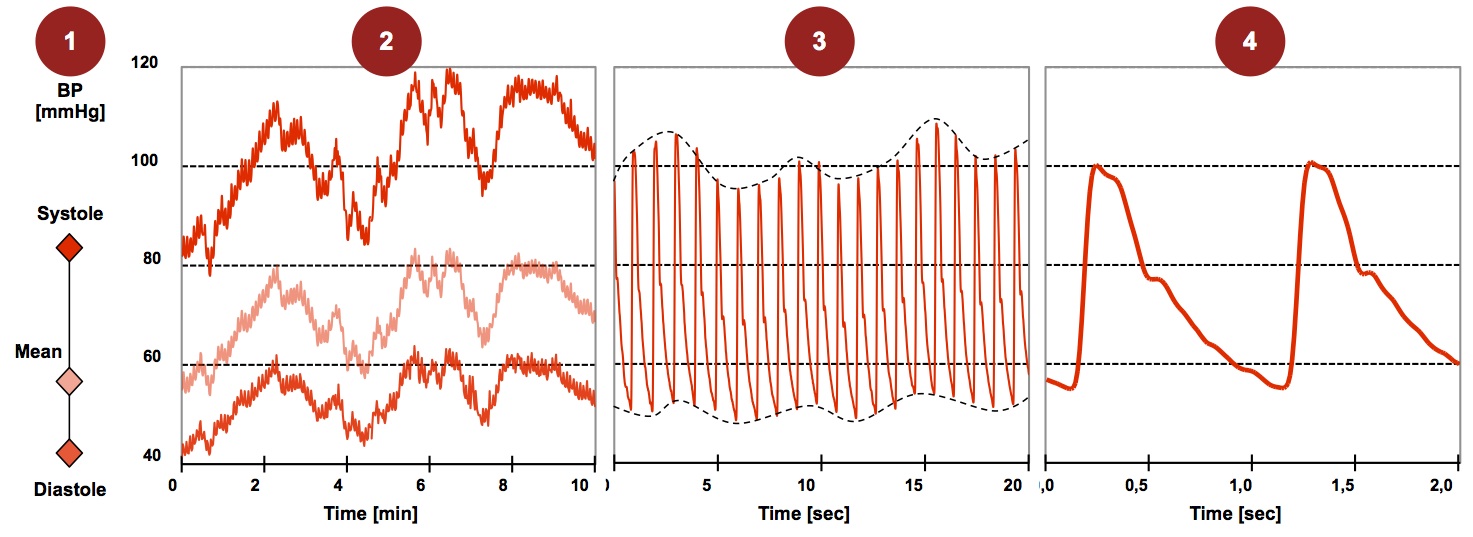
blood pressure
phrase
the force exerted by the blood on the interior walls of the blood vessels
Example: when you feel dizzy maybe you have a low blood pressure
fr: pression sanguine
burnout
noun
a condition resulting from chronic job stress, characterized by a state of irritability and fatigue that can markedly decrease effectiveness
Example: when you work a lot you can be tired and do a burnout
fr: burnout
cardiac arrest
noun
The sudden temporary or permanent cessation of the heart function. Fatal if not treated
Example: On her admission this time, Mrs was in a similar position and at risk of a cardiac arrest and it was a sensitive issue that needed to be discussed with the family.
fr: arrêt cardiaque
cardiovascular system
phrase
the body system that transports blood to all parts of the body. Includes the heart, blood vessels, and blood. Also, called the cardiovascular system.
Example: when you have heart problem you can have cardiovascular problems also
fr: systeme cardiovasculaire
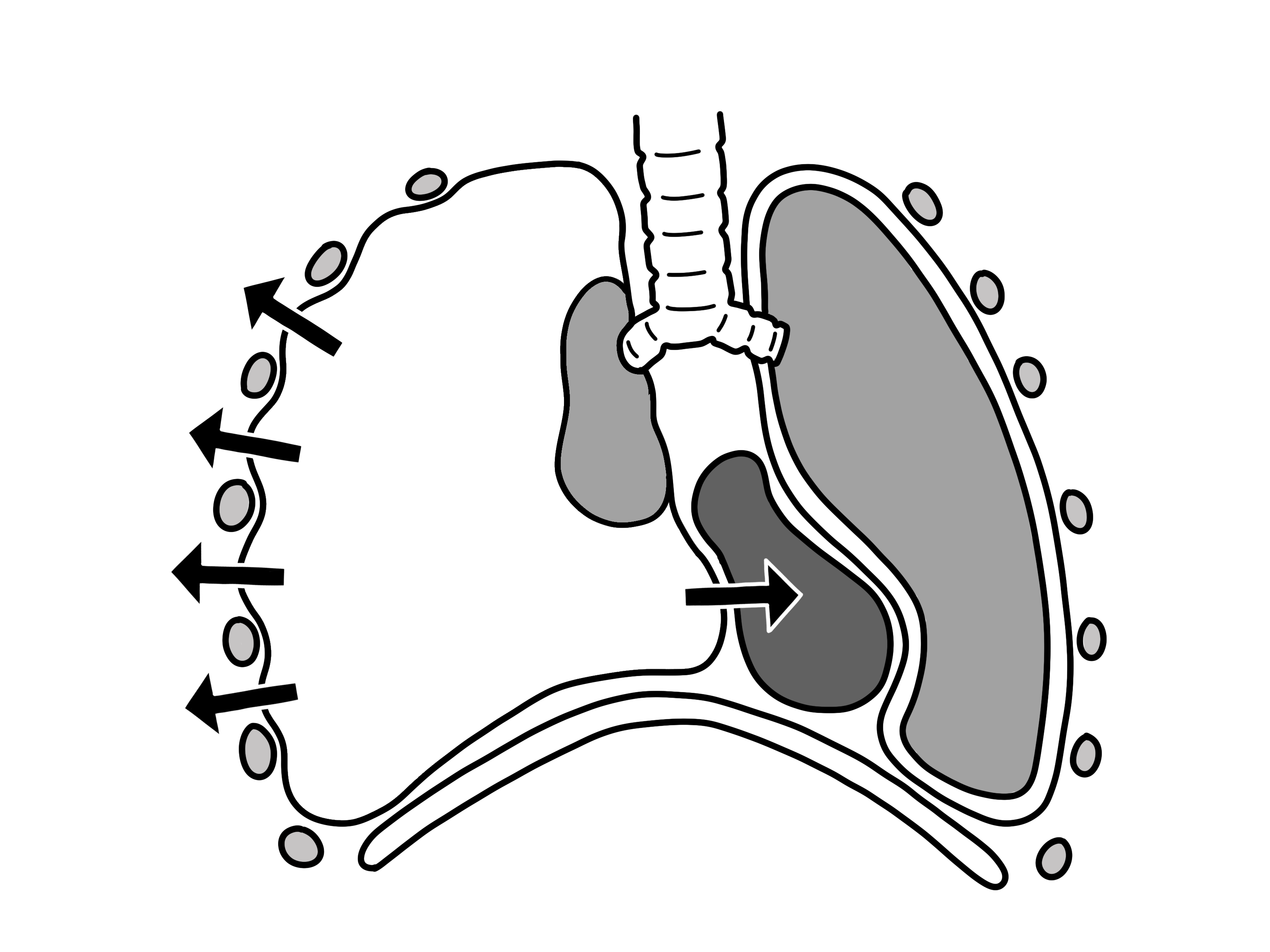
collapsed lung
adjective and noun
A collapsed lung occurs when air escapes from the lung. The air then fills the space outside of the lung, between the lung and chest wall. This buildup of air puts pressure on the lung, so it cannot expand as much as it normally does when you take a breath.
Example: when the lungs crash and it's difficult to breathe it can be a collapsed lung
fr: collapsus pulmonaire
do not resuscitate order
phrase
a legal document, usually signed by the patient and his physician, that indicates to medical personnel which, if any, life-sustaining measures should be taken when the patient's heart and respiratory functions have ceased.
Example: Charlotte Wyatt, due to her intensive care needs and poor prognosis, was issued with a 'do not resuscitate order' (DNRO), so that in the event of respiratory arrest, she would not be revived.
fr: ne pas reanimer
drugs
noun
A medicine or other substance which has a physiological effect when ingested or otherwise introduced into the body.
Example: EMTs are trained to administer certain kinds of drugs to patients. For example, they have albuterol for asthma sufferers, nitroglycerine for patients with heart disease and epinephrine in case of allergic reaction. EMTs use anesthetics like lidocaine or even morphine.
fr: medicament
duty to act
noun
the obligation to care for a patient who requires it.
Example: A duty to act is a legal duty requiring a party to take necessary action to prevent harm to another person or to the general public
fr: devoir d'agir
midclavicular
adjective
refers to the center of the collarbone
Example: he had an accident and broke his midclavicular
fr: midclaviculaire
nervous system
phrase
the body system including the brain, spinal cord, and nerves that controls the voluntary and involuntary activity of the human body.
Example: when you feel something or hurt yourself on something it's because of your nervous system
fr: systeme nerveux
paramedic
noun
a person trained giving emergency medical care to people who are injured or ill, typically in a setting outside of a hospital.
Example: ambulance paramedics can stabilize patient on the way to hospital. He is being treated by paramedics at the scene of the accident.
fr: paramedical
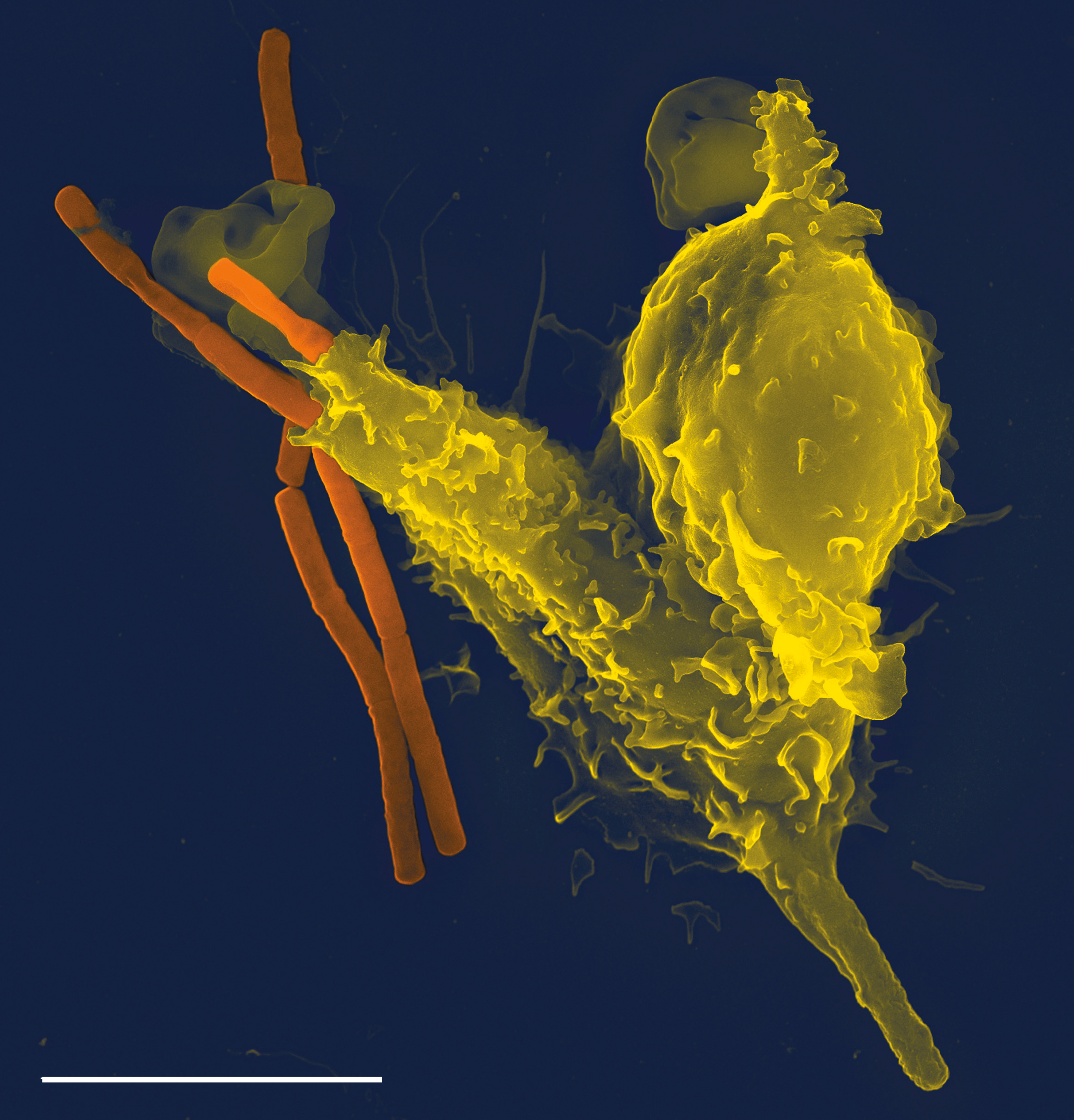
pathogens
noun
microorganisms such as bacteria and viruses that cause disease
Example: This is a weed that was introduced to Australia from Europe with no pathogens that were specific to it.
fr: pathogenese
pulse
noun
the wave of blood propelled through the arteries as a result of the contraction of the left ventricle.
Example: you put your hand on your wrist you can feel your pulse
fr: pouls
respiratory system
phrase
the organs involved in the exchange of gases between an organism and the atmosphere
Example: Asthma In The respiratory system at a glance.
fr: systeme respiratoire
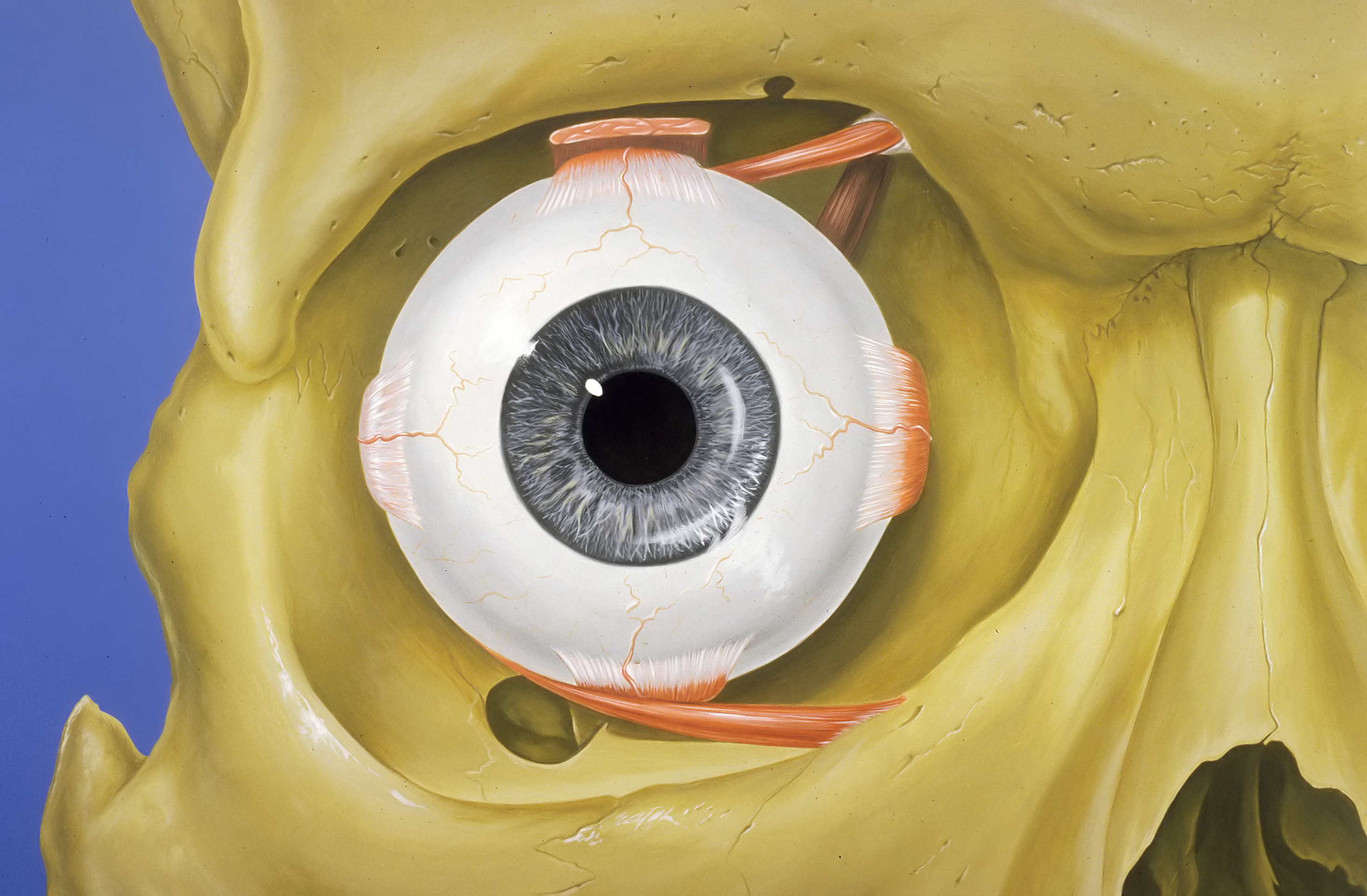
skull
noun
the bony structure at the top of the spinal column that houses and protects the brain. The skull has two parts, the cranium and the face.
Example: he had an accident and crashed his skull
fr: crane
thorax
noun
the chest, or that part of the body between the base of the neck and the diaphragm.
Example: the thorax is in the center of your body
fr: thorax
triage
noun
This paramedic term involves the prioritizing of medical response according to the severity of the patient's condition or injury.
Example: It is a tool that is probably more useful in triage situations to establish priorities or perhaps even to give support to a lone practitioner unsure of a course of action to take for instance, when delivering emergency first aid.