Hello, my name is Sirine Hammami. I live in Laval. I have been studying Arts, Literature and Communication in the Language profile for two semesters at Montmorency College. My field of study is Anthropology. This glossary could be useful for the students in my program as well as anybody interested in Anthropology. The words in this glossary are related to the field of Anthropology and are important because they are frequently used. These terms are the key to understand Anthropology. This word bank has been invented for educational and informational purposes only.
aboriginal
adjective
Inhabiting or existing in a land from the earliest times or from before the arrival of colonists; indigenous.
fr: aborigène
Anthropology
noun
The study of humankind.
Example: Leonardo Da Vinci was an anthropologist.
fr: anthropologie
autochthon
noun
An indigenous inhabitant of a place rather than inhabitants descended from migrants or colonists; an aborigine.
fr: autochtone
clan
noun
A group in which genealogical links to a common ancestor assumed.
Example: The Clan Mackenzie was emphasized on the TV series Outlander.
fr: clan
craft
noun
An activity involving skill in making things by hand.
fr: artisanat
cultural relativism
noun
The principle that an individual human's beliefs and activities should be understood by others in terms of that individual's own culture.
fr: relativisme culturel
culture
noun
The learned patterns of behaviour and thought that help a group adapt to it's surroundings.
fr: culture
discrimination
noun
The act of distinguishing differences between people and showing favoritism or prejudicial rejection of them.
fr: discrimination
enculturation
noun
The gradual acquisition of the character- istics and norms of a culture or group by a person, another culture, etc.
fr: acculturation
ethnic group
noun
A category or group of people considered to be significantly different from others in terms of cultural and sometimes physical characteristics.
fr: groupe ethnique
Ethnology
noun
The study of the characteristics of various peoples and the differences and relationships between them.
fr: Ethnologie
extinction
noun
When a culture dies out.
fr: extinction
First Nation
noun
An indigenous American Indian community in Canada officially recognized as an administrative unit by the federal government.
fr: Premières Nations
homo erectus
noun
An extinct species of primitive hominid with upright stature but small brain, living between 1.9 million years ago and 70.000 years ago.
fr: Homo erectus
homo habilis
noun
An extinct species of upright East African hominid having some advanced humanlike characteristics living between 2.8 and 1.5 million years ago.
fr: Homo habilis
homo sapiens
noun
The only surviving hominid species to which modern man belongs.
fr: Homo sapiens
nationalism
noun
Extreme loyalty and devotion to a nation and its interests, usually at the expense of other nations or societies.
fr: nationalisme
neolithic
adjective
Belonging to the later part of the Stone Age, when ground or polished weapons and implements prevailed.
fr: néolithique
qualitative research
noun
The gathering of data by observing behaviour such as conversations, nonverbal communications, rituals, displays of emotions--behaviour that cannot easily be expressed in terms of numbers.
fr: recherche qualitative
racism
noun
Harmful prejudice, discrimination, and persecution based on presumed ethnic or racial differences.
fr: racisme
religion
noun
A set of attitudes, beliefs, and practices pertaining to supernatural power.
fr: religion
ritual
adjective
A religious or solemn ceremony consisting of a series of actions performed according to a prescribed order.
fr: rituel
Shamanism
noun
The animistic religion of Asia that embrace the belief that ritual specialists can communicate with and influence supernatural beings or forces through controlled possessions.
fr: chamanisme
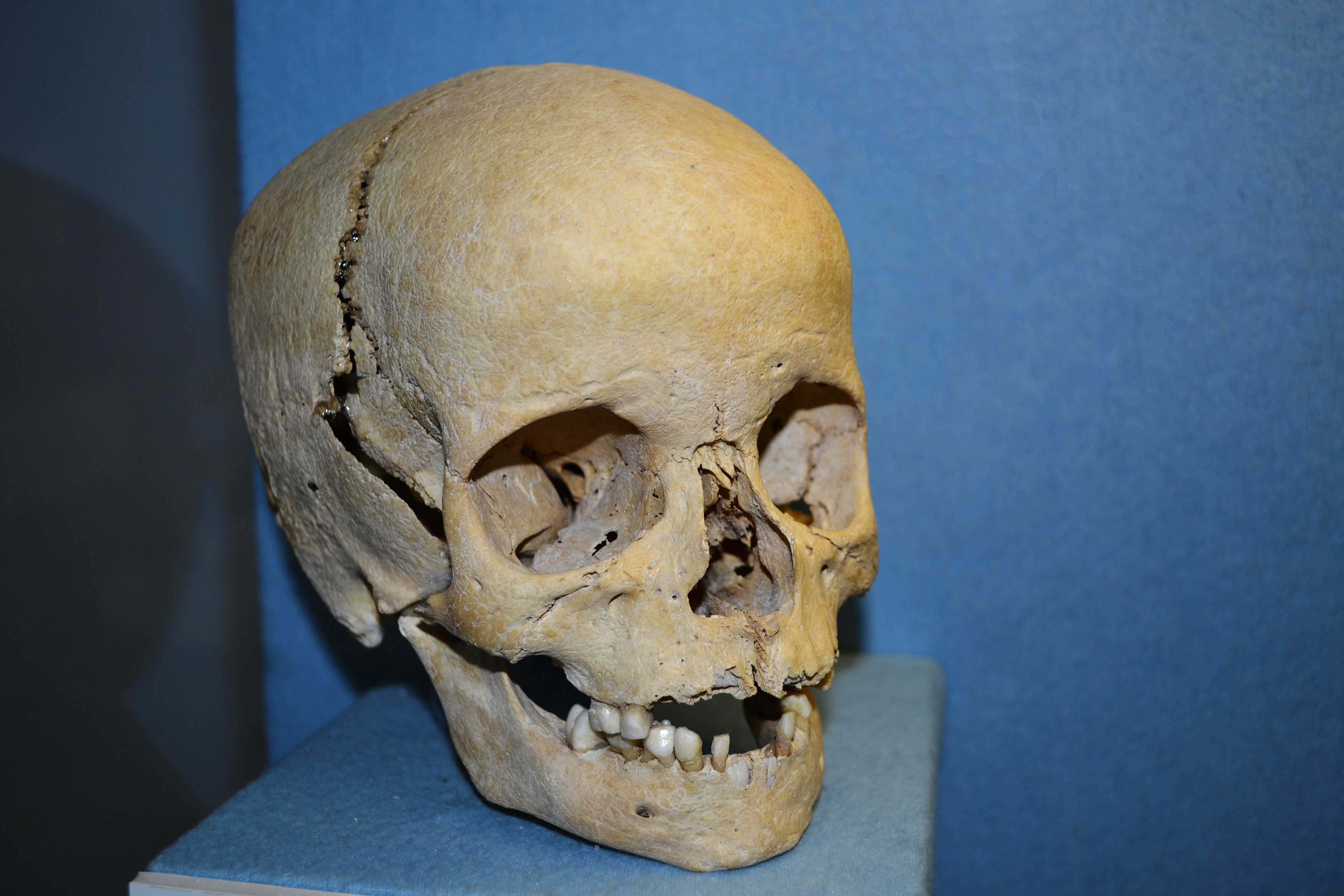
skull
noun
A framework of bone or cartilage enclosing the brain of a vertebrate; the skeleton of a person's or animal's head.