Hi, my name is Audree, and I have been studying in the Prehospital Emergency Care program for almost two years now. This program is for people who want to become a paramedic. A paramedic's job is to respond in emergency situations, whether medical, traumatic and even sometimes psychological. This glossary will help people who wish to enter this program or people who are interested in this field to understand some of the words that paramedics use every day.
I took my definitions from the manual named ''Actively Engaged Online'' made by Nicholas Walker.
adrenaline
noun
A hormone secreted by the adrenal glands, esp. In conditions of stress, increasing rates of blood circulation, breathing, and carbohydrate metabolism and preparing muscles for exertion.
Example: Muscular activity or its anticipation leads to the release of adrenaline from the adrenal medulla.
en: adrénaline
anaphylactic shock
noun
Exaggerated allergic reaction that can lead to death.
Example: I am allergic to nuts. I get anaphylactic shock when I eat it.
en: choc anaphylactique
angina
noun
A condition marked by severe pain in the chest, often also spreading to the shoulders, arms and neck, caused by an inadequate blood supply to the heart.
Example: The pain was described by Mr as an "angina-like" central crushing chest pain.
en: angine
anisocoria
noun
A condition characterized by an unequal size of the eye's pupils. Affecting 20% of the population, it can be an entirely harmless condition or a symptom of more serious medical problem.
Example: One of the symptoms of a concussion is anisocoria.
en: anisocorie
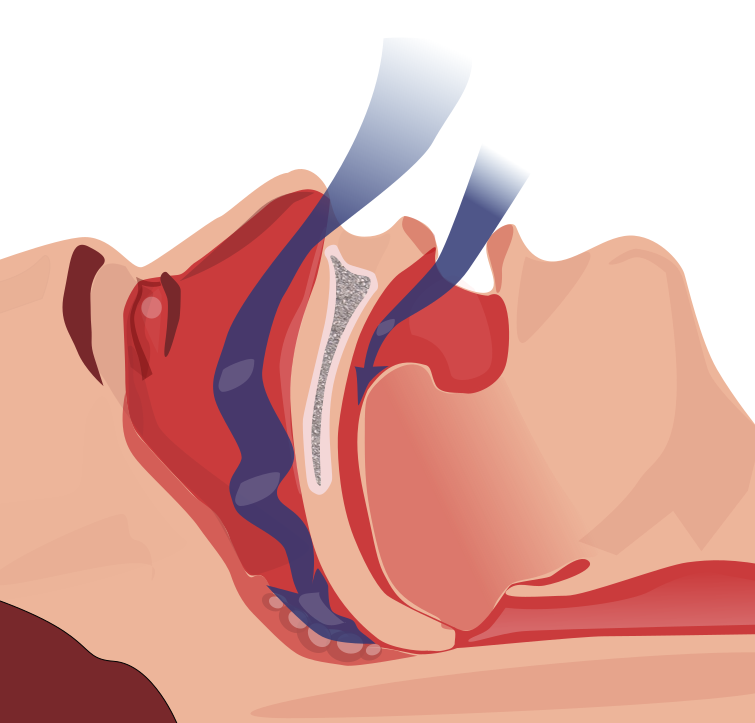
apnea
noun
Temporary cessation of breathing.
Example: Many people have sleep apnea.
en: apnée
arterial pressure
noun
Arterial pressure is the force exerted by the blood against the walls of the arteries, it tends to artery wall.
Example: Arterial pressure helps to know if the person is healthy.
en: pression artérielle
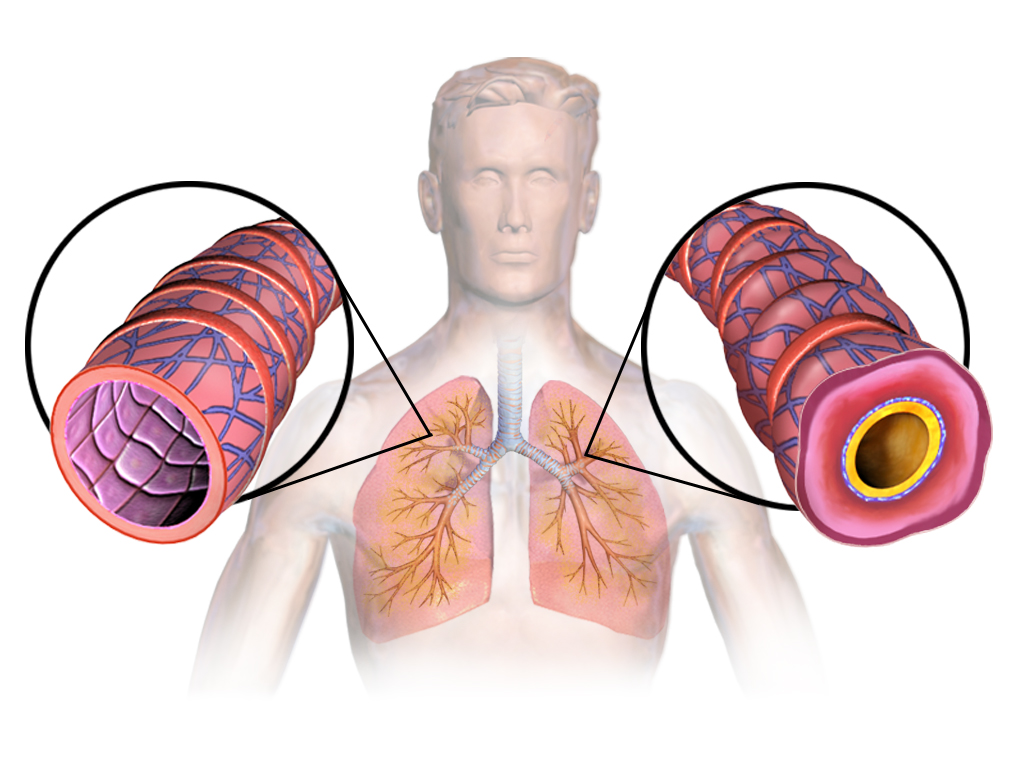
asthma
noun
A respiratory condition marked by spasms in the bronchi of the lungs, causing difficulty in breathing. It usually results from an allergic reaction or other forms of hypersensitivity.
Example: Some workers may have some particular reactions such as asthma and skin reactions.
en: asthme
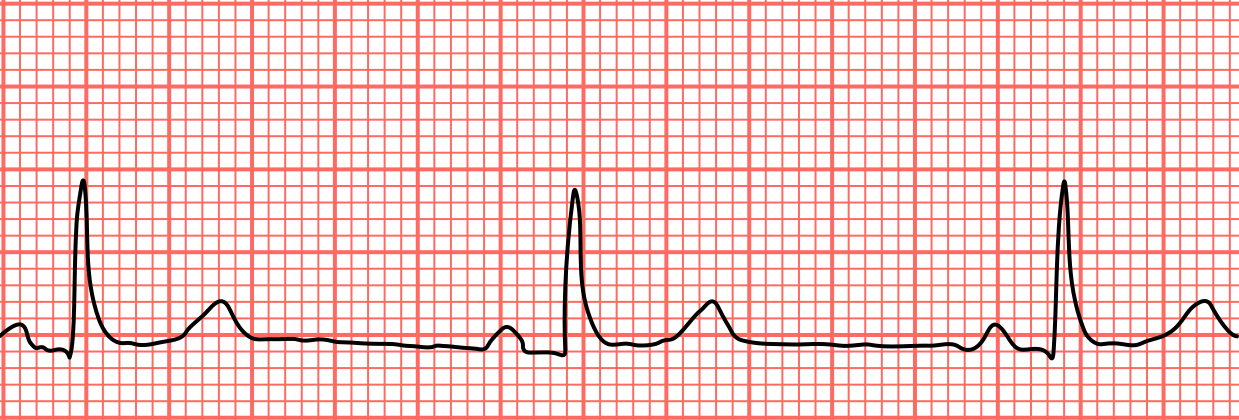
bradycardia
noun
A slowing of the heart rate to less than 50 beats per minute.
en: bradycardie
cardiac arrest
noun
A sudden, sometimes temporary, cessation of function of the heart.
Example: He died of a cardiac arrest.
en: arrêt cardiaque
combitube
noun
A blind insertion airway device used in the pre-hospital and emergency setting. It is designed to provide an airway to facilitate the mechanical ventilation of a patient in respiratory distress.
Example: The paramedic had to insert a combitube when he stops breathing.
en: combitube
CPR / cardiopulmonary resuscitation
noun
Emergency medical procedures for restoring normal heartbeat and breathing to victims of heart failure, drowning, etc.
Example: The paramedic had to do CPR to save him.
en: RCR / réanimation cardiorespiratoire
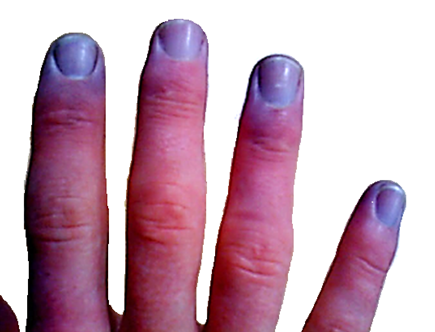
cyanosis
noun
A bluish discoloration of the skin resulting from poor circulation or inadequate oxygenation of the blood.
Example: After choking, he had cyanosis.
en: cyanose
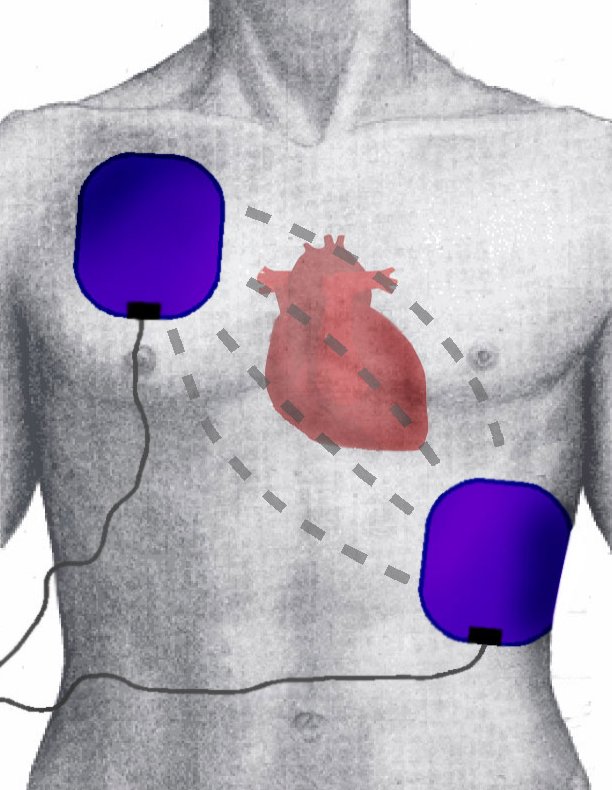
defibrillation
noun
The stopping of fibrillation of the heart by administering a controlled electric shock in order to allow restoration of the normal rhythm.
Example: Of relevance to heart attacks are the following aims, people should receive defibrillation from a trained individual within 8 minutes of calling for help if required.
en: défibrillation
diabetes
noun
A metabolic disease in which the body's inability to produce any or enough insulin causes elevated levels of glucose in the blood.
Example: Obesity is a factor that promotes the development of diabetes.
en: diabète
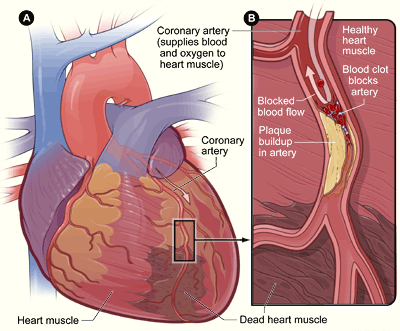
embolism
noun
Obstruction of an artery, typically by a clot of blood or an air bubble.
Example: Prolonged immobilization is a factor that promotes the development of embolism.
en: embolie
epistaxis
noun
Bleeding from the nose.
Example: An uncontrollable epistaxis can be dangerous.
en: épistaxis
glucagon
noun
A hormone produced in the pancreas when glucose in the blood is low. It helps the body raise glucose levels.
Example: Both infection and respiratory failure would promote secretion of glucagon, cortisol, and catecholamines.
en: glucagon
hypoxia
noun
Deficiency in the amount of oxygen reaching the tissues.
Example: Other signs associated with hypoxia may also occur in life-threatening attack such as cyanosis, exhaustion and confusion.
en: hypoxie
miosis
noun
Excessive constriction of the pupil of the eye.
en: myosis
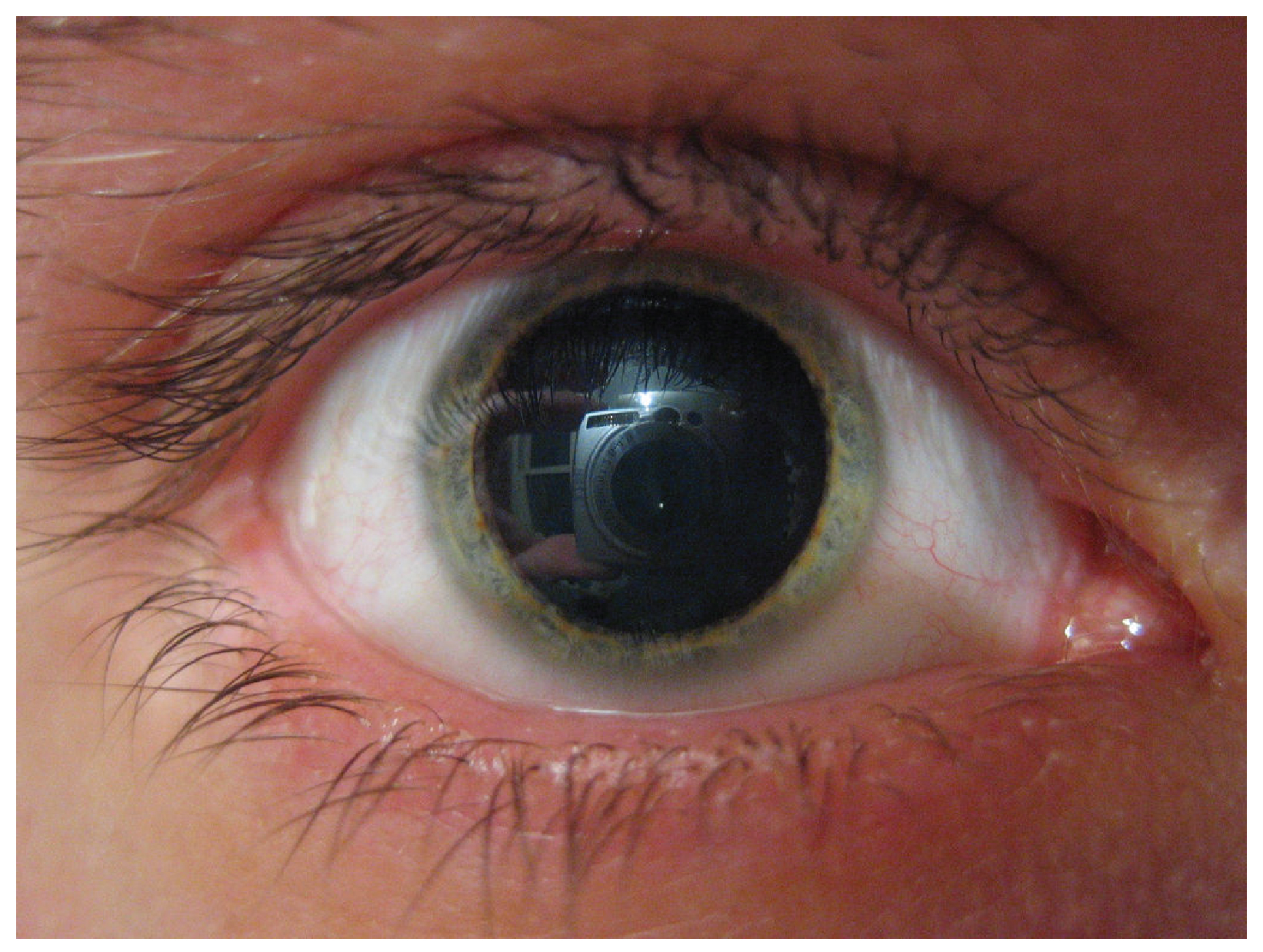
mydriasis
noun
Dilation of the pupil of the eye.
en: mydriase
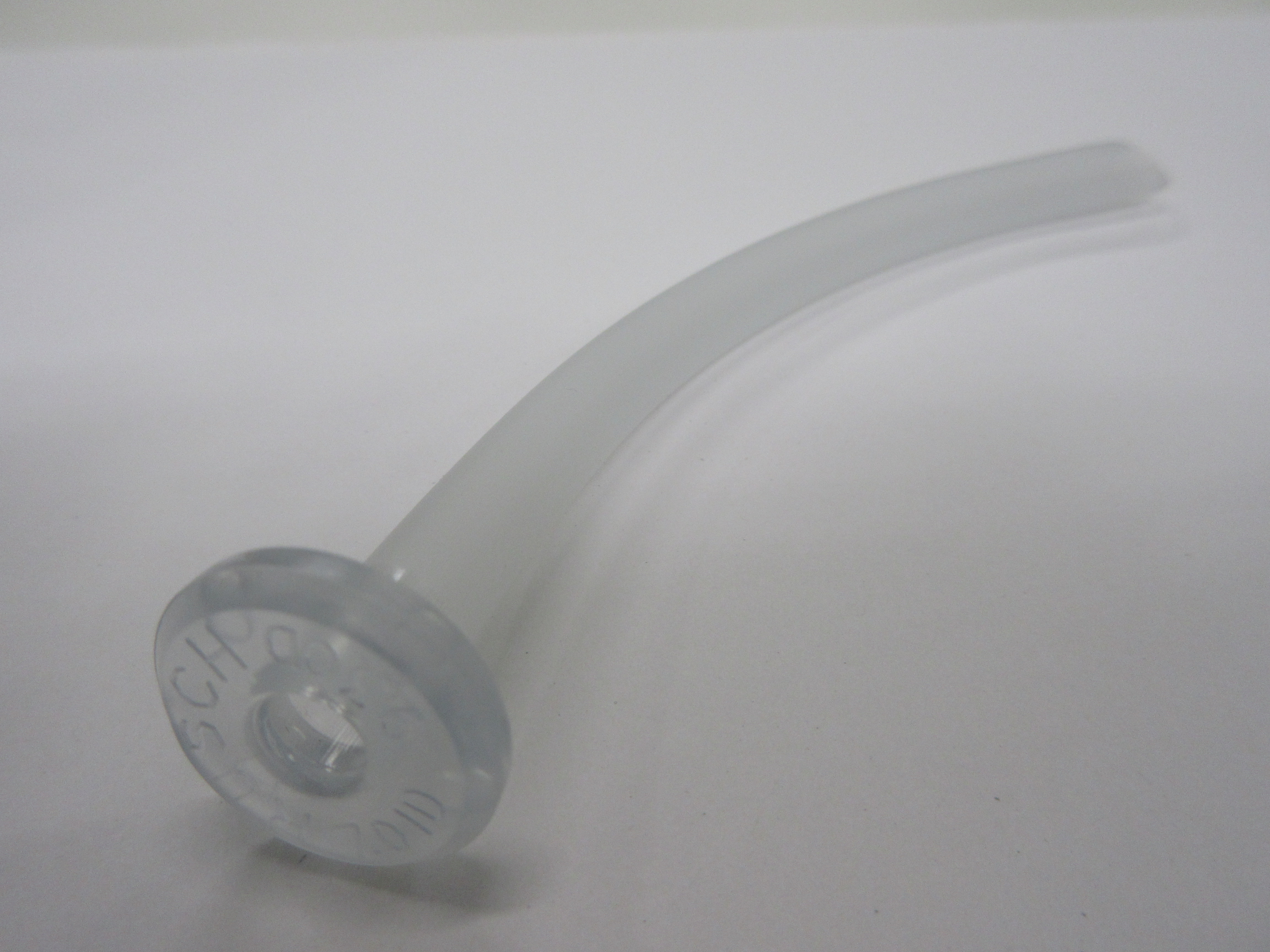
nasopharyngeal airway
noun
A short tube which is designed to be inserted through the nose to secure the airway of a patient who requires medical attention.
en: canule nasopharyngée
oropharyngeal cannula
noun
An object used to keep the respiratory tract open for an unconscious patient.
en: canule oropharyngée
paralysis
noun
The loss of the ability to move in part or most of the body, typically as a result of illness, poison, or injury.
Example: His patient had paralysis to the right-hand side and severe language problems.
en: paralysie
pneumothorax
noun
The presence of air or gas in the cavity between the lungs and the chest wall, causing collapse of the lung.
en: pneumothorax
salbutamol
noun
A sympathomimetic agent used as a bronchodilator, especially in the treatment of asthma.
Example: Paramedics use salbutamol to help people in respiratory distress.
en: salbutamol
sphygmomanometer
noun
An instrument for measuring blood pressure and especially arterial blood pressure.
Example: Paramedics use a sphygmomanometer to calculate the arterial blood pressure.
en: sphygmomanomètre
spinal shock
noun
It is a loss of sensation accompanied by motor paralysis with initial loss but gradual recovery of reflexes, following a spinal cord injury most often a complete transection.
Example: He had a spinal shock after his car accident.
en: choc spinal
tachycardia
noun
An abnormally rapid heart rate.
en: tachycardie
tourniquet
noun
A device for stopping the flow of blood through a vein or artery, typically by compressing a limb with a cord or tight bandage.
Example: Paramedics used a tourniquet to stop his bleeding.
en: tourniquet
vital signs
noun
They are measures of various physiological statistics in order to assess the most basic body functions.
Example: Paramedics take vital signs to assess patient stability.