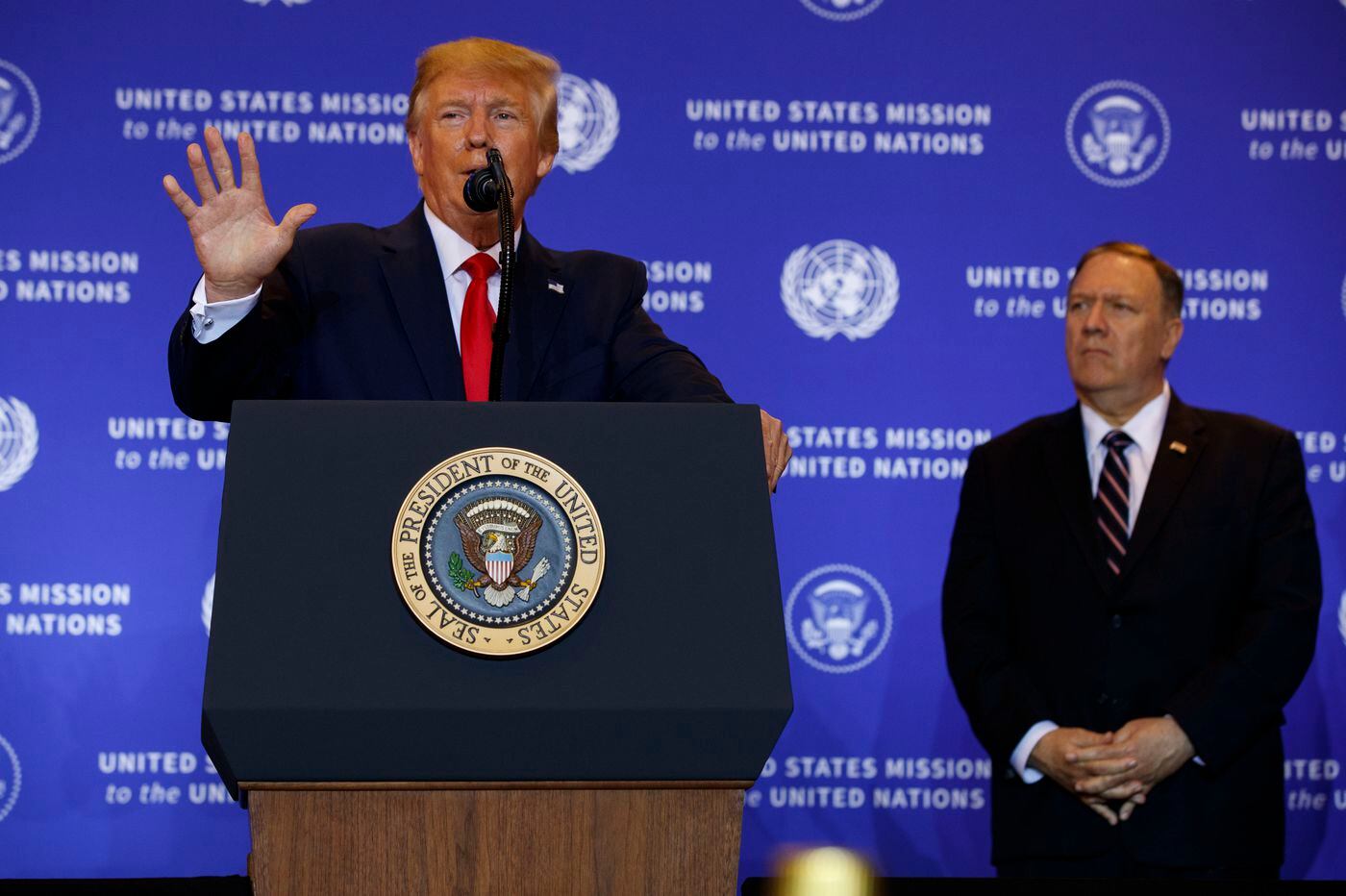
I made this glossary to show you some terms used in politics that may not be easy to understand and that is actually in the news!
With this glossary, you will be more understanding of what's showed and said in politics or the medias
Campaign
An organized effort to win an election. To strive for elected office
fr: Campagne électorale
Convention
A national meeting of a political party, where delegates formally elect a party's nominee
GOP
Grand Old Party, nickname of the Republican Party
Ideology
An integrated system of ideas about politics, values, and culture. Those who espouse an ideology are sometimes criticized as rigid and narrow-minded
Impeachment
(especially in the US) a charge of misconduct made against the holder of a public office.
The action of calling into question the integrity or validity of something.
"the prosecutor's detailed impeachment of the character witness"
fr: mise en accusation
Left-wing
Liberal. The labeling system originated from the seating pattern of the French National Assembly, which put liberals on the left, moderates in the middle, and conservatives on the right
Nomination
When a political party chooses its official candidate for a particular office
Nominee
The candidate chosen by a political party to run for a particular office
Poll
A survey used to gauge public opinion concerning issues or to forecast an election
Primary
A state election in which party members vote for a candidate from within their party. The vote determines how many of that state's delegates each candidate gets.
Right-wing
the conservative or reactionary section of a political party or system.
Silent Majority
The mass of Americans whose opinions are not loud and public, but who together have enormous power. Popularized by President Richard Nixon, who claimed that Vietnam War protesters comprised a minority, while a "silent majority" supported the war.
Swing Vote
The undecided, usually independent, portion of the electorate that can "swing" the outcome of an election one way or the other
Trial Balloon
An idea a politician suggests in order to observe the reaction. If public reaction is favorable, the politician takes credit for it; if not, the idea dies quickly.
Whistle-Stopping
The practice of making speeches in many towns in a short time, often during a single day. When politicians traveled by train, small towns were called whistle-stops. Politicians would use the stop to deliver a quick campaign speech, often from the back of the train, before heading to the next stop.