14 Words that we use in business circumstances. terms
This will help clarify some words that can have many senses about business management. It would help people that knew in this field.
abstract
noun
The notes or a concise summary of the transactions affecting the property. This is made by a title examiner based on his examination of the land records. A binder is produced by the title agency from the information in the abstract.
en: résumé
account
noun
A record of the business transactions are referred to as accounts.
Example: This team, also including representatives from throughout the organization, should then collaboratively implement the new system by taking into account the needs of each department in addition to those of the organization.
en: compte
asset
noun
Property owned by a person or company, regarded as having value and available to meet debts, commitments, or legacies.
Example: The company reported total assets worth $1.9 million.
en: actif
average
noun
The arithmetic mean of certain chosen stocks, which are intended to represent the behavior of the market or some component of it, is known as the average.
Example: For the businesses, RSI causes considerable costs due to workers' compensation (an average of $29,000 per claim according to the National Council on Compensation Insurance.
en: moyenne
capitalization
noun
The long-term financing amounts and terms used by a firm includes within its folds, things like common stock, preferred stock, retained earnings, and long-term debt.
Example: However, it’s not as good for companies that want to pay as little in taxes as possible (business expenses are tax-deductible; capitalized assets are not).
en: capitalisation
corporation
noun
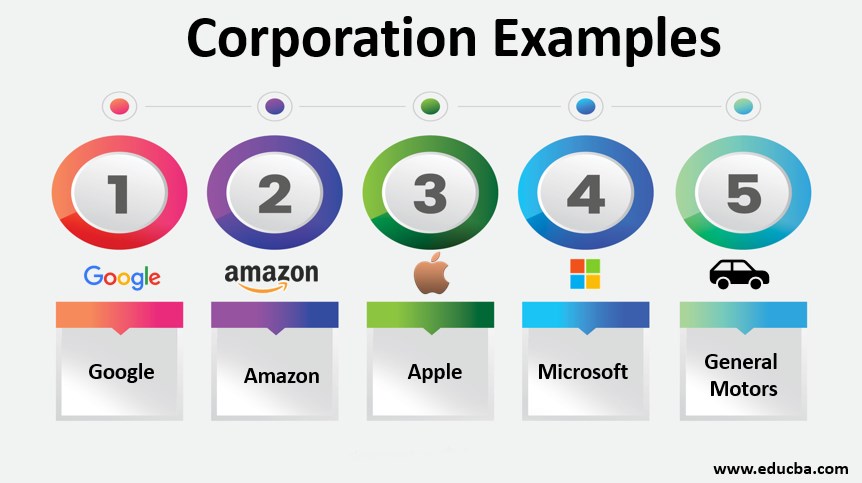
A product of corporate law, corporations are legal entities separate from the persons who own them or the persons who manage or operate one. (a company or group of people authorized to act as a single entity (legally a person) and recognized as such in law.)
Example: For some Hoopoe employees, the prospect of becoming part of a large and reputable corporation intending to diversify its range of interests may be exciting and stimulating.
en: société
entrepreneurship
noun
Entrepreneurship is a process by which entrepreneurs assemble resources which include innovations, finance, and business acumen, in an effort to transform innovations into economic goods.
Example: "the new business opportunities have encouraged entrepreneurship on a grand scale".
en: entrepreneuriat
franchising
noun
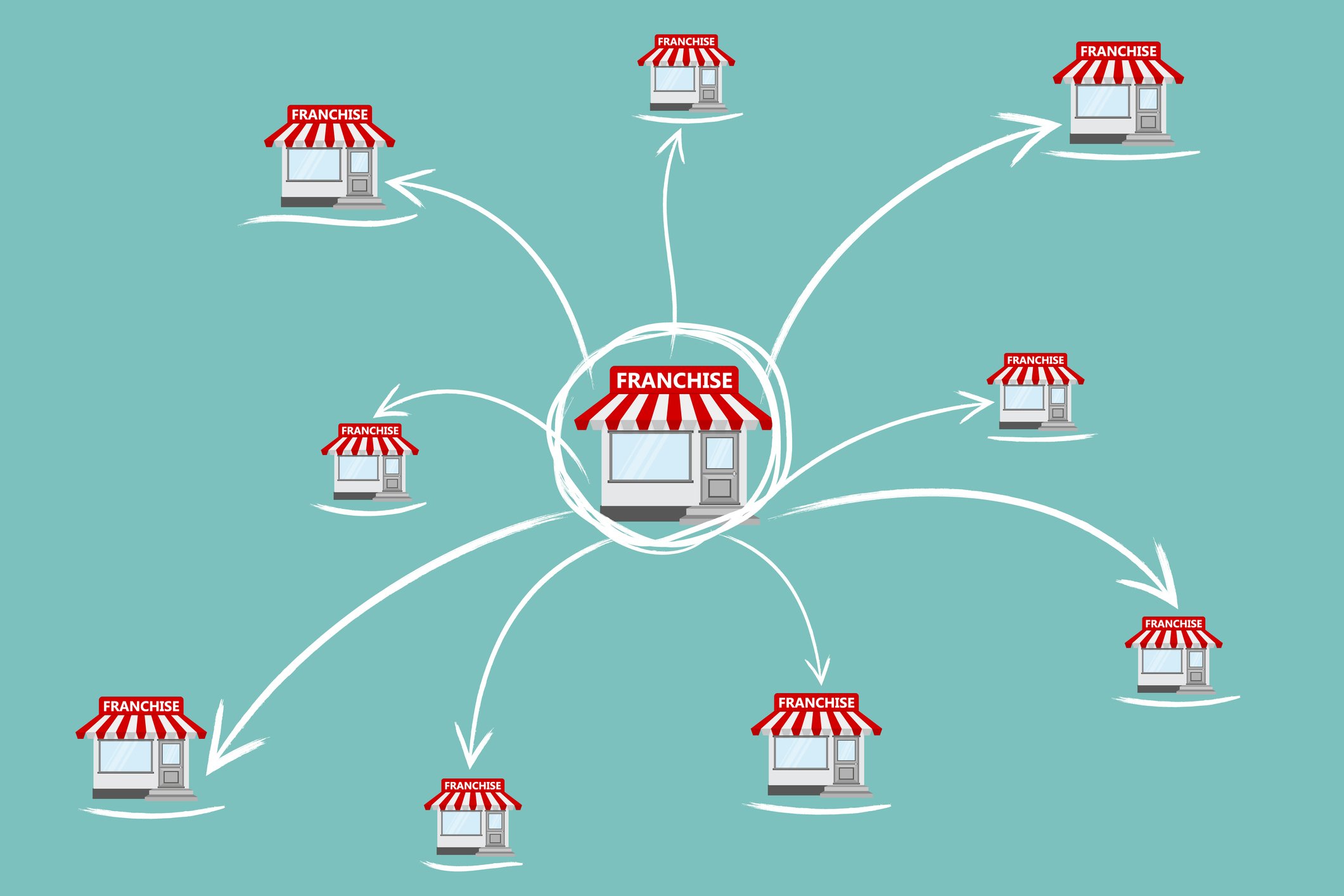
Franchising is a business arrangement by which a franchiser grants the operator of the business to use various of its assets (tangible and intangible) like its products, techniques, and trademarks for a percentage of gross monthly sales and a royalty fee.
Example: In fact, MNCs generally do not own such assets but co-ordinate and control operations through licensing, joint ventures, franchising, sub-contracting, and strategic alliances.
en: franchisage
innovation
noun
Innovation is the process of evolution and introduction of a new idea, products, services, or organizational processes. It can also be defined as the application of an invention, resulting from studies and experimentation for the creation of something new.
Example: Innovation is crucial to the continuing success of any organization.
en: innovation
inventory
noun
The list of merchandise, raw materials, and goods of a company.
Example: Increase Sales Force by 30 R&D possibilities of entering Vodite market Lower production levels to reduce inventory.
en: inventaire
investor
noun
A person who makes an investment in securities for acquiring certain financial gains.
Example: "foreign investors in the British commercial property sector".
en: investisseur
liquidation
noun
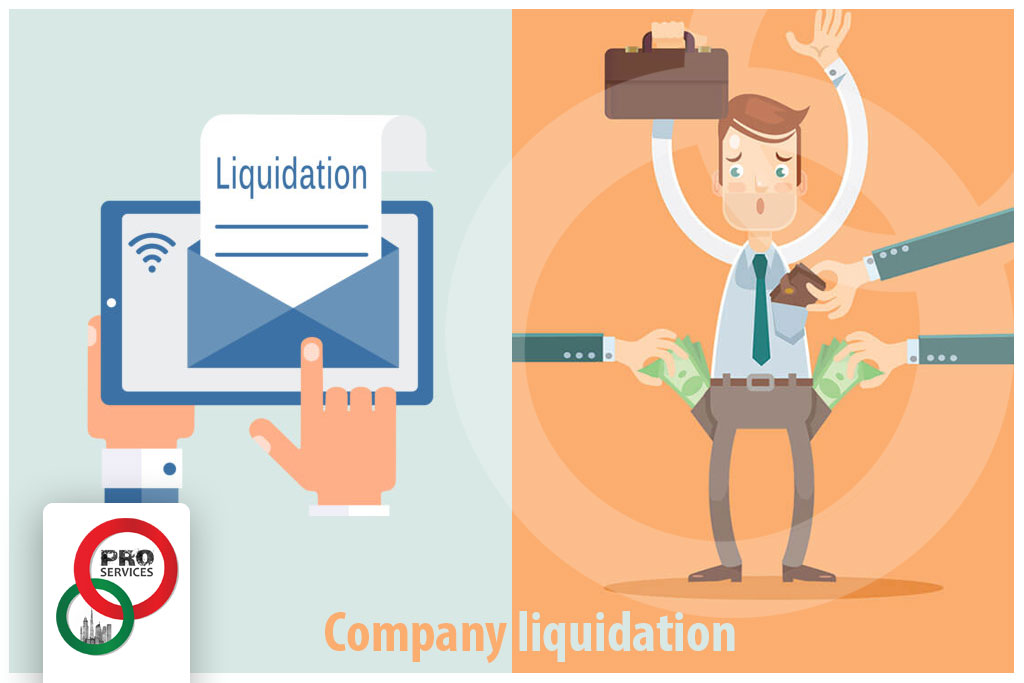
The process of winding up or dissolution of a business and the subsequent redistribution of its assets and property is known as liquidation.
Example: The company avoided liquidation thanks to a big state subsidy.
en: liquidation
portfolio
noun
A financial portfolio is an aggregation of all the investments, real or financial.
Example: Similarly, the ratio of volatile capital flows (defined to include cumulative portfolio inflows and short-term debt) to reserves declined from 146.6 percent as at end-March 1991 to 38.2 percent at end-March 2003 (International Financial Statistics, Budget reports).
en: portefeuille
telemarketing
noun
Telemarketing is a direct marketing method through which products and services of a company are promoted among consumers over the telephone.