1. It drastically reduces plastic waste and pollution

Single-use water bottles are among the most common items found in landfills and oceans. They can take up to 450 years to decompose, breaking down into harmful micro plastics that contaminate soil, water, and wildlife. By using one reusable bottle, you can prevent hundreds of disposable bottles from being produced and discarded each year. Over time, this drastically reduces the amount of plastic entering ecosystems, protecting marine life and helping combat the global plastic pollution crisis.
2. It lowers carbon emissions and energy consumption
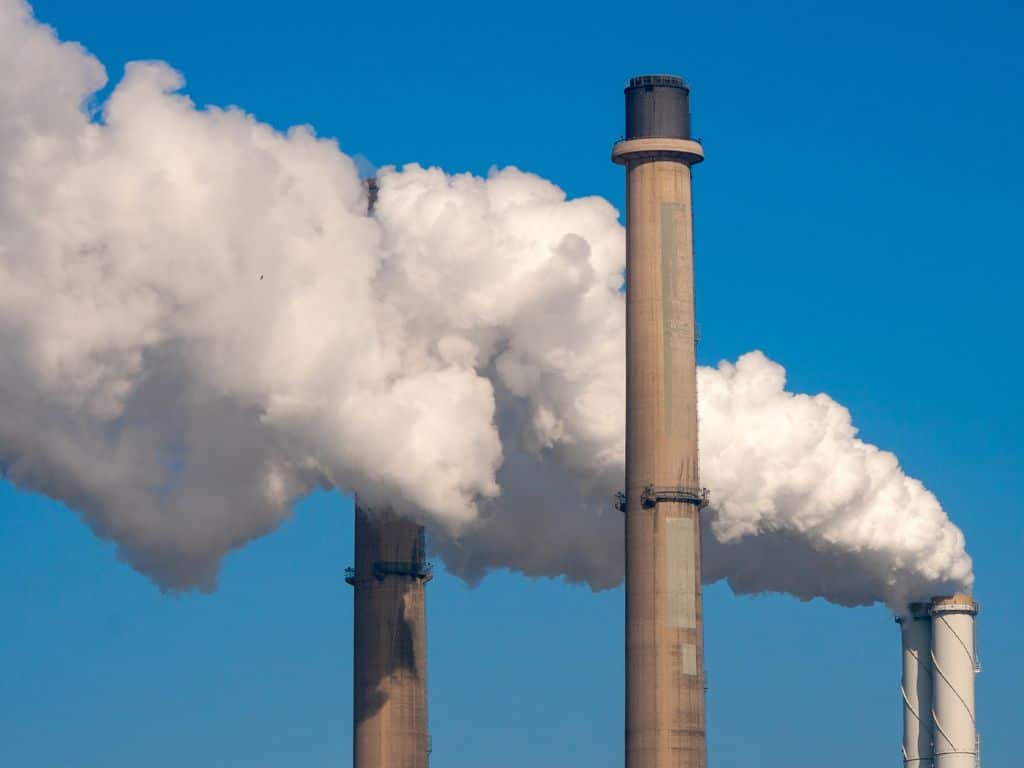
Creating a single plastic bottle requires extracting oil, refining it into plastic, manufacturing the bottle, filling it, packaging it, and transporting it, often across long distances. Each step releases carbon emissions. By switching to a reusable bottle, you reduce the demand for this energy-intensive cycle. Even better, washing and reusing a durable bottle has a much smaller carbon footprint than continuously purchasing new plastic ones. Over its lifetime, one high-quality reusable bottle can offset the emissions produced by thousands of disposable bottles.
3. It conserves valuable natural resources

Plastic production consumes enormous quantities of water and petroleum. In fact, it can take three times more water to produce a disposable bottle than the amount it holds. This creates unnecessary strain on natural resources in a world already facing water scarcity and environmental degradation. Choosing a reusable bottle helps slow the depletion of these resources by minimizing the need for new plastic production. In the long term, this supports a more sustainable, circular economy where materials are reused instead of constantly extracted and discarded.