1. Maple syrup has many colors
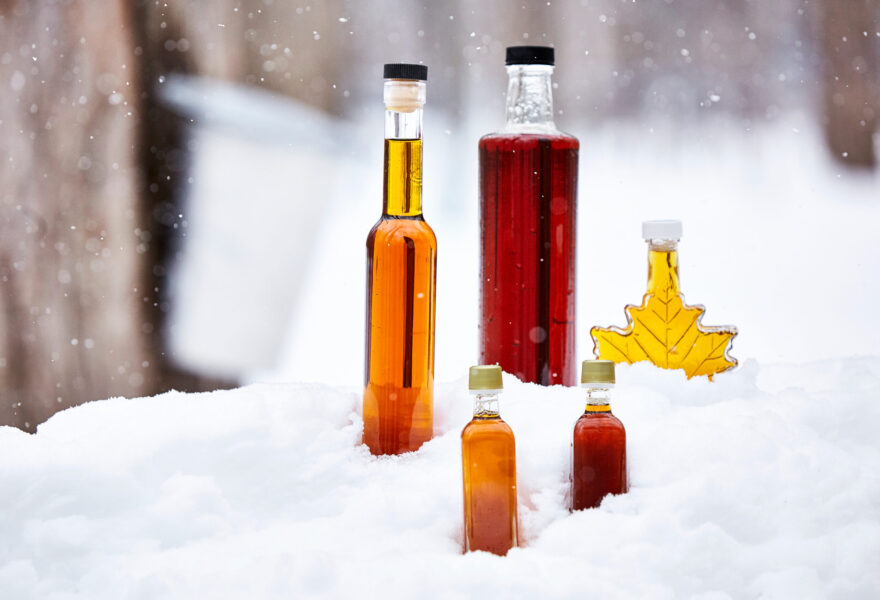
Golden maple syrup, delicate taste. This maple syrup is produced with maple sap generally harvested at the very beginning of the sugar season. It is recognizable by its light golden color and its flavor that is as sweet as it is delicate.
Amber maple syrup, rich taste. This maple syrup with a pure and rich taste is distinguished by its magnificent amber color.
Dark maple syrup, robust taste. This maple syrup has a more pronounced and caramelized maple flavor. Very dark maple syrup, strong taste.
This maple syrup comes from maple sap usually harvested at the end of the season. Its taste, more pronounced, is rich and distinctive.
2. The different maple trees

There are more than 150 species of maple trees worldwide, of which only 4 species provide the maple sap, or maple sap, essential for the production of maple syrup. These are mainly sugar maples (Acer Saccharum) (70%) and red maples (Acer rubrum) (29%) and, to a much lesser extent, silver maples (Acer saccharinum) and black maples (Acer nigrum ) (1%).
3. Harvesting maple sap

Traditionally, maple sap was harvested in buckets hung from the tree. The maple syrup producer poured the water accumulated in these buckets into large containers, then transported them himself to the maple grove. The sugar reserves that are removed by maple syrup production are minimal (4 to 5%) and do not represent a threat to the health of the tree. On the other hand, after casting, a scar appears near the notch. The cambium presents in the tree fills the hole in two or three years and the tree continues to grow.
Today, in most cases, maple sap is collected in tubes, called manifolds, attached to the end of blowtorches stuck in the notches. These tubes are then grouped together in collector pipes that convey the maple sap to the sugar shack by gravity or pumping.
4. The transformation of maple sap into maple syrup
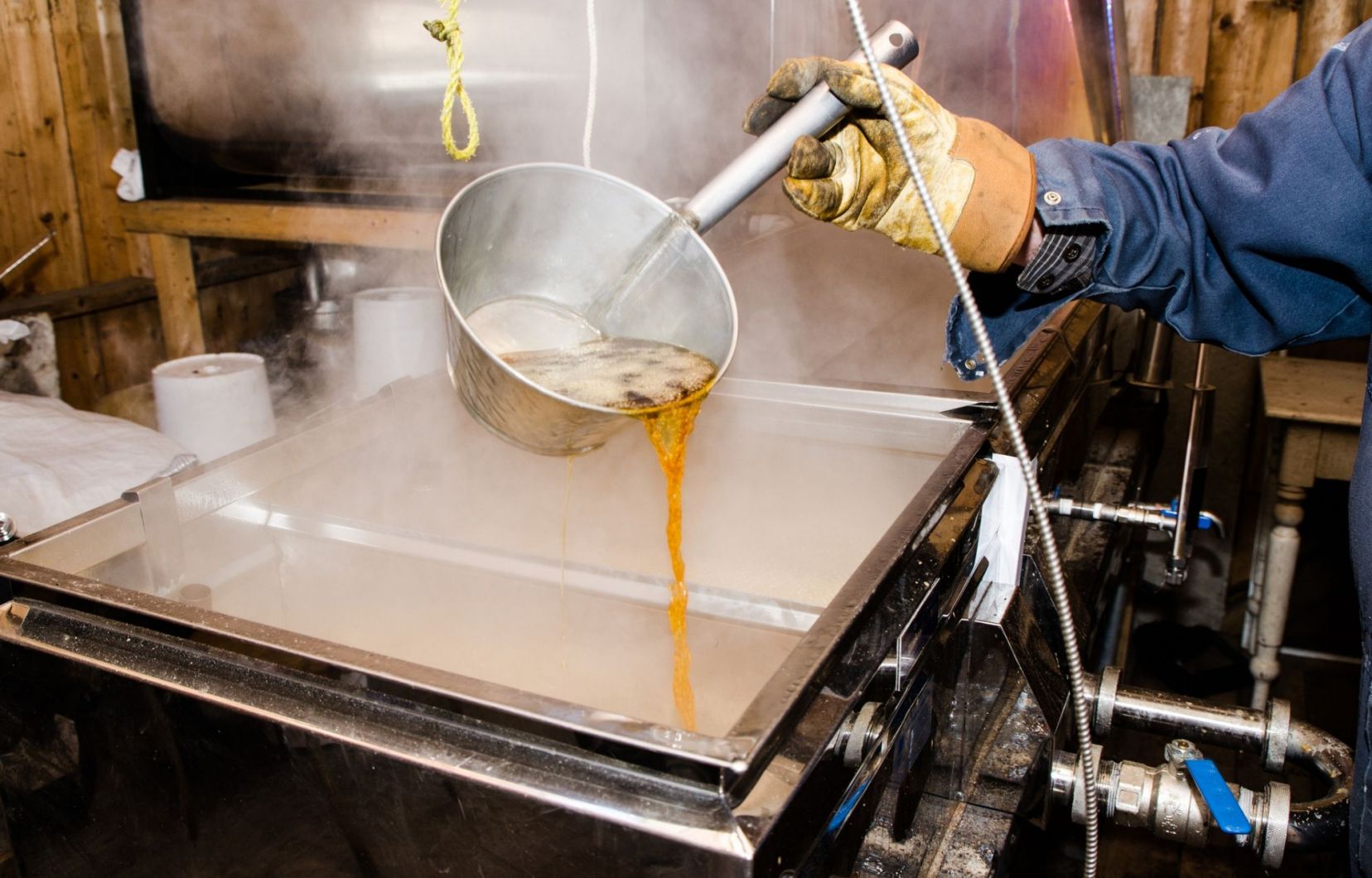
The maple sap arrives directly in large stainless steel basins and is directed to a reverse osmosis unit or straight to an evaporator, before being boiled to make maple syrup. It takes an average of 40 liters of maple sap to obtain one liter of syrup. The reverse osmosis device, or osmosis, is a technology that allows the sugar to be concentrated on maple sap. Maple sap becomes maple syrup when it reaches 66 degrees Brix, or 66% sugar content.
5. World syrup production
Quebec accounts for 90% of the maple syrup production in Canada and accounts for 72% of the maple syrup production worldwide. So, if you eat maple syrup, there is a good chance that it comes from Quebec.