1. Peer groups

A peer group is created by a group of individuals that share similar characteristics. Every individual has different opinions and views on drug addiction and drugs in general and oftentimes individuals will change their opinion of these things because it doesn't match with what their peer’s opinions are. For example, when I was a freshman in high school in my health class we were learning about the different drugs and I’ve always been really interested in the way drugs affect our society and my other peers were just making jokes about them and at times I felt like giving into their jokes because I didn’t want to seem like an outcast.
2. Expectations

As humans, we all have different expectations and when our expectations are not met we tend to have a different perception than what we originally had. Society has implemented the expectation that individuals are expected to work and maintain a certain appearance. Unfortunately when an individual is facing an addiction they are often unable to meet these expectations which causes others to view them differently. On TikTok, a creator interviews homeless young adults who are opioid users and many times they aren’t the best dressed and because of that the comment section is very negative and people begin to call them horrible names because their expectations aren’t fulfilled.
3. Past experiences

Every individual goes through many different experiences throughout the course of their life and these experiences usually take part in what shapes our views and opinions. Some experiences are so traumatic that they alter the way a person feels towards a certain individual/place. For example, one experience that changed the way I viewed not only society but the individuals who struggle with addiction in my community was when my mom and I bought a man food, and he explained that no one ever really helps them because they only view them as drug addicts. These individuals are humans but unfortunately they are often looked down upon.
4. The individual's environment

Everyone lives and grows up in different environments which causes them to have a unique perception since they are able to interpret things based on what they’ve witnessed within their own environment. Since everyone grows up in different areas, that calls for different views and opinions on real world problems. For example, ever since 2019 my environment has had a high number of homeless individuals who are addicted to opioids and I constantly see them struggling, so I have developed a lot of empathy for them but yet my cousin who lives in Avondale isn’t exposed to these struggles so her views on these individuals are different and not very positive.
5. The individual's attitude
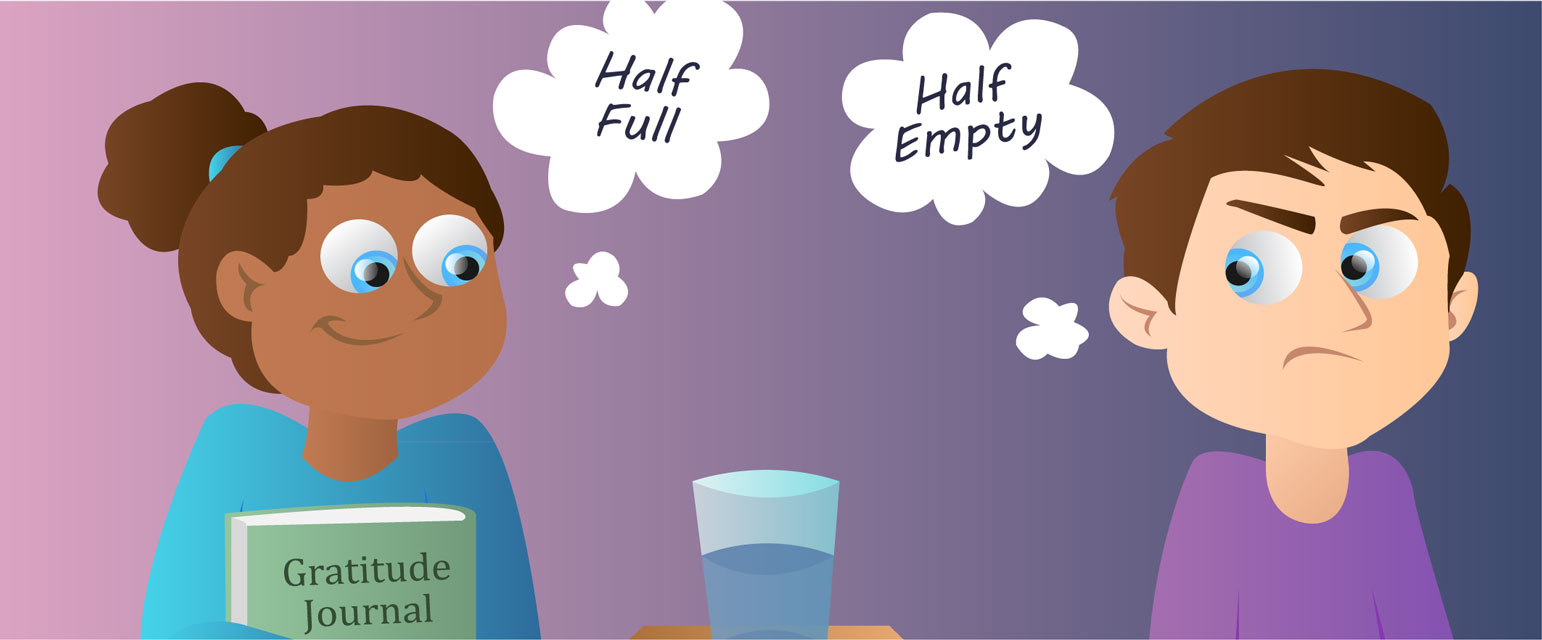
A person’s attitude plays a big role in a lot of things and the way the person reacts and feels about a certain situation can ultimately affect a person’s perception. If the individual has a positive and kind attitude, and they come across a homeless individual who is struggling with an opioid addiction and is asking for help they may be more willing to help compared to someone who has a negative attitude and believes that people with addictions don’t deserve any help because they brought that life upon themselves. Attitude really is everything and it plays a huge role in an individual's perception and how they view the opioid epidemic.
6. Childhood upbringing

Everyone grows up differently because of many different reasons and because of that our childhood can have an influence on our perception. The opioid epidemic is an important problem and the experiences we faced as kids affect the way we view this situation. I remember seeing my aunt struggle with drug addiction and how it affected our family. Thankfully my aunt is healthy and has been sober for many years but yet that childhood experience has stuck with me and it has helped me release that we can one day get rid of this epidemic but it would take a lot of help from the community and the government.
7. Social media

Social media has grown to be a very big part of our society and it’s no surprise to discover that social media has a large influence on our perception. Social media can bring awareness to different situations such as the opioid epidemic but yet it can also lead to the exploitation of these individuals. For example, on Tik Tok pages such as “tales.from.the.streets” make videos about individuals facing addiction and they claim to be bring “awareness” but instead of bringing awareness they show them off to the public during a vulnerable time in their life which allows others to create their opinion of them based off a 30 seconds video.